Portraits plus: the complete guide to portrait studios and custom art
Most people book a portrait session wanting one thing. Something real. Something that actually looks like the people they love rather than a posed approximation of them. You schedule the session, coordinate the outfits, spend two hours in front of a camera, and then wait. The files arrive. You pick a few favorites. You order prints. One goes on the wall. The others sit on a hard drive you'll eventually forget the password to.
That's most portrait sessions. Decent photos. Good memories. Nothing that stops you when you walk past it.
This guide is for people who want more. It covers portrait studios, what they actually offer, how to find a good one, what to budget, and how to prepare. But it also covers something portrait studios fundamentally can't provide: a painted portrait. One that looks like art. One that belongs on the wall not because you ordered it but because it earns its place there. One that gets better with time instead of just older.
If you came here looking for a photography studio, you'll find everything you need. If you came here looking for something more than a photography studio, keep reading. Because portraits plus something more, that's exactly where this goes.
Start here: the portrait that outlasts the session
Before we talk about portrait studios at all, let's talk about Fable.
Not because you have to use Fable instead of a photographer. You don't. But because if you're going to invest in portraits, you should know that there's an option available to you that traditional portrait photography can't touch.
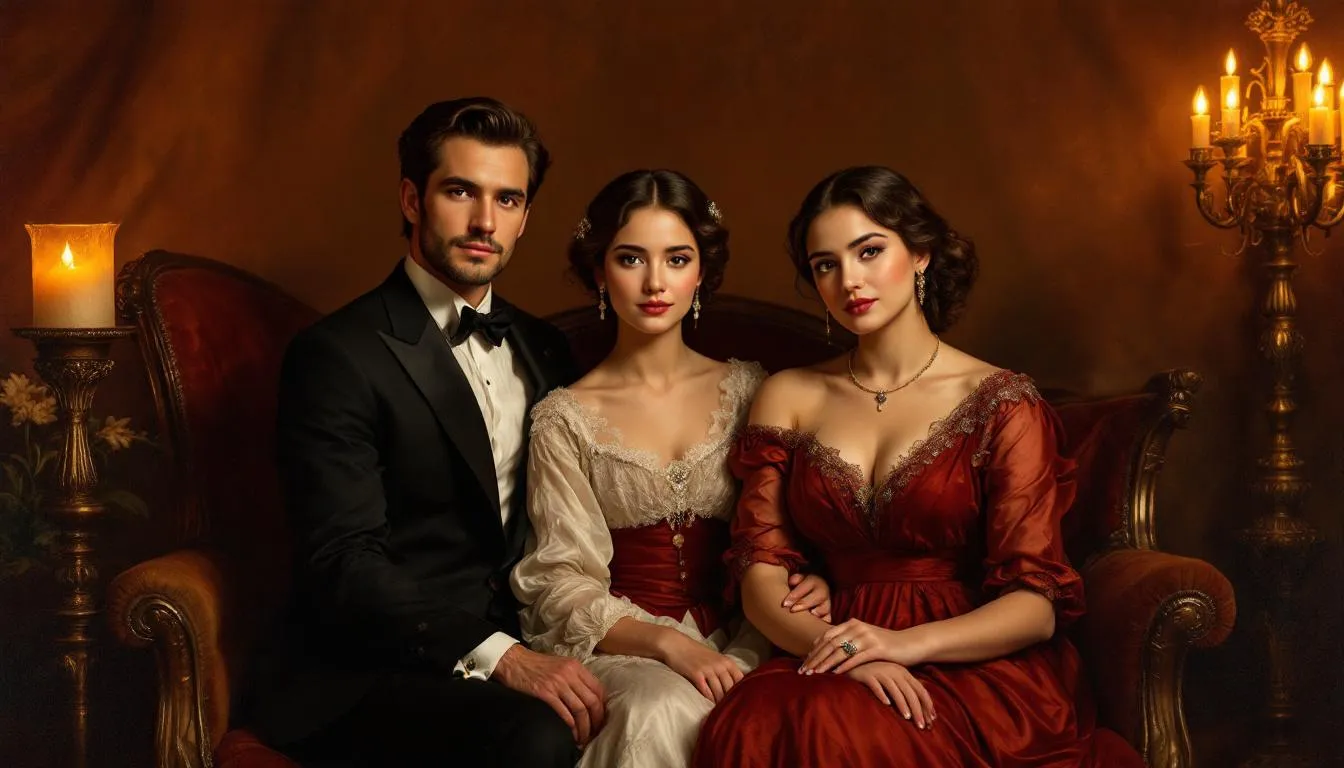
Fable takes a photograph and transforms it into a painted portrait. Not a filter. Not a digital effect. An actual painted work, handcrafted in renaissance, royal, or classical style, rendered at a size that belongs on a wall rather than in a phone camera roll. The kind of portrait that nobility commissioned for centuries. The kind your family will still have in fifty years.
Here's why that matters. A photograph documents a moment. A painted portrait honors it. There's a real difference in how each one sits on a wall, how each one feels when you look at it, and how each one ages. Photographs fade. Prints yellow. Canvas wraps develop micro-cracks after years of humidity changes. A properly made portrait painting holds its quality across generations because it was built to.
For family portraits, this is the single most meaningful upgrade you can make. Your family shows up for the session. You get great photographs. And then you take the best one and turn it into something the next generation will recognize as a treasure rather than a relic.
For couple portraits, a painted portrait in renaissance or classical style captures the relationship in a way that feels eternal rather than documentary. The painting doesn't just show two people who loved each other. It shows them the way great art has always shown people who matter.
For kids portraits, consider what it means to have a painted portrait of your child at this exact age, in this exact season of their life. They grow quickly. The photograph captures it. The painting preserves it.
The how it works page explains the full process. You upload a photo you already love, choose a style, and the team handles everything from there. The pricing page shows current options and what to expect in terms of investment. If you've never seen what a Fable portrait actually looks like, the self-portraits page is a good place to start.
Now. With that context established, let's talk about the full landscape of portrait services, from studio chains to local boutiques to painted heirloom art.
What portrait studios actually offer
Portrait studios run on a model most people don't fully understand until they're standing at the order counter. You pay a session fee upfront to cover the photographer's time and the shoot itself. Then, days or weeks later, you come back to view your images and order prints, products, and digital files. The session fee and the products are separate costs.
This is not a trick. It's just how the industry works. It helps to know before you walk in.
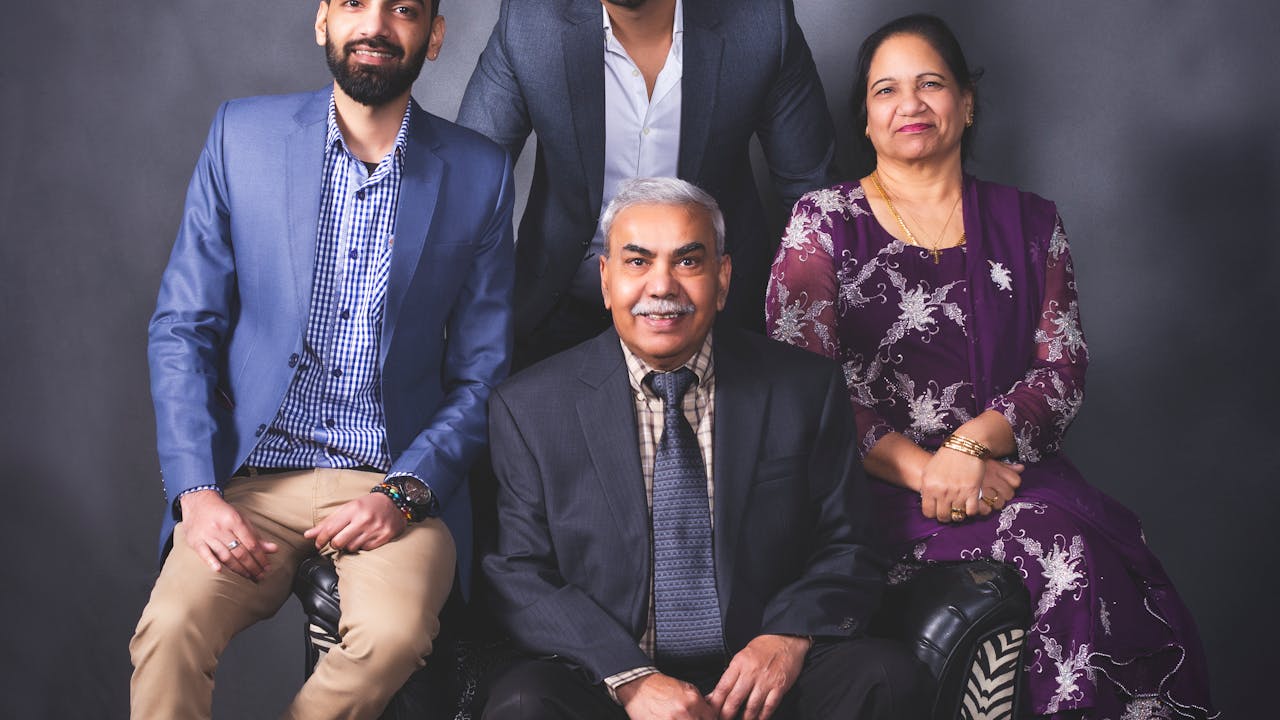
Standard portrait session services typically include:
A consultation before the shoot to discuss outfits, locations, and what you're hoping to capture. The shoot itself, which runs anywhere from 30 minutes for headshots to two or three hours for full family sessions. Post-processing, where the photographer selects and edits the best images. A gallery review, either online or in person, where you choose your favorites. And an ordering process for prints, albums, canvases, and digital files.
Sessions break down into a few major categories. Family sessions are the most common. Family portraits require the most coordination but produce the images people care about most, the ones that go on living room walls and get passed around at reunions. Senior portraits are timed to high school graduation and carry significant emotional weight for parents especially. Headshot sessions are quicker, more structured, and focused on professional image rather than personal warmth. Newborn sessions require specific timing and skills. Maternity sessions, which the maternity portrait ideas guide covers in depth, have their own considerations around timing and comfort. Pet portraits, covered thoroughly in the pet portraits guide, are a specialty that not every studio handles well but some handle brilliantly.
What portrait studios can't do is just as important to understand as what they can. A photograph is documentary. It captures what was in front of the camera on a specific day. It can be technically perfect, beautifully lit, emotionally resonant. But it remains a photograph. It ages as photographs age. It reads as a photograph.
A portrait painting is different in kind, not just degree. The abstract portraits guide explores what happens when portraiture moves beyond pure documentation. The history of portrait art, covering everything from renaissance masters to classical realism to modern interpretive styles, is essentially the history of human beings trying to preserve what matters about the people they love in a form that outlasts a generation. Portrait studios are good at the documentary function. Painted portraits are good at the preservation function. Both have value. The question is which function you actually want.
Types of portrait studios: chains, local studios, and boutique experiences
Not all portrait studios are the same, and the differences go deeper than price.
Chain studios are what most people grew up with. JCPenney Portraits, which operates through Lifetouch and Shutterfly, is one of the largest remaining chains in the country with roughly 400 locations. School photography companies like Prestige Portraits and Lifetouch handle millions of sessions annually. These studios offer standardized experiences at accessible prices. The photographer rotates through a library of standard poses and backgrounds. The lighting setup doesn't change. What you gain is convenience and consistency. What you don't get is creative flexibility or a session tailored to how your family actually looks and feels together.
Chain studios peaked in the 1990s. At their high point, companies like Olan Mills operated thousands of locations with nearly universal brand recognition. The digital era, smartphones in particular, gutted that model. Families stopped feeling like they needed a professional for snapshots. Several major chains collapsed entirely: Sears Portrait Studio, Walmart's PictureMe Portrait, and others closed when the economics stopped working. The ones that survived did so by anchoring to schools, where captive audiences still need yearbook photos.
Local independent studios represent the professional photography market as it exists today. The market has not shrunk. It has changed. The US photography industry generates roughly $15.8 billion annually and employs nearly 300,000 people. What changed is the distribution: instead of a handful of large chains, there are now hundreds of thousands of small independent studios and individual photographers building their own businesses and reputations.
Local independent photographers charge more than chain studios. They offer more. A local photographer who specializes in family portraits has usually spent years developing a specific visual style, a way of working with families that produces images with genuine feeling rather than competent execution. The difference is visible in the portfolio.
When evaluating a local photographer, look for:
Consistency across sessions. The portfolio should show not just a handful of perfect images but a consistent standard across different families, different locations, and different lighting conditions. One great photo is luck. Twenty great photos across a year of work is skill.
Lighting that flatters. Skin tones should look natural. Eyes should have catchlights (that small reflected highlight that makes eyes look alive). Shadows should fall in a way that creates dimension rather than harshness. Poor lighting is harder to fix in editing than most people think, and over-edited portraits often betray the original exposure problems underneath.
Subjects who look at ease. Families that look stiff, couples that look uncomfortable, children who look like they're enduring the session rather than living in it: these are signs of a photographer who hasn't figured out how to put people at ease. A great portrait photographer is part psychologist. The technical skills matter. So does the ability to create an environment where real expressions happen.
Boutique portrait studios are the tier above local independents. These are typically single-photographer operations that have spent a decade or more building a reputation for fine art portrait work. Session fees start at $500 and total investment often runs $2,000 to $5,000 or significantly higher. What you get is a photographer whose work genuinely merits the investment, a complete creative collaboration, and the kind of product that could hang in a gallery.
Boutique portrait photography has grown in recent years as the mid-tier studio market collapsed. Families willing to invest in portraits are increasingly choosing between the convenience of chains and the quality of boutique work, skipping the middle tier that once dominated. This shift has created better options at both ends of the market.
What to look for in a portrait studio
Choosing a portrait studio or photographer is one of those decisions that's hard to undo. You can't re-do the newborn session six months later. You can't go back and reshoot the family holiday portrait from two years ago. Getting the decision right the first time matters.
Here's what separates good portrait studios from mediocre ones.
Portfolio quality over marketing. Every studio has a website with their best work. What you want to look at is range. Can they handle different family sizes? Different lighting conditions? Indoor and outdoor? Do their images look consistently excellent or occasionally excellent? Does their style match what you're hoping for, or are you drawn to the images but not quite sure it's the right fit for your family?
The physical space. A good studio has room to work. Multiple distinct shooting zones, adjustable lighting setups, private changing areas, and comfortable seating for waiting family members. A cramped studio with a single backdrop and a fixed light setup limits what's possible, regardless of how skilled the photographer is.
Communication before the session. Great photographers ask questions before you show up. What are you hoping to capture? Who's in the family and what are their personalities like? Are there any physical considerations to be aware of? Do you have any images from previous sessions that show what you liked or didn't like? These questions aren't just courtesy. They're how a photographer prepares to do their job well.
Clarity about deliverables. How many edited images are included in the session fee? What formats will they be delivered in? Are print rights included, or are you buying prints only through the studio? What is the turnaround time from session to delivery? Get this in writing before you book. Disputes about deliverables are the most common source of dissatisfaction in portrait photography.
Chemistry. This one is harder to quantify but easier to feel. Do you like this person? Will your kids warm up to them? Does the conversation feel collaborative or transactional? Portraits happen through relationship. The session you feel most comfortable in produces the best images. Trust that intuition.
The gift ideas for photographers guide, while covering a different topic, gives some useful insight into what professional photographers value, which can inform how you evaluate one.
What portrait sessions cost
Portrait photography pricing follows a structure most people don't know about until they're already through the door.
The session fee is the upfront cost to secure the photographer's time. For chain studios, this might be $50 to $150. For local independent photographers, $150 to $500 is common. For boutique operations, $500 to $1,500 or higher.
But the session fee is rarely the total cost. Products, including digital files, prints, canvases, and albums, are where most photographers generate the majority of their revenue. You attend a viewing session or receive an online gallery, you select your favorites, and then you order. Average total family spending on a portrait session runs roughly $1,000 to $1,500 when you include both the session and the products.
At the mid-tier professional level, total investment typically falls between $1,500 and $3,000 for a well-executed session with high-quality print products. Boutique photographers with a strong following and a curated waiting list often see total investments of $3,000 to $8,000 from families who've decided the investment matches the importance of the milestone.
What you're paying for when you invest more:
Experience. A photographer who has done 500 family sessions has solved every problem that can come up. Lighting fails. Kids refuse to cooperate. The best location turns out to be wrong for the light on this particular day. Experienced photographers adapt without drama. Less experienced ones improvise poorly.
Equipment. Higher-end lenses produce images that hold up at large print sizes. Cheaper glass creates artifacts at print dimensions that look fine on a screen. If you're planning to display portraits as wall art, which you should be, the quality of the glass matters.
Post-processing time. Editing 40 portrait images to a consistent, high standard takes many hours. This work is invisible in the final product but completely obvious in its absence.
Knowing what you're buying helps you budget appropriately rather than being surprised at the order counter. The pricing page at Fable shows a transparent breakdown of what portrait art investment looks like, which provides useful context for comparing to photography session costs.
Preparing for a portrait session
The session itself is two to three hours. The preparation determines how those hours go.
Six to eight weeks before: Book the session. Good photographers in most markets fill their availability far in advance. Fall is particularly competitive because the light is beautiful, the colors are vivid, and everyone wants fall family portrait ideas executed before the season turns. If you're targeting October, start looking in July.
Two to three weeks before: Finalize outfits. The family portrait outfits guide covers this in depth, but the principles are simple. Coordinate without matching. Choose solid colors and subtle textures over busy patterns. Lean toward classic over trendy, since you'll be looking at these photos for years. Lay everything out together and look at it as a group before the session. What looks good individually sometimes doesn't work as an ensemble.
One week before: Get haircuts. Not the night before. One week is the sweet spot where cuts look intentional but have settled. If there are skincare concerns, a week provides enough time to address them without the risk of a bad reaction right before the session.
The day before: Pack everything. Confirm the session time, location, and backup plan if the session is outdoor. If children or pets are involved, the pet family portraits guide has specific advice on managing both at once. Charge any devices you need. Look at the weather forecast.
The morning of: Eat well. Bring snacks for children. Pack a lint roller. Arrive a few minutes early so you're not beginning the session already rushed. And communicate openly with the photographer when something isn't working. They can adjust. They can't read minds.
The senior portrait outfits guide has detailed packing and prep checklists that apply broadly to any portrait session, not just senior portraits. The xmas portrait ideas guide covers holiday-specific timing and coordination that's useful for end-of-year family sessions.
What to do with your portraits after the session
Most portrait sessions produce far more images than the family ends up using. You pick ten or fifteen favorites, order a print package, put the best one on the wall, and the rest remain digital files you rarely revisit. This is the standard outcome and it's genuinely fine. Photography has documented families for generations this way.
But there's more you can do.
Commission a painted portrait. This is the use case that separates portraits that endure from portraits that document. Take the best image from your session and commission a painted portrait from Fable. The photograph becomes source material. The painting becomes the artifact. Your family photograph, rendered in classical or renaissance style, becomes something that gets pointed to at dinner parties, handed down at estate sales, and displayed in places photographs never go.
The anniversary gift portrait guide covers this specifically for couples. A photograph from the wedding or an early anniversary session, transformed into a painted portrait, is a category of gift that has no equivalent. The birthday portrait gifts guide explores portrait gifts for individuals. The graduation gift art guide covers milestone portraits specifically.
Print large. Most portrait prints end up at 8x10 or 5x7. These are fine for albums and frames on shelves. They're inadequate for walls. If you have images that merit it, print at 20x30 or larger. The quality difference between a wall-size print and a shelf print is significant, and a genuinely good portrait deserves to be seen at the scale it was meant for. The portrait vs landscape guide covers orientation choices for large format printing.
Create a gallery wall. A single portrait is a document. A curated collection across multiple sessions, different years, different stages of family life, is a chronicle. Gallery walls built from portrait photography have become one of the strongest home decor trends in recent years, and for good reason. They turn a wall into a family history. The family portrait outfits guide has notes on choosing consistent color palettes across sessions so that gallery walls maintain visual coherence even as the images span years.
Think about the digital files. Where are they stored? Cloud services go away. Hard drives fail. External drives get damaged. Printing is not just an aesthetic choice. It's a preservation strategy. Only 3% of Americans store family images in printed form. Over a third have no printed photos at all. The images that get lost first are the ones that only exist digitally.
Portrait painting as a standalone choice
You don't need a studio portrait session to commission a painted portrait from Fable. Any photograph you already love can become source material.
This opens up some interesting possibilities.
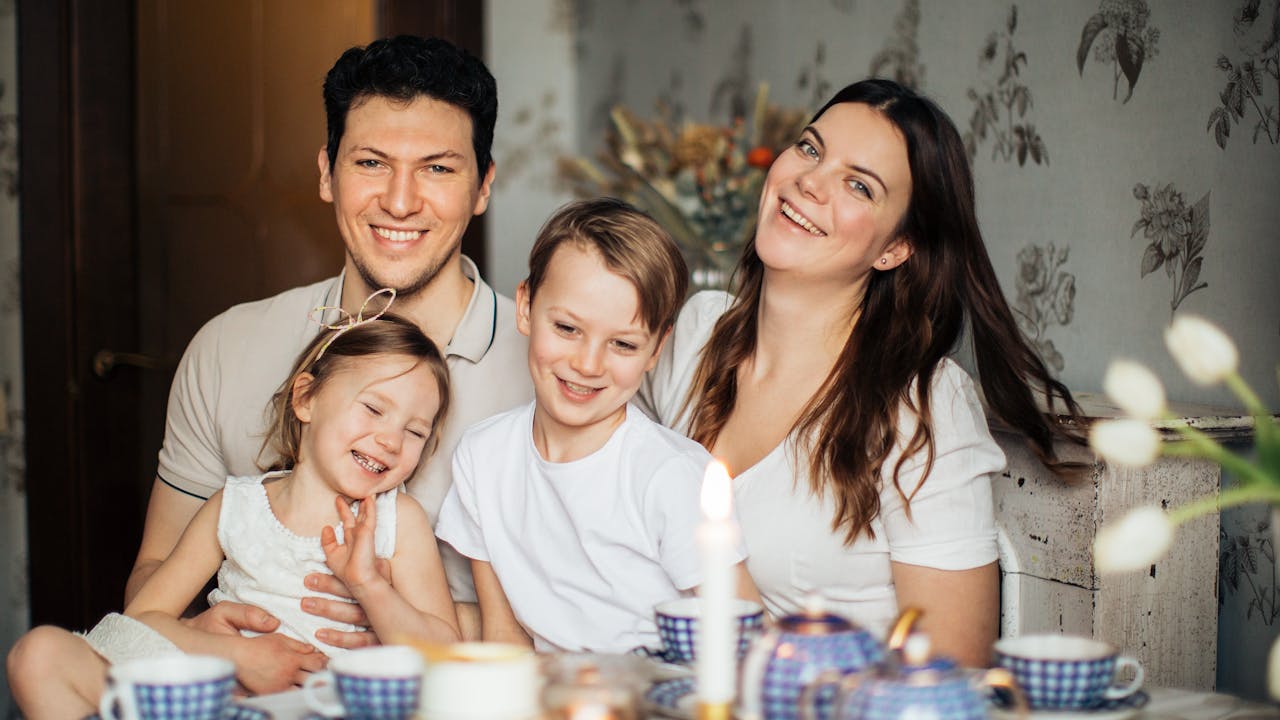
A photograph from a family vacation. A candid image from a birthday. The photo your partner took of you on a hike that came out better than anything from the formal session. The photo of your dog sleeping in the afternoon sun. The image from your wedding that your photographer sent as an unedited preview because it was too good to wait for the edit. Any of these can become a painted portrait.
The royal pet portraits guide covers how this works specifically for pets, where the casual photograph often captures something no formal session can manufacture. The personalized dog portraits guide goes deep on the process for dog portraits specifically.
For family portraits, the starting photograph matters but isn't the whole story. A portrait painting can improve on the source in ways a photograph can't. The painter interprets rather than copies. They can adjust backgrounds, refine expressions, and render the subject in a style that elevates rather than simply reproduces.
Couple portraits in classical painting style carry a different emotional register than photographs, even photographs of the same moment. There's a reason portrait painting preceded photography by centuries and has never been replaced by it despite photography's obvious advantages in speed and accessibility. Painting does something photography fundamentally cannot.
The memorial pet portraits guide addresses one of the most emotionally significant uses of portrait painting: honoring a pet who has died. A photograph is a reminder. A painted portrait is a memorial. The distinction matters deeply to the people who choose this.
The history of portrait art and why it still matters
Portrait painting is one of the oldest continuous art traditions in human history. Before photography, painted portraits were the only way to preserve a likeness. Kings commissioned portraits to establish presence and legitimacy. Nobility commissioned them to document their families and establish lineage. Merchants and professionals, as they accumulated wealth, commissioned portraits to demonstrate their standing. The portrait was the statement.
The renaissance produced some of the most technically brilliant portrait painting in history. The self portrait drawer tradition, where artists depicted themselves as well as their subjects, developed sophisticated techniques for rendering skin, fabric, and light that remain influential today. Classical portrait techniques developed during the portraits in silhouette era introduced the idea of simplified, abstracted likeness that captures essence over literal accuracy.
When photography arrived in the 1800s, many predicted it would end portrait painting. It didn't. What it did was change the function of portrait painting. Photography took over the documentary function. Painting retained the interpretive function. And as the two traditions evolved separately over 150 years, portrait painting became richer and more varied because it was freed from the obligation to simply record.
Today, the painted portrait exists at the intersection of tradition and innovation. AI-assisted portrait generation has made classical-style portraiture accessible at price points that were impossible a decade ago. Platforms like Fable use AI tools to render photographs in the styles of renaissance masters, classical realism, and royal portrait traditions. The result is portrait art that would have cost thousands at a traditional studio, available to families who want something permanent without a commission-scale investment.
The personalized gifts market supports this. It's a $32 billion industry globally, growing toward $63 billion. The most consistently requested personalized gift category across surveys is custom portrait art. Eighty percent of consumers say they prefer receiving personalized gifts over generic ones. Portrait painting sits at the center of a market that has never been larger.
Classic portrait styles available through Fable:
The renaissance portraits style draws on techniques developed in 15th and 16th century European painting: rich backgrounds of architectural interiors or dark velvet drapes, clothing with authentic period details, directional lighting from one side that creates dramatic depth. Subjects appear confident, composed, and timeless.
The royal portrait style places subjects in formal court settings: ornate backgrounds, heraldic elements, period costume, and a compositional grandeur associated with official portraiture. This style works particularly well for pet portraits because it applies a magnificent absurdity that people find deeply charming.
The classical style occupies a middle ground: more naturalistic than the formal court portrait but still elevated above documentary photography. It's the style most associated with the portrait paintings in major museums, the ones that seem to show real people with genuine personalities rather than official subjects.
The art gifts for mom guide covers how portrait paintings in these styles function as gifts, including which occasions work best and how to present them. The gifts for art lovers guide explores portrait art in the context of giving to someone who appreciates artistic merit.
Portrait photography and painted portraits: which is right for you
You don't have to choose. That's the honest answer. Many families use photography and painted portraits together, which is exactly the point.
You book a portrait session because you want professional photographs. You choose images for prints, for albums, for sharing. And then you take the one image that moved you most and you commission a painted portrait. The photograph lives in the album. The painting lives on the wall.
This is the complete portrait experience. Documentation plus permanence. The session plus the art. Portraits plus.
For specific occasions, the wedding gift art guide covers why weddings are one of the best occasions to commission portrait paintings, either as gifts or as keepsakes. The christmas art gifts guide explores portrait paintings as holiday gifts. The art gifts for mom guide makes the case specifically for maternal portraits.
If you've never commissioned portrait art and want to understand what the experience involves, the how it works page at Fable is the right place to start. The process is simpler than most people expect: upload a photo you love, choose a style, provide any details about what matters to you, and the team handles the rest. The pricing page makes the investment clear before you commit.
One thing worth knowing: portrait paintings make better gifts than almost anything you can buy at a standard price point because they're specific. They depict a person, or people, that the recipient loves. A generic gift, no matter how thoughtful in concept, competes with every other generic gift. A painted portrait of someone's dog, someone's grandmother, someone's family the summer everything was good: that competes with nothing.
The family gift ideas for whole family guide covers this dynamic in detail, and portrait paintings consistently appear as the standout recommendation because they solve the hardest problem in gifting: the gift that feels genuinely personal and genuinely beautiful at the same time.
A note on plus-size portrait photography
A meaningful number of people who search "portraits plus" are looking specifically for photographers who specialize in working with plus-size subjects. This is a real need and a real specialty.
The challenge with plus-size portrait photography is the same as the challenge with portrait photography generally, but amplified: lighting that flatters requires understanding how light interacts with different body types. Posing that looks natural requires a photographer who has worked with diverse subjects and understands what works. And the emotional environment of the session requires a photographer whose clients genuinely feel comfortable and seen rather than accommodated.
When searching for a plus-size portrait photographer, the same principles apply as with any portrait search. Portfolio is everything. Look specifically for bodies similar to yours in their existing work. If their portfolio shows a narrow range of body types, that tells you something about their client base, their experience, and likely their results. Read reviews from clients who mention their experience specifically, not just the quality of the final images. Chemistry matters especially here. A session where you feel seen and comfortable produces images where you look seen and comfortable.
For painted portraits, body type is less constrained by photographic technique. A portrait painter interpreting a photograph can render subjects with more flexibility than a camera lens provides, and the stylized nature of painted portraiture often produces results that feel more flattering than a straight photograph regardless of body type.
Frequently asked questions
What is a portrait studio session and what does it include?
A portrait studio session is a scheduled photography appointment with a professional photographer, typically lasting one to three hours depending on the type of session. Most sessions include a pre-shoot consultation, the shoot itself at agreed locations or in-studio, post-processing of the best images, and a gallery review where you select images for print orders. Session fees typically range from $150 to $500 for local independent photographers, with print products ordered separately.
How much does a portrait session cost in total?
The session fee and the products are typically priced separately. Session fees run $150 to $500 for most local photographers. Total family investment including both the session and print orders typically falls between $1,000 and $1,500 at the professional level, though boutique photographers can run $3,000 to $8,000 or more for comprehensive packages. Understanding this pricing structure before you book prevents sticker shock at the ordering stage.
What's the difference between a chain portrait studio and a local photographer?
Chain studios offer standardized experiences at accessible prices. You get consistent, competent work in a predictable format. Local independent photographers offer creative flexibility, personalized attention, and usually a distinct visual style developed over years of work. Local photographers typically cost more and deliver more: more session time, more creative options, more artistry in the final images. The right choice depends on what you're hoping to achieve and how much you want to invest.
Can I turn a portrait photograph into a painting?
Yes, and this is where portrait photography and portrait painting work together most powerfully. Fable takes photographs and transforms them into painted portraits in renaissance, royal, and classical styles. Any photograph that has good lighting and a clear subject can serve as source material. The how it works page explains the process in detail.
What occasions are best for commissioning a portrait painting?
Anniversary milestones, particularly for couple portraits, work beautifully because the painting marks the relationship in a timeless way. Family portraits commissioned after a professional session, where you have an excellent source photograph, are another strong occasion. Pet portraits as gifts for animal lovers are among the most emotionally resonant uses of the medium. See the anniversary gift portrait, birthday portrait gifts, and graduation gift art guides for occasion-specific guidance.
What makes a portrait painting more meaningful than a photograph as a gift?
Specificity and permanence. A photograph is reproducible. A painted portrait is unique, rendered specifically from the subject in question. Photographs age and fade. Portrait paintings, properly made, outlast generations. And a painting carries a different cultural weight: it says this person was worth a masterpiece, which is not a claim a photograph makes regardless of its quality. The emotional response to a painted portrait as a gift tends to be significantly stronger than the response to even an excellent photograph.
How do I choose the right style for a painted portrait?
The style should match the personality of the subject and the intended display context. Renaissance and royal styles suit formal settings and subjects with a sense of humor about the grandeur. Classical realism works in almost any space and reads as both elegant and accessible. The Fable team can advise on which style works best given the specific photograph and intended use. The royal pet portraits and renaissance pet portraits guides show how these styles translate to pet subjects specifically.
Related guides
Family portraits covers the full Fable family portrait service, including styles, sizing, and what to expect from the process.
Fall family portrait ideas is the complete guide to planning outdoor portrait sessions in the best season for portrait photography.
Family portrait outfits covers coordinating outfits across a family session, including color palettes, what to avoid, and how to look cohesive without matching.
Anniversary gift portrait makes the case for commissioned portrait paintings as anniversary gifts, with practical guidance on the ordering process.
Pet portraits explores the full range of pet portrait options, from photography to painted art in renaissance and royal styles.
Sources
IBISWorld. "Photography in the US: Industry Statistics and Trends." ibisworld.com.
Precedence Research. "Photographic Services Market Size and Forecast." precedenceresearch.com.
Market Research Future. "Personalized Gifts Market Size and Analysis." marketresearchfuture.com.
The best portraits don't just capture what someone looks like. They capture something true about who they are. That's hard to get in a two-hour session at a chain studio. It's easier to get with a photographer who knows what they're doing. And it's something a painted portrait does better than either, because it doesn't just document, it interprets.
Portraits plus is the idea that your family deserves more than a session and a print package. More than digital files that live on a hard drive. More than an 8x10 that gets moved to the closet when the next portrait takes its place.
What your family deserves is something that earns its spot on the wall and keeps it. Something that your grandchildren will look at and want to keep.
Fable makes that possible. The photograph is yours. The painting is what it becomes.