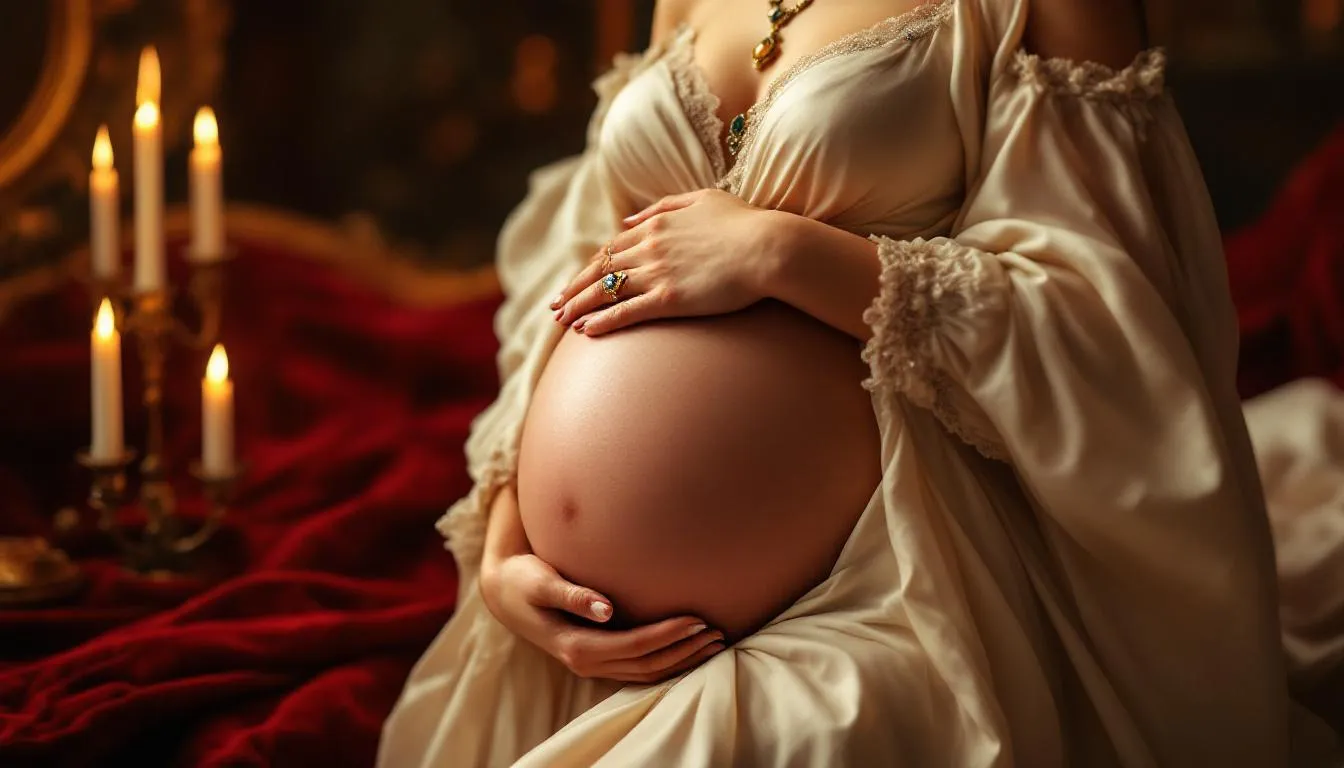
Maternity portrait ideas: the complete guide
Pregnancy is one of the most physical, visceral, and emotionally charged experiences a human being can go through. It changes your body, your relationship, your sense of self. It stretches time in both directions, connecting you to something ancient and something not-yet-born. And then, in a matter of weeks, the visible part of it is gone. The bump you watched grow, the curve you cradled while falling asleep, the shape that made strangers smile at you on the street, it disappears. Your child arrives and everything shifts forward.
That's why maternity portraits matter. Not as vanity, not as social media content, not as a box to check. They matter because the physical reality of pregnancy is fleeting, and what you do to capture it determines whether it becomes a memory or a piece of your family's permanent story.
The best maternity portraits don't just document. They honor. They say: this moment was real, this body was extraordinary, and this family was already becoming something before the baby even arrived.
This guide covers everything you need to plan a session worth keeping, from timing and location to poses, outfits, lighting, and the decision every expecting parent eventually faces: what to do with the images once you have them. We'll start, as all good maternity portrait planning should, with the option that turns a photograph into something permanent.
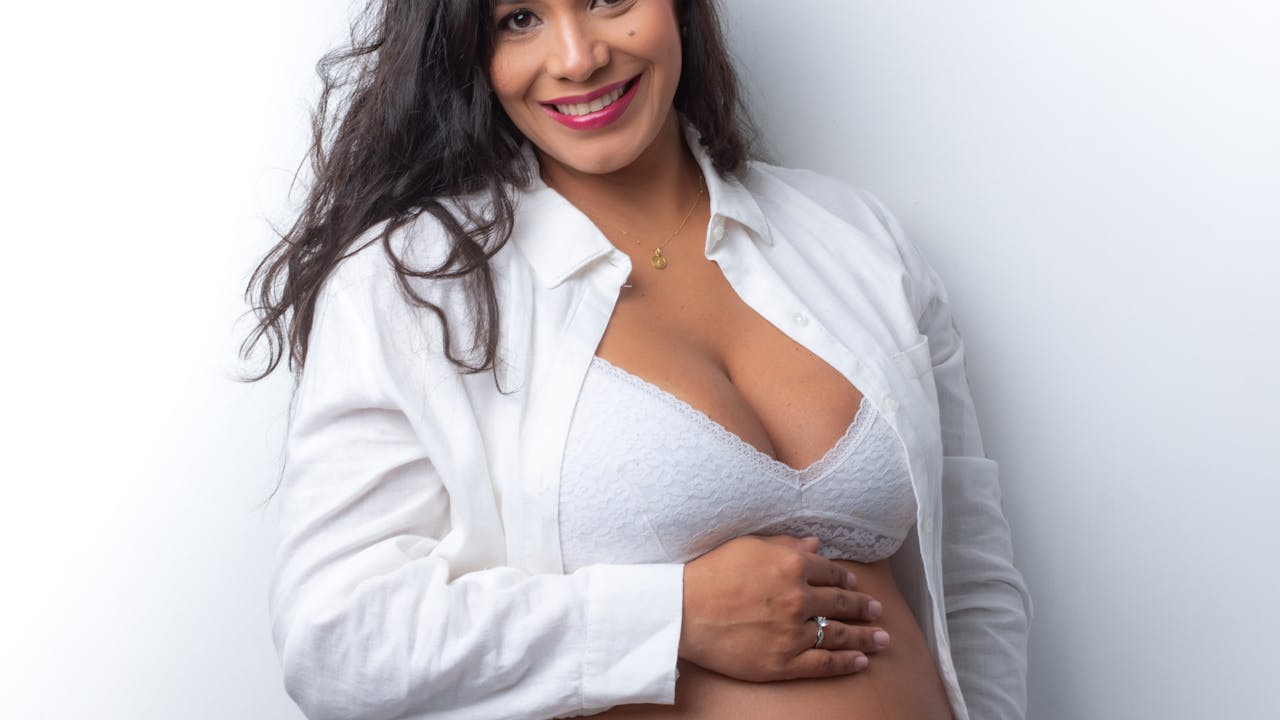
Start here: the portrait that outlasts the pregnancy
Before you think about photographers, locations, or dresses, consider what you actually want to end up with. Most people default to digital files. Some get prints. But a small, growing number of expecting parents are making a different choice, one that converts their maternity session into something with a completely different visual weight: a painted portrait.
Fable creates custom painted portraits from your photographs. You submit a photo, and Fable's artists transform it into a hand-crafted fine art piece, rendered in styles ranging from classical and Renaissance to royal and stately. The result hangs on your wall not as a decoration but as a document. It's the kind of thing that becomes a family heirloom before the ink on the birth certificate dries.
What makes a painted portrait different from a framed print of your maternity photo? The difference is texture, intention, and permanence. A photograph captures light at a moment. A portrait interprets it. An artist looks at the image and makes decisions about what to emphasize, what emotion to bring forward, what the piece should feel like to someone standing in front of it twenty years from now. The result looks different from a photograph in the way that a painting in a museum looks different from a postcard of it.
For maternity portraits specifically, this matters. Your family portrait from this period represents more than a physical moment. It represents the anticipation, the hope, the love already circulating in your household before your child was born. A painted portrait carries that weight in a way a file on a hard drive simply can't.
The process at Fable is designed to be straightforward. You don't need to do anything special during your maternity session to prepare for a portrait. You take your photos, choose the image that moves you most, and submit it through how it works. From there, the artists handle everything. You can see pricing and choose the style that fits your space and sensibility. Whether you and your partner choose something together or you commission a solo portrait of yourself during this particular chapter, couple portraits and solo formats are both available.
The portrait becomes the thing you keep. Everything else, the dress you wore, the field you stood in, the golden light of that particular afternoon, all of it exists in the painting.
When to schedule your maternity session
Timing is one of the most practical decisions you'll make, and getting it right requires knowing your body and your goals. The bump needs to be visibly full and round, present enough to be the undeniable subject of the frame. But you also want to be physically comfortable enough to hold poses, walk on location, and enjoy the session without exhaustion.
The sweet spot for most first-time pregnancies is 32 to 34 weeks. At this point, the belly is fully formed and prominent, the skin is stretched taut in a way that photographs beautifully, and most people still have enough energy for a two-hour session. You're far enough along that the bump reads as the main event in every frame, but you haven't yet hit the final weeks of discomfort that make outdoor sessions feel like endurance tests.
For second or subsequent pregnancies, you typically show earlier and more prominently, so 28 to 30 weeks often works better. The bump arrives faster and the shape becomes photograph-ready sooner. Waiting until 32 weeks with a third pregnancy can sometimes mean the session feels physically more difficult than it needs to.
If you're expecting multiples, move everything earlier. 24 to 28 weeks is the recommended window because pregnancies with twins or more tend to be more physically demanding in the later weeks and because the belly reaches its full visual impact sooner. Don't wait. Book the session the moment you know your timeline.
Beyond the physical timing, book your photographer earlier than you think you need to. Good photographers in any city fill up months in advance, and maternity sessions often compete with engagement shoots, weddings, and newborn sessions for spots on their calendars. If you're aiming for a specific season, say the warm light of late summer or the colors of fall, check out ideas for fall family portrait sessions and plan backward from your due date. Family portrait sessions of any kind require lead time. Give yourself at least 8 to 10 weeks of runway between booking and your target session date.
Location ideas for your maternity portraits
Location shapes everything: the color palette, the emotional register, the clothing choices, and the kind of light you'll work with. The right location for your session is part practical and part personal. Think about what kind of environment feels like you as a couple or a family. Then think about how you want the images to feel.
Outdoor meadows and open fields are among the most popular choices for maternity sessions, and for good reason. The visual simplicity, a person against sky and grass, puts the focus entirely on the subject. There's nowhere for the eye to go except toward the bump and the face. Golden light in an open field wraps around a round belly in a way that feels almost intentional, like the setting was designed for this exact kind of photograph. If you're planning a session in a fall family portrait context, fields with late-season color can produce images with an almost painterly quality that translates beautifully to a finished Fable portrait.
Forests and woodland settings offer a different energy. The dappled light through trees creates natural patterns on skin and clothing. The vertical lines of trunks provide contrast against the horizontal softness of pregnancy. Forest sessions tend to feel more intimate, more private. They're a strong choice if you want images that feel like they belong to you alone rather than broadcast.
Beach locations work particularly well when the light is right. The reflective quality of water and sand creates natural fill light that wraps around subjects without harsh shadows. Bare or semi-bare maternity portraits at the water's edge have a timelessness to them. They also pair well with flowing fabrics that move in coastal wind.
Urban environments are underused in maternity photography and worth considering if you and your partner are city people. Architecture, murals, cobblestone streets, industrial walls with natural light pouring down from above, these settings produce images that look nothing like typical maternity photos, which is exactly their strength. If your story is an urban story, your portraits should reflect that.
For studio sessions, the current color direction favors neutral palettes: ivory, soft beige, warm oat tones, gentle sage. These understated backgrounds let the subject breathe and create images that won't feel dated. Jewel tones, deep navy, forest green, and rich burgundy, are making a strong comeback as studio backdrop choices and they translate particularly well to fine art portrait styles. If you're working toward a painted portrait result, a studio session gives you full control over light and environment, which makes the source image cleaner and the portrait more detailed.
At-home sessions occupy their own category entirely. Shooting in the space where you actually live, in your bedroom with morning light coming through the curtains, in the kitchen you cook in together, in the nursery you've been building, produces images loaded with context. They're not as visually dramatic as outdoor golden-hour shots, but they carry a different kind of emotional truth. They show the actual texture of your life at this moment. For a future couple portrait or family portrait, that specificity can be its own form of beauty. Christmas portrait and seasonal home sessions follow a similar logic, where the environment is as much the story as the subjects.
Solo maternity poses
Solo poses are the foundation of most maternity sessions, and the goal with each one is not perfection of form but honesty of feeling. When a pose works, it's because the emotion is real, not because the lines are technically correct.
The classic standing sideways pose, profile view with both hands resting gently on the bump, is a foundational image for a reason. It reads immediately. Anyone who sees it understands exactly what they're looking at. The key to making it feel fresh rather than generic is in the details: the slight turn of the head, the softness or confidence in the expression, the quality of light hitting the cheek. Done well, this pose can be breathtaking. Done on autopilot, it disappears.
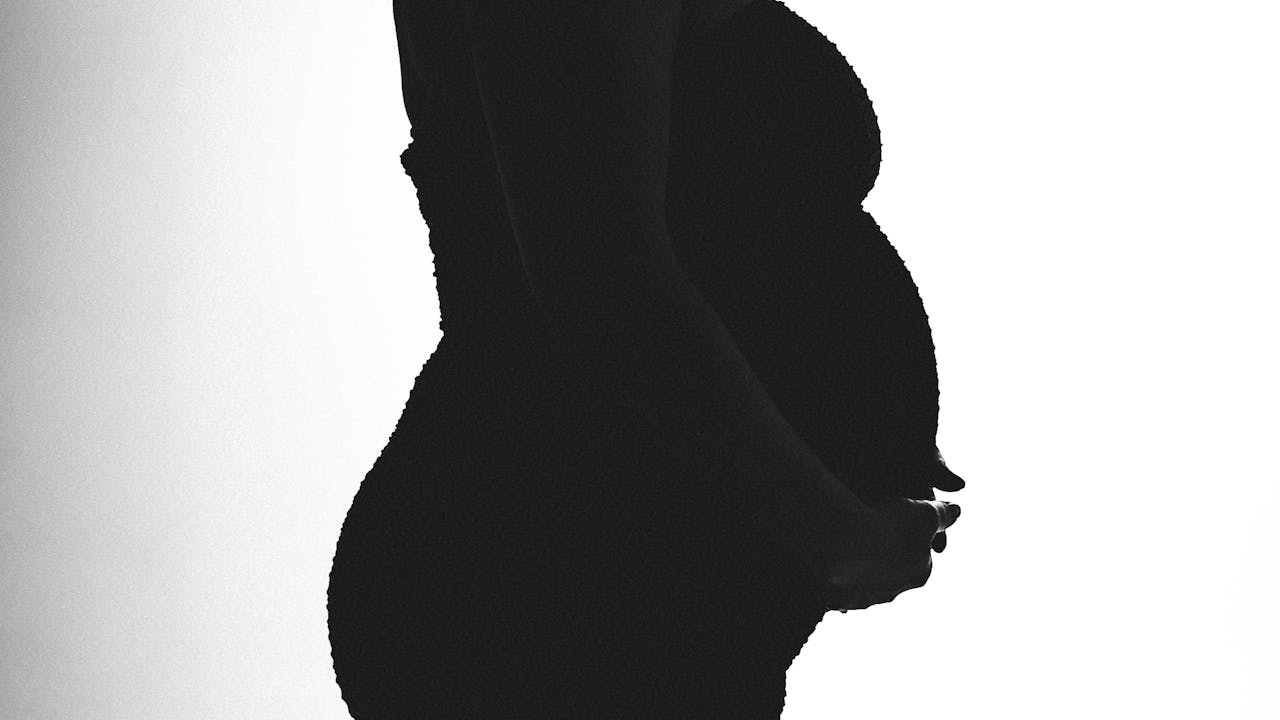
The silhouette pose, standing in front of a bright window or a sunset backlit sky, strips the image down to its essential visual truth. No color, no detail, just shape. The curve of a pregnant belly in silhouette is one of the most instantly recognizable forms in photography. It communicates the reality of pregnancy with complete economy. If you're working with a photographer who shoots near windows, this pose costs nothing to try and often produces the most emotionally simple and powerful image of the entire session.
The downward gaze, looking down at the bump with a soft and contemplative expression, creates a moment of intimacy that feels private even when it's photographed. It suggests thought, wonder, conversation already happening between mother and child. This is one of the poses that translates particularly well to fine art portrait styles because it has an interior quality. It's not performing for a camera. It's witnessing something.
Movement poses, walking slowly through a field, turning in place, a half-laugh with the hand still cradling the bump, introduce life and energy that static poses can't achieve. The goal isn't action shots. It's the between-frames quality, the moment slightly before or after the posed moment, where the subject looks genuinely alive. Many of the best maternity images come from a photographer capturing the subject during a transition rather than a hold.
Hands framing the bump deserve their own consideration. The gesture is universal and deeply human. Both hands, just one, fingertips barely touching, the partner's hands joined with yours, there are dozens of variations and all of them communicate the same thing: this is precious and protected. For self-portraits or solo portrait sessions, this gesture creates a natural sense of relationship even when you're alone in the frame. Senior portrait poses follow a similar logic where the body language communicates the person's story before a single word is read.
Couple and partner poses
Including your partner in the session transforms it from a document of your pregnancy into a document of your relationship becoming a family. These images tend to be the ones people look at together twenty years later. They're the ones that get printed large.
The face-to-face pose with both sets of hands on the bump is among the most intimate configurations in maternity photography. You're facing each other, creating a closed, private world in the frame, with the bump literally at the center of the composition. The emotional geometry of this pose says everything about the three-way relationship forming in real time. It's a strong candidate for a couple portrait conversion to a painted piece.
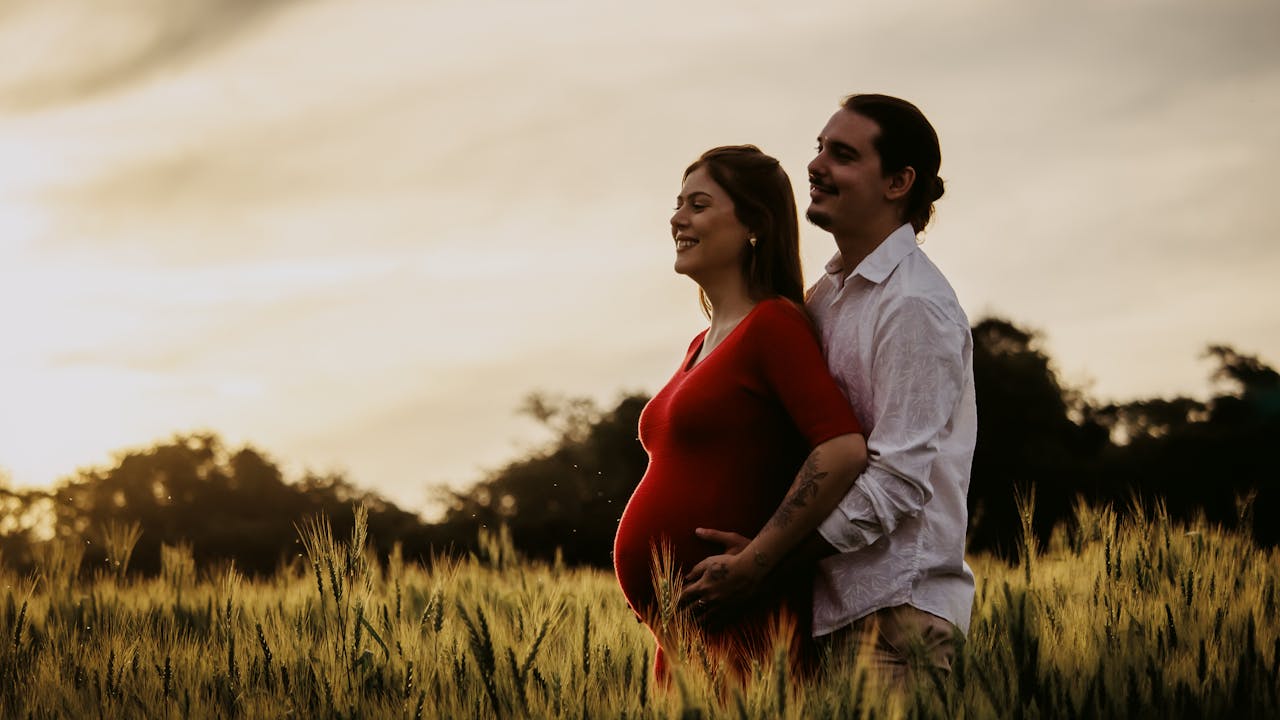
Having your partner stand behind you with arms wrapped around, hands meeting over the bump, creates a protective and loving visual dynamic. It's warm, immediate, and unambiguous in what it communicates. The foreground subject (you) becomes the focus while the partner creates depth and context. This pose works in almost any lighting condition and location, and it tends to be one that both partners feel genuinely comfortable with because there's no performance required. You're just holding each other.
Forehead-to-forehead poses, standing close, heads tilted in until they touch, create extreme intimacy within the frame. The world outside the two of you disappears. It's quiet and profound. Combined with eyes closed and hands joined over the bump, this is the kind of image that tends to make people tear up when they see it printed large on a wall.
The partner kissing the bump is one of those poses people feel silly attempting and then absolutely love when they see the result. There's genuine tenderness in the gesture that doesn't require any direction from a photographer. It happens naturally and the camera simply catches it. If you're building a the marriage portrait or anniversary gift portrait narrative through your portrait collection, this image belongs in that story.
Walking together, hands linked, bump leading the way forward, creates movement and optimism in the frame. It suggests direction, a couple moving toward something together. It doesn't require eye contact with the camera. Some of the most natural-looking couple images come from the subjects simply walking and talking while the photographer works alongside them.
Family poses with older children
If this isn't your first pregnancy, your older children are part of the story. Their presence transforms a maternity session into a document of the family expanding. The images you create here become the "before" photographs that your children will look back on when they're grown.
The sibling with ear to bump is one of the most emotionally resonant images in family photography. A three-year-old pressing their ear against a round belly, trying to hear or feel something, listening for their sibling, creates a visual that language struggles to describe. Children are completely unself-conscious about this gesture, which is what makes the resulting images feel so genuine. Guide the child gently and then step back and let it happen.
Kids placing hands on the bump, one small hand flat against the side, have a similar quality. The scale difference between a child's hand and a full-term belly creates a visual contrast that communicates the full scope of what's happening. You're adding to this family. This child is becoming a sibling. These images, more than almost any other kind, tell a complete story in a single frame.
Three-way embraces, where you and your partner each hold or include an older child while the bump occupies the center of the frame, can be physically awkward to arrange but photographically powerful when they work. The goal is contact. Everyone touching something. The family already operating as a unit even before the newest member has arrived. Family portraits with mixed-age children and a pregnancy bump represent some of the most compositionally rich material in portrait photography. Kids portraits within this context take on extra meaning because the age you're capturing will never return. And for visual inspiration on how these group configurations work across different contexts, pet family portraits follow the same compositional logic.
Including pets in maternity portraits
Pets are family. If you have a dog or cat who will become a sibling to your child, they belong in the session. Including them doesn't undermine the seriousness of the portraits. It adds a layer of truth about who your family actually is.
Managing a dog or cat at a session requires some preparation. For dogs, bring high-value treats and their favorite toy. Have a second person present whose only job is handling the animal between shots. Tire the dog out with a walk before the session so they're calmer on location. For cats, outdoor sessions are rarely practical. At-home or studio sessions work better for feline family members.
The images that come from well-managed pet inclusion tend to be among the most beloved from the whole session. A dog with its head resting against a pregnant belly. A cat curled nearby while you're posed in a window. A partner holding a dog in one arm while the other arm wraps around you. These images have warmth and personality that purely human portraits don't always achieve on their own.
After your session, the pet angle opens up another creative direction. Fable's pet portrait options, including dog portraits, cat portraits, personalized dog portraits, and custom dog portraits, let you create matching artwork for every member of the family. If you want a pet family portrait that includes your fur family alongside the baby portraits you're planning, animal portraits in the same artistic style create a cohesive collection for your walls.
What to wear for maternity portraits
Clothing choices carry enormous weight in maternity portraits because the bump is always going to be the visual subject. What you wear either supports that truth or competes with it. The best choices are the ones that frame the shape beautifully without distracting from it.
Long flowing dresses are the most classic choice, and they remain popular because they work. Chiffon and georgette move beautifully in outdoor light and wind. Lace adds texture and a sense of occasion without heaviness. Jersey and modal knits hug the bump in a way that emphasizes its shape without hiding it. For studio sessions with neutral or jewel-tone backdrops, a simple column dress in a complementary color is almost never a wrong answer.
When it comes to color, the current direction favors palettes that feel calm and enduring rather than trendy. Neutral tones like dusty ivory, warm beige, soft oat, and pale sand create images that look as beautiful in a decade as they do the day they're taken. They also photograph well in natural light, which tends to warm them slightly toward gold. Earth tones like warm terracotta, burned sienna, and soft sage are strong choices for outdoor sessions where the landscape provides its own color context.
For studio sessions, jewel tones produce images with genuine visual drama. Deep plum, rich forest green, sapphire blue, and warm burgundy all translate to fine art portrait styles with intensity and depth. If you're planning to convert an image to a painted portrait, jewel tones give the artist's palette more to work with.
Separates are underused in maternity sessions but worth considering. A well-fitted crop top paired with high-waisted skirt or trousers can look clean, modern, and deliberately untraditional. They can also make partial undress more comfortable if you want some bare-bump images without committing to a completely open look.
Partner coordination matters more than matching. The goal is visual harmony, not uniformity. If you're in a dusty rose gown, your partner in soft grey or cream creates coherence without looking costume-coordinated. Senior portrait outfits follow the same coordinating logic when multiple subjects share a frame. Avoid bold patterns, large logos, or anything that competes with the face and the bump as the two focal points of every image. And check out fall family portrait ideas for seasonal palette inspiration that applies equally well to maternity contexts.
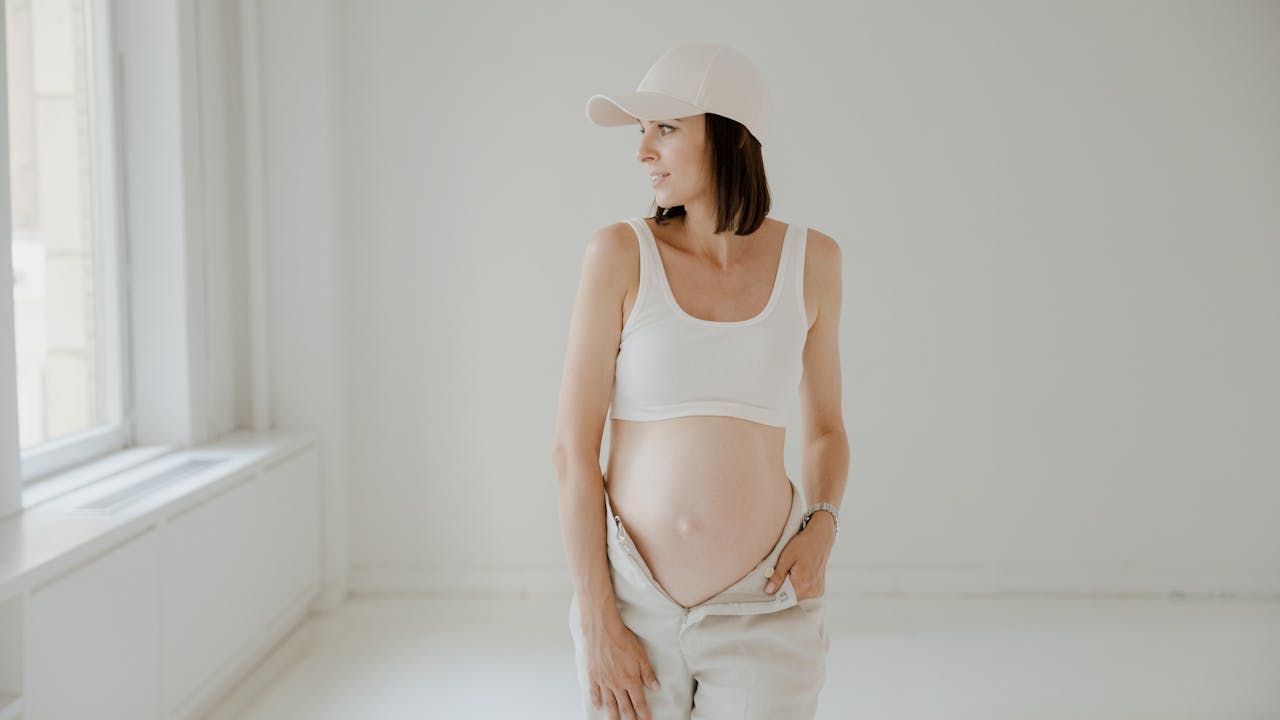
Maternity portrait props
Props can add meaning or they can add clutter. The difference is almost always whether the prop is genuinely connected to your story or whether you've borrowed it from someone else's.
Meaningful personal props earn their place in a frame. A hand-knitted blanket made by a grandmother. Baby shoes that were yours as an infant. A book you've been reading aloud to the bump. The first outfit you bought after you found out. Objects with a specific story attached to them become artifacts in the photograph. Decades later, when your child looks at these images, they'll ask about those objects and the story will get told again.
Ultrasound images, held against the bump or propped nearby, are used often enough that they've become expected. They still work, because they provide a direct visual link between the bump and the human inside. But they work best when the composition doesn't lean too heavily on them, when they're present without being the entire point.
Props to avoid are the ones that date the image or read as generic. Freestanding baby furniture positioned as props, oversized letter arrangements spelling out the baby's name, novelty signs, balloon arrangements, all of these create images that feel less like portraiture and more like announcement cards. They age quickly and they pull the focus away from what should be the subject: you, your relationship, your body, this moment.
Family portraits of all kinds follow this rule. The best images are the ones that need no explanation. The props, if any, whisper rather than shout.
Lighting fundamentals
Light is the invisible collaborator in every portrait session. It determines whether the images feel warm or cool, intimate or expansive, painterly or photographic. Understanding how to work with and request specific lighting conditions makes you a better-prepared client and produces better results.
Golden hour, the period roughly one hour after sunrise and one hour before sunset, produces light with qualities that are almost impossible to replicate artificially. It's directional, warm, and low-angled enough to wrap around curved forms with particular grace. A pregnant belly in golden light photographs with a dimensional, sculptural quality that mid-day overhead light can't match. If you have the flexibility to schedule your outdoor session around sunrise or sunset, take it. It makes a measurable difference.
For indoor sessions using natural window light, the principles are the same. Soft, directional light from a large window creates the same quality of shadow and highlight that outdoor golden light provides, at a smaller scale. Position yourself at roughly 45 degrees to the window, with the light source to the side rather than behind or directly in front, and you'll get the dimensional quality that separates beautiful portraits from flat ones.
Studio lighting allows more control but requires more expertise to use well. Continuous soft box lighting, positioned to create a main light and a fill with a ratio that emphasizes the bump's roundness, produces images with clarity and depth. A skilled studio photographer working with good light creates a source image that serves well as the basis for a painted portrait.
When briefing a photographer on what you want, it helps to think in terms of the end result. If you're planning to convert a maternity photo to a Fable portrait, tell the photographer. They can adjust lighting ratios, simplify the background, and make compositional choices that serve the translation better. Family portrait sessions intended for artistic conversion benefit from photographers who understand that they're creating source material, not just final images.
Creative portrait styles
Every maternity session tells a story. The style you shoot in determines which genre of story it is, and your choice should be conscious rather than accidental.
Fine art and painted portrait styles represent the highest expression of maternity portraiture. This approach treats the pregnant form with the same reverence as classical figurative painting. Compositions echo the structures found in museum portraits. Light is deliberate and dramatic. The subject is given genuine weight as the subject of art, not just the subject of a photograph. This is the approach that translates most naturally into a Fable painted portrait, because the photographic foundation is already thinking in painterly terms. If you're drawn to unique gifts for art lovers or have a home where fine art already lives on the walls, this is your style. It's the approach that creates something worthy of gifts for art lovers and art gifts for mom in the deepest sense.
Silhouette and shadow work creates images of spare, graphic power. Everything but the shape is removed from the equation. These images read as symbols as much as records. They're visually striking and work at any scale, from phone screens to large format prints. They're not warmly intimate in the same way as fully lit portraits, but they have a different kind of authority.
Black and white maternity portraits occupy a timeless register. Without color to process, the eye goes immediately to form, expression, and light quality. Wrinkles in fabric, the texture of skin, the line from shoulder to belly, all of these become more present in black and white. Couple portraits in black and white during pregnancy carry a classic quality that will look as appropriate in forty years as they do today.
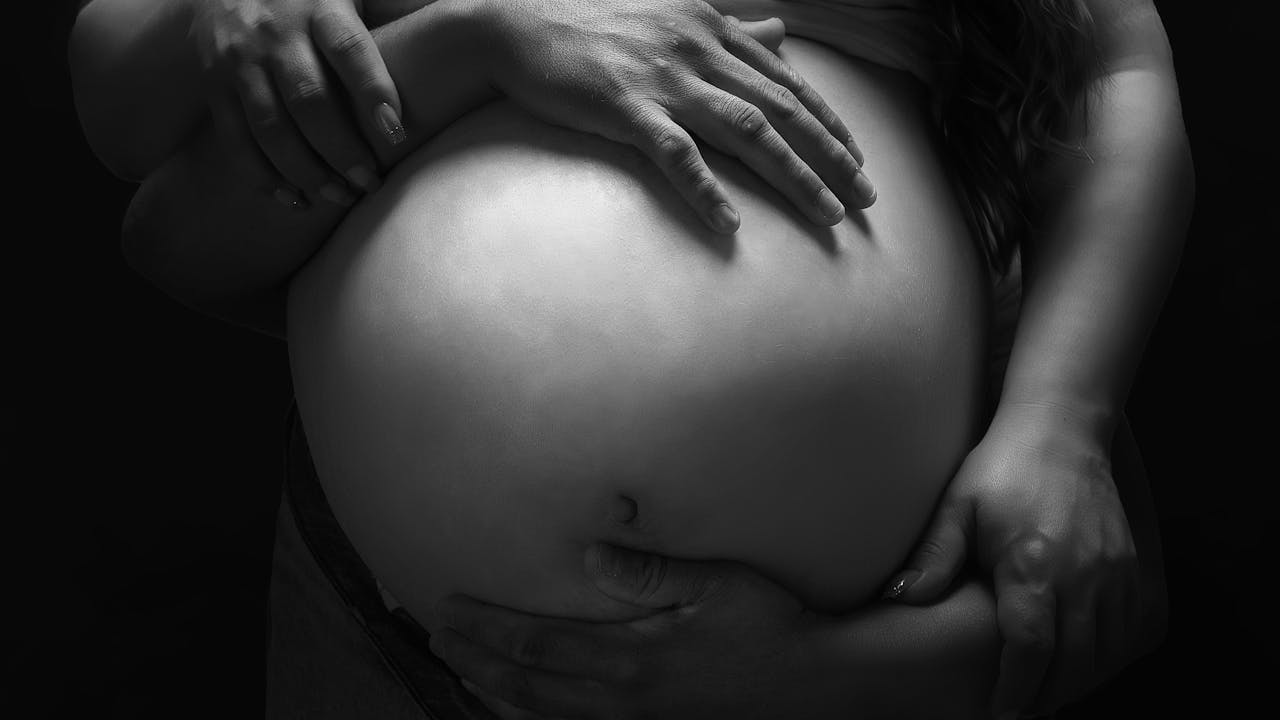
Documentary and lifestyle photography approaches prioritize the unposed over the staged. The goal is to capture what actually happened, not to direct what should happen. For some families, especially those who feel stiff in front of a camera, this approach produces more emotionally genuine images than any amount of careful posing would. Couple portraits and self-portraits shot in a documentary style have a different relationship with time than posed images. They look like something actually witnessed.
Maternity portraits as gifts
The best time to think about how your maternity portraits will be used as gifts is before the session, not after. Certain poses and compositions serve gift purposes better, and knowing your gifting intentions in advance helps you brief the photographer on what to prioritize.
The most searched gift context for maternity portraits is the push present, a gift from a partner to celebrate the birth and honor the pregnancy. A painted portrait commissioned from a maternity session photograph is one of the most meaningful push presents possible, because it converts a shared experience into a lasting object. Push present gift ideas cover the full range of options, but few carry the weight of a hand-painted portrait from the pregnancy itself.
Baby shower gifts are another natural use for maternity portrait artwork. A framed photograph, a commissioned portrait, or a custom print from the session makes a memorable baby shower gift that has meaning beyond the practical. Baby shower gift ideas run the gamut from practical to sentimental, but something created specifically from the family's own photographs occupies a category by itself.
The first Mother's Day deserves particular attention. A maternity portrait converted to painted artwork and gifted on the first Mother's Day is an act of genuine thoughtfulness, one that says: this chapter of your life was seen and honored. First Mother's Day gift ideas and art gifts for mom offer further inspiration, but a painted portrait from the pregnancy period stands above most alternatives.
For grandparents, maternity portraits carry a different but equally powerful meaning. A set of parents expecting a grandchild have enormous emotional investment in the pregnancy, and giving them an image, especially a beautiful one, is giving them something to hold while they wait. New dad-to-be gift ideas follow the same logic of honoring the people surrounding the pregnancy, not just the one carrying it.
Mother's Day gifts from kindergarteners and mother-in-law gift ideas extend the same thinking to the wider family. Birthday portrait gifts, anniversary gift portraits, wedding gift art, and Christmas art gifts all represent occasions where a portrait of this particular period, the pregnancy, the family before it expanded, makes perfect sense as a gift with lasting meaning.
How to choose a maternity photographer
Not all photographers shoot maternity work well. The skills that make someone an excellent wedding photographer or family portrait photographer overlap with maternity but don't map directly. Maternity photography requires particular fluency with the female form, with lighting for a specific kind of subject, and with the emotional register of what is, for many families, one of the most charged periods of their lives.
Start with their portfolio. Not just a curated highlights reel but a deep look at full galleries from multiple clients. You want to see consistency across different clients' body types, different lighting conditions, and different locations. A photographer who produces consistently beautiful work across varied circumstances is technically sound. One whose best work is scattered and inconsistent may have gotten lucky a few times.
Client reviews tell you things a portfolio can't. How was the experience? Did the photographer make people feel comfortable? Were they organized and communicative? Did the final images match expectations? Look for reviews that speak to the experience itself, not just the results, because for maternity sessions the experience matters enormously. A session where you felt seen and cared for produces different images than one where you felt rushed or self-conscious.
When you're interviewing photographers, ask direct questions about process. How do they approach lighting for maternity work? What's their approach to posing? Do they have experience directing partners and older children? And if you're planning to use the images as source material for a Fable painted portrait, tell them. Ask whether they have experience briefing for fine art output. The answer will tell you a lot about their technical range.
Check pricing against your budget, but don't let cost be the primary driver. A mediocre session at a low price is a worse outcome than a beautiful session at a higher one. You can always print more copies. You can't reshoot at 32 weeks. Family portrait investments of any kind follow the same logic.
Planning checklist
Good maternity sessions don't happen by accident. They happen because someone made decisions in advance and communicated them clearly. The planning process itself is not complicated, but it requires intention and lead time.
Book your photographer 8 to 10 weeks before your target session date. Confirm your preferred weeks based on your due date, whether that's the 28-to-30-week window, the 32-to-34-week sweet spot, or the earlier 24-to-28 range for multiples. Most good photographers will recommend a backup date in case of illness, weather, or scheduling conflict. Build that backup into the plan.
Scout your location before the session day. If you're shooting outdoors, visit at the time of day you've scheduled to see how the light actually falls. Check for access issues, parking constraints, and background elements you haven't noticed in reference photos. For studio sessions, review the photographer's space photographs to understand the scale and the backdrop options available.
Outfit preparation means more than choosing a dress. Steam or gently press whatever you're wearing. Try everything on in the week before the session, not the morning of. Shoes matter more than you'd think because footwear affects posture, and posture affects how every single image looks. Bring a second outfit option if you have one. Some sessions benefit from a wardrobe change, and having the choice is always better than not.
Communicate everything to your photographer in advance. Mention any physical limitations, any discomfort you anticipate with certain poses, any props or elements you want included. Talk about the final use: prints, walls, painted portrait conversion. Tell them how you want to feel in the images, not just how you want to look. That instruction is the most useful one they'll receive.
The week of the session, drink more water than usual. Rest when you can. Arrive hydrated and not in a hurry. Give yourself time before the session starts to arrive, breathe, and get comfortable with the space and the photographer. The images from a relaxed subject look completely different from those shot under stress. For all the same reasons that apply to any family portrait or how it works process, your comfort is not incidental to the result. It is the result.
Frequently asked questions
When is the best time for a maternity photo session?
Most photographers recommend 28 to 34 weeks for first pregnancies, with 32 to 34 weeks being the sweet spot where the bump is fully visible and most people still feel comfortable enough to hold poses and move freely. For subsequent pregnancies, 28 to 30 weeks usually works better because the body shows earlier. For multiples, book your session at 24 to 28 weeks. The bump is ready and the later weeks with twins or triplets tend to be physically more demanding.
What should I wear for maternity portraits?
Long flowing dresses in chiffon, lace, or jersey are the most reliable choice. Colors that photograph consistently well include dusty ivory, warm neutrals, earth tones, and jewel tones for studio sessions. Avoid bold patterns and large logos. Your partner should coordinate rather than match, choosing complementary neutrals that keep the visual focus on you and the bump.
Should I include my partner in the maternity session?
Yes, if your partner is part of the family this portrait is representing. Partner inclusion transforms the session from a document of your pregnancy into a document of your relationship becoming a family. Some of the most powerful maternity images are couple images. Build time for both solo and partner poses in your session planning.
Can I bring older children or pets?
Both are worth including and both require some preparation. For older children, bring snacks, their favorite toy, and manage expectations about how long they'll need to hold still (they don't, really). For pets, bring treats, a handler whose only job is managing the animal between shots, and tire your dog out before the session with a walk. The images that result from well-managed pet and sibling inclusion are often the most emotionally resonant of the whole session.
How long does a maternity photo session take?
Most sessions run 1 to 2 hours. A session that includes solo poses, couple poses, siblings, and pets will need the longer end of that range. Studio sessions tend to run slightly shorter because there are no location or light changes to manage. Book for the full two hours even if you end up not needing it. The best images often come in the second hour when everyone, including you, has relaxed.
How do I turn my maternity photos into lasting art?
The most meaningful option is a painted portrait from Fable. You submit the image from your session and Fable's artists transform it into a hand-crafted fine art piece in your chosen style, from classical to Renaissance to royal. The result hangs on your wall as an artifact of this specific chapter rather than a file on a hard drive. The process is straightforward and you can see available styles and pricing before you commit.
What makes a maternity portrait a good gift?
A maternity portrait becomes a great gift when it's specific, personal, and lasting. A beautifully executed print or painted portrait from the session period makes an exceptional push present, a meaningful baby shower gift, and a genuinely memorable art gift for mom. The reason it works as a gift is the same reason it works at all: it takes something fleeting and makes it permanent.
How much do maternity portrait sessions cost?
Maternity photography pricing varies widely based on location, photographer experience, what's included, and whether you're purchasing digital files, prints, or both. Entry-level sessions in most markets start around $200 to $400 for digital files only. Experienced photographers with strong portfolios typically charge $500 to $1,500 or more. Full-service packages including prints, albums, and an extended session can reach $2,000 or higher. Research photographers by reviewing both their portfolio and their full pricing structure before booking.
Related guides
- Fall family portrait ideas
- Push present gift ideas
- Baby shower gift ideas
- Art gifts for mom
- Family portraits
Sources
The bump is temporary. What you do with it is up to you.
Plan your session with intention. Shoot with the end in mind. And when the images come back and one stops you cold, when the light is exactly right and the feeling is unmistakably real, turn it into something permanent.
Commission a Fable portrait from your maternity session and give this moment the permanence it deserves.