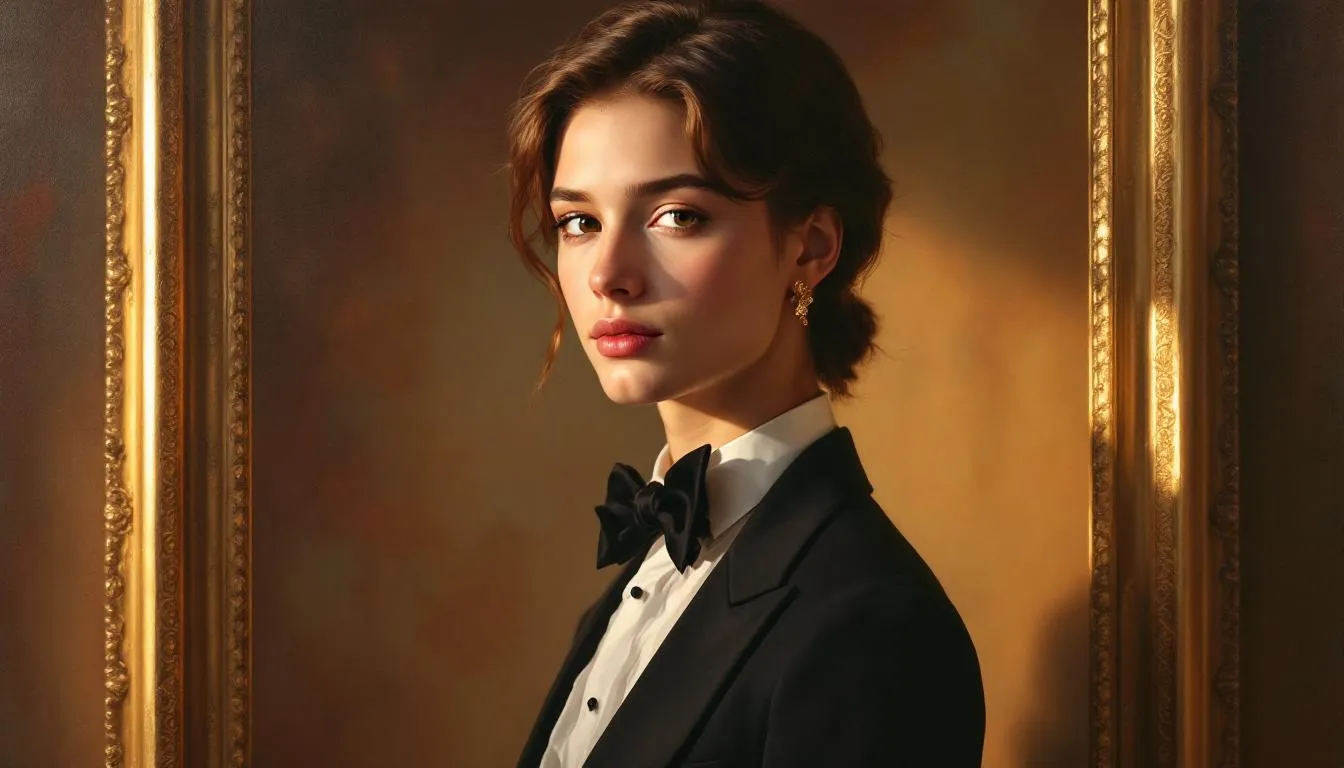
Senior portrait poses: the complete guide
Senior year comes once. You know that already. What you might not know is that the poses you choose for your senior portraits will define how you remember this moment for the rest of your life. A stiff, awkward photo fades into a drawer. A natural, expressive portrait gets framed, shared, and looked at for decades.
This guide covers everything. Standing poses. Sitting poses. Poses for guys and for girls. Creative outdoor ideas. What to wear, how to stay relaxed, and what to do with your photos once you have them. Whether you're planning your own session or prepping someone you love for theirs, you'll walk away with a clear picture of what makes senior portraits actually good.
And here's something worth thinking about before we start. Once you find that one perfect shot from your session, the image where everything clicks, the expression, the light, the moment, the best thing you can do with it is turn it into something that lasts. Fable transforms senior portraits into custom painted masterpieces, classical oil painting-style portraits that hang on walls for generations. It's the kind of graduation gift art that turns a photograph into a family heirloom. Parents love it. Grandparents keep it forever. Check out Fable's family portraits and birthday portrait gifts for ideas on how to make the most of your senior session. But first, let's get you the photos worth turning into art.
Why poses matter more than you think
Most seniors walk into a photo session without a plan. They've seen other people's senior portraits online, they have a vague idea of what looks good, and they're hoping the photographer just handles it. Sometimes that works. More often, it doesn't.
The pose is the difference between a portrait that says "I was there" and one that says "this is me." Posture shapes perception. A slight angle changes the whole mood. Where your hands go tells a story. The tilt of your chin determines whether you look confident or caught off guard.
Photographers who work with high school seniors know this well. They'll guide you, but walking in with some pose knowledge makes the session faster, more comfortable, and more productive. You'll know what feels right. You'll recognize a pose that isn't working. You can ask for specific looks instead of relying entirely on direction.
The good news: senior portrait poses aren't complicated. Most of them build on a few simple principles, and once you understand those principles, you can adapt them endlessly. The self-portraits gallery at Fable is a great place to see how professionals translate these principles into art, whether you're shooting traditional photography or thinking about something more painterly.
The foundation: body angles and weight
Before we get into specific poses, there are two things that make every pose better.
Weight distribution is the first. When you stand with your weight evenly on both feet, you look stiff. It's how people stand when they're uncomfortable. Shift your weight to one leg, even slightly, and everything loosens up. The hip drops a little. The shoulder follows. The whole body relaxes. That's what the camera picks up.
Body angles are the second. Facing the camera straight-on is rarely the most flattering angle. Turning your body 30 to 45 degrees to the side, then turning your face toward the lens, creates dimension. It slims the frame. It gives the eye a place to travel. Most professional senior portrait poses use some version of this principle, even when the pose itself looks casual and straight-on.
Keep both things in mind for every pose in this guide. The principles work for family portrait sessions, couple portraits, and kids portraits too. Good posing fundamentals don't change by subject.
Classic standing poses that never get old
Standing poses are the backbone of senior portrait sessions. They're versatile. They work with almost any background. And when done right, they feel completely natural.
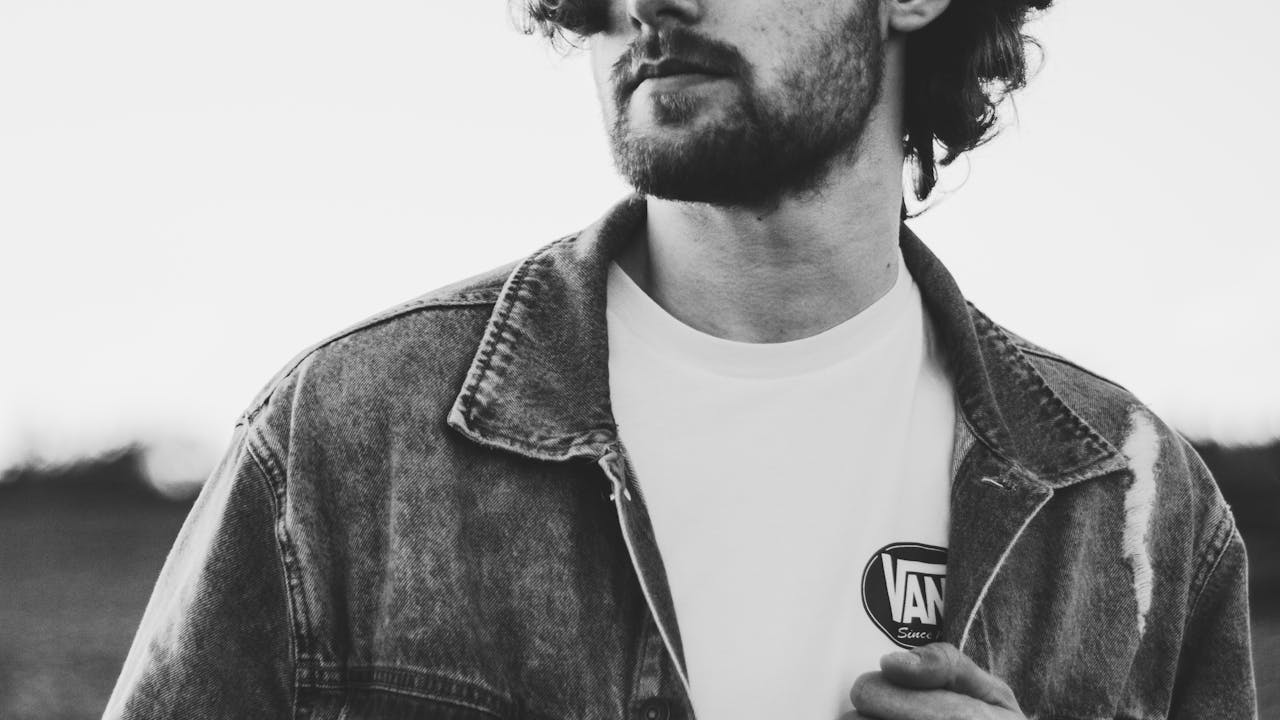
The classic lean. Find a wall, a fence, a tree, or a doorframe. Lean your shoulder or upper back against it with your weight on the support, one foot slightly crossed in front of the other. Hands can go in pockets, hang loose, or hold a small prop. This is one of the most commonly used senior portrait poses for a reason: it looks effortless, gives your hands something to do, and the slight lean creates visual interest. It works for guys. It works for girls. It works in studios and outdoors. It's hard to get wrong.
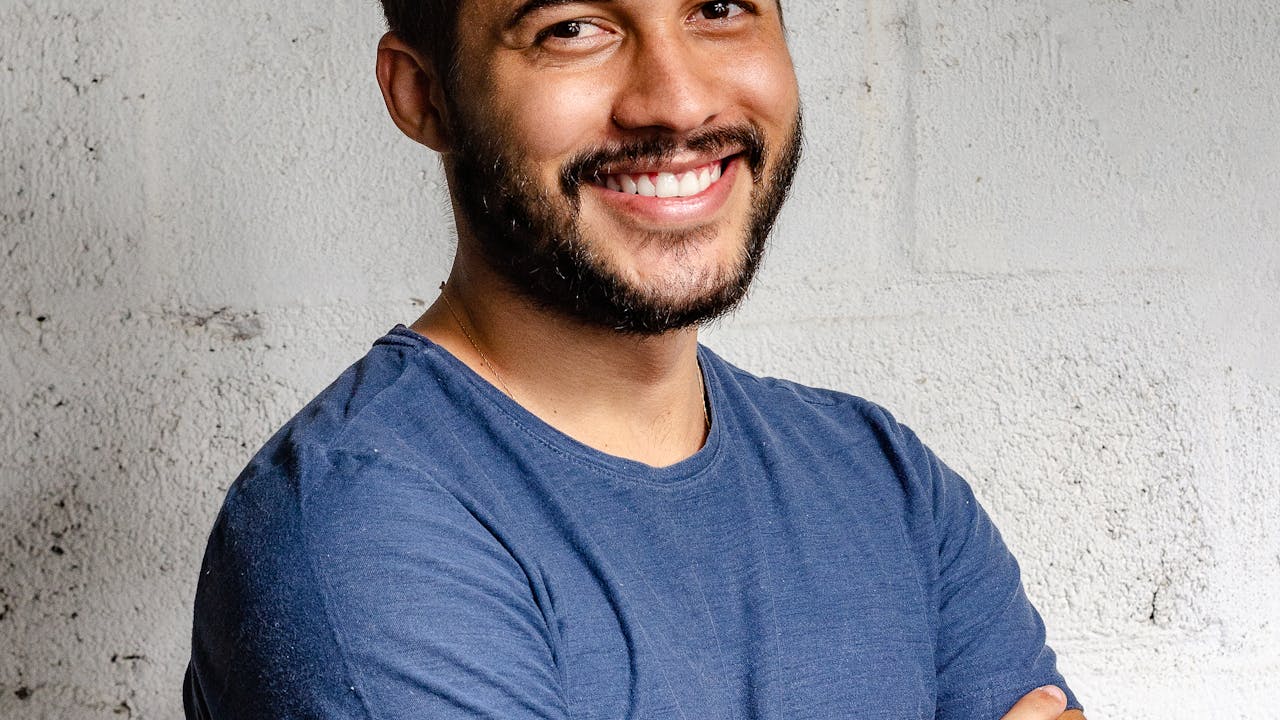
The crossed-arms stance. Arms crossed conveys confidence. Not defensiveness, as some people think, but genuine quiet confidence. The key is keeping the crossing relaxed, not tight. If your arms are locked against your chest, you'll look guarded. Fold loosely, tilt your chin slightly up, and the result is authority without attitude. This pose photographs especially well against a darker or neutral background, and it works beautifully in both couple portraits and solo senior sessions alike.
The hands-in-pockets look. Simple. Timeless. Photogenic. The trick is what you do with your hands once they're in. Fully buried hands disappear, which can look a little stiff. Hook your thumbs in your front pockets and let your fingers drape outside. Or put one hand in fully and leave one resting at your hip. Either way, you've solved the "what do I do with my hands" problem without overthinking it. This standing pose pairs well with almost any location and reads as effortlessly cool in the final image.
The walk toward me. This isn't a static pose, it's movement captured. Your photographer asks you to walk toward them naturally, and they catch the frames as you move. The result often looks more alive than any posed portrait because it is. Your arms swing, your weight shifts, your expression changes. Among all senior portrait poses, this one consistently produces shots that don't look posed at all. It's worth trying in every session, whether you're shooting solo or as part of a family portrait session that includes your senior year moment.
The full-body straight shot. Sometimes you just want a clean, confident portrait with nothing complicated going on. Stand tall, weight slightly on one foot, arms relaxed at your sides or with one hand touching your belt or waistband, eyes direct to the lens. It takes some people several tries to make this look natural instead of frozen, but when it works, it's striking. The key is keeping your jaw slightly forward and down to define the jawline in the camera's frame. When combined with a strong outfit and a meaningful location, this straightforward pose can produce some of the most timeless results in a senior portrait portfolio.
The chin-down thoughtful look. Slightly more editorial, this pose has the subject tilting their chin toward their chest and either looking up at the camera from under their brows or looking slightly off to the side. It creates a moody, introspective quality. Pair with dramatic natural light or a dark background for maximum impact. Artists, musicians, and readers who want something that feels more like a book cover than a yearbook photo tend to gravitate toward this look in their self-portraits and senior sessions.
Sitting and ground poses
Sitting portraits photograph beautifully. They change the dynamic from formal to relaxed. They're often where the best candid expressions come from, because sitting down makes people feel less "on." The photographer has more angles to work from. You have more ways to position your hands and legs.
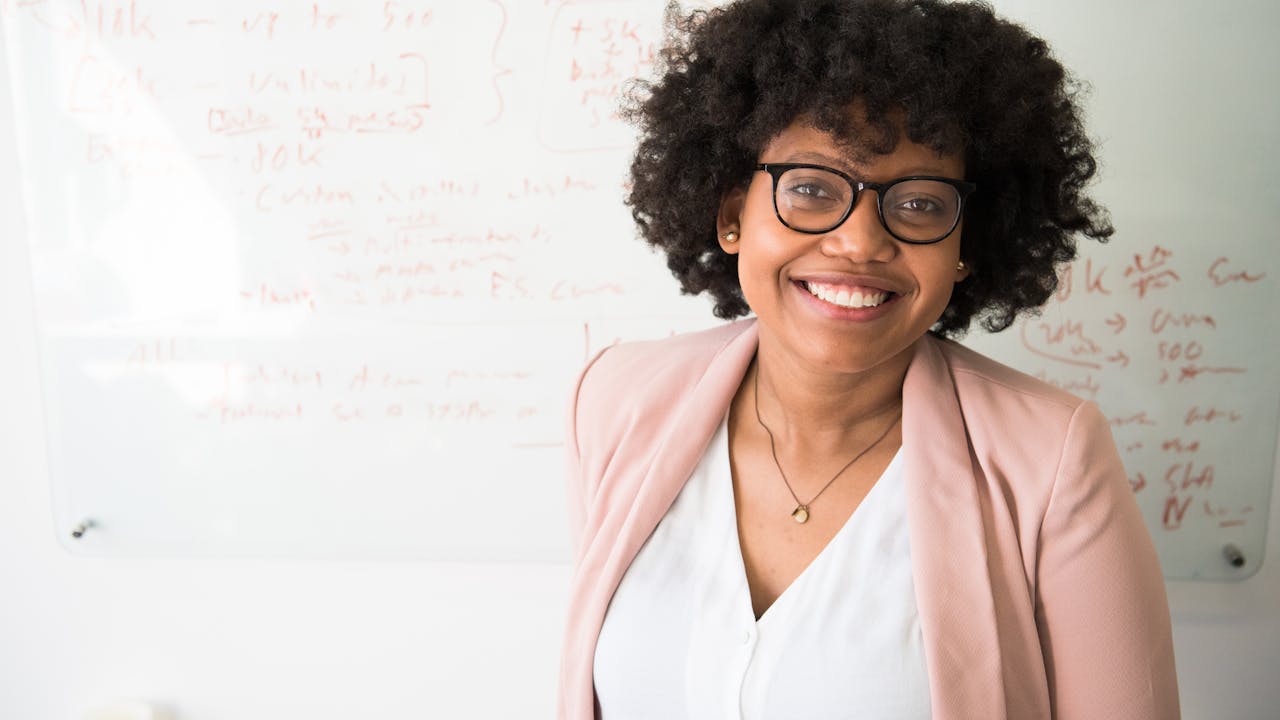
Elbows on knees. Sit on a staircase, a stone wall, a bench, or even the ground. Rest your elbows on your thighs and let your hands hang loose or fold together. Lean forward slightly. This creates a natural, engaged posture that photographs from slightly above, which is a flattering angle for most people. Your jaw lifts naturally, your eyes are bright, and the overall effect is relaxed and real. This is one of the most universally flattering senior portrait poses and it works for virtually everyone.
The sitting lean. Similar to the standing lean, but you're seated. Your back rests against a wall, a tree trunk, or a fence post. One knee can be up, one leg extended. Arms rest wherever feels natural on your legs or the ground beside you. This works especially well for outdoor sessions because the ground becomes part of the scene. Combined with seasonal color, this pose and its natural casualness is what turns a good senior portrait into something you'd consider turning into anniversary portrait art years later.
The step-down sit. If you have stairs, use them creatively. Sit on one step with your feet on the step below, staggering your legs so they're not parallel. Rest your elbows on your knees. This natural asymmetry breaks up the frame and adds a sense of casual ease. It's one of the most-used senior portrait poses because stairs exist everywhere and they always give you good material to work with. Stone steps outside a library or school building carry a specific character that fits well with the senior year theme.
The backward chair sit. Inside or in a studio setting, sitting backward on a chair with your arms resting on the chair back gives you natural hand placement and casual, confident energy. It's been a senior portrait staple for decades because it works. It's the opposite of stiff. Comfortable, open, and confident, it photographs well from nearly every angle. If you're considering family portraits that include a formal studio element, this chair variation can bridge the casual-to-formal range beautifully.
The ground sit, legs to the side. Sitting on the ground with your legs swept to one side and your weight on one hand or both hands behind you is a relaxed, casual pose that works well for outdoor settings with tall grass, leaves, or a clean concrete backdrop. It photographs from above at a slight angle and creates a laid-back, natural mood. Dress rehearsal tip: try this pose in your session outfit before the day to make sure the fabric works with this position.
Senior portrait poses for guys
Guys often feel more awkward during senior portrait sessions than girls, simply because posing isn't something they've typically practiced. The solution isn't more complicated poses. It's understanding which simple poses photograph best for male subjects and what small adjustments make them work.
The elbow lean. This is one of the most natural-looking senior portrait poses for guys and one of the most effective. Find a fence railing, a car hood, a boulder, or a windowsill at roughly chest height. Rest one elbow on the surface, shift your weight to that side, and cross one foot in front of the other. Your free hand goes in your pocket or hangs naturally. This creates a relaxed, confident look that doesn't feel staged. The photographer can shoot from multiple angles and get consistently good results. It's also a pose that translates naturally to larger group contexts in family portraits where the senior stands alongside parents or siblings.
Arms crossed with a slight lean. Guys who want to project confidence without looking stiff can try this: lean your back lightly against a wall or tree, cross your arms loosely, and angle your body about 30 degrees from the lens. This reads as self-assured and natural, especially if the expression is calm rather than forced. The crossed-arm lean works well in urban environments and with darker, more formal outfits. It's also a reliable fallback when other poses aren't clicking.
The casual sit with spread legs. Sitting with legs apart at roughly shoulder width, elbows resting on thighs, is a naturally masculine resting position. When a photographer catches you here with genuine expression, it doesn't look posed because it genuinely isn't. Men naturally sit this way. Lean forward slightly for the best framing. This is one of the most authentic senior portrait poses for guys because it requires zero effort to look natural, which is exactly the point.
Props tied to identity. This is where senior portraits for guys often get most interesting. Bring your football helmet. Your guitar. Your basketball. Your chess set. An activity prop gives your hands something natural to do, creates a story in the image, and shifts the mood from "photo session" to "this is who I am." Action shots with those props, throwing, playing, in-motion, often produce the most memorable images from the entire session. Athletes in particular should plan at least one round of sport-specific poses. Pair art gifts for teens with these active portraits for a compelling graduation-period gift story.
The jacket hold. If you're wearing a blazer, suit jacket, or hoodie, grab one side of the open front near chest height. The hand has something to do, the jacket hangs naturally, and the overall effect is thoughtful and put-together without looking stiff. This is a strong pose for more formal senior portrait sessions, or when you want a single image that reads professional enough for a graduation announcement or wedding-adjacent gift art context later.
Walking away and looking back. Ask your photographer to have you walk away from the camera, then call your name right before they shoot. You look back over your shoulder. The result captures something most posed portraits miss: genuine surprise, genuine expression, genuine personality. This is consistently one of the poses that produces the most authentic images in any senior portrait session.
Senior portrait poses for girls
Senior portrait sessions for girls tend to be more flexible in terms of what's expected, but that doesn't mean they're easier to nail. The same principles apply: natural weight distribution, varied angles, genuine expression. What differs is the range of poses typically used.
The turn-and-look. Stand with your body angled away from the camera, then look back over your shoulder toward the lens. This creates a strong, feminine silhouette. The slight turn of the neck shows your jawline. The body angle adds dimension. Pair this with soft expression or a genuine laugh and it's one of the most versatile senior portrait poses available. It works with dresses, casual denim, athletic wear, and formal looks equally well.
The hands-on-hips variation. One hand on hip, one hand hanging, weight shifted to one foot. Or both hands on hips for a bolder stance. The hands-on-hips placement brings the elbows away from the body, slimming the silhouette and creating a confident, defined shape in the frame. Small but important tip: rest your hands softly on your hips rather than pressing them hard against your sides. The soft placement photographs significantly better.
Walking with motion. Movement portraits work especially well in dresses or skirts where the fabric moves. Ask your photographer to catch you mid-stride, or to photograph you tossing your hair or laughing mid-movement. These candid action frames feel alive in a way that static poses often don't. The natural asymmetry of a walking portrait, weight shifting, arms swinging, creates visual interest that no static pose can replicate. This is the principle behind why the best portrait photographs often capture the in-between moments.
Sitting on the ground with flowers. If you're shooting outdoors in a field, a park, or near a garden, sitting in tall grass or flowers with loose hair and a soft expression creates a soft, organic portrait that feels timeless. The environment becomes part of the composition. Your hands can play with a flower or rest naturally in your lap. This tends to be one of the most pinned and saved senior portrait poses on social media because the visual softness resonates widely, but in person and in print it's even more striking.
The leaning wall portrait. Lean your back against a textured wall, brick, wood, concrete, whatever the location offers. One foot flat on the wall behind you, knee bent. Arms relaxed at your sides or with one hand touching the wall. This creates a casual, urban look that pairs well with a fashion-forward outfit. It's especially strong in downtown locations and produces some of the most architectural senior portrait images available without any complicated posing.
The close-up crop. Some of the best senior portraits are not full-body or even half-body images. They're close crops: face, neck, and a hint of shoulder. The entire pose is in your expression, the turn of your head, the direction of your gaze. Practice different eye directions: looking straight at the lens, looking just past it to one side, looking down, looking up slightly. Each creates a different mood. These close-crop portraits, when the expression is right, are the ones families most often choose for portrait gifts and wall art.
Outdoor senior portrait poses and location ideas
The location shapes the poses. A beach session calls for different movement than a downtown alley. A forest setting invites different natural poses than an open field. Here's how to think about each environment and adapt your posing accordingly.
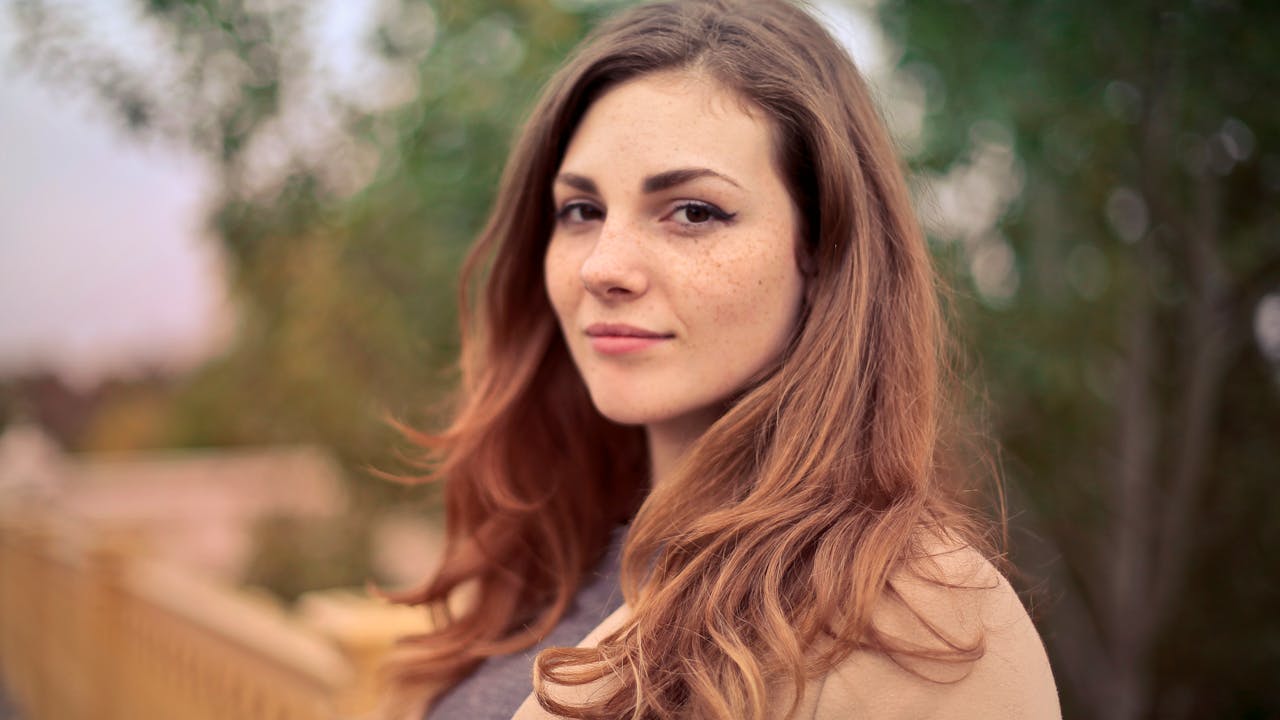
Urban environments. Brick walls, painted murals, alleyways, and city streets create bold, graphic backgrounds. Standing poses work well here: lean against a wall, sit on a curb or step, stand in an empty street looking toward the camera. The texture and color of the environment add contrast and mood without any extra effort. Downtown locations also photograph well in overcast light, which eliminates harsh shadows and creates an even, flattering tone across the skin. If you're in a college-town environment and want something that feels both sophisticated and youthful, urban settings deliver it consistently.
Forests and wooded areas. Trees create natural framing. Walk between them. Lean against them. Sit at their roots. A forest setting softens everything: the light filters through leaves, the background has organic depth, and the overall tone is warm and nostalgic. Natural, unstaged poses work best here because the environment is already doing visual work. This is a particularly strong context for senior portraits that will later become art gifts for mom or art gifts for teachers as graduation presents.
Open fields and meadows. Fields invite big, expressive movement. Run. Spin. Lie down in the grass. Toss something in the air. Overhead shots work well here too: lay in the grass looking up at the sky, hands spread, completely at ease. Open fields also give photographers long lines of vision for wide environmental portraits that capture scale and place the senior in a setting that feels cinematic. If you're planning a family group shot alongside the solo portraits, fields work particularly well for family portraits too.
Water: beaches, lakes, and rivers. Water backgrounds create a sense of calm and openness. Beach sessions lend themselves to casual, barefoot, movement-based poses. Walk along the shoreline. Sit on a rock at the water's edge. Stand facing the horizon. These feel less formal than studio portraits and capture a different dimension of personality. Water-based sessions tend to produce images with a very specific warmth and freedom that sets them apart from all other senior portrait environments. Check xmas portrait ideas if you're thinking about contrasting winter water sessions with snow.
Seasonal considerations. Fall foliage backgrounds, snowy winter scenes, spring blooms, summer sunsets: each season offers specific visual gifts. Match your outfit colors to the environment. Deep greens, burgundies, and mustards work against fall leaves. Soft whites and pastels pop in spring. Sage and ivory glow in summer golden hour. The season isn't just a backdrop; it's part of the story you're telling with your senior portraits. This seasonal framing is part of what makes family portrait planning around senior year particularly special.
Creative senior portrait poses and ideas
Beyond the classics, there's real room for personality in senior portrait sessions. These are the poses and concepts that photographers and subjects remember long after the session.
The hobby portrait. Your senior portraits should capture who you are at this moment in time, not just what you look like. Bring the instrument you've played since sixth grade. Bring the book series that got you through high school. Wear the jersey. Sit at the piano. Hold the camera. These images have context and character that generic poses never have. The activity provides natural poses without any effort because you already know how to hold those things. See also: gift ideas for photographers for how this photography identity can extend into graduation-season gifting.
The candid laugh. You can't fake a real laugh, but you can invite one. Good photographers know this. They'll say something unexpected. They'll tell you to think about something genuinely funny. And in the moment when you crack, when the laugh is real, they shoot. These frames are consistently among the best from any senior portrait session. They're also among the hardest to manufacture if you're self-conscious, so the preparation tip is simple: don't try. Let it happen. Your photographer will know when to press the shutter.
The silhouette. At golden hour, with the sun at your back, stand between the photographer and the horizon and you have a silhouette portrait. Your shape defines the image. This works especially well if you have a distinct prop, a graduation cap, a musical instrument, a sports item, or just clean lines in your outfit. Silhouette shots are technically simple to set up but visually striking in final prints. When turned into portrait wall art through Fable's portrait-to-painting process, silhouettes take on an almost iconic quality.
Double exposure and motion blur. More experimental photographers can capture intentional motion blur as you move across the frame, creating in-camera effects that produce images genuinely one of a kind. These aren't for every session, but if you have a creative photographer and a specific vision, motion-based creative poses can produce something far outside the normal senior portrait range.
The reflection shot. Puddles, mirrors, car windows, bodies of water: any reflective surface creates a second portrait within a portrait. Stand near the reflective element and let the photographer find the angle where both you and your reflection are in frame. This technique adds artistic depth without requiring any unusual pose on your part. The final image has a quality that's somewhere between photography and the kind of self-portraits you'd see in a gallery.
The unexpected location. Rooftops. Empty theaters. Factory spaces with industrial backdrops. Parking garages with graphic lines. The location itself becomes a statement about identity. If you feel strongly about a specific place that means something to you, suggest it to your photographer. Sessions with personal location meaning tend to produce more authentic results than sessions at generic portrait parks.
What to wear for senior portraits
The pose only works if the outfit works. Clothes that fit poorly, photograph badly, or clash with the location undermine even the best senior portrait poses. Here's what to know.
Solid colors photograph cleanly. Patterns, especially small or tight patterns, can create visual noise in photographs. A solid navy blazer, a clean cream blouse, a deep hunter green dress: these let the light and the pose do the work. That said, a single bold pattern worn with intentionality can look striking; the key is that it's a deliberate choice, not an afterthought. Pair your outfit decisions with your portrait planning for a coherent session vision.
Colors that work on camera. Dusty rose. Burnt orange. Sage green. Deep burgundy. Warm mustard. Navy. Ivory. These shades hold up well in natural light and translate beautifully to print, including when images are later used for portrait art gifts and wall pieces. Neon colors can wash out or overpower skin tone in certain lighting conditions. Pure white can blow out in bright outdoor sun. Neither is absolutely off-limits, but both require more careful lighting consideration from your photographer.
Bring two to three outfits. A casual look and a dressier look give you variety in the final gallery. Variety also helps if one outfit works better in a particular location or light condition. Don't overthink the transition between outfits; a simple change that takes five minutes expands your usable gallery significantly. When you later choose a favorite for a custom portrait gift, having multiple outfit options means multiple possible art pieces.
Fit matters above style. A moderately stylish outfit that fits perfectly photographs better than a trendy one that doesn't. Senior portrait photographers consistently report that the biggest outfit mistakes are things that don't fit: shirts that pull across the shoulders, pants that bunch at the knees, dresses that gap at the back. Try on everything you plan to wear beforehand and check it in a mirror from all angles. Even better: take a few test photos with your phone to see how the outfit photographs before the session.
Shoes and accessories. They show up in full-body senior portrait poses and matter more than people expect. Clean shoes matched to the outfit's formality level. Jewelry that photographs without overwhelming. A watch if it's part of your personal style. Small choices that add up to a coherent image.
How to look natural in front of the camera
This is the question most seniors actually want answered: how do I not look awkward?
The honest answer is that feeling awkward in front of a camera is normal. Almost everyone does it, including people who look completely natural in their photos. The difference between looking natural and looking stiff comes down to a few practical things.
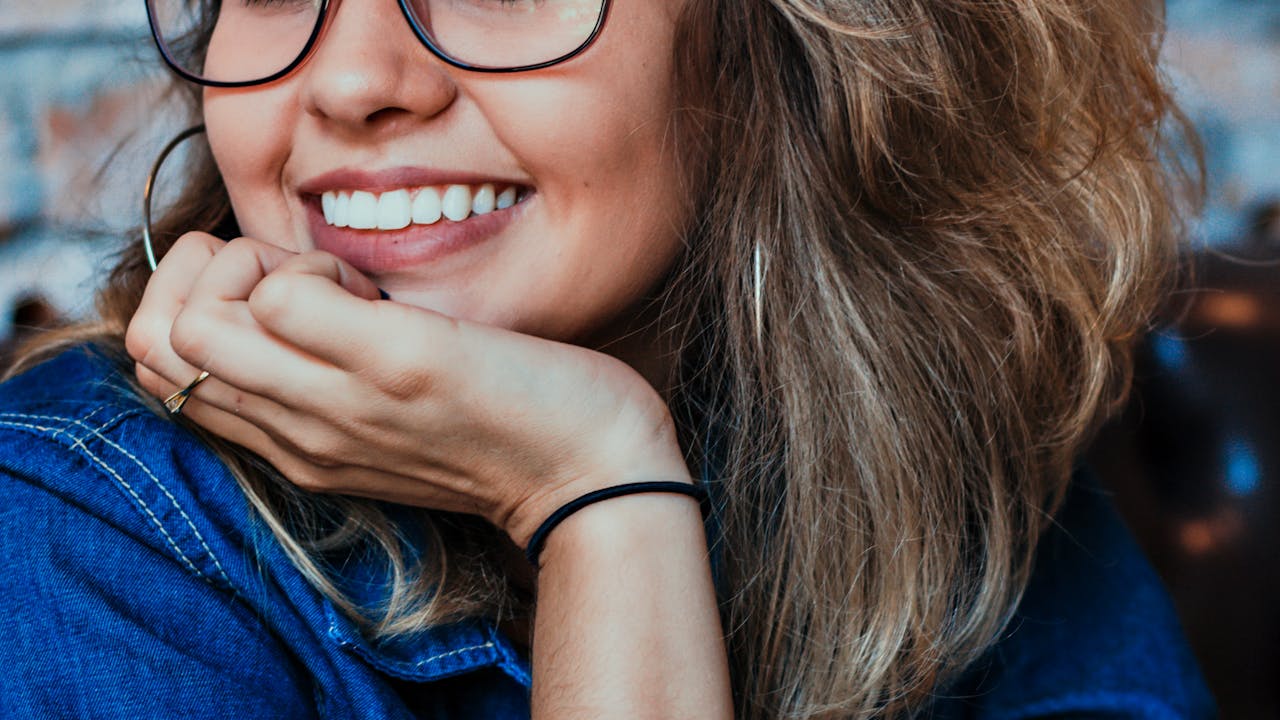
Give yourself a warm-up period. Don't expect the first few frames to be the best. Most photographers know this and shoot warm-up frames they'll likely discard. Use the first ten minutes of your session to get comfortable. Talk to your photographer. Move around. Don't evaluate yourself after every shot; that internal judgment cycle stiffens everything.
Think about something real. Forced smiles photograph like forced smiles. Instead of trying to look happy, think about something that actually makes you happy. A memory. An inside joke. What you're doing after the session. The physical response to a real thought is almost always more photogenic than the performed response to "say cheese." This is the principle behind why the best portrait artwork captures personality rather than just appearance.
Let your eyes lead. Your expression lives in your eyes more than your mouth. Practiced photographers will tell you this consistently. A slight natural squint adds warmth and realness to any expression. You can practice this in a mirror before your session to get a sense of what it looks like. The eyes are ultimately what make portrait paintings and portrait photographs both come alive.
Move between shots. Stiffness builds when you hold a pose for too long. Shake out between frames. Look away from the camera, then look back. Take a full breath. Reset. Each new frame is a new opportunity; you don't have to be perfect the whole time. The session is a process, not a performance.
Bring a friend. Having someone you're comfortable with at your session changes the energy. They can make you laugh at the right moment. They can tell you when your hair is off. They reduce the slightly clinical feeling of being photographed alone. Check with your photographer first, but most welcome it for exactly this reason.
Choosing your photographer and location
The right photographer makes a significant difference. Not just in skill, but in fit. Some photographers specialize in clean, classic senior portraits. Others lean toward editorial, fashion-forward work. Some thrive in outdoor natural settings. Others produce their best work in controlled studio environments. The fit between photographer style and your own personality matters enormously.
Before booking, look at their full portfolio, not just their highlight reel. Are there images that look like what you want? Do the expressions in their work look genuine? Do they photograph people who look similar to you in style or build? A photographer whose portfolio is full of soft, romantic outdoor images is probably not the right choice if you want dark, moody urban portraits. The reverse is equally true.
Location decisions flow from the photographer's strength and your own identity. If you're a nature person, an outdoor session will feel more authentic than a studio. If you love your city and your personal style is more urban, downtown streets will serve you better than a meadow. The location that makes sense for you is the one that fits who you actually are, right now, at this specific moment in time.
Timing. Most photographers recommend booking senior portrait sessions four to six months before graduation, particularly for spring graduation. Sessions in fall and early winter offer softer light, more seasonal options, and enough time to select and print photos before spring ceremonies. Golden hour sessions, the hour after sunrise and the hour before sunset, consistently produce the most beautiful natural light for outdoor senior portrait poses. Midday sessions fight harsh overhead shadows. The lighting choice matters as much as any posing decision.
For more on planning sessions that include your senior alongside family, family portraits and couple portraits cover timing and style planning in detail. If you're looking at how to gift senior portrait results to multiple family members, birthday portrait gifts and graduation gift art explain options worth knowing about.
What to do with your senior portraits after the session
This is where most people stop thinking. You get the gallery. You post a few favorites online. You send them to your grandparents. And then they sit on a hard drive.
Senior portraits deserve better than that.
The best images from your session, the ones where the light was perfect and the expression was real and the pose was right, are worth turning into art. Not a print-at-home file. Not a 4x6 in a frame from a drugstore. Something that lasts decades.
Fable takes your best portrait and transforms it into a custom painted masterpiece. Classical oil painting style. Renaissance style. Baroque. The artistic tradition that suits your aesthetic. The result is a portrait that belongs on a wall and gets pointed at proudly, the kind of piece that earns the question "who is that?" from every new guest who sees it.
Parents commission Fable portraits from their children's senior photos as graduation gifts. Grandparents frame them. Some families turn senior portraits into paired pieces with anniversary portraits, creating a generational wall display that tells a family's story across decades. Others use a standout senior portrait as the foundation for memorial portraits that honor a life fully lived.
Check out how it works and pricing to understand the process. For gift ideas around graduation that go beyond the standard, graduation gift art, birthday portrait gifts, and gifts for art lovers cover the full range of what's possible. For the seniors who appreciate the art angle themselves, unique gifts for art lovers and art gifts for teens are worth browsing.
Tips for the day of your session
Planning ahead eliminates most day-of problems.
Arrive rested. Puffy eyes from a late night photograph exactly as they look. A good night's sleep is free and one of the most overlooked portrait preparation tips available.
Wash your hair the day before, not the morning of. Freshly washed hair can be harder to style and often has too much volume or flyaways immediately after washing. Day-after hair tends to cooperate better for most styles and photographing conditions.
If you wear makeup, practice your session look beforehand. Know what photographs well versus what you usually wear day-to-day. Natural, dewy finishes tend to photograph better than heavy matte foundations in outdoor natural light. Bring powder for touch-ups between poses.
Hydrate. Skin looks better when you're hydrated. That's it.
Bring a list of senior portrait poses you want to try. Not a rigid script, but a reference. Even two or three poses you've seen and want to recreate will give you and your photographer a shared starting point and a direction when the session needs a reset.
Eat before you go. Hunger makes you tired and flat in photographs. It shows.
Give yourself extra time. Session days with buffer run calm. Sessions that start rushed end stiff.
After your session, as you review the gallery and narrow down your favorites, think about which images have the kind of presence worth enlarging. The ones where everything came together at once. Those are the portraits to save for something more than a phone screen. Visit our portfolio for inspiration on how other families have treated portrait photography as more than a photo album moment.
Frequently asked questions
What are the best poses for senior portraits?
The best senior portrait poses feel natural rather than staged. Standing leaning poses, sitting-on-stairs poses, and movement-based walking poses consistently produce the strongest results because they allow genuine expression without forcing you to hold a rigid position. The lean against a wall, the walk-and-look-back, and the elbow-on-knee sitting pose are reliable starting points for nearly every session. Add one or two creative or identity-based poses, including a prop meaningful to you, and you'll cover the full range.
How do I not look stiff in senior portraits?
Movement is the fastest fix. Walk between frames, shake out between poses, and let yourself breathe. Avoid holding any single position for longer than needed. Think of something that genuinely makes you smile rather than performing a smile on command. Coming to your session with a few planned poses also helps because you spend less energy figuring out what to do and more on how to make it feel natural. A warm-up period at the start of every session helps significantly: expect the first ten minutes to be loose and exploratory.
What should I wear for senior portrait poses?
Solid colors photograph more cleanly than busy patterns. Colors that tend to work well include dusty rose, sage green, burgundy, mustard, ivory, and navy. Bring two to three outfits for variety. More important than style is fit: clothes that fit well always photograph better than trendy items that don't. Try everything on beforehand and check it from all angles in a mirror. If you're planning to use senior portrait images for graduation gift art or wall pieces, the outfit becomes part of the art, so it's worth taking seriously.
When is the best time of day for outdoor senior portraits?
Golden hour, the hour after sunrise and the hour before sunset, produces the softest, most flattering natural light for outdoor senior portrait poses. Midday sun creates harsh shadows that are difficult to work around. Overcast days are also excellent for even, diffused light that flatters skin tones and lets your expression and pose do the work. Avoid booking sessions at noon if you're shooting outdoors.
How long does a senior portrait session take?
Most senior portrait sessions run between one and two hours. Longer sessions allow for more outfit changes, more locations, and more experimentation with poses. If you have a specific number of final images you need or a large range of poses you want to try, discuss that with your photographer when booking so they can allocate the right amount of time. Two hours is usually enough for two outfit changes and two to three distinct locations.
Can I bring props to senior portraits?
Yes, and it's usually a good idea. Props tied to your identity, an instrument, a sports item, a favorite book, a hat, give your hands something natural to do and add personality and context to your images. Props work best when they're genuinely meaningful rather than decorative. A chess set for someone who competed in tournaments tells a story. A random hat you found online doesn't. Keep it authentic.
What poses work best for senior guys?
Guy-specific senior portrait poses that work reliably include the elbow lean, the casual arms-crossed stance, sitting with elbows on knees, and action shots with sports equipment or instruments. The principle across all of them is confidence without formality: relaxed weight distribution, natural hand placement, genuine expression rather than a performed smile. Athletes in uniform holding their sport's equipment frequently produce some of the strongest images in a male senior portrait session because the context is clear and the props solve the "what do I do with my hands" problem completely.
What makes a senior portrait worth printing large?
Composition, expression, and light are the three things that make a senior portrait worth printing at wall size. When all three align, the image has presence and depth that demands space. A technically sharp photo with flat lighting and a forced expression isn't worth a large print. A slightly imperfect image with remarkable natural light and a genuine expression is. Your photographer should flag these candidates as they review the session with you. And when you find that one image, consider what Fable's portrait art process can do with it.
Related guides
- Graduation gift art: what to give for the milestone that matters
- Birthday portrait gifts: how to turn a photo into a keepsake
- Xmas portrait ideas for the holiday season
- Family portraits: styles, ideas, and everything in between
- How portrait art works at Fable
Sources
- Behind the Shutter: 8 Poses for High School Seniors
- Zenfolio: Essential and Creative Poses for Senior Boys
- Pasha Belman Photography: Senior Picture Ideas for Girls and Guys
Senior year happens once. The poses, the light, the expression, the exact version of you that exists right now, all of it is worth capturing with intention. Plan your session. Know what you want. Give yourself the best possible chance at images that feel real.
And when you find the one that got it right, don't let it sit on a hard drive. Turn it into something that lasts. A custom painted portrait from Fable makes the image into an heirloom, the kind of art that hangs on walls and gets pointed at proudly for decades. That's what senior portraits are really for.