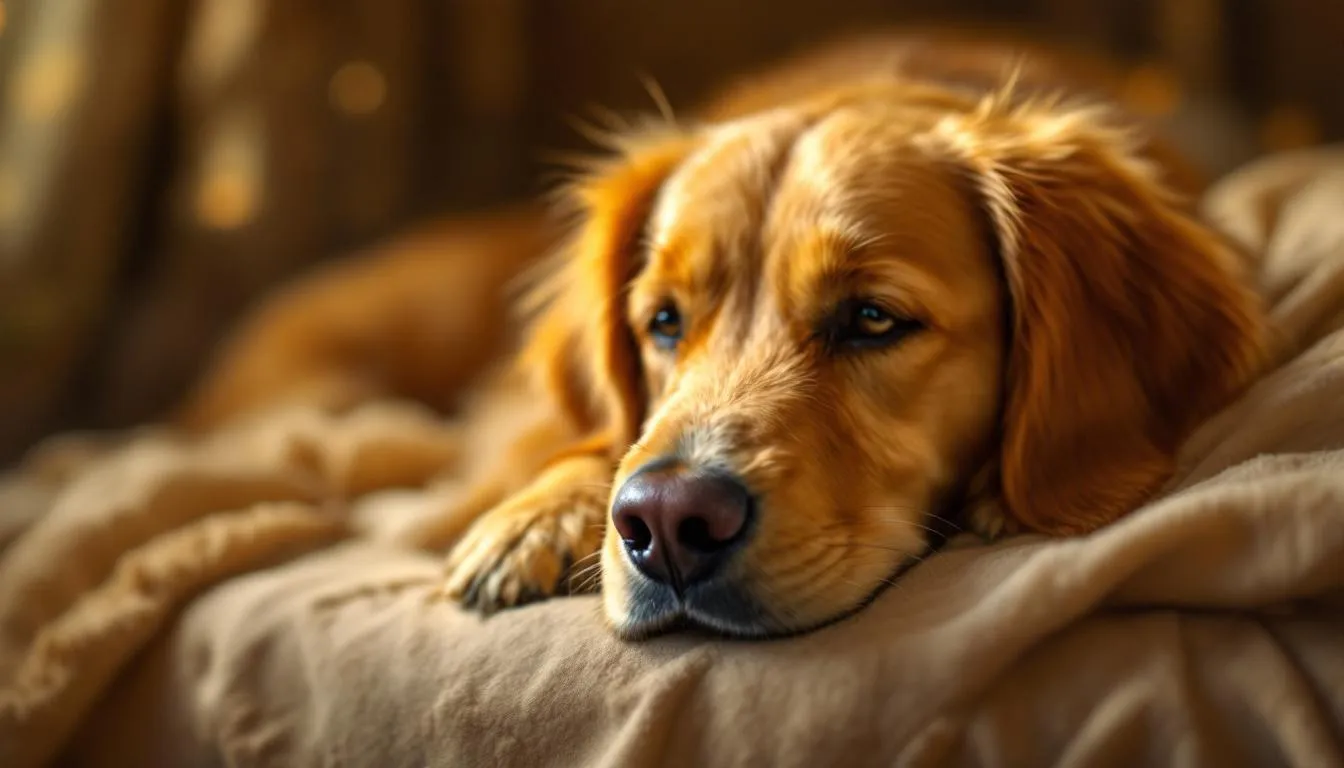
Memorial Pet Portraits: How Art Honors Pets We've Lost
You know the moment is coming. You've known for weeks, maybe months. Your dog walks slower now. Your cat sleeps longer. The vet uses words like "quality of life" and "when the time comes," and you nod because speaking would break something inside you.
Then the house goes quiet.
No clicking nails on hardwood. No weight shifting on the bed at 3 a.m. No snoring from the corner of the room where they always slept. Just silence where sound used to be.
This is the reality of pet loss, and millions of people live through it every single year. The American Pet Products Association reports that 66% of U.S. households own a pet. That's roughly 86.9 million homes with animals they consider family. And every one of those animals will, at some point, leave. The grief that follows isn't small. It isn't silly. Research published in the journal OMEGA found that the intensity of grief from losing a pet can match the severity of losing a human family member.
A memorial pet portrait doesn't fix that pain. Nothing does. But it gives the grief somewhere to land. It turns a phone photo into something permanent, something you can look at every morning and remember not just how they looked but how they made you feel. This guide covers everything about memorial pet portraits: the styles available, how to choose the right photo, what to expect from the process, where to display the finished piece, and why grief specialists believe tangible memorials genuinely help people heal.
If you're reading this because you've lost someone with four legs and a heartbeat, this one is for you.
Why losing a pet hurts so much
Before we talk about portraits, we need to talk about grief. Because the reason memorial art matters so much starts here, in the biology and psychology of what happens when a companion animal dies.
The bond is biological
In 2015, Japanese researcher Takefumi Kikusui published a study documenting something dog owners already suspected: when humans and dogs gaze into each other's eyes, both species experience a surge in oxytocin. The same hormone that bonds parents to their infants. The same chemical that creates trust between partners. Your dog isn't just your pet. Biologically, they're wired into your attachment system the same way a child would be.
This explains why the loss feels so disproportionate to people who haven't experienced it. The bond isn't exaggerated. It's neurochemical. And when it breaks, the brain responds accordingly.
Neuroimaging studies show that the areas of the brain activated by pet loss overlap significantly with those triggered by human bereavement. The pain isn't metaphorical. It lights up the same neural pathways. Cortisol, the stress hormone, floods the body. Anxiety spikes. Sleep patterns collapse. Appetite changes. These aren't signs of weakness. They're signs of a nervous system processing genuine loss.
The grief nobody validates
Here's where it gets harder. When a human family member dies, there are rituals. Funerals. Obituaries. Bereavement leave. Cards in the mail. People bring food. They check in. They say, "Take all the time you need."
When a pet dies, most people get a day. Maybe a sympathetic text from a friend who also has a dog. Maybe nothing at all. Maybe a coworker who says, "It was just a cat."
Psychologists call this "disenfranchised grief," and it's one of the most painful aspects of pet loss. The grief is real, but the social support systems that help people process grief are largely absent. A systematic review published in OMEGA found that pet bereavement was "widely recognized as disenfranchised grief," which not only limits access to support but makes the bereaved person question whether their feelings are appropriate.
They are. Every single time, they are.
Research from Australian psychologists found "no significant differences between the levels of grief severity" in people who experienced a pet death versus a human death. A separate study in the Journal of Death and Dying found that words "related to anger, sadness, and negative emotions were used at similar frequencies" for both types of loss.
The grief is the same. The support is not. And that gap is exactly where memorial portraits fill a role most people don't expect.
How tangible memorials help
Grief specialists have studied the concept of "continuing bonds," the idea that maintaining a symbolic connection to someone who has died isn't just normal, it's therapeutic. Research by Hughes and Lewis Harkin, published in OMEGA, found that rituals, memorials, memories, and dreams all served as helpful coping mechanisms that continued levels of attachment and reduced the intensity of grief.
A portrait on the wall isn't just decoration. It's a continuing bond made visible. It says: this relationship was real. This love mattered. And it still does.
Many grieving pet owners experience social isolation because their loss isn't taken seriously by those around them. A memorial portrait pushes back against that isolation. It validates the loss publicly. When someone walks into your home and sees a beautifully rendered pet portrait hanging in your living room, they understand without you having to explain.
Studies at Drexel University found that making art for just 45 minutes lowered stress hormone levels in participants. The therapeutic benefit of memorial art isn't limited to the viewing. For those who participate in creating the tribute, choosing the photo, selecting the style, collaborating with an artist, the process itself becomes part of the healing.
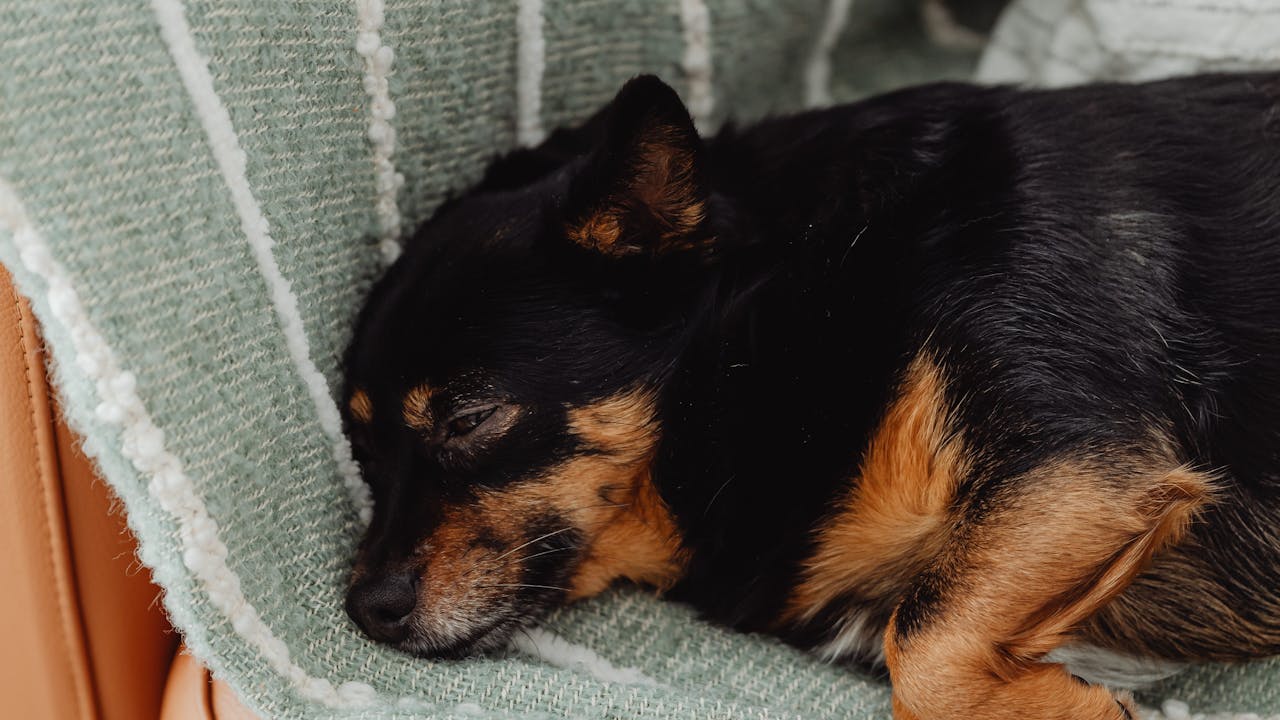
Styles of memorial pet portraits
Memorial pet portraits come in dozens of styles, from classical oil paintings to modern digital art. The style you choose depends on your pet's personality, your home decor, and the feeling you want the portrait to evoke. Let's walk through the most popular options.
Renaissance and royal portraits
If your pet carried themselves like they owned the room (and let's be honest, most of them did) a renaissance pet portrait captures that regal energy perfectly. These portraits place your pet in period costume, surrounded by the rich textures of velvet, gold, and ornate architecture. Think Rembrandt, but with a golden retriever.
Royal pet portraits take this a step further, dressing your companion in full military regalia, crowns, or noble attire. The humor is intentional, but the artistry is serious. The result is something that makes people laugh and then pause, because underneath the costume, the eyes are still your pet's eyes. And those eyes tell the real story.
Regal pet portraits follow a similar tradition. They honor your companion's dignity while adding a layer of playfulness that feels like the ultimate tribute to a pet who always thought they were in charge. Because, honestly, they were.
These styles work particularly well for memorial portraits because they elevate the subject. They take an animal you loved and place them in a context of importance and reverence. It's a way of saying: you mattered. You were royalty to me. Fable specializes in this kind of transformation, turning ordinary pet photos into museum-quality portrait art that tells the story of who your companion really was.
Classical and painterly styles
Not every memorial needs costume. Sometimes the most powerful tribute is a custom dog portrait that captures your pet exactly as they were. A classical painted style uses traditional techniques, whether oil, acrylic, or watercolor, to render your pet with the care and attention of a fine art commission.
Oil paintings are the most traditional option. They offer depth, richness, and a luminous quality that other mediums can't quite match. The layers of paint build slowly, creating dimension in the fur, light in the eyes, and warmth in the overall composition. They're also durable. An oil portrait can last for generations.
Watercolors bring a softer quality. They feel lighter, more ethereal, which some people find especially fitting for a memorial. The way the pigment bleeds and settles on paper creates a dreamlike quality that feels less like documentation and more like memory itself.
Charcoal and pencil portraits offer something different again: stark, intimate, honest. Without color to distract, the focus lands entirely on form and expression. These are quiet portraits. They feel personal in a way that color sometimes obscures.
For a detailed look at how the pet painting from photo process works across all these mediums, that guide breaks down everything from choosing a reference image to receiving the final piece.
Digital and modern styles
Digital art has come a long way. Skilled digital artists use tablets and specialized software to create portraits that rival traditional media in detail and emotional impact. The advantage of digital is flexibility. Colors can be adjusted instantly. Backgrounds can be changed. Multiple compositions can be explored before settling on the final piece.
Pop art styles bring vibrant energy, turning your pet into something that looks like it belongs in a gallery alongside Warhol. Minimalist line drawings strip away everything except the curves and angles that made your pet recognizable. Animal surrealism art takes things further still, placing your pet in dreamlike environments that feel like they exist somewhere between memory and imagination.
Some owners find these modern styles more fitting for a memorial because they're less literal. They don't try to recreate reality. Instead, they capture essence. And sometimes essence is more truthful than accuracy. You can explore the full range of possibilities through different surreal art prints to see how far artistic interpretation can go while still feeling deeply personal.
Rainbow bridge and angel wing portraits
These memorial-specific styles are designed with loss in mind. Rainbow bridge portraits typically show your pet crossing the famous bridge from the poem, surrounded by light, color, and a sense of peace. Angel wing portraits add ethereal wings to your pet's image, creating a spiritual tribute that resonates with many grieving owners.
These are deeply personal choices. Some people find them comforting. Others prefer a portrait that shows their pet as they were in life, healthy and happy, without any reference to death. Neither choice is wrong. The best memorial portrait is the one that brings you the most comfort when you look at it.
Choosing a style that fits
If you're unsure which direction to go, consider these questions.
How did your pet carry themselves? A dog who loved belly rubs and zoomies might suit a playful pop art portrait. A cat who surveyed the household from the highest shelf might deserve a regal pet portrait in full aristocratic glory. A gentle old soul who spent their final months curled beside you might call for something soft and classical.
What feeling do you want the portrait to evoke? Warmth? Humor? Dignity? Peace? The style carries the emotion. A renaissance pet portrait creates a different feeling in a room than a watercolor, and both are different from a bold surreal art print.
Where will you hang it? More on this later, but the display location matters. A large oil painting demands wall space and good lighting. A small pencil sketch works beautifully on a bedside table or shelf. Understanding how it works before you commit to a style helps you think through these practical questions without feeling rushed.
How to choose the right photo
This might be the most important section in this entire guide. The photo you provide is the foundation of your memorial portrait. Everything builds from it. And when your pet has already passed, you can't schedule a reshoot. You're working with what you have.
The good news: portrait artists are experienced at working with imperfect photos. Most artists who specialize in memorial pet portraits know that grieving owners rarely have a professional headshot of their dog. They work with what exists, and they do remarkable things with it.
That said, some photos produce better results than others. Here's how to choose the best one from your camera roll.
Prioritize the face
The face is the soul of the portrait. Look for a photo where your pet's face is clearly visible, in focus, and well-lit. The eyes matter most. If the eyes are sharp and expressive, the portrait will carry emotional weight regardless of what else is happening in the image.
Photos taken at eye level tend to produce the strongest portraits. When you're looking down at a pet from standing height, the perspective can distort proportions and reduce the sense of connection. A photo taken at their level, where you're on the floor with them, captures the relationship as it actually was: face to face, equal, close.
Check the lighting
Natural light is your best friend. Photos taken outdoors or near large windows tend to have the most accurate colors and the most visible detail. Harsh flash photography flattens features and creates unnatural shadows that artists need to work around.
If your best photo has difficult lighting, don't discard it. Mention the issue when you submit it. Good artists can compensate. But if you have multiple options, pick the one with the warmest, most natural light.
Send multiple photos
You don't have to choose just one. Most services, including Fable, welcome multiple reference photos. One might capture your pet's coloring accurately. Another might show their expression better. A third might reveal the texture and pattern of their fur from a different angle.
Sending three to five photos gives the artist more information to work with. This is especially valuable for memorial portraits, where capturing the exact personality of a pet who's no longer here becomes the entire point.
Don't worry about perfection
This is worth repeating. Your photos don't need to be professional quality. They don't need to be perfectly composed or beautifully lit. They just need to show your pet's face and a hint of who they were.
Artists who work on personalized dog portraits and memorial commissions are accustomed to working with candid snapshots. That photo of your dog mid-yawn in the backyard? An artist can work with it. The slightly blurry shot of your cat on the windowsill? Usable. The group photo where your pet is looking slightly left while everyone else looks at the camera? That sideways glance might become the most compelling detail in the finished portrait.
What matters isn't photographic quality. It's the spark of personality visible in the image. A technically mediocre photo of your pet being perfectly themselves will always produce a better portrait than a sharp, well-lit photo where they look stiff or unfamiliar. If you've ever ordered custom dog portraits or any kind of dog portrait before, you already know this. The best references show character, not technical perfection.

The process of commissioning a memorial portrait
If you've never ordered custom art before, the process might feel mysterious. It's simpler than you think. Here's what to expect from start to finish.
Choose your service
Options range from individual artists on Etsy and Instagram to dedicated portrait platforms. Each has advantages. Independent artists often bring a deeply personal touch and a distinctive style. Platforms like Fable offer a streamlined experience with consistent quality and faster turnaround.
When evaluating a service, look at their past work. Not just the showcase pieces on their homepage, but reviews and customer photos. Do the portraits actually look like the specific animals in the reference photos? Or do they look like generic versions of the breed? This distinction matters enormously for a memorial portrait, where capturing your particular pet is the entire point.
Check pricing upfront. Understand what's included. Ask about revisions. A service that offers unlimited revisions until you're satisfied is signaling confidence in their work. And confidence matters when you're trusting someone with something this personal.
Select your style
This is where the earlier section on styles becomes practical. Browse the options available. Most services offer previews or examples of each style.
You can explore portrait types including family portraits, couple portraits, kids portraits, and self portraits to get a sense of the artistic range available. The same attention to detail that goes into human portraits translates directly to animal portraits and pet memorials.
Understanding how it works before placing your order removes anxiety from the process. You'll know exactly what to expect at each stage, which matters when you're already emotionally raw from loss.
Submit your photos and details
Upload your reference photos. Include any notes about your pet's personality, quirks, or specific features you want emphasized. Was your dog missing an ear from an old injury? Did your cat have one eye slightly bigger than the other? Did your rabbit have a patch of different-colored fur? These details are what make a portrait a portrait, not just a picture.
If you want a specific background color, mention it. If the portrait needs to match a particular room's decor, provide reference images. The more information you share, the closer the finished piece will be to what you're imagining.
Review and approve
Good services send you a digital proof before finalizing the portrait. This is your chance to request adjustments. Maybe the eye color isn't quite right. Maybe a marking needs tweaking. Maybe you want the background warmer or cooler.
Take your time with this step. Don't rush the approval because you're eager to see the finished piece. Live with the proof for a day. Look at it in the morning and again at night. Show it to someone else who knew your pet. Get a second pair of eyes before signing off. If you've ever gone through the process with a pet painting from photo service before, you know how important this review step is.
Receive and display
The finished portrait arrives ready to hang or display. Some services include framing as an option. Others deliver the portrait rolled in a protective tube or as a high-resolution digital file for you to frame locally.
Where you hang it matters, and we'll cover that next.
Where to display a memorial pet portrait
The placement of your memorial portrait affects how it feels in your daily life. This isn't just about aesthetics. It's about creating the right relationship between you and the memory.
The living room
This is the most common choice, and for good reason. A living room portrait becomes part of your everyday environment. You see it when you wake up, when you settle in for the evening, when friends visit. It normalizes the presence of your pet's memory in your life, which is exactly what continuing bonds theory suggests is healthy.
A large pet portrait over a sofa or mantel makes a statement. It tells visitors this animal mattered. It often sparks conversation, and conversation about your pet is another form of continuing the bond. People ask about the portrait. You get to talk about your pet. And talking about them keeps the memory vivid and present.
The bedroom
For a more private memorial, the bedroom offers intimacy. A smaller portrait on a bedside table or dresser creates a quiet tribute that's just for you. This works especially well in the early months after a loss, when grief is sharpest and the comfort of seeing your pet's face first thing in the morning genuinely helps.
A dedicated gallery wall
If you've shared your life with multiple pets over the years, a gallery wall creates a collective tribute. Mix sizes and styles. A royal pet portrait next to a watercolor next to a pencil sketch creates visual interest while honoring each companion individually.
Pet family portraits can bring multiple pets together in a single image, which is another option for families who've had the privilege of loving more than one animal. It also works beautifully as an art gift for mom or anyone who cherished the family pets.
A home office or study
A portrait in your workspace puts your pet's face in your peripheral vision throughout the workday. It might sound small, but for people who worked from home with their pet beside them, this placement fills a very specific void. The desk feels less empty when their face is nearby.
Near where they used to be
Some people hang the portrait near their pet's favorite spot. Above the dog bed that's still in the corner. Beside the window where the cat always sat. Next to the back door where they waited for walks. This kind of placement is deeply personal, and it works because it connects the portrait to physical memory. It turns a blank space into a shrine that doesn't need explanation.
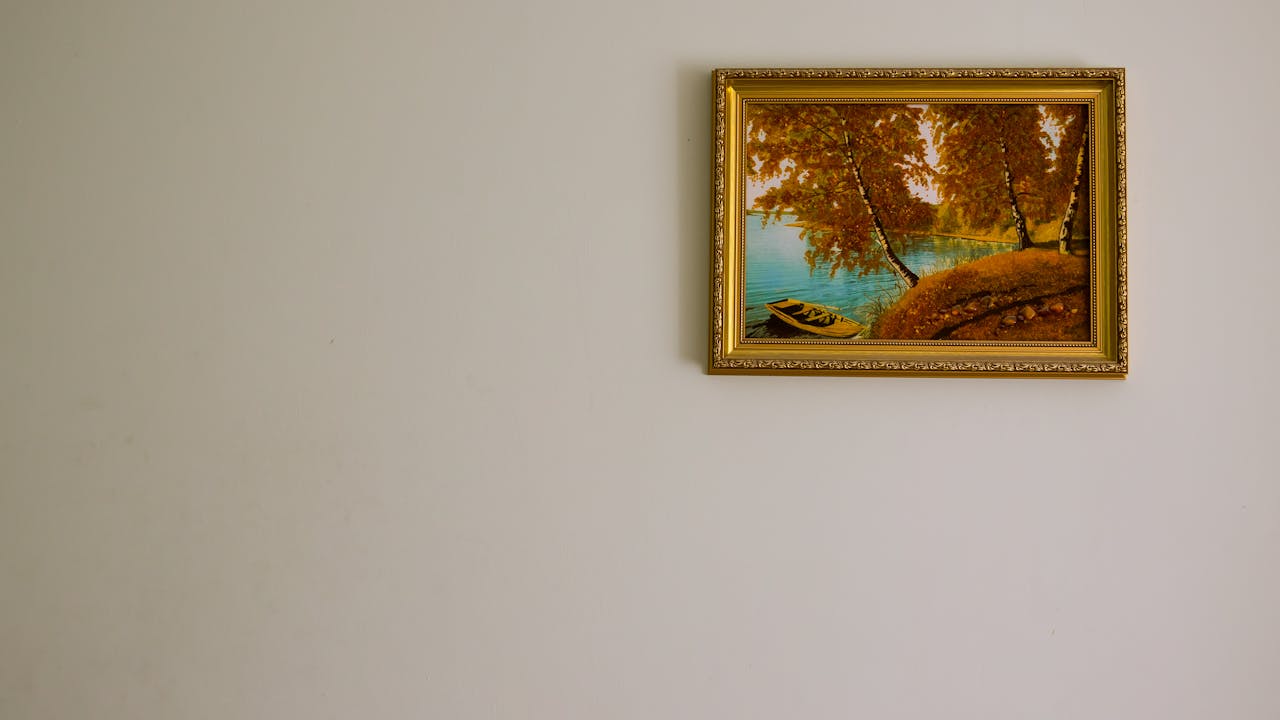
Gifting a memorial portrait to someone who's lost a pet
Memorial pet portraits aren't just something you order for yourself. They're one of the most meaningful gifts you can give someone who's grieving a pet. But the timing and approach matter.
When to give a memorial portrait
Immediately after a pet's death is usually too soon. The grief is too raw. The person may not be ready to look at a portrait without falling apart. That doesn't mean the gift is wrong. It means the timing needs care.
A few weeks to a few months after the loss is often the sweet spot. The initial shock has softened into something steadier. The house feels empty in ways that have become familiar. A portrait at this stage arrives not as a reminder of the loss (they don't need a reminder) but as a recognition that their love was noticed. That their pet was seen and valued by someone other than them.
For gifts for art lovers who also happen to be pet owners, a memorial portrait combines two passions. It's art and sentiment in a single frame. If you're searching for unique gifts for art lovers that go beyond the expected, this is it.
How to order for someone else
You'll need photos of the pet, which can be tricky if you don't want to alert the recipient. Check their social media. Most pet owners have dozens of photos posted over the years. Ask mutual friends if they have any. If you need to ask directly, a simple "I'm putting together something for you and need a few of your favorite photos of [pet name]" is usually enough without revealing the surprise.
The impact of this gift
Don't underestimate what this gift means to the recipient. In the context of disenfranchised grief, where society often dismisses pet loss as minor, receiving a memorial portrait from someone who understands is profoundly validating. It says: your grief is real. Your pet deserved to be remembered. And I care enough to help you do that.
It's the kind of art gift for mom that she'll keep for the rest of her life. The kind of Christmas art gift that makes everyone in the room go quiet for a second before the tears start. A meaningful wedding gift for a couple who shared their home with a pet they've recently lost. A thoughtful present from any gift for art students list that understands the emotional power of art.
The people in your life who've lost a pet don't need another candle or sympathy card. They need to know their grief was witnessed. A memorial portrait says that louder than words ever could.
What to expect on cost
Memorial pet portraits span a wide price range, and the cost depends on medium, size, detail level, and the service you choose.
Hand-painted portraits
Oil paintings typically range from $150 to $1,000 or more, depending on size and complexity. An 8x10 inch oil portrait might start around $300 to $400, while larger pieces (16x20 and up) can run $500 to $800. Commissions from well-known artists can reach four figures.
Watercolors and acrylics tend to cost less. Expect $100 to $500 for most sizes. The faster drying time of these mediums reduces the labor involved, which keeps prices lower without necessarily reducing quality. Some of the most moving memorial portraits ever created were done in watercolor. Medium doesn't dictate emotional impact.
Pencil and charcoal portraits are often the most affordable hand-made option, ranging from $50 to $300 depending on size and detail.
Turnaround time for hand-painted work is typically two to six weeks. Rush orders usually cost extra.
Digital portraits
Artist-made digital portraits fall in the $60 to $300 range. They're faster to produce (often delivered within a week) and can be printed at any size without losing quality. The trade-off is that you receive a file, not a physical object. Printing and framing are up to you, which adds to the total cost but gives you control over the final presentation.
AI-generated portraits
AI tools can produce portraits in minutes for anywhere from free to $30. The quality varies enormously. Some AI services produce impressively detailed results. Others produce generic, soulless images that look nothing like your specific pet.
For a memorial, where capturing the exact personality and features of your particular animal is the entire point, AI-generated art often falls short. The technology is improving quickly, but it still lacks the interpretive skill that a human artist or a high-quality platform brings to every commission.
What drives cost up
Multiple pets in one portrait, complex backgrounds, rush delivery, framing, and large sizes all increase the price. If budget is a concern, starting with a smaller size and a simpler background can bring the cost down significantly without sacrificing emotional impact.
Check Fable's pricing page for current options. The platform offers several portrait packages at different price points, making memorial portraits accessible regardless of budget. Whether you're looking for a small tribute or a statement piece, there's an option that fits.
Making the portrait truly personal
The best memorial portraits feel like they captured something real. Something that goes beyond physical appearance. Here are ways to make your portrait carry more of who your pet actually was.
Include their favorite things
If your dog always had a tennis ball nearby, include it. If your cat had a beloved toy mouse, add it to the scene. If your bird loved a particular perch, let it be part of the composition. These small details transform a portrait from "a picture of a pet" into "a picture of my pet." The difference matters.
Choose a meaningful setting
Where was your pet happiest? In the garden? On the beach? Curled up on a specific blanket? On a hiking trail? Placing them in a meaningful setting adds a layer of narrative that enriches the portrait and makes it feel like a window into a real moment you shared together.
Reference their personality, not just their appearance
When submitting your order, describe who your pet was. Were they goofy or dignified? Curious or cautious? Energetic or calm? Did they have a specific habit that defined them, like stealing socks or herding the family into one room? A good artist will translate personality traits into the portrait through posture, expression, and compositional choices that bring your pet to life on canvas.
A dog portrait that captures the way your particular dog tilted their head when confused is infinitely more valuable than a technically perfect rendering of their breed. Personality is what makes a memorial portrait a memorial. Without it, you just have a picture of an animal.
Consider a pair or group portrait
If your pet had a best friend, whether another animal or a human family member, including them in the portrait creates a richer story. Couple portraits and family portraits bring multiple subjects together in a single composition, creating art that tells the story of a relationship rather than just documenting an individual.
For families with children who are grieving a pet, a kids portrait alongside the family dog or cat can be especially healing. It validates the child's grief and preserves a relationship that shaped their early years. Children who lose a pet often process grief differently than adults, and having a visible memorial helps them understand that their feelings are normal and their bond was real.
When to order a memorial portrait
There's no wrong time. Some people order immediately, using the process of choosing photos and styles as an active form of grief management. Others wait months or even years, ordering when they feel ready to look at a portrait without it overwhelming them.
Both approaches are valid.
If you're ordering as a gift for someone else, the earlier advice applies: give the grieving person a few weeks to a month before the portrait arrives. But start the ordering process sooner, since custom art takes time to produce. Planning ahead means the gift arrives when it can do the most good.
For pet owners who know their companion's time is limited, ordering a portrait while the pet is still alive is becoming more common. It's not morbid. It's practical and thoughtful. You can choose photos calmly, participate in the creative process without the fog of acute grief, and have the finished portrait ready for whenever you need it most.
A personalized dog portrait ordered while your dog is curled at your feet carries a different energy than one ordered from an empty room. Neither is better. They're just different, and both are worth doing.
Frequently asked questions
How long does it take to receive a memorial pet portrait?
Turnaround varies by service and medium. Digital portraits can be delivered in as little as 24 hours. Hand-painted portraits typically take two to six weeks. Rush options are available from most services for an additional fee. Check how it works for specifics on Fable's timeline.
Can a memorial portrait be made from an old or blurry photo?
Yes. Most portrait artists who specialize in memorial work are skilled at working with imperfect reference photos. Sending multiple photos helps, even if none are individually perfect. The artist can pull details from different images to create a cohesive, accurate portrait that captures your pet's true appearance.
What's the best style for a memorial pet portrait?
It depends on your pet's personality and your personal taste. A royal pet portrait works beautifully for pets with big personalities. A classical pet painting from photo suits owners who want a realistic, timeless tribute. Animal portraits in watercolor or charcoal offer softer, more intimate options. There's no universally "best" style, only the one that feels right to you.
Is it appropriate to gift a memorial portrait to someone who lost a pet?
It's one of the most meaningful gifts you can give. Wait a few weeks after the loss so the recipient has processed the initial shock. The portrait will serve as a lasting reminder that their pet was loved and noticed by others too. It's a gift that validates grief rather than dismissing it.
How many pets can be included in one portrait?
Most services can include multiple pets in a single composition. Pet family portraits bring all your companions together, whether they're living, passed, or a mix of both. This is especially popular with families who've had several pets over the years and want to honor them all in one piece.
Do I need a professional photo of my pet?
Not at all. Candid phone photos work perfectly well. Look for images where your pet's face is visible and their personality shows through. Artists who create personalized dog portraits and memorial commissions are experts at working with everyday snapshots. Character matters more than resolution.
How do I choose between a painted and digital portrait?
Painted portraits offer physical texture and the prestige of original art. Digital portraits are faster, more flexible, and often more affordable. For a memorial, both can be equally moving. The choice comes down to your budget, timeline, and whether you value physical media or digital convenience. Either way, the emotional weight of the portrait comes from the subject, not the medium.
Where should I hang a memorial pet portrait?
Wherever feels right. Common choices include the living room for daily visibility, the bedroom for private remembrance, or near where your pet used to spend their time. A self portrait or pet portrait belongs wherever it brings you comfort. There's no wrong answer.
Related guides
- Pet portraits: the complete guide to immortalizing your companion
- Pet painting from photo: how it works and what to expect
- Royal pet portraits: turn your pet into nobility
- Custom dog portraits: how to create the perfect pet keepsake
- Pet family portraits: including every member of the family
Sources
- The Impact of Continuing Bonds Between Pet Owners and Their Pets Following the Death of Their Pet (OMEGA Journal of Death and Dying)
- Pet Death and Owners' Memorialization Choices (SAGE Journals)
- Why We Need to Take Pet Loss Seriously (Scientific American)
The best memorials aren't monuments. They're quiet reminders. A leash still hanging by the door. A collar in a drawer. A portrait on the wall that catches the light just right when the afternoon sun comes through.
Your pet gave you something rare: love without condition, presence without agenda, companionship without complication. That deserves more than a phone photo buried in a camera roll.
Start creating yours and give their memory a place it deserves. Somewhere visible. Somewhere permanent. Somewhere you'll see it every day and remember that you were lucky to be loved like that.