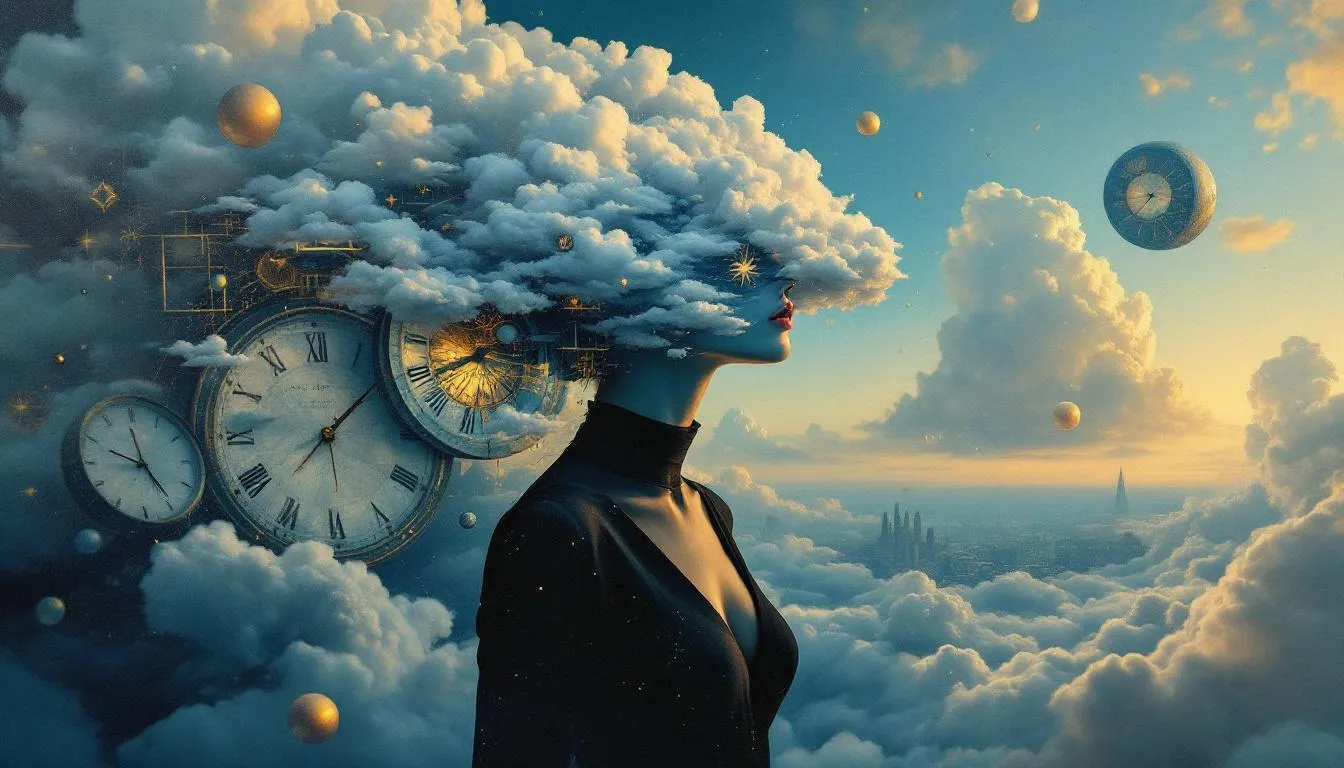
Surreal Art Prints: Transform Your Walls With Dreamlike Beauty
Some walls hold furniture. Others hold windows. The best walls hold dreams.
Surreal art does something ordinary prints cannot. It stops people mid-sentence. It pulls them closer. It makes them tilt their heads and wonder what exactly they're looking at. And then it stays with them, appearing in thoughts hours or days later, demanding another look.
This isn't decoration. This is transformation.
Surreal art prints bring the impossible into your home. Melting clocks draped over barren landscapes. Figures with clouds instead of faces. Staircases that lead nowhere and everywhere at once. These images tap into something deep, something that rational design cannot touch.
This guide explores everything about surreal art prints. You'll learn the history behind this revolutionary movement and why its images still captivate viewers nearly a century later. We'll cover the different styles available, from classical surrealism to contemporary interpretations. And you'll discover how to choose, place, and style surreal prints to create spaces that feel genuinely extraordinary.
Whether you want a single statement piece or an entire gallery of dreamlike imagery, understanding surrealism helps you make choices that transform rooms into experiences.
What makes surreal art so powerful
A photograph shows what exists. A surreal painting shows what could exist. What might exist in dreams. What exists only in the space between logic and imagination.
That distinction matters more than most people realize. Our brains process familiar images quickly, almost automatically. We see a landscape, a portrait, a still life, and we understand it instantly. Recognition happens so fast we barely register the artwork at all.
Surreal art breaks this pattern. The brain encounters something impossible. A fish swimming through the sky. A face made entirely of flowers. An eye that contains an entire universe. These images demand processing. They require engagement. They cannot be dismissed with a quick glance.
This cognitive engagement creates lasting impressions. Studies in neuroaesthetics suggest that artworks forcing viewers to reconcile conflicting visual information generate stronger emotional responses and better memory retention. You remember surreal art because your brain had to work to understand it.
The language of dreams
Sigmund Freud's 1899 book The Interpretation of Dreams changed how people understood the unconscious mind. Dreams weren't random noise. They were messages from deeper parts of ourselves, speaking in symbols and metaphors that bypassed rational thought.
The surrealists seized this idea and ran with it. If dreams revealed hidden truths about human psychology, then art mimicking dreams could access those same truths. Paintings didn't need to show reality. They needed to show something more real than reality, the inner landscape of human consciousness.
This psychological dimension gives surreal art its power. When you hang a surreal print on your wall, you're not just displaying an image. You're displaying a window into the unconscious. Something that speaks to parts of the viewer that logical art cannot reach.
Beyond decoration
Most wall art serves a simple purpose. It fills space. It adds color. It matches the couch or complements the curtains. These are perfectly valid reasons to buy art. But they're not the only reasons.
Surreal art serves a different purpose entirely. It provokes. It inspires. It creates conversation and contemplation. A truly great surreal piece becomes the most interesting thing in any room it occupies.
Consider how this affects your space. Visitors notice the art immediately. They comment on it. They ask questions about it. The artwork becomes a focal point not just visually but socially. It gives your home personality that no amount of carefully coordinated furniture can match.
Fable creates custom portraits that bring this same transformative power to personal art. Imagine your family rendered in dreamlike surrealist style, familiar faces surrounded by impossible beauty. That's the intersection of meaningful and magical.
The surrealist movement explained
Understanding where surreal art comes from helps you appreciate what it's trying to do. This wasn't random weirdness for its own sake. It was a deliberate artistic revolution with philosophical foundations that remain relevant today.
Origins in rebellion
Surrealism emerged in Paris during the 1920s, born from the ashes of World War I. The war had shattered faith in rationality, logic, and the supposed progress of Western civilization. If reason led to trenches and mustard gas and millions of pointless deaths, perhaps reason wasn't worth following.
Andre Breton published the first Surrealist Manifesto in 1924, giving the movement its name and its philosophical foundation. He defined surrealism as "pure psychic automatism," a way of expressing thought free from reason's control, free from aesthetic or moral concerns.
The early surrealists included poets, writers, and visual artists united by this rejection of rational constraints. They experimented with automatic writing, collaborative drawing, and various techniques designed to bypass conscious thought and access the unconscious directly.
This wasn't art school rebellion. It was a fundamental challenge to how Western culture understood reality itself. The surrealists believed that the everyday world we accepted as real was actually a prison, a construct that limited human potential. True reality lay beneath, in dreams and visions and the strange territories of the mind.
The masters and their visions
Several artists defined what surrealism could look like. Their approaches varied dramatically, proving that dreams take many forms.
Salvador Dali painted with photographic precision, rendering impossible scenes with such technical mastery that they seemed almost plausible. His melting clocks in The Persistence of Memory have become perhaps the most recognizable surrealist image in history. Dali called his approach the "paranoiac-critical method," using self-induced hallucinations to generate imagery.
Rene Magritte took a different path. His paintings showed ordinary objects in extraordinary contexts, challenging viewers to question their assumptions about everyday reality. A pipe with the caption "This is not a pipe." A man in a bowler hat with an apple obscuring his face. Magritte made the familiar strange, which is sometimes more unsettling than making the strange familiar.
Max Ernst pioneered techniques like frottage (rubbing) and decalcomania (pressing paint between surfaces) to generate imagery beyond conscious control. His work often featured hybrid creatures, impossible landscapes, and visions that seemed pulled directly from nightmares.
Yves Tanguy painted abstract landscapes that felt like alien worlds. Soft, organic forms cast long shadows across barren plains under empty skies. These weren't representations of dreams so much as places where dreams might live.
Each master contributed vocabulary to the surrealist language. Their influence appears in virtually every surreal artwork created since, whether the artist acknowledges it or not.
Why surrealism endures
Nearly a century after its founding, surrealism remains vital. Contemporary artists continue exploring its territory. Advertisers borrow its visual language to capture attention. Interior designers recognize its power to transform spaces.
This longevity suggests something important. Surrealism taps into universal human experiences that don't change with fashion or technology. We all dream. We all experience moments when reality feels slightly off, slightly wrong, slightly magical. Surreal art gives visual form to these experiences.
The movement also anticipated many later developments in art and culture. Its exploration of the unconscious prefigured psychology's growing cultural influence. Its rejection of rational constraints anticipated postmodernism. Its playful mixing of high and low culture predicted contemporary art's demolition of these boundaries.
When you choose surreal art for your walls, you're not following a trend. You're connecting to a tradition nearly a century old, one that continues evolving and remains relevant precisely because it addresses fundamental aspects of human experience.
Types of surreal art prints
Not all surreal art looks the same. The movement encompasses multiple styles and approaches, each offering different aesthetic experiences. Understanding these variations helps you choose prints that match your taste and complement your space.
Classical surrealism
The original masters established a visual vocabulary that many contemporary artists still use. Classical surrealist prints feature recognizable objects arranged in impossible ways. Hyper-realistic rendering makes the impossible seem plausible. Clear horizons and coherent lighting create spaces that feel real despite containing unreal elements.
This style works well for people who appreciate technical skill and want art that rewards close examination. The detail in quality classical surrealist prints can occupy viewers for extended periods. They keep revealing new elements, new connections, new interpretations.
Classical surrealism pairs beautifully with traditional interiors. The technical precision and clear compositions feel at home among antique furniture and formal arrangements. But it also creates striking contrast in minimal modern spaces, where a single detailed surrealist print becomes the room's emotional center.
Family portraits in classical surrealist style create extraordinary results. Imagine your loved ones rendered with museum-quality technique but surrounded by dreamlike elements, clouds, floating objects, impossible architecture. The personal becomes universal.
Abstract surrealism
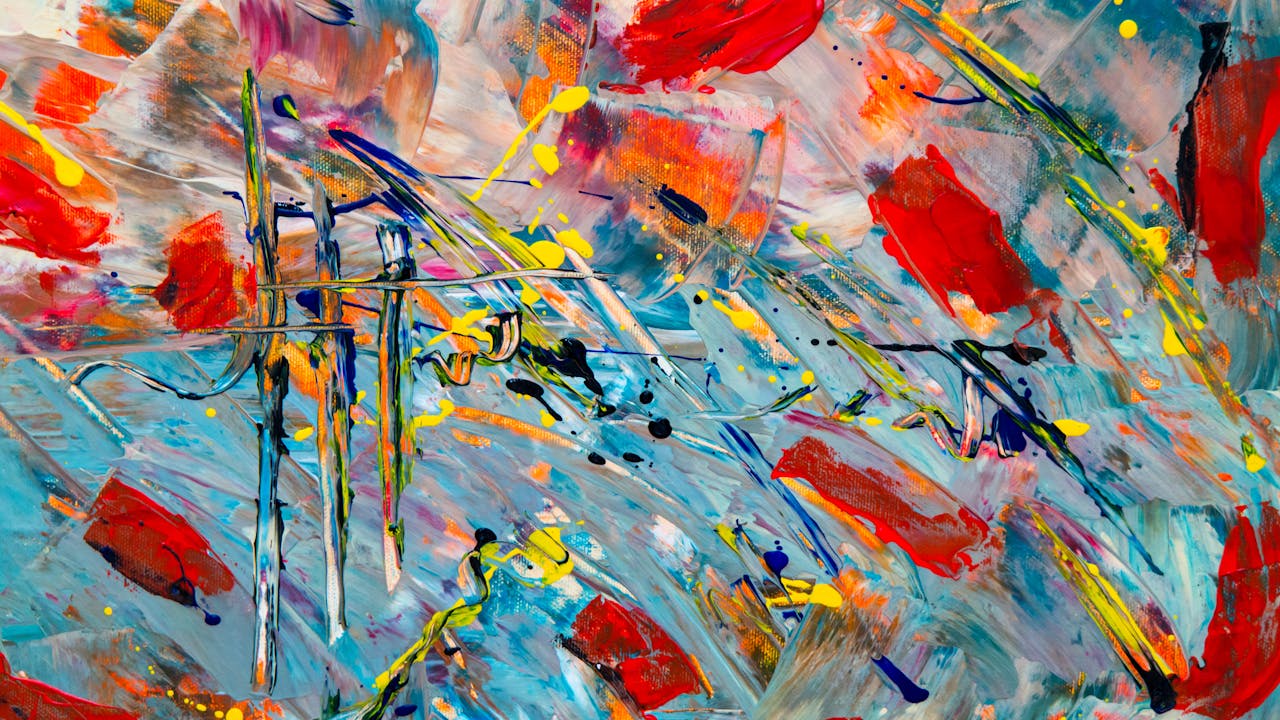
Not all surrealism relies on recognizable imagery. Some artists push toward pure abstraction, creating works that evoke dream states without representing specific objects at all.
These prints feature organic forms, flowing shapes, and color relationships that suggest rather than depict. They feel like dreams remembered vaguely, where specific details have faded but emotional resonance remains.
Abstract surrealism offers more flexibility in interior design. Without recognizable objects to interpret, these prints integrate with various color schemes and decorating styles. They add visual interest and emotional depth without demanding specific readings.
This approach works particularly well in bedrooms and meditation spaces. The lack of concrete imagery allows viewers to project their own meanings, making the art interactive in a subtle way.
Pop surrealism
Beginning in the late twentieth century, artists began merging surrealist techniques with popular culture imagery. Comic books, advertising, cartoons, and consumer products entered the dreamscape, creating works that felt both familiar and deeply strange.
Pop surrealism often features bright colors, graphic clarity, and recognizable cultural references twisted into uncomfortable new contexts. It's more accessible than classical surrealism but no less unsettling once you look closely.
This style appeals to younger collectors and works well in contemporary spaces. It brings energy and humor that pure classical surrealism sometimes lacks. The cultural references also date works more specifically, which can be a feature or a bug depending on your perspective.
Photographic surrealism
Modern technology enables surreal imagery through photography and digital manipulation. Artists combine multiple photographs, adjust scale relationships, and create impossible scenes that look completely real because they're built from real elements.
Photographic surrealism often achieves even greater uncanny effects than painting. We trust photographs in ways we don't trust paintings. When a photograph shows something impossible, our brains struggle harder to reconcile the contradiction.
These prints work well in modern and contemporary spaces where photography already features prominently. They bridge the gap between fine art and documentary imagery, fitting contexts where classical paintings might feel out of place.
Surrealist portraiture
Perhaps the most personal form of surreal art, surrealist portraiture applies dreamlike elements to human subjects. Faces might contain landscapes. Bodies might transform into objects. Identity becomes fluid and multiple.
Fable specializes in this intersection of portraiture and surrealism. Custom portraits that capture your personality while surrounding it with impossible beauty. Your face emerging from clouds. Your figure blending with natural elements. Personal art that transcends ordinary photography.
This approach makes surrealism deeply meaningful. Generic surreal prints show someone else's dreams. Custom surrealist portraits show your dreams, your identity rendered in the language of the unconscious.
Self portraits in surrealist style make particularly striking statements. They declare that you contain multitudes, that your identity exceeds simple representation, that you deserve art as complex and beautiful as your inner life.
Choosing surreal art for your space
Selecting surreal prints requires different considerations than choosing conventional art. The psychological intensity of surrealism means certain approaches work better in specific contexts.
Living spaces and social areas
Rooms where you entertain guests benefit from surreal art that invites conversation without overwhelming. The ideal print stops people, makes them look, generates questions and comments. But it shouldn't dominate so completely that it makes other activities difficult.
Classical surrealism often works well here. The technical accomplishment gives viewers something to appreciate even if they don't connect emotionally with the imagery. The clear compositions and recognizable elements provide entry points for people unfamiliar with the movement.
Size matters significantly in social spaces. A print large enough to serve as a focal point but not so large it overwhelms other elements in the room. Gallery walls of smaller surreal prints can work beautifully, creating collections that reward extended viewing.
The blog offers additional ideas for integrating art into various home styles.
Bedrooms and private spaces
Private areas allow more personal and potentially intense selections. The art doesn't need to please guests or generate conversation. It only needs to resonate with you.
Abstract surrealism often excels in bedrooms. The softer forms and less specific imagery create atmosphere without demanding constant attention. They contribute to rest rather than stimulation.
That said, some people find intense classical surrealism perfect for bedrooms. Waking to impossible imagery can set the tone for the entire day, reminding you that reality contains more possibilities than it typically reveals.
Couple portraits in surrealist style create romantic bedroom focal points. Two people merged into dreamlike imagery. Love rendered visible in the language of the unconscious.
Home offices and creative spaces
Workspaces benefit from art that inspires without distracting. Surrealism's connection to creativity and unconventional thinking makes it particularly appropriate for offices where such thinking matters.
Choose prints that you find energizing rather than disturbing. Some surrealist imagery unsettles by design. That's appropriate for galleries but potentially counterproductive where you need to focus and produce.
Pop surrealism often works well in creative offices. The bright colors and accessible imagery bring energy without heaviness. The cultural references can spark unexpected connections and ideas.
Color and composition considerations
Beyond style and subject matter, practical visual considerations affect how surreal prints function in spaces.
Surrealist prints often feature unusual color relationships. The dream logic extends to palette choices that wouldn't occur in realistic art. Consider whether these colors complement or clash with your existing decor.
Strong horizontal compositions create calm. Strong vertical compositions create energy. Diagonal compositions create tension. These effects amplify in surrealist art because the strange imagery already generates emotional responses that compositional choices can intensify or soften.
Frame selection also matters more than usual. Classical surrealism often benefits from traditional frames that emphasize its connection to art history. Contemporary and pop surrealism might work better with minimal modern frames that don't compete with already-busy imagery.
Displaying surreal prints effectively
Even perfect art can fail if displayed poorly. Surrealism's psychological intensity makes placement particularly important. The right positioning amplifies impact. The wrong positioning wastes the artwork's potential.
The surprise factor
Surreal art works best when it catches viewers slightly off guard. Not hidden, but not immediately obvious either. The ideal placement allows people to discover the artwork rather than having it thrust upon them.
Consider sightlines through your space. Where do people look when they enter a room? Where do their eyes naturally travel? Placing surreal prints slightly off these primary sightlines creates moments of discovery. People notice the art with their peripheral vision first, then turn to look directly, then experience the full impact.
This differs from conventional art wisdom, which often emphasizes placing focal pieces directly in primary sightlines. But surrealism benefits from the slightly disorienting experience of encountering it unexpectedly.
Lighting for dreamlike effects
Light dramatically affects how surreal prints appear. The same image can feel completely different under various lighting conditions.
Natural light changes throughout the day, giving surreal prints shifting qualities that mirror their psychological instability. Morning light emphasizes different elements than evening light. This temporal variation keeps the artwork alive, preventing the visual fatigue that comes from seeing the same thing constantly.
Artificial lighting allows more control. Directional spots can create drama, casting subtle shadows that interact with the imagery. Diffused ambient light can soften harsh contrasts, making intense imagery more livable. Colored light can transform color relationships entirely, creating effects the artist never anticipated.
Experiment with lighting before committing to permanent placement. Move the print around. View it at different times of day. Discover which conditions reveal its best qualities.
Groupings and gallery walls
Multiple surreal prints can create effects impossible with single pieces. But grouping surrealism requires care. Too much intensity becomes exhausting. Too little cohesion becomes chaotic.
Successful surrealist gallery walls typically share something. Perhaps similar color palettes across different styles. Perhaps the same artist's work in various sizes. Perhaps a thematic connection, landscapes or portraits or organic forms.
The connecting element provides visual rest between intense moments. Viewers can appreciate each piece individually while also perceiving the larger composition. Without some unifying factor, surreal gallery walls can feel like visual noise.
Spacing matters too. Surrealist prints need breathing room. They demand attention individually before they can function collectively. Tight salon-style hanging that works for traditional prints often fails with surrealism because viewers can't isolate individual pieces mentally.
Creating focal points
Sometimes you want a single surreal print to dominate a space entirely. This approach works well in rooms with otherwise minimal decor, where the artwork becomes the primary visual experience.
For maximum impact, the print should be large. Really large. Something that viewers cannot ignore or walk past without engaging. Floor-to-ceiling if possible.
The surrounding area should support rather than compete with the artwork. Solid-colored walls. Minimal furniture. Careful lighting. Everything exists to frame the surreal experience.
This approach transforms rooms into installations. You're not decorating a space. You're creating an environment where the artwork is the experience. Not for every home, but extraordinarily powerful when executed well.
How it works explains how to commission custom pieces sized for exactly these kinds of dramatic installations.
Surreal art and interior design styles
Different decorating approaches interact with surrealism in different ways. Understanding these interactions helps you choose prints that enhance rather than conflict with your existing aesthetic.
Modern minimalism
Clean lines. Open spaces. Neutral colors. Minimal furniture. These characteristics make modern minimalist interiors perfect canvases for surreal art.
The simplicity of minimalist design creates visual quiet that makes surreal prints sing. There's nothing competing for attention. The eye goes directly to the artwork and stays there.
Classical surrealism often works best in minimalist contexts. The technical precision and clear compositions feel appropriate in spaces that value order. The impossible content provides contrast without creating chaos.
Single large pieces tend to outperform collections in minimalist spaces. The purity of one surreal statement fits the one-of-everything ethos that minimalism embodies.
Eclectic bohemian
Layered textiles. Mixed patterns. Collected objects from various sources and eras. Bohemian interiors already embrace a kind of visual surrealism through their unexpected combinations.
Surreal prints feel at home here because the entire space already operates on dream logic. Rules don't apply. Anything can exist next to anything else.
Pop surrealism often works particularly well in bohemian contexts. The cultural references and accessible imagery fit among other collected objects. The bright colors blend with textile patterns.
Gallery walls of varied surreal prints can succeed in bohemian spaces where they'd fail elsewhere. The visual cacophony is a feature, not a bug.
Traditional elegance
Formal furniture. Rich fabrics. Historical references. Traditional interiors might seem like unlikely homes for surrealism, but the relationship can be extraordinary.
Classical surrealism, particularly work referencing Renaissance and Baroque traditions, creates fascinating tension in traditional spaces. The technical accomplishment satisfies expectations of quality. The impossible content subverts expectations of propriety.
This tension makes traditional-plus-surreal combinations particularly memorable. Visitors expect one thing and receive another. The cognitive dissonance mirrors the dissonance within the surrealist prints themselves.
Frame selection becomes critical here. Traditional surreal prints need traditional frames to integrate properly. Cheap or minimal frames create jarring mismatches with surrounding decor.
Contemporary industrial
Exposed brick. Visible ductwork. Metal and concrete. Industrial interiors embrace rawness and authenticity that can seem at odds with surrealism's fantasy.
But surrealism also emerged from industrial contexts. Many surrealist artists were fascinated by machinery, manufacturing, and the strange beauty of functional objects. The connection runs deeper than apparent.
Photographic surrealism often succeeds in industrial spaces. The documentary quality of photography fits the honesty aesthetic while the surreal content adds imagination to otherwise stark environments.
Large-scale pieces work well against exposed brick and concrete. The rough textures provide visual interest that complements rather than competes with the artwork.
Custom surreal portraits
Generic surreal prints show someone else's dreams. Custom work shows yours.
This distinction matters enormously. Art gains power from personal connection. The more a piece relates to your specific life, your specific experiences, your specific loved ones, the more it means to you.
The personal made surreal
Fable creates custom portraits that blend personal photography with surrealist aesthetics. The process starts with your photos, images of people, pets, and moments that matter to you. Artists then transform these images into dreamlike compositions that capture not just appearance but essence.
Imagine a family portrait where your loved ones emerge from clouds. A couple portrait where two figures blend into a shared dream. A pet portrait where your companion becomes a magical creature while remaining unmistakably themselves.
These aren't novelty items. They're genuine artworks created by skilled artists who understand both surrealist traditions and contemporary techniques. The results hang proudly in homes, commanding attention and generating conversation just like gallery-quality prints.
Process and possibilities
Creating custom surreal portraits involves collaboration between you and the artist. You provide source material and general direction. The artist brings technical skill and creative vision. Together you create something neither could produce alone.
This collaborative process produces better results than either pure commission or pure artist-driven work. Your knowledge of subjects and preferences combines with artistic expertise to generate images that satisfy emotionally and aesthetically.
The pricing page shows current options for custom surrealist work. Various sizes and styles accommodate different spaces and budgets.
Meaningful gift giving
Custom surreal portraits make extraordinary gifts. Unlike generic art, they demonstrate profound thoughtfulness. The giver had to choose photos, consider the recipient's personality, imagine how surrealist treatment might work. This investment of effort shows in the final result.
Kids portraits in surrealist style capture childhood's natural magic. Children already live in a state where reality and imagination blend. Surrealist portraiture honors this perspective, showing kids as they see themselves, full of possibility and wonder.
Gifts for art lovers often benefit from the surreal approach. People who appreciate art appreciate thoughtfulness and creativity. A custom surreal portrait combines both, creating presents that recipients display proudly and remember forever.
Living with surreal art
Owning surreal art differs from owning conventional prints. The psychological intensity of surrealism affects daily experience in ways worth understanding before committing to major pieces.
The ongoing relationship
Surreal art doesn't fade into the background. It continues demanding attention, continues generating new interpretations, continues affecting mood and thought.
Some people find this exhausting. If you need visual peace in your home environment, intensely surreal imagery might not suit you. There's nothing wrong with wanting walls that let you rest.
But many people find surreal art energizing. It keeps mental life active. It reminds them that reality contains more than the mundane suggests. It serves as daily meditation on possibility and imagination.
Understanding your own psychology helps predict which experience you'll have. If strange imagery in dreams delights you, surreal art probably will too. If such dreams disturb you, proceed carefully.
Rotation and refresh
Unlike neutral art that stays in place indefinitely, surreal prints sometimes benefit from rotation. Removing a piece for a few months and then reinstalling it can restore freshness that daily viewing diminished.
Consider acquiring multiple surreal pieces and rotating them seasonally. Different imagery for different times of year. Different moods as your life circumstances change.
This approach works particularly well with smaller prints and established gallery walls. Swap individual pieces while maintaining the overall collection. Keep favorites in view year-round while cycling supporting works.
Children and guests
Surreal imagery can disturb people who aren't prepared for it. Children especially may find certain surrealist content frightening or confusing.
Consider who will regularly see your surreal prints. Guest rooms might benefit from gentler selections than private spaces. Hallways seen by delivery people and neighbors require different considerations than bedrooms seen only by residents.
This doesn't mean censoring your art choices. It means being thoughtful about placement and context. The most disturbing print in your collection might be perfect for your private office but inappropriate for the family room where children play.
Where to find quality surreal prints
Sourcing surreal art requires knowing where to look. Different sources offer different advantages in terms of quality, price, uniqueness, and artist support.
Museum shops and galleries
Major art museums maintain shops selling prints of works in their collections. The Dali Museum in Florida, the Museum of Modern Art in New York, and similar institutions offer authorized reproductions with excellent quality control.
Gallery purchases often include provenance documentation and authenticity guarantees. For significant investments, this verification matters. It also ensures artists or their estates receive fair compensation.
The downside is limited selection. Museum shops focus on famous works that attract casual buyers. You won't find emerging artists or unusual interpretations through these channels.
Online print marketplaces
Platforms like Saatchi Art, Artsy, and Society6 connect buyers with artists worldwide. Selection is enormous. Prices range from affordable posters to investment-grade limited editions.
Research artists before purchasing. Read their statements. View their portfolios. Understand their backgrounds and intentions. This context enhances appreciation and helps identify quality among the overwhelming options.
Print quality varies significantly on these platforms. Artist reviews and detailed product descriptions help gauge what you'll actually receive. When possible, order samples or smaller pieces before committing to large expensive prints.
Direct from artists
Many contemporary surrealist artists sell directly through personal websites or social media. This approach often provides the best value while ensuring maximum support for creative work.
Following artists on Instagram and other platforms lets you discover emerging talents before they become widely known. Building relationships with artists can also lead to custom commissions and first access to new works.
The challenge is discovery. Finding artists whose work resonates requires time exploring hashtags, following recommendation chains, and visiting online galleries. The investment pays off in unique pieces unavailable through mainstream channels.
Custom and personalized options
Fable offers custom surreal portraits that combine personal photographs with dreamlike artistic treatment. This represents a category beyond traditional print purchasing, creating unique artworks that cannot be replicated.
Personalized dog portraits in surrealist style transform beloved pets into impossible creatures that remain unmistakably themselves. The personal connection transforms wall art into meaningful statements about identity and love.
Custom work costs more than prints but delivers proportionally greater value. You're not just buying art. You're commissioning something that exists nowhere else, created specifically for you.
Caring for surreal art prints
Quality surreal prints deserve proper care. These artworks represent investments of both money and meaning. Protecting them ensures they continue transforming spaces for years or decades.
Framing fundamentals
Professional framing protects prints from environmental damage while enhancing their visual impact. The right frame becomes part of the artwork itself, providing context and focus.
UV-protective glass or acrylic prevents fading from light exposure. This matters especially for prints displayed in sunny rooms or near windows. Standard glass offers no UV protection. The additional cost of museum-quality glazing pays for itself in preserved color and detail.
Acid-free matting prevents chemical reactions that yellow and degrade paper over time. Many inexpensive frames include acidic materials that damage art they're meant to protect. Specify acid-free components when ordering custom framing.
Frame style should complement both the artwork and its surroundings. Classical surrealism often benefits from traditional frames that emphasize its connection to art history. Contemporary work might call for minimal profiles that don't compete with busy imagery.
Placement for preservation
Where you hang surreal prints affects how long they last. Some locations accelerate deterioration. Others preserve artwork indefinitely.
Avoid direct sunlight. Even UV-protective glass can't prevent all fading when prints receive constant sun exposure. North-facing walls or interior spaces without windows offer the most stable conditions.
Humidity damages paper and canvas. Bathrooms, kitchens, and unheated spaces experience moisture fluctuations that warp materials and promote mold growth. Climate-controlled living spaces provide better environments.
Heat also threatens artwork. Hanging prints above fireplaces or near heating vents subjects them to temperature extremes that stress materials. The dramatic placement might look striking, but it shortens the artwork's lifespan.
Cleaning and maintenance
Surreal prints require minimal maintenance but benefit from occasional attention. Dust accumulates on glass and frames, dulling the visual experience over time.
Clean glass gently with appropriate products. Avoid spraying directly onto the surface, which can seep behind glass and damage prints. Spray onto a soft cloth first, then wipe.
Dust frames regularly with soft brushes or microfiber cloths. Elaborate frames with detailed moldings collect dust in crevices that require careful attention.
Check mounting periodically. Prints can shift within frames over time, especially if the framing was done poorly. Repositioning prevents visible gaps or crooked presentation.
When to seek professional help
Some issues require expertise beyond home maintenance. Knowing when to consult professionals protects valuable artwork.
Water damage needs immediate professional attention. Even minor water exposure can cause irreversible staining, warping, or mold growth that spreads if not addressed quickly.
Significant fading might indicate need for re-framing with better UV protection. A conservator can assess damage and recommend restoration or prevention strategies.
Insect damage occasionally affects paper-based artworks. If you notice holes, powdery residue, or tiny insects near prints, professional pest management and art conservation may both be necessary.
Frequently asked questions
What makes surreal art different from abstract art?
Surreal art typically includes recognizable elements arranged in impossible ways. Abstract art often avoids representation entirely, working with pure form, color, and composition. Surrealism plays with reality while abstract art ignores it. Both can evoke emotional responses, but through different mechanisms.
How do I know if a surreal print is high quality?
Quality surreal prints feature precise reproduction, accurate colors, and appropriate paper or canvas. For classical surrealism, look for clear detail at close viewing distances. For photographic work, examine edge definition and tonal range. Artist reputation and gallery association also indicate quality, though less famous artists can produce excellent work.
Can surreal art work in small spaces?
Absolutely. Single impactful pieces can define small rooms just as effectively as large ones, sometimes more so. The key is choosing prints whose intensity matches the space. A small room with one carefully chosen surreal print becomes a focused experience rather than a chaotic one.
Where should I buy surreal art prints?
Options range from museum shops and established galleries to independent artists and print-on-demand services. Higher-priced sources typically offer better quality and artist compensation. For significant investments, buying from galleries that authenticate work provides protection against reproductions. For affordable prints, reputable online platforms offer decent quality at accessible prices.
How do I explain surreal art to people who don't understand it?
Don't try to explain what the art "means." Instead, describe what you experience when looking at it. Share emotional responses rather than intellectual interpretations. This approach invites others into personal engagement rather than making them feel ignorant for not grasping hidden significance.
Is surreal art a good investment?
Original surrealist works from major artists command significant prices and have appreciated substantially over decades. Prints by established artists can also increase in value, though less dramatically. But most surreal art purchases should prioritize personal enjoyment over investment potential. Buy what moves you, and any future value will be bonus.
How large should a surreal print be?
Size depends on the room and the desired impact. As a general rule, surreal prints work better slightly larger than you initially think. The intensity of the imagery rewards generous scale. Small surreal prints can get lost, while large ones command the attention the content deserves.
Can I commission custom surreal art?
Yes. Many contemporary artists accept commissions for custom surrealist work. Fable's how it works page explains the process for custom surrealist portraits specifically. Custom work costs more than prints but provides unique pieces with personal significance that generic art cannot match.
Related guides
- Gifts for art lovers - thoughtful ideas beyond ordinary presents
- Royal pet portraits - transform your pet into dreamlike nobility
- Family portraits - custom family art in various styles
- Pricing - current options for custom portrait work
Sources
- Surrealism Movement Overview - The Art Story's comprehensive guide to surrealist history and key figures
- Surrealism at the Dali Museum - Salvador Dali Museum's educational resource on the movement
- Surrealism in Home Decor - Practical guide to incorporating surrealist aesthetics in interior design
The walls around you shape how you feel. They can bore you with emptiness or overwhelm you with noise. Or they can transport you somewhere else entirely, somewhere dreams and reality merge into something more beautiful than either alone. Surreal art offers that transformation. It turns ordinary rooms into extraordinary experiences. Start exploring what dreamlike beauty could mean for your space, and discover why some walls deserve more than decoration. They deserve wonder.