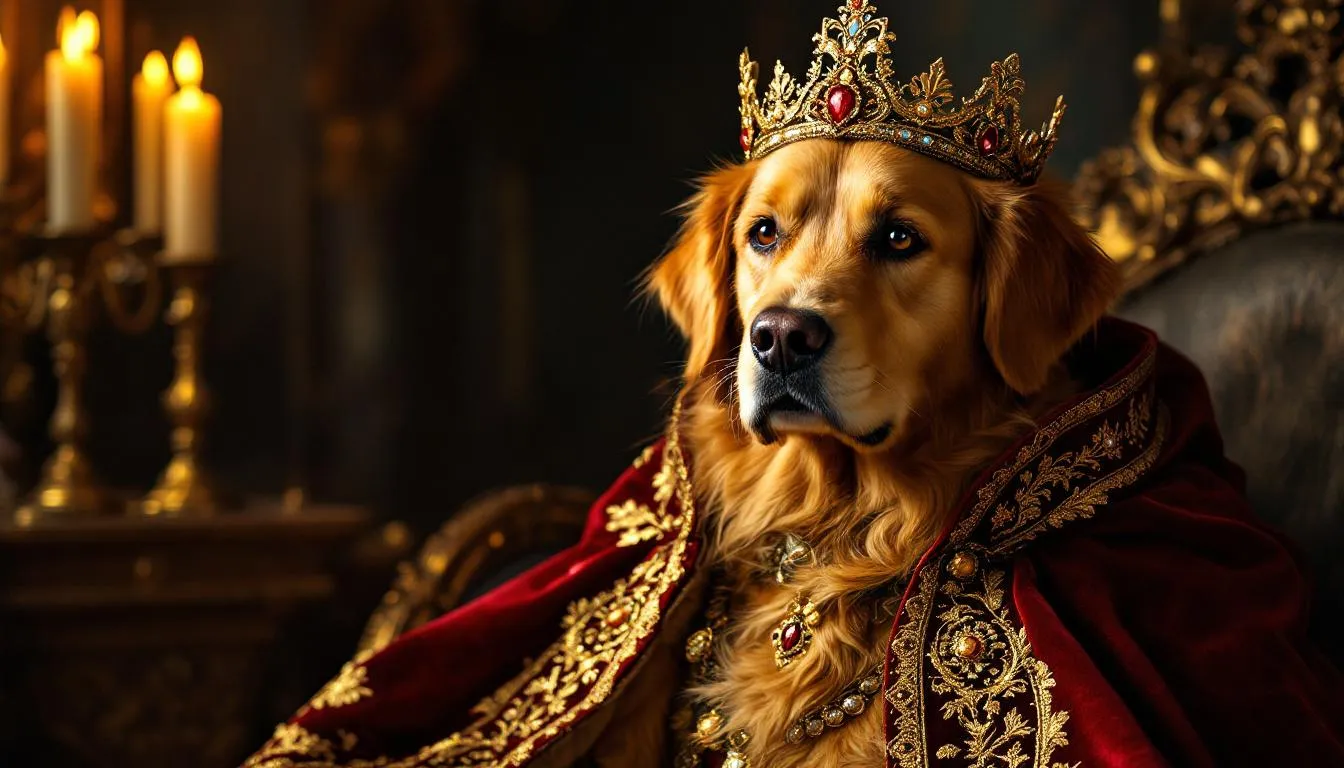
Royal Pet Portraits: Turn Your Pet Into Nobility
Your cat thinks they're royalty. Your dog knows they rule the house. Maybe it's time the art on your walls reflected this truth.
Royal pet portraits have exploded in popularity over the past few years. Not as a joke, though they're certainly funny. As genuine art. The kind that transforms your scruffy rescue mutt into a Victorian duke. The kind that puts your tabby cat in the elaborate robes of a Renaissance queen.
These portraits work because they honor what pet owners already know. Our animals aren't just pets. They're family members who happen to have fur. They deserve to be celebrated with the same grandeur once reserved for human aristocracy.
This guide covers everything about royal pet portraits. You'll learn about the different styles available, from baroque opulence to Victorian elegance. We'll explore how to choose the perfect photo of your pet for the best results. And you'll discover why these portraits have become one of the most meaningful gifts you can give to any animal lover.
Whether you're treating yourself or searching for that perfect present, you're about to understand why millions of pet owners have crowned their companions in paint and canvas.
What makes royal pet portraits special
A regular pet photo captures a moment. A royal pet portrait captures a legacy.
Think about the difference between a snapshot on your phone and a painting in a museum. Both show a subject. But one feels disposable. The other feels permanent. Meaningful. Worth passing down through generations.
Royal pet portraits bridge this gap by borrowing the visual language of classical portraiture. The rich velvet backdrops. The elaborate period costumes. The dignified poses and dramatic lighting that made historical paintings so compelling.
When you dress your labrador in the regalia of a 16th-century nobleman, something magical happens. The image becomes funny and touching at the same time. There's humor in the absurdity, but there's also genuine artistry. The best royal portraits don't just slap a costume onto a pet photo. They create cohesive artworks where your companion looks like they genuinely belong in that world.
The appeal of regal treatment
Why do these portraits resonate so deeply with pet owners?
Part of it is the contrast. Dogs and cats don't belong in ruffs and velvet capes. They don't sit for formal portraits in gilded frames. That incongruity makes people laugh. It creates an immediate reaction that generic pet art simply can't match.
But there's something deeper happening too. Royal portraits elevate our pets to the status we already give them in our hearts. For many people, their dog or cat is the most important creature in their lives. Treating them with the visual respect once reserved for kings and queens feels right. It feels honest.
Fable specializes in this kind of transformation. We don't just edit photos. We study your pet's expression, their personality, their particular way of tilting their head or looking at the camera. Then we create artwork that captures who they really are, dressed in the dignity they deserve.
Beyond novelty
Some people initially approach royal pet portraits as a joke. A funny thing to hang in the office. A gag gift for a friend's birthday. But something interesting happens after people live with these portraits for a while.
They stop seeming funny. They start seeming beautiful.
Visitors notice the art immediately. They comment on it. They lean in for a closer look. And then they ask about the pet. Suddenly you're sharing stories about your companion that you haven't told in years. The portrait becomes a conversation starter, a memory trigger, a celebration of a bond that matters.
That's the real power of royal pet portraits. They take something precious, your love for your pet, and make it visible. Permanent. Worthy of the walls in your home.
Popular royal portrait styles
Not all royal pet portraits look the same. The style you choose dramatically shapes the final piece. Some lean into humor. Others aim for historical accuracy. The best choice depends on your pet's personality and your own aesthetic preferences.
Renaissance nobility
The Renaissance period, roughly the 14th through 17th centuries, produced some of the most recognizable portraiture in Western art. Think of the Mona Lisa's mysterious smile or the elaborate court paintings of royal families. These works emphasized realism, rich colors, and careful attention to fabric and texture.
Renaissance-style pet portraits capture this aesthetic beautifully. Your pet appears in the ornate robes of Italian nobles, surrounded by the deep reds and golds that characterized the period. Velvet capes. Intricate embroidery. Perhaps a jeweled collar replacing their everyday tags.
This style works especially well for pets with dignified bearings. The stoic German shepherd. The aloof Persian cat. The greyhound with aristocratic bone structure. These animals look natural in Renaissance finery because their expressions already carry that air of nobility.
Family portraits in Renaissance style create particularly striking pieces. Multiple pets can appear together as a noble family, each dressed appropriately for their perceived status. The eldest dog as patriarch. The kitten as the youngest heir.
Victorian elegance
The Victorian era brought its own distinct approach to portraiture. Less about Renaissance opulence, more about restrained elegance. Think dark backgrounds, formal poses, and the particular fashions of 19th-century England.
Victorian pet portraits often feature high collars, military medals, and the distinguished attire of the British upper class. The aesthetic feels proper. Civilized. Like your bulldog just finished taking tea at the club before sitting for their portrait.
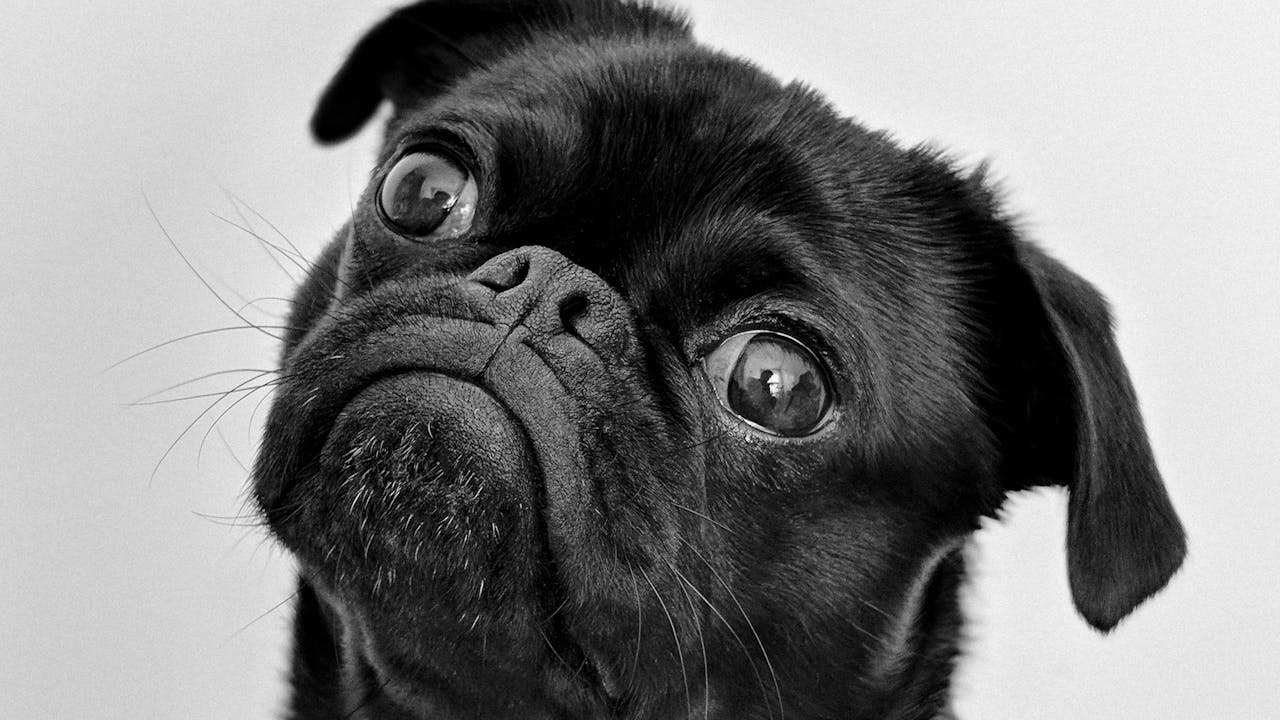
This style pairs wonderfully with pets who have serious expressions. The pug who always looks slightly disapproving. The Scottish fold cat with permanent judgment in their eyes. Victorian formality amplifies these expressions into something genuinely magnificent.
The color palette tends toward darker, more muted tones. Rich browns, deep greens, touches of gold for military decorations. The result feels timeless in a different way than Renaissance styles, more grounded, less fantastical.
Baroque grandeur
Baroque art pushed drama to its extreme. Think Caravaggio's intense lighting, Rubens's dynamic compositions, Rembrandt's psychological depth. These artists created works that grabbed viewers and didn't let go.
Baroque-style pet portraits embrace this intensity. Strong light sources create dramatic shadows across your pet's face. The backgrounds often fade to near-black, making your subject pop with almost three-dimensional presence. Every fold of fabric catches light. Every whisker casts its own tiny shadow.
This style demands attention. It doesn't blend into a wall. It dominates whatever room it occupies. For pet owners who want a statement piece, baroque grandeur delivers.
The emotional impact of baroque portraits tends toward the profound rather than the playful. Your pet looks less like a noble and more like a being of genuine importance. Someone (or something) who matters deeply and deserves to be remembered.
Military and naval themes
Your pet as a decorated general. Your cat as an admiral of the royal navy. Military-themed portraits add another layer to the royal treatment by incorporating themes of honor, service, and achievement.
These portraits typically feature uniforms rich with medals, epaulets, and ceremonial decorations. The posing tends toward formal military portraiture, chest out, gaze steady, the bearing of someone who has commanded great things.
Military themes work particularly well for pets with alert, focused expressions. The German shepherd who watches everything. The border collie always ready for action. The tabby cat who patrols their territory with genuine seriousness.
Self portraits in military style let pet owners immortalize their companion's protective nature. That dog who guards the house. That cat who seems to genuinely believe they're defending the realm.
Royal court compositions
Some portraits go beyond individual subjects to create entire court scenes. Your pet on a throne, surrounded by implied wealth and power. Servants barely visible at the edges. Crown jewels glinting in candlelight.
These compositions draw from the grand state portraits of actual royalty. The kind of paintings that hung in palace galleries and demonstrated the power of whoever sat for them. Applying this treatment to pets creates something both absurd and wonderful.
Court compositions work well for pets with strong personalities. The cat who genuinely believes they're in charge. The dog who has never met a stranger, only subjects who haven't yet acknowledged their majesty.
How to choose the perfect photo
Your portrait can only be as good as the photo you provide. This matters more than most people realize. The right source image produces stunning results. The wrong one leaves you disappointed, no matter how skilled the artist.
Understanding what makes a good portrait photo saves time, money, and frustration. It also dramatically improves what you ultimately hang on your wall.
Lighting fundamentals
Light makes photographs. This sounds obvious because it is. But many pet owners submit photos taken in poor lighting and wonder why the finished portrait feels flat or lifeless.
The best source photos feature soft, even illumination. Natural daylight works beautifully for most situations. Position your pet near a window, not in harsh direct sunlight that creates stark shadows, but in the gentle diffused light of an overcast day or filtered through sheer curtains.
Avoid flash photography completely. That burst of artificial light flattens features and creates unnatural highlights in your pet's eyes. The result looks artificial, and that artificiality carries into any portrait based on it.
If you're taking new photos specifically for a portrait, morning and evening light work best. The golden hour that photographers obsess over flatters pets just as much as humans. Warm, angled light brings out fur texture and creates the kind of dimensional shadows that translate beautifully into painted art.
The how it works page covers specific technical requirements. But as a general rule, if your photo looks good to your eye, it'll probably work for a portrait.
Resolution requirements
A blurry photo produces a blurry portrait. No artist, no matter how talented, can invent details that don't exist in your source material.
When evaluating potential photos, zoom in. Really zoom in. Can you see individual hairs in your pet's coat? Can you make out the texture of their nose? The particular patterns in their eyes? If the image breaks apart into visible pixels when you examine it closely, you'll need something with higher resolution.
Modern smartphones capture excellent photos. Most images from the past few years are more than adequate for portrait work. Problems arise with older phones, heavily compressed images shared through messaging apps, or photos taken from too far away and then cropped significantly.
File size offers a rough indicator. Photos under 1MB might work for casual viewing but often lack the detail needed for quality portraits. Images over 3MB typically contain enough information for even large prints.
Capturing personality
Technical quality means nothing if your photo doesn't look like your pet.
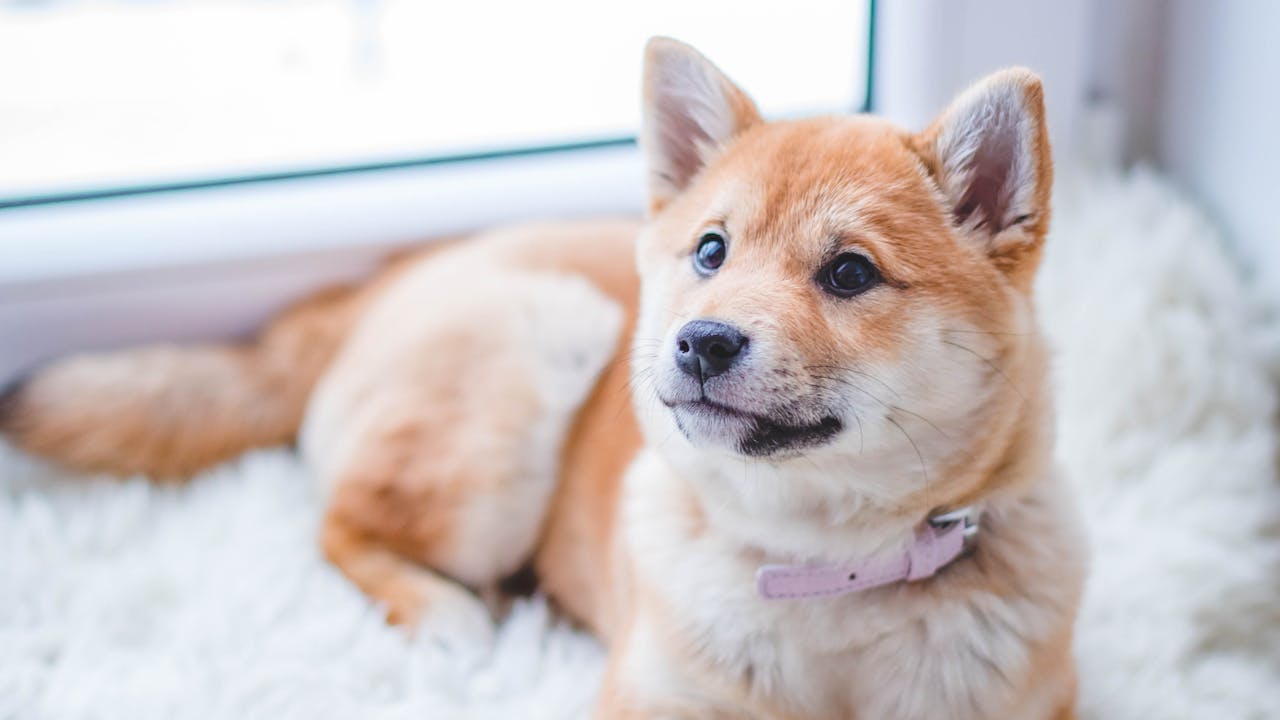
Every animal has signature expressions. The head tilt that means they're listening. The soft eyes when they want treats. The alert ears when something interesting happens outside. The squinty contentment when they're truly relaxed.
The best portrait photos capture these moments. Not generic animal faces. Your pet's face, with all its familiar quirks and particular characteristics that you'd recognize anywhere.
Before taking new photos, spend time reviewing what you already have. You might discover that perfect shot buried in your camera roll. That candid moment from last summer's picnic. The time they fell asleep in a sunbeam. The morning they stared at you until you shared your breakfast.
Authentic moments translate into portraits better than posed shots. They carry the personality that makes these artworks meaningful.
Pose and angle considerations
How your pet appears in the photo affects the entire portrait composition.
Three-quarter views work well for most royal styles. Your pet angled slightly to one side, both eyes visible, enough of their body to establish pose without overwhelming the face. This angle has dominated portraiture for literally centuries because it balances dimension with recognizability.
Straight-on shots work too, especially for pets with symmetrical features and alert expressions. These create direct connections between subject and viewer. Your pet looks right out of the portrait, meeting the eyes of anyone who looks.
Avoid extreme angles. Photos taken from above distort proportions and can make heads look oversized relative to bodies. Shots from below might capture unflattering nostrils and not much else. The most flattering angles generally match human eye level or slightly above.
Background clutter matters less than you might expect. Most portrait styles either remove the background entirely or replace it with period-appropriate settings. Focus on getting your pet right. Artists handle everything else.
Couple portraits require photos of both pets, ideally with similar lighting and resolution so they blend seamlessly in the final composition.
The creation process explained
Understanding how royal pet portraits come together helps set realistic expectations. It also deepens appreciation for the craftsmanship involved in transforming casual snapshots into museum-quality art.
Initial consultation and planning
Every royal portrait begins with study. The artist examines your submitted photo, noting proportions, distinctive features, and the overall impression your pet makes. What costume fits their bearing? What era matches their expression? What colors complement their natural coloring?
Renaissance styles suit differently than Victorian ones. A fluffy white Samoyed might look stunning in the reds and golds of Italian nobility. A sleek black cat might demand the stark drama of Dutch masters. These decisions happen before any actual creation begins.
Many artists share preliminary concepts before committing to final work. Rough sketches establishing composition. Color palettes showing the planned approach. This stage ensures alignment between your vision and the artistic direction.
Building the portrait
The actual creation varies by medium and artistic approach.
Digital artists work in layers, building detail gradually. They might start with basic shapes and blocking, add color and costume elements, refine features, apply textures that suggest oil paint or canvas. The process allows for easy revision and precise control.
Traditional painters approach things differently. Oil and acrylic require more planning because corrections are harder. The artist commits to decisions early and builds the portrait methodically from background to foreground, dark values to light.
Both approaches require significant time. A quality royal portrait isn't a filter or a quick edit. The costume alone might take hours to render convincingly. Getting fur to look natural, with each strand catching light differently, demands extraordinary patience. Shadows suggesting depth. Highlights implying dimension. The cumulative effect creates realism that automated processes can never achieve.
Fable's pricing reflects this investment. You're paying for genuine craftsmanship, not a template with your pet's head pasted on.
Review and refinement
Good artists build revision into their process. Before declaring any portrait complete, they share progress with clients for feedback.
Does the expression look right? Is the costume what you envisioned? Are there details that need adjustment, perhaps a different crown style or a specific color change?
This stage matters more than some people expect. No artist, however skilled, knows your pet the way you do. They work from a photograph. You work from years of daily observation. You notice things they might miss. The particular way one ear always flops. The exact shade of your pet's eyes in certain light.
Speaking up during revision produces better portraits. Don't hesitate to ask for changes. The goal is artwork you'll cherish for years, and that requires your input.
Printing and delivery
Digital portraits offer flexibility in final format. You receive high-resolution files suitable for printing at various sizes. Choose the dimensions that work for your space, the paper stock that matches your preference, the frame that completes the look.
Physical paintings arrive ready for display or require professional framing. Either way, packaging should protect the work during shipping. Quality services use materials that prevent damage in transit.
Check what's included before ordering. Does the price cover printing? Framing? Shipping? Understanding these details prevents surprise costs and ensures you know exactly what you're getting.
Royal pet portraits as gifts
These artworks make extraordinary presents. This isn't marketing speak. Ask anyone who's given one. Ask anyone who's received one.
The reaction is almost always the same. That particular overwhelmed sound people make when they don't know what to say. Tears often. Laughter usually. The recognition that someone understood what their pet means to them.
Why they resonate so deeply
Gift-giving is genuinely hard. Finding something meaningful for people who matter most challenges even the most thoughtful shoppers. Generic presents feel hollow. Gift cards feel lazy. And everyone already owns too much stuff they don't need.
Royal pet portraits solve this problem because they can't be generic. They require the giver to know the recipient. To choose a photo. To consider style preferences. To invest thought and effort into something unique.
The recipient feels this investment immediately. They understand that this isn't a last-minute purchase. Someone who cares about them took time to celebrate what they love.
That emotional impact makes these portraits unforgettable. People remember who gave them years later. They tell the story to visitors who comment on the art. The gift becomes a permanent part of their home and their history.
Perfect gifting occasions
Some moments call for extraordinary gifts more than others.
Birthdays work beautifully, especially milestone years. The person turning 50 probably has everything they need. But they don't have their beloved pet immortalized as Victorian nobility.
Winter holidays provide natural opportunities. Christmas, Hanukkah, any celebration where presents are expected. A royal portrait under the tree creates memories that last far beyond the season.
Pet adoption anniversaries have grown increasingly popular as gift occasions. Celebrating the day a rescue became family with custom art acknowledges what that bond truly means.
Memorial occasions carry their own particular weight. Honoring a pet who has passed with a royal portrait provides comfort during grief. It keeps their memory visible, present, part of daily life even after they're gone.
Housewarmings offer another opportunity. New space means new walls that need filling. A portrait of the new homeowner's pet solves that beautifully while demonstrating genuine thoughtfulness.
Kids portraits make wonderful gifts when the recipient has both children and pets. Capture the whole family, human and furry members alike, in matching royal style.
Ordering for someone else
Commissioning a portrait as a gift requires some navigation. You need a photo, but you're not the one with the photos.
Several approaches work. The direct method involves simply asking for pictures under some pretext. Most people happily share pet photos with minimal prompting. Something like "I miss seeing your dog, send me some photos" rarely raises suspicion.
If secrecy matters more, social media helps. Scroll through their posts for high-quality dog or cat photos. Download discretely. Most pet owners post plenty of pictures of their animals, often with exactly the kind of personality-capturing expressions that make excellent portraits.
You can also involve a mutual friend or family member. Someone who has photos or can obtain them naturally without revealing the surprise.
Once you have the source material, the process mirrors ordering for yourself. Choose a style. Provide details about the pet's name and any characteristics the artist should know. Then wait for the finished work that will make someone's day, month, or year.
Displaying your royal portrait
You have your beautiful new artwork. Now where does it go?
Placement affects everything. The right spot makes a portrait shine as the room's focal point. The wrong spot makes it invisible, lost among other decor that competes for attention.
High-traffic areas
You want this seen. You want to see it yourself, daily. Place your royal portrait somewhere that gets regular attention.
Living rooms work excellently. That wall you face from the couch. The spot above the fireplace if you have one. Anywhere that naturally draws the eye when spending time in the space.
Entryways make strong impressions. A portrait greeting guests as they enter sets the tone for your entire home. It says pets are royalty here. It gives visitors something to comment on before they've even taken off their coats.
Home offices have become increasingly important spaces. A royal pet portrait watching over your work adds personality to video calls. It humanizes virtual meetings. It prompts conversations that break the ice with colleagues and clients alike.
Hallways offer surprising potential. That boring stretch between rooms becomes an art gallery. Multiple portraits work especially well in hallways, creating a collection that unfolds as you walk.
Lighting matters
Art needs light to live. This sounds obvious but gets overlooked constantly.
Natural light flatters most portraits beautifully. Position the piece where daylight reaches without direct sunbeams, which cause colors to fade over time. The same soft illumination that makes good portrait photos makes good portrait viewing.
If natural light isn't practical, add artificial options. Picture lights mount directly above frames and focus attention intentionally. Track lighting offers flexibility for multiple pieces. Even a well-placed floor lamp can transform how a portrait appears in the evening.
Avoid dark corners. That might seem like safe storage, protecting the art from sunlight damage. But it defeats the purpose of having beautiful artwork. You commissioned this piece to enjoy it. Put it somewhere you can actually see.
Coordinating with existing decor
Your royal pet portrait doesn't exist in isolation. It shares wall space with other pieces, other furniture, other design choices you've already made.
Consider color relationships. A portrait with rich jewel tones might overwhelm a pastel room. A minimalist piece might disappear against elaborate wallpaper. The goal is complement, not competition.
Frame choice matters too. The right frame enhances everything about the portrait. The wrong frame distracts from it. When in doubt, keep frames simple. Let the artwork speak for itself. Ornate gold frames can work beautifully with Renaissance styles but might feel excessive with cleaner Victorian compositions.
Multiple portraits create different possibilities. A series showing different pets. Various companions throughout your life. A progression showing your current pet at different ages. Collections have impact that single pieces can't match.
The blog offers more ideas for integrating pet art into various home styles.
Portrait styles for different pets
Not every style works equally well for every animal. Part of choosing the right royal portrait involves matching the artistic approach to your particular pet's appearance and personality.
Dogs with noble bearing
Some dogs look born for royalty. Great Danes with their aristocratic bone structure. Greyhounds and whippets with elegant lines. Standard poodles with natural regality. These breeds translate effortlessly into Renaissance and baroque styles.
The key is expression. Dogs who naturally look dignified, serious, or composed often shine brightest in formal royal treatments. The portrait style amplifies what's already there rather than forcing something unnatural.
For these pets, consider styles with elaborate costumes and classical compositions. The more formal the treatment, the more natural they'll appear in the final artwork.
Pets with playful personalities
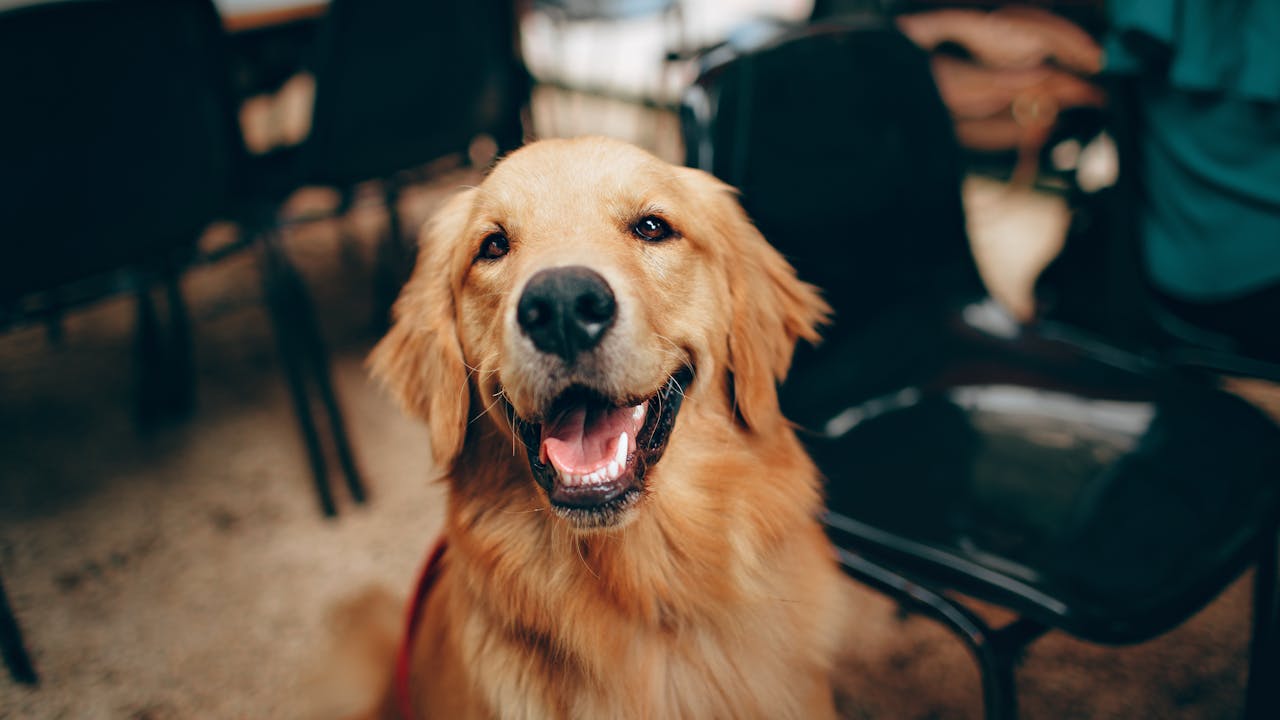
Other animals are goofballs. The golden retriever always smiling. The corgi with permanent enthusiasm. The cat who has never once looked dignified in their entire life.
These pets can still rock royal portraits, but the style choice matters. Leaning into the contrast between their natural silliness and formal royal treatment creates something wonderful. That dopey expression beneath a crown. Those floppy ears emerging from an elaborate collar.
The humor becomes part of the appeal. You're not trying to make them look serious. You're celebrating their personality by putting it in an incongruous context.
Cats and their particular demands
Cats present unique opportunities for royal portraits. Their natural expressions often already convey judgment, aloofness, and quiet superiority. Renaissance and Victorian styles amplify these qualities beautifully.
The challenge with cats lies in photography. They don't pose on command. They don't stay still when you want them to. Getting that perfect dignified expression requires patience, luck, or both.
But when you capture the right moment, cats in royal portraits look absolutely magnificent. Like they've been waiting their entire lives for someone to recognize their proper station.
Exotic pets and unusual subjects
Royal pet portraits aren't limited to dogs and cats. Rabbits, guinea pigs, ferrets, birds, even reptiles can receive the royal treatment with the right artistic approach.
The key is finding reference styles that work with the animal's natural shape and features. A parrot might suit conquistador themes. A rabbit could channel aristocratic children's portraits. The possibilities expand with creative thinking.
Not every artist handles unusual subjects. Check portfolios and discuss options before ordering. The best results come from artists with experience creating non-traditional royal portraits.
Common questions about royal pet portraits
People new to custom pet art often have similar questions. Let's address the most frequent ones directly.
How long does a royal portrait take to create?
Timelines vary based on complexity, artist workload, and current demand. Simple digital compositions might take one to two weeks. Elaborate hand-painted pieces could require a month or more.
Expect minimum turnaround of seven to fourteen days for most styles. Rush orders are sometimes possible for additional fees, but quality typically suffers when artists hurry. Better to plan ahead and give the work appropriate time.
Holiday seasons get particularly busy. If you need a portrait for Christmas delivery, order by early November at the latest. Many artists stop accepting holiday orders entirely by mid-November due to capacity constraints.
What if my pet has passed away?
Memorial portraits are among the most meaningful commissions artists receive. Creating a royal portrait of a beloved pet who is no longer with you provides lasting comfort during difficult times.
The process works exactly the same as portraits for living pets. You provide a quality photo. The artist creates the artwork. The only difference is emotional weight, which skilled artists handle with appropriate sensitivity and care.
Many pet owners find that creating memorial portraits helps with grief. It provides a way to honor the bond while transforming loss into something beautiful.
Can multiple pets appear in one portrait?
Absolutely. Multi-pet royal portraits capture your entire gang dressed in coordinating finery. Whether that's two dogs, three cats, or a mixed household of various species, group compositions celebrate the whole family.
These portraits require more planning. Each pet needs suitable source photos, ideally with similar lighting and quality so they blend seamlessly. The composition must accommodate multiple subjects without crowding or making anyone look secondary.
Pricing typically increases with additional subjects, reflecting the extra work involved. But the results are worth it for households with multiple animals. Seeing your pack portrayed as a royal court creates particular joy.
What about pets who won't stay still?
Every pet owner knows this struggle. You want that perfect portrait photo, but your animal won't cooperate for three consecutive seconds.
Here's the secret: you don't need posed perfection. Candid shots often work better anyway. That moment of stillness before they bolt after something. The brief pause when you say their name. The calm after a long walk or play session.
Burst mode on modern smartphones helps enormously. Capture dozens of frames in seconds. Even hyperactive pets hold still for some of them.
If all else fails, wait for sleep. Naptime creates plenty of portrait opportunities. A peaceful sleeping pose might not seem royal, but certain styles transform rest into something beautifully serene.
Is a royal pet portrait worth the investment?
Only you can answer this ultimately. But consider what you're actually buying.
A royal pet portrait isn't a mass-produced print from a discount retailer. It's a one-of-a-kind artwork created specifically for you and your pet. The artist spent hours, sometimes days, studying your photo and translating it into something lasting. Every stroke or pixel represents intentional decision-making.
Compare that investment to other gifts. How many generic presents equal the impact of custom art? How many bouquets that die within a week? How many gadgets that become obsolete within a year?
The portrait lasts. Decades from now, it will still hang on someone's wall. Still prompt stories about the pet who inspired it. Still preserve a memory of a companion who was genuinely loved.
That's what your investment buys. Whether that's worth the price depends entirely on how much the bond with your pet matters to you.
Creating your royal pet portrait
Ready to transform your pet into nobility? Fable makes the process straightforward.
Start by choosing your style. Browse examples to find what resonates with your aesthetic preferences and your pet's personality. Consider what would make you smile every single time you saw it on your wall.
Then select your photo. Apply everything you've learned about lighting, resolution, expression, and angle. Pick an image that genuinely captures who your pet is, not just what they look like.
Upload through the how it works page. Provide any special instructions. Does your pet have a nickname you'd like incorporated somewhere? A particular costume style you're envisioning? Specific colors that complement your home? The more context you share, the better your result will be.
Review pricing options and timeline expectations. Understand exactly what you're getting and when to expect delivery. Ask questions if anything seems unclear.
Then wait. The hardest part, admittedly. But anticipation makes the reveal that much more rewarding.
When your portrait arrives, share it. Post it. Show it off proudly. You've created something genuinely special. Let others appreciate it too. Let them meet the noble version of your beloved companion.
The lasting value of royal portraits
We've covered the practical details. The styles. The process. The tips for best results. But let's close with the deeper why.
Pets change our lives in ways that are hard to articulate. They teach us about unconditional love. About living in the present moment. About finding joy in simple things, a walk around the block, a game of fetch, a warm lap to curl up in.
They also break our hearts. Because they leave too soon. Always too soon.
A royal portrait doesn't change these realities. It doesn't extend their lives or prevent the inevitable goodbye that every pet owner eventually faces. What it does is capture something precious. Preserve something fleeting. Create a permanent record of a bond that truly mattered.
Years from now, you'll look at your portrait and remember. The feel of that particular fur under your fingers. The sound of those specific footsteps on your floor. The way they looked at you like you were the most important person in their entire world.
That's worth more than wall art. That's legacy. That's love made visible and permanent.
Your pet deserves that kind of honor. And honestly, so do you.
Frequently asked questions
How much does a royal pet portrait cost?
Prices vary significantly based on style, size, and artistic approach. Basic digital portraits might start around $50 to $100. Elaborate hand-painted pieces can reach several hundred dollars or more. Fable's pricing shows current options and exactly what each tier includes.
What styles work best for different types of pets?
Renaissance and baroque styles suit pets with dignified expressions. Victorian themes complement serious-looking animals. Playful pets can rock any style, with the humor coming from contrast between their personality and formal treatment. Military themes work wonderfully for alert, watchful pets.
How do I get a good photo of an uncooperative pet?
Use burst mode to capture many frames quickly. Try during calm moments after exercise. Use treats to direct their gaze. Photograph during nap time for peaceful expressions. Natural light near windows produces the best results.
Can I include my pet's name or custom text in the portrait?
Many artists accommodate custom elements like names on plaques, specific color requests, or themed accessories. Discuss these during the ordering process. Complex customizations may affect pricing and timeline.
What size should I order?
Consider where you'll display the portrait. Living room focal points benefit from larger sizes. Desk displays work with smaller prints. Measure your intended wall space before ordering. Most artists offer various size options to fit different needs.
How do royal pet portraits compare to regular pet paintings?
Royal portraits specifically incorporate historical costume and styling elements. Regular pet paintings might be realistic renderings or artistic interpretations without the nobility theme. The royal approach adds humor, grandeur, and a particular kind of personality to the artwork.
Related guides
- Personalized dog portraits - comprehensive guide to custom dog art
- Family portraits - include human and pet family members together
- How it works - detailed process walkthrough
- Pricing - current options and packages
Sources
- The Evolution of Pet Portraits - History of pet portraiture from ancient times to modern trends
- Why Royal Pet Portraits Are Popular - Understanding the appeal of regal pet art
The best art doesn't just decorate walls. It tells stories. It preserves what matters. It celebrates the creatures who fill our lives with joy. Your pet has given you unconditional love. Give them immortality in return. Start creating their royal portrait and give them the throne they've always deserved.