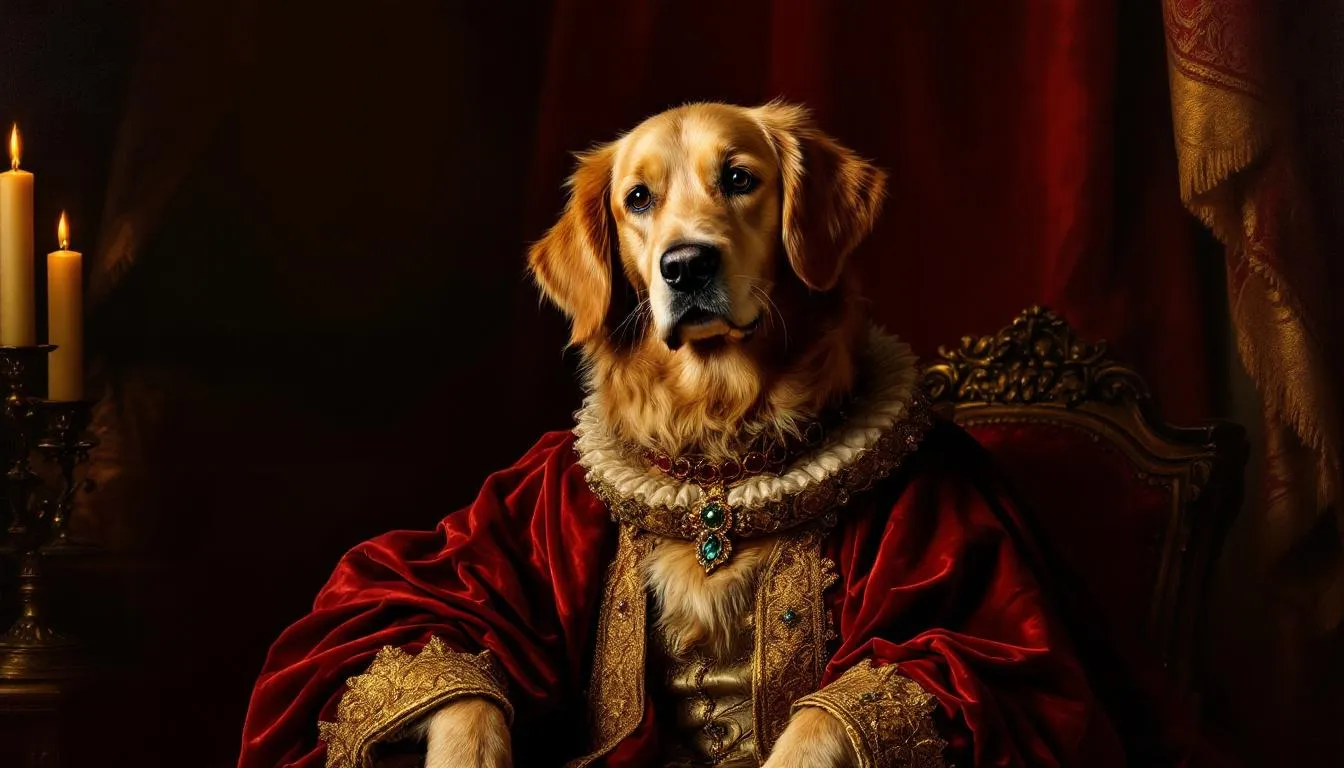
Renaissance Pet Portraits: Timeless Art for Modern Pet Lovers
Your pet has a soul. You see it in the way they tilt their head when you speak. In the slow blink your cat gives from across the room. In the absolute joy your dog radiates when you walk through the door.
Renaissance painters spent their lives trying to capture that kind of depth on canvas. They painted popes, kings, and queens with techniques so advanced that their work still hangs in the world's greatest museums five centuries later. Rich oil glazes. Dramatic light falling across velvet and silk. Eyes that seem to follow you through the room.
Now imagine that same artistic tradition applied to your pet.
That's the idea behind renaissance pet portraits. They take the visual language of history's greatest art movement and use it to celebrate the creatures we love most. Not as a joke, though they can be funny. As genuine art that honors a genuine bond. This guide covers everything you need to know about renaissance pet portraits. You'll learn the history behind the style, the techniques that make it work, how to choose the perfect photo, and why these portraits have become one of the most meaningful gifts in the pet world.
The Renaissance roots of pet portraiture
Understanding why renaissance pet portraits work means understanding where they come from. This isn't a random aesthetic choice. It's built on five centuries of artistic tradition.
Animals in actual Renaissance art
Animals weren't strangers to Renaissance paintings. Far from it. They appeared constantly, though rarely as the primary subject.
Titian's Venus of Urbino, painted in 1538, features a small dog curled up at the foot of the bed. The dog wasn't decorative. In Renaissance visual language, dogs symbolized fidelity and loyalty. Titian placed that sleeping pup deliberately, communicating marital faithfulness through symbolism that educated viewers would have recognized immediately.
Paolo Veronese went bigger. His massive Wedding at Cana (1562-1563), which now hangs opposite the Mona Lisa in the Louvre, includes dogs, parrots, and monkeys scattered throughout the scene. These animals added atmosphere and life to a canvas measuring over 22 feet wide. They made the grand biblical scene feel populated and real.
Leonardo da Vinci studied animals obsessively. His notebooks contain hundreds of animal sketches, capturing movement and anatomy with scientific precision. He believed that understanding the natural world was fundamental to creating convincing art.
Jan van Eyck's Arnolfini Portrait (1434) features a small Brussels griffon standing alert between the two human subjects. Again, the dog carried specific meaning. It represented loyalty, devotion, and the domestic bond between husband and wife.
These artists didn't paint animals casually. Every creature in a Renaissance painting served a purpose, carried symbolism, and demonstrated the painter's technical mastery. The tradition of treating animals with artistic seriousness runs deep through Western art history.
What made Renaissance art revolutionary
The Renaissance, spanning roughly the 14th through 17th centuries, changed everything about how humans created visual art. Before this period, medieval paintings looked flat. Figures floated against gold backgrounds without realistic depth or proportion. Art served religious instruction, not visual pleasure.
Then Filippo Brunelleschi figured out linear perspective around 1415. He proved mathematically that parallel lines converge at a single vanishing point, giving artists a system for creating convincing three-dimensional space on flat surfaces. Leon Battista Alberti codified this discovery in his 1435 treatise On Painting, which became the foundation of Western art for the next five centuries.
Masaccio applied these principles first. His Holy Trinity fresco (1427) in Florence stunned contemporary viewers with its realistic depth. Artists across Italy began studying and adopting these techniques, launching a creative revolution that produced some of humanity's greatest artistic achievements.
But perspective was only part of the story. Renaissance painters also mastered oil painting techniques that produced unprecedented richness and depth. They developed chiaroscuro, the dramatic interplay of light and shadow that gives figures weight and presence. They perfected sfumato, the subtle blending of colors and tones that eliminates harsh edges and creates soft, lifelike transitions.
These techniques combine to create something unmistakable. You know a Renaissance painting when you see one. The warm glow of candlelight on skin. The lush texture of velvet catching light at different angles. The depth of background fading into atmospheric perspective. The sense that the subject exists in real space, breathing and present.
When applied to pet portraits, these same techniques transform everyday snapshots into something extraordinary. Your golden retriever doesn't just appear on canvas. They inhabit it.
Why renaissance pet portraits have become so popular
This isn't a niche trend. The pet portrait industry has exploded into a multi-million dollar category, with renaissance styles leading the charge.
The numbers behind the movement
The pet care industry tells a massive story. Morgan Stanley projects total pet care spending will reach $275 billion by 2030, growing at roughly 8% annually. Per-pet spending is expected to climb to $1,733 per household by 2030, up from $980 in 2020. That's a 77% increase in a decade.
What's driving this growth? The same force driving renaissance pet portraits. People treat their pets as family. Millennials and Gen Z lead this shift. Sixty-five percent of 18 to 34 year olds plan to acquire or add a pet in the next five years. These younger pet owners spend more on premium products and services than older generations. They delay having children, buy homes, and pour the nurturing energy that previous generations directed toward kids into their animals instead.
Custom pet portraits sit perfectly within this trend. They're personal. They're premium. They celebrate the human-animal bond in a way that mass-produced products never can.
On Etsy alone, custom pet portraits rank among the best-selling personalized products year after year. Top sellers in the pet portrait category generate seven-figure annual revenues. The demand isn't seasonal. It's constant, with predictable spikes around holidays and gift-giving occasions.
Crown and Paw, one of the most prominent renaissance pet portrait companies, scaled from zero to over $10 million in revenue within nine months of launching. Founded in 2019 after the creator visited Amsterdam's Renaissance art museums, the company proved that combining classical art with pet culture creates extraordinary commercial potential. They've donated over $250,000 to animal welfare organizations and been featured in Vogue, Elle, and Rolling Stone.
Why Renaissance styles specifically
Among all the portrait styles available, renaissance consistently ranks as the most requested. And there's a fascinating reason why.
Renaissance portraiture was designed to communicate status. When a 16th-century Italian noble commissioned a portrait, they weren't just recording their appearance. They were making a statement. The elaborate costumes, the dignified poses, the rich backgrounds, every element screamed importance, power, and permanence.
Applying this visual vocabulary to a pet creates something inherently delightful. The contrast between a goofy labrador and the gravitas of Renaissance regalia generates an emotional response that simpler styles can't match. It's funny and touching simultaneously. You laugh because it's absurd. You feel moved because it's beautiful.
Fable recognized this early. The combination of serious artistic technique and playful subject matter produces portraits that people don't just hang, they display proudly. They become conversation starters. They become the thing every visitor asks about.
The deeper emotional appeal
Beyond humor and aesthetics, renaissance pet portraits tap into something more profound.
We all know our pets won't live as long as we will. That's the fundamental heartbreak of pet ownership. The average dog lives 10 to 13 years. Cats might reach 15 to 20. We get these brief, beautiful years with creatures who love us completely, and then they're gone.
A renaissance portrait pushes back against that impermanence. By placing your pet in a style that has endured for five hundred years, you're symbolically granting them a kind of immortality. The same artistic tradition that preserves the faces of Renaissance kings now preserves your pet's face. That's powerful. And pet owners feel it intuitively, even if they don't articulate it exactly this way.
This emotional depth explains why renaissance pet portraits consistently receive the strongest reactions as gifts. They're not just pretty. They mean something.
Choosing the right Renaissance style for your pet
Not all renaissance aesthetics are identical. The period spanned three centuries and multiple artistic movements, each with distinct visual characteristics. Matching the right style to your pet's personality makes the difference between a good portrait and a perfect one.
Italian High Renaissance
Think Leonardo, Raphael, and Titian. This style features balanced compositions, warm color palettes, and an emphasis on idealized beauty. The lighting tends toward soft and flattering. Backgrounds often include architectural elements or hazy landscapes fading into atmospheric perspective.
Italian High Renaissance suits pets with gentle, dignified expressions. The golden retriever who gazes at you with soft wisdom. The Persian cat with an air of quiet superiority. The poodle whose natural elegance needs no exaggeration.
The color palette runs warm. Golds, deep reds, emerald greens, and the particular amber of Renaissance candlelight. Costumes from this period feature elaborate embroidery, flowing silk, and the ornate details of Italian court fashion.
Family portraits in Italian Renaissance style create particularly stunning multi-pet compositions. Imagine your whole animal household arranged as a noble Italian family, each dressed in period-appropriate finery.
Northern Renaissance
The Northern Renaissance, centered in the Netherlands and Flanders, took a different approach. Artists like Jan van Eyck and Hans Holbein the Younger prioritized minute realistic detail over Italian idealization. Every thread in a fabric. Every reflection in a mirror. Every hair on a head.
This style suits pets with distinctive markings or textures. The tabby cat whose coat patterns deserve celebration. The dalmatian with unique spots. The wire-haired terrier whose scruffy texture becomes a masterpiece of artistic rendering.
Northern Renaissance portraits tend toward cooler tones and sharper detail. The backgrounds are more domestic than palatial. Think wood-paneled rooms, leaded glass windows, and the particular quality of northern European daylight filtering through clouds.
Baroque grandeur
Moving just past the Renaissance into the early Baroque, you find Caravaggio, Rembrandt, and Rubens. These artists pushed drama to its extreme. Deep shadows. Intense spotlighting. Subjects emerging from near-total darkness with almost theatrical presence.
Baroque works for pets with strong personalities. The dog who commands attention when they enter a room. The cat who owns every space they occupy. The parrot with plumage so vivid it practically glows.
This style creates the most dramatic portraits. The backgrounds often disappear into deep black, forcing all attention onto the subject. Every whisker catches light. Every fold of costume fabric tells a story. The effect is less decorative and more powerful. Not something that blends into your wall. Something that dominates it.
Military and court portraits
Renaissance and post-Renaissance courts produced a specific subcategory: the formal state portrait. These depicted rulers and military commanders in their most imposing finery. Ceremonial armor. Medals and decorations. The specific posture of someone accustomed to being obeyed.
Military themes translate beautifully to alert, watchful pets. The German shepherd who takes guarding seriously. The border collie who monitors everything within their line of sight. The cat who patrols their territory with the discipline of a four-star general.
Self portraits in military style capture the protective nature many pets display. That dog who positions themselves between you and the front door. That cat who confronts every suspicious noise with fearless investigation.
How to choose the perfect photo for your portrait
The quality of your source photo determines the quality of your finished portrait. This matters more than most people realize. A great photo with average artistic execution still produces something wonderful. An average photo with the best artist in the world produces something mediocre.
Lighting is everything
Renaissance painters were obsessed with light. Entire careers revolved around how light falls across surfaces, creates shadows, and defines form. Your portrait photo should share this obsession.
Natural light produces the best results for pet photography. Position your pet near a window where soft daylight illuminates their face evenly. Avoid harsh direct sunbeams, which create stark shadows and blown-out highlights. Overcast days provide the most flattering illumination because clouds act as a giant diffuser, spreading light evenly across your subject.
The golden hour, that warm period just after sunrise or before sunset, flatters pets as much as it flatters humans. The warm tones bring out fur texture and create the kind of dimensional lighting that Renaissance painters achieved with carefully positioned candles and oil lamps.
Flash photography is your enemy. That burst of artificial light flattens everything. It removes the subtle shadows that give faces depth and dimension. It creates unnatural catchlights in eyes. Never use flash for a portrait source photo.
Capturing authentic expression
Technical quality matters. But personality matters more.
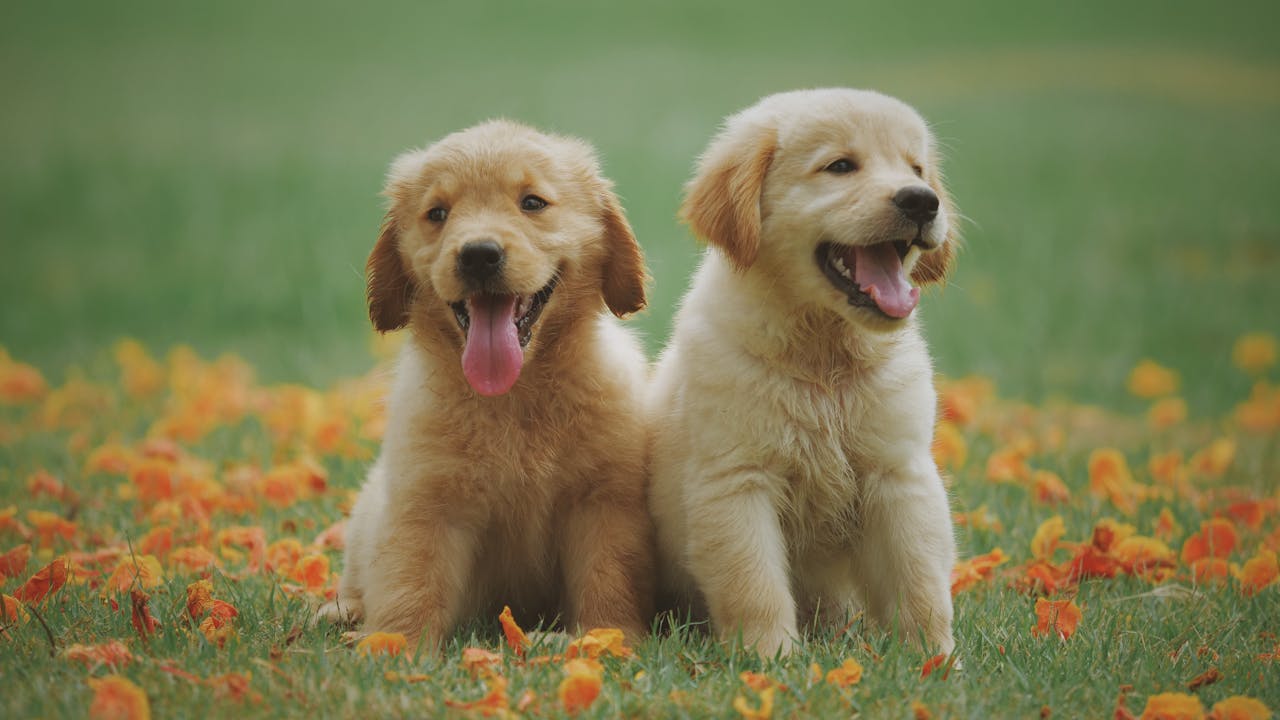
Every pet has signature expressions. The head tilt. The one ear that always flops. The way their tongue pokes out when they're relaxed. The intense focus when they hear a treat bag rustling. These moments define your pet. They make your portrait recognizably yours rather than a generic animal in costume.
Don't force poses. The stiff, staged pet photo rarely captures personality. Instead, work with your animal's natural behaviors. Photograph during calm moments after a walk or play session. Use treats or toys to direct attention. Catch them in their favorite spot, doing their favorite thing.
Burst mode on modern smartphones helps enormously. Taking dozens of frames in seconds means even hyperactive pets produce usable shots somewhere in the sequence. That split-second moment of stillness between one burst of energy and the next might be exactly what you need.
Review your camera roll before taking new photos. You might already have the perfect shot. That candid from last summer. The moment they fell asleep in a patch of sunlight. The time they looked directly at the camera with an expression that stopped your heart.
The how it works page covers specific technical requirements. But the most important thing isn't technical. It's emotional. Choose a photo that makes you feel something when you look at it. That feeling will translate into the finished portrait.
Resolution and technical requirements
A blurry photo can't become a sharp portrait. No artist can invent detail that doesn't exist in the source material.
When evaluating potential photos, zoom in on your pet's face. Can you see individual hairs in their coat? Can you distinguish the texture of their nose? The patterns in their eyes? If the image dissolves into visible pixels when you examine it closely, you need something higher resolution.
Modern smartphones capture excellent photos. Anything taken in the past few years with a decent phone typically provides sufficient detail. Problems arise with older cameras, heavily compressed images shared through messaging apps, or photos taken from too far away and then aggressively cropped.
As a general rule, photos over 3MB contain enough information for quality portrait work. Photos under 1MB might lack the detail needed for larger prints.
Angle and composition
Three-quarter views work best for most renaissance portrait styles. Your pet angled slightly to one side, with both eyes visible, provides the balance between dimension and recognizability that has dominated portraiture for centuries.
Straight-on shots work for pets with symmetrical features and strong expressions. The direct gaze creates an immediate connection between subject and viewer. Your pet looks right out of the portrait, meeting every eye in the room.
Photograph at your pet's eye level or slightly above. Shooting from human standing height looking down distorts proportions and creates unflattering perspectives. Get down on their level. See the world the way they see it. Capture them as equals, not as subjects viewed from above.
Couple portraits require photos of both animals, ideally taken in similar lighting conditions so they blend naturally in the final composition.
The creation process from photo to masterpiece
Understanding how renaissance pet portraits come together deepens appreciation for the craft. It also helps set realistic expectations about what's possible and what you'll receive.
How artists approach your photo
Every portrait begins with study. Before any creative work starts, the artist examines your submitted photo carefully. They note your pet's proportions. Distinctive features. The way light falls across their face. The overall impression they convey.
Then comes the critical creative decision: which specific Renaissance aesthetic best suits this particular animal. A fluffy white Samoyed might look stunning in the deep reds and golds of Italian nobility. A sleek black cat might demand the dramatic chiaroscuro of Caravaggio. A jowly bulldog might suit the restrained elegance of a northern European merchant portrait.
These choices happen before any actual creation begins. They determine color palette, costume design, background treatment, and lighting approach. Getting this foundation right makes everything else work.
Building layers of detail
Renaissance paintings were built in layers. Artists started with rough compositional sketches, then blocked in basic colors and values, then gradually refined detail across multiple passes. Each layer added depth and complexity to the previous one.
Modern renaissance pet portraits follow a similar philosophy. Whether created digitally or traditionally, the process builds from general to specific. Basic shapes and proportions first. Color and costume elements next. Feature refinement. Texture work. Final details like individual fur strands catching light.
The costume alone might require hours of careful rendering. Renaissance clothing was elaborate. Velvet capes. Embroidered collars. Jeweled accessories. Military medals. Each element needs to look convincing while harmonizing with your pet's natural coloring and proportions.
Fur presents its own challenge. Getting it to look natural, with each strand reflecting light slightly differently, with the right texture and movement, demands patience and skill. The best artists make this look effortless. It never is.
Fable's pricing reflects this investment of time and skill. You're paying for genuine craftsmanship applied to a subject you care about deeply.
The review process
Good artists share progress before declaring any portrait complete. They want your feedback because no one knows your pet like you do.
Does the expression look right? Is the costume what you envisioned? Does something about the eyes feel slightly off? You've spent years observing this animal daily. You notice things that even skilled artists might miss. The particular way one ear always tilts. The exact shade their eyes become in certain light.
Don't hesitate to request changes. The goal is artwork you'll cherish for years. Reaching that standard often requires collaboration between artist and client. Your input makes the portrait yours in a way that a purely artist-driven process can't match.
Which pets work best for Renaissance portraits
Any pet can receive the Renaissance treatment. But certain animals and personality types produce particularly striking results.
Dogs with natural dignity
Some breeds seem born for Renaissance portraiture. Great Danes carry aristocratic bone structure in their DNA. Greyhounds and whippets possess elegant lines that echo the refined proportions of Italian court subjects. Standard poodles exude natural regality. Afghan hounds have the kind of flowing hair that Renaissance painters lived to render in oil.
But natural dignity isn't limited to specific breeds. Any dog with a composed expression can shine in a Renaissance setting. The mixed breed who holds their head just so. The rescue with eyes that tell stories. The senior dog whose graying muzzle adds gravitas that younger animals can't match.
Expression matters more than breed. A dog who naturally looks thoughtful, composed, or alert will produce a portrait that feels authentic rather than forced.
Playful pets and the power of contrast
What about the goofy ones? The golden retriever who smiles constantly. The corgi with permanent enthusiasm. The boston terrier who has never once looked dignified in their entire life.
These pets can absolutely rock renaissance portraits. The key is embracing the contrast rather than fighting it. That dopey expression beneath an elaborate crown. Those floppy ears emerging from a jeweled collar. The tongue poking out from between the folds of a velvet cape.
The humor becomes the appeal. You're not trying to make your pet look serious. You're celebrating their absurd, wonderful personality by placing it in the most incongruous context imaginable. The result makes people laugh and then look closer. And then ask about the pet. And then listen to stories about them that you love telling.
Cats and their inherent royalty
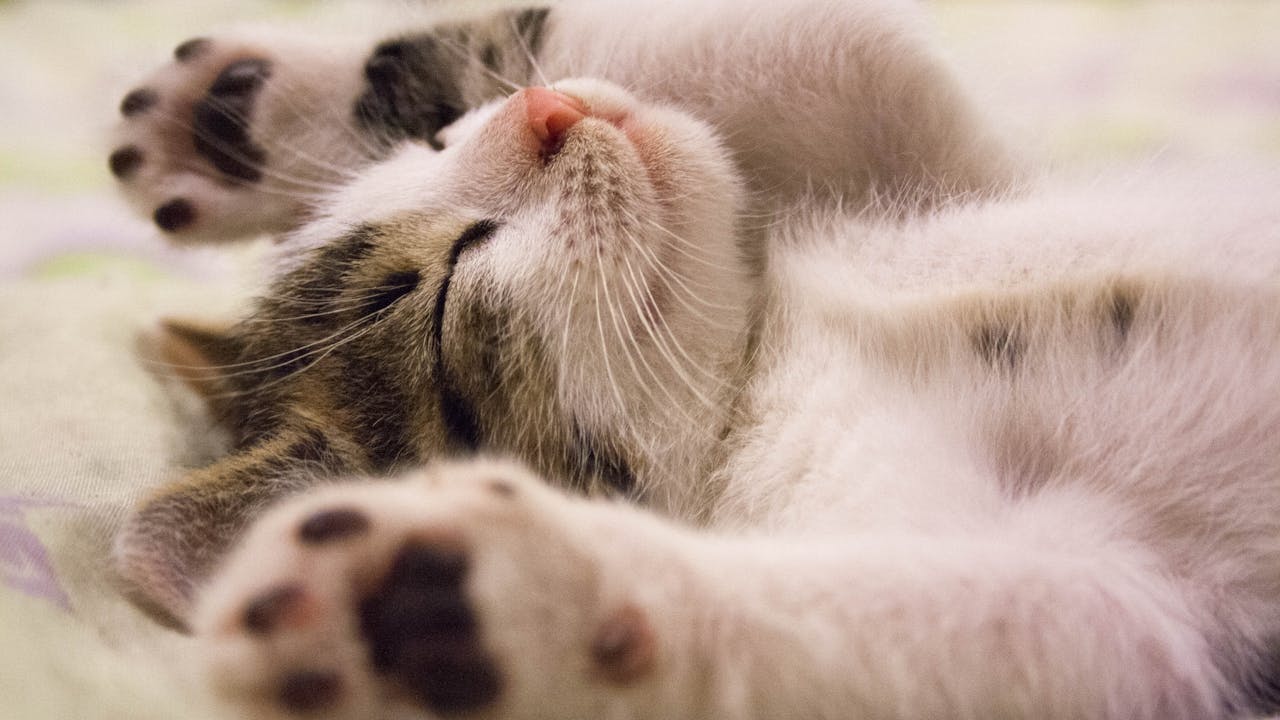
Cats might be the perfect subjects for renaissance pet portraits. Their natural expressions already convey judgment, superiority, and the quiet confidence of someone who has never doubted their own importance. Renaissance aesthetics simply amplify what's already there.
The main challenge with cats is photography. They don't pose on command. They don't hold still when asked. They decide when and where to present themselves, and your job is to be ready when they do.
But when you capture the right moment, cats in renaissance portraits look absolutely magnificent. The Russian Blue with eyes like gemstones. The Maine Coon whose mane already suggests lion-like nobility. The sleek Siamese who looks like they've been running an empire since before you were born.
Kids portraits work wonderfully for families with both children and pets. Capture the whole household in matching Renaissance finery for a piece that tells your complete family story.
Beyond dogs and cats
Renaissance portraits aren't limited to traditional pets. Rabbits, guinea pigs, ferrets, birds, even reptiles can receive the royal treatment with creative artistic approaches.
A parrot's vivid plumage suits the elaborate color palettes of Renaissance court paintings. A rabbit's soft features work beautifully with northern Renaissance attention to texture. A horse, already a frequent subject in actual Renaissance art, fits these compositions naturally.
The key is finding reference styles that complement the animal's natural shape and features. Not every Renaissance aesthetic works for every species. But with creative thinking, there's always an approach that produces something wonderful.
Displaying your renaissance pet portrait
You've commissioned something special. Where you put it matters almost as much as how it was created.
Making it the focal point
Renaissance paintings weren't hidden in corners. They dominated rooms. They occupied the most prominent walls in the most important spaces. Your pet portrait deserves the same treatment.
Living rooms offer the most impactful placement. That wall you face from the couch. The space above the fireplace. The large blank surface that's been waiting for the right piece. A renaissance pet portrait doesn't just fill wall space. It anchors the entire room.
Entryways make bold first impressions. A portrait greeting guests as they enter your home sets the tone immediately. It tells visitors what matters here. It gives them something to comment on before they've even removed their shoes.
Home offices have become increasingly important display spaces. A renaissance portrait watching over your desk adds personality to video calls. Colleagues notice. Clients mention it. Suddenly every zoom meeting includes a conversation about your pet.
Hallways offer surprising potential. That boring stretch between rooms transforms into a gallery when populated with portraits. Multiple pets. Different styles. A collection that unfolds as visitors walk through your home.
Lighting your portrait properly
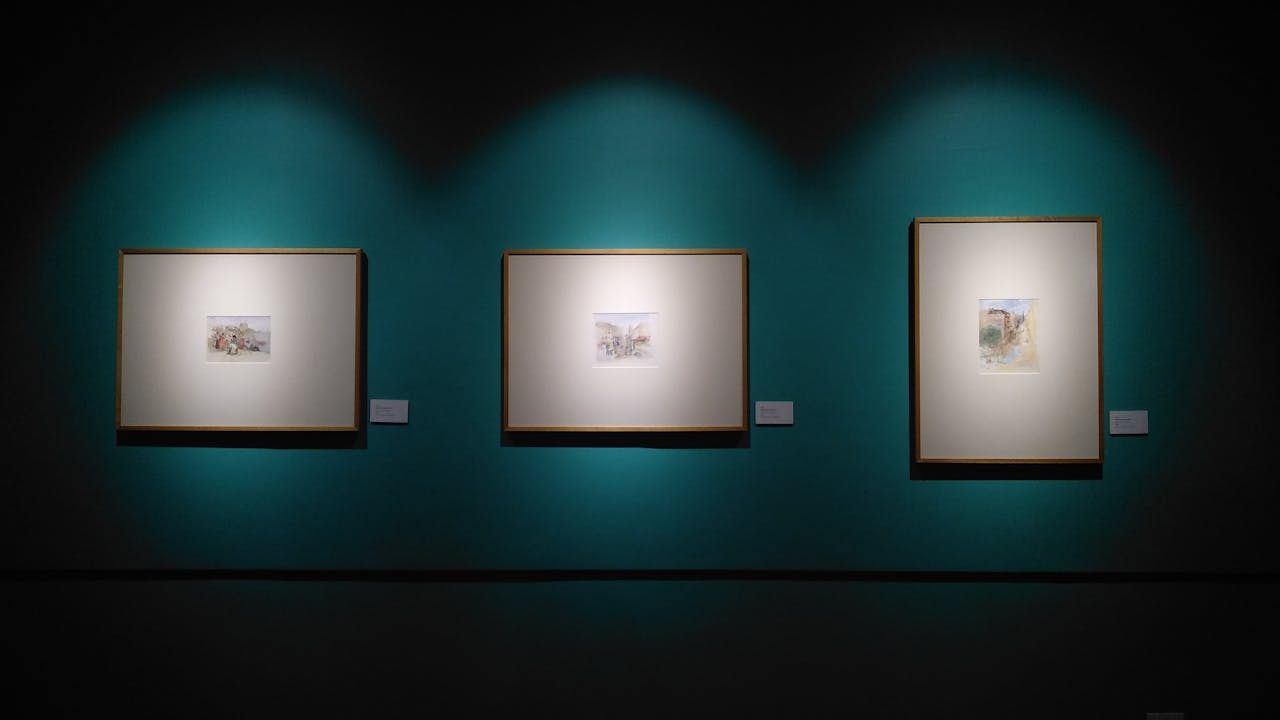
Art needs light to live. This sounds obvious, but it gets overlooked constantly.
Natural daylight flatters most portraits beautifully. Position the piece where ambient light reaches it without direct sunbeams, which cause colors to fade over time. The same soft illumination that makes good portrait photography makes good portrait viewing.
If natural light isn't available, consider dedicated art lighting. Picture lights mount above frames and direct attention intentionally. Track lighting offers flexibility for rotating or rearranging your collection. Even a strategically placed floor lamp changes how a portrait reads in the evening.
Avoid dark corners. Yes, keeping art away from sunlight protects it. But defeating the purpose of having beautiful artwork is worse than any sun damage. You commissioned this portrait to enjoy it. Put it somewhere you can actually see it.
Coordinating with your space
Your portrait doesn't exist in isolation. It shares wall space with furniture, other art, and the design choices you've already made.
Consider color relationships. Renaissance portraits typically feature rich, warm tones. Crimson, gold, deep green, burgundy. These play well against neutral walls and complement earthy, traditional interiors. They can also create stunning contrast in more minimalist modern spaces.
Frame choice matters enormously. Ornate gold frames echo the Renaissance aesthetic and feel historically appropriate. Simpler frames let the artwork speak without competition. Black or dark wood frames create clean, modern presentations of classical content.
The blog offers more ideas for integrating portrait art into various interior styles and room configurations.
Renaissance pet portraits as gifts
If you've ever struggled to find a meaningful present for someone who has everything, this is your answer.
Why they resonate
Gift-giving is hard. Finding something that communicates genuine thoughtfulness challenges even the most creative shoppers. Generic presents feel empty. Gift cards feel impersonal. Everyone already owns more stuff than they need.
Renaissance pet portraits solve this problem completely. They can't be generic because they require knowing the recipient. You need their pet's photo. You need to understand their taste well enough to choose a style. You need to invest real thought into something unique.
Recipients feel this investment immediately. They understand that someone who cares about them took time to celebrate what they love. That emotional recognition creates reactions unlike any other gift. Tears. Laughter. That particular overwhelmed sound people make when they don't know what to say.
These reactions happen reliably. Ask anyone who has given a pet portrait. Ask anyone who has received one. The response is almost always the same: genuine, overwhelming delight.
Perfect occasions
Birthdays work beautifully, especially milestone celebrations. The person turning 40 or 50 probably has everything practical they need. But they don't have their cat depicted as a Florentine duchess.
Holidays provide natural opportunities. Christmas, Hanukkah, any celebration where presents are expected. A renaissance portrait under the tree or beside the menorah creates a memory that outlasts the season.
Pet adoption anniversaries have become increasingly popular gift occasions. Celebrating the day a rescue became family with custom art acknowledges the significance of that bond.
Memorial occasions carry particular weight. Honoring a pet who has passed with a renaissance portrait provides comfort during grief. The portrait keeps their memory visible and present, a daily reminder of a relationship that mattered deeply.
Housewarmings offer another opportunity. New space means new walls. A portrait of the homeowner's pet is thoughtful, personal, and solves the "what goes there?" problem that empty walls present.
How to order for someone else
Commissioning a portrait as a surprise gift requires one essential ingredient: a good photo of their pet.
The easiest approach is direct. "I miss seeing your dog, send me some pictures." People share pet photos enthusiastically with almost no prompting. This request rarely raises suspicion.
Social media provides alternatives. Most pet owners post regularly about their animals. Scroll through their feed for high-quality shots that capture personality. Download discretely.
You can also recruit a mutual friend or family member. Someone who has photos or can obtain them naturally without revealing the surprise.
Once you have the source material, the process mirrors ordering for yourself. Choose a style. Provide any relevant details about the pet. Then wait for the finished piece that will make someone's day, month, or possibly their entire year.
How it works walks through the complete ordering process step by step.

Photo tips for specific Renaissance styles
Different styles demand different photographic approaches. Matching your photo to your intended aesthetic dramatically improves results.
For Italian Renaissance portraits
Italian masters favored three-quarter views with soft, warm lighting. Try photographing your pet near a window in the late afternoon when light takes on a golden quality. Position them at a slight angle to the camera. Aim for a calm, contemplative expression.
The ideal Italian Renaissance source photo shows your pet looking slightly off-camera with a relaxed, composed bearing. Think of how the Mona Lisa is positioned. Turned slightly. Engaged but calm. Present but contemplative.
For Northern Renaissance detail
Northern Renaissance artists captured extraordinary detail. For this style, you want the sharpest, highest-resolution photo possible. Photograph in bright, even light that reveals every texture. Fur detail, whisker definition, eye pattern, nose texture, all of it.
Get close. Northern Renaissance portraits were intimate studies. Your photo should show your pet's face in enough detail that you can count individual whiskers. This isn't the time for full-body shots from across the room.
For Baroque drama
Baroque lighting was theatrical. One strong light source creating deep shadows. If you can photograph your pet with a single lamp or window providing directional light while the rest of the room stays relatively dark, you'll give the artist exactly what they need.
The contrast between light and shadow is what makes Baroque portraits powerful. A photo where half your pet's face catches light while the other half fades into shadow provides the perfect foundation for this style.
For military and court compositions
Military portraits feature forward-facing, alert subjects. Photograph your pet when they're engaged and attentive. When they hear a sound at the door. When they're watching something intently. When their ears are forward and their eyes are focused.
The best military-style source photos capture that moment of readiness. Not relaxation. Not play. Vigilance. The bearing of a creature who takes their responsibilities seriously.
Family portraits combining multiple pets in a single Renaissance composition require consistent photos. Try to photograph all subjects in similar lighting conditions and at similar angles for the most seamless final result.
Caring for your portrait long-term
A quality portrait should last decades. Proper care ensures it does.
Print and canvas care
Most renaissance pet portraits arrive as high-quality prints on canvas or premium paper. These materials are durable but not indestructible.
Keep your portrait away from direct sunlight, which causes colors to fade over time. UV-protective glass or acrylic in the frame dramatically extends the life of paper prints. Canvas stretches can benefit from a light dusting with a soft, dry cloth every few months.
Avoid hanging portraits in bathrooms or kitchens where humidity fluctuates dramatically. Moisture causes canvas to expand and contract, potentially cracking paint or warping the surface. Consistent room temperature and moderate humidity provide the ideal environment.
Framing recommendations
The frame protects as much as it decorates. For renaissance-style portraits, consider:
Gold or gilded frames echo period aesthetics and complement the warm tones typical of Renaissance color palettes. They create a sense of authenticity, as if the portrait might have been painted centuries ago.
Conservation-quality matting and backing protect the artwork from acid damage and physical contact with glass. This matters more for paper prints than canvas, but it's good practice regardless.
Professional framing costs money. It's worth it. A beautiful portrait deserves a frame that supports and protects it, not a cheap option that detracts from the art or leaves it vulnerable to damage.
Digital file management
Most modern portrait services provide high-resolution digital files alongside physical prints. Protect these files. Store them in at least two locations, your computer and a cloud backup service. These files let you reprint at any size whenever you want.
Digital files also enable creative uses beyond traditional wall display. Phone wallpapers. Social media profile images. Holiday cards. Printed mugs, pillows, or other merchandise featuring your pet's portrait. The digital file is infinitely versatile.
The pet portrait market landscape
Understanding the broader market helps you make informed decisions about where and how to commission your portrait.
What drives quality differences
Not all renaissance pet portraits are created equal. Price differences reflect real differences in quality, time investment, and artistic skill.
Budget options typically use templates. A pre-designed Renaissance costume with your pet's head placed on top. The results can be amusing but often feel generic. The costume doesn't fit your pet's proportions naturally. The lighting between the face and body doesn't match. The overall effect looks assembled rather than created.
Mid-range options involve more customization. Artists select or modify costumes to suit your pet's specific appearance. They adjust lighting and color to create better integration between subject and setting. The result feels more intentional and cohesive.
Premium options, like what Fable offers, treat each portrait as an original work of art. Your pet's portrait is built from scratch, with every element designed specifically for their appearance, personality, and the artistic vision that will serve them best. The difference is visible immediately and becomes more apparent over time.
How to evaluate portrait quality
When comparing options, look for these indicators:
Natural integration between pet and costume. Does the pet look like they're wearing the clothing, or does it look like a photo edit? Pay attention to where fur meets fabric. Where light falls across both elements. Whether shadows are consistent.
Artistic consistency. Does the lighting on the pet match the lighting in the rest of the painting? Renaissance painters were meticulous about lighting consistency. Modern portrait artists should be too.
Detail work. Can you see individual fur strands? Do the eyes look alive rather than flat? Are there subtle color variations in the pet's coat, or does it look like a single solid color? Quality reveals itself in these small elements.
Original composition versus templates. Ask whether the portrait will be custom-created or based on a pre-existing template. Both approaches have their place, but they produce very different results at very different price points.
Renaissance pet portraits in interior design
Pet portraits aren't just personal keepsakes. They're legitimate interior design elements that can anchor and define a room's aesthetic.
The authenticity trend
The biggest trend in home decor right now is authenticity. People are moving away from perfectly coordinated, catalog-style interiors toward spaces that reflect their actual lives and personalities. Rooms that feel collected rather than curated. Spaces with stories to tell.
The global wall art market reflects this shift. Valued at over $63 billion in 2024 and projected to reach nearly $119 billion by 2032, the wall art industry is growing because people want their walls to say something meaningful. Generic prints from big-box retailers don't satisfy this desire. Custom, personal art does.
A renaissance pet portrait is about as personal as wall art gets. It combines a style with centuries of cultural weight, a subject with deep emotional significance, and craftsmanship that elevates it beyond decoration into genuine art. Interior designers increasingly recognize custom pet art as a powerful tool for creating spaces that feel authentically lived-in.
Style integration ideas
Renaissance pet portraits pair naturally with traditional and transitional interiors. Think warm wood tones, rich fabrics, classic furniture profiles. The portrait feels like a natural extension of these design elements.
But they also create stunning contrast in modern spaces. A classical renaissance portrait against a clean white wall, minimal furniture, contemporary fixtures, that juxtaposition creates visual interest that neither element could achieve alone. The portrait adds warmth and history. The modern setting prevents it from feeling stuffy or dated.
Gallery walls work beautifully. Mix your renaissance pet portrait with other art pieces, family photos, or additional pet portraits in different styles. The Renaissance piece becomes the anchor, the statement piece that everything else relates to.
Couple portraits displayed alongside individual pet portraits create a curated collection that tells your whole household's story. Humans and animals alike, all rendered with the same artistic respect.
Making your pet immortal through art
We live with our pets for years that pass too quickly. They come into our lives as tiny creatures and become our closest companions. They know our routines better than we do. They hear us at our worst and love us anyway. They greet us at the door like we're the most important person alive because to them, we are.
A renaissance pet portrait doesn't change the fundamental math of their lifespan. It doesn't add years or prevent the inevitable goodbye that every pet owner eventually faces. But it does something else. Something powerful.
It creates a permanent record of a bond that mattered. A piece of art that will hang on your wall for decades, long after the pet who inspired it has crossed the rainbow bridge. Every time you look at it, you'll remember. The specific texture of that fur under your fingers. The sound of those footsteps on your floor. The weight of that body against your legs on the couch.
Fable transforms these memories into museum-quality art. Not because pets need to be honored with Renaissance grandeur. But because the love we feel for them deserves to be expressed in the most beautiful way humans have ever devised.
Our pets give us unconditional love. The least we can do is give them immortality.
Frequently asked questions
How much do renaissance pet portraits cost?
Prices range widely based on style, complexity, and artistic approach. Basic digital options might start around $50 to $100. Custom, hand-crafted compositions from premium services can reach several hundred dollars or more. Fable's pricing page shows current options and what each tier includes so you can find the right match for your budget.
How long does it take to receive a finished portrait?
Most renaissance pet portraits require one to three weeks depending on complexity and current demand. Simple digital compositions finish faster. Elaborate custom pieces need more time. If you're ordering for a specific occasion, plan ahead. Holiday seasons get particularly busy, with many artists stopping new orders by mid-November to fulfill existing commitments.
Can I get a renaissance portrait of a pet who has passed away?
Absolutely. Memorial portraits are among the most meaningful commissions artists receive. The process works exactly the same as portraits for living pets. Provide the best quality photo you have, and the artist creates the artwork. Many pet owners find that creating memorial portraits helps process grief by transforming loss into something beautiful and permanent.
What photo format works best?
JPEG or PNG files at the highest resolution available. Photos taken with modern smartphones in good lighting conditions typically work perfectly. Avoid heavily compressed images shared through messaging apps, which lose detail. When in doubt, send the original file rather than a screenshot or social media download.
Can multiple pets appear in one portrait?
Yes. Multi-pet renaissance portraits capture your entire household in coordinating finery. Each pet needs a separate source photo, ideally taken in similar lighting conditions. Compositions must accommodate multiple subjects without crowding. Family portraits offer excellent options for multi-pet households.
What if I don't know which Renaissance style to choose?
Most portrait services are happy to recommend styles based on your pet's appearance and personality. Share your photo and mention any preferences you have, whether you lean toward humor, grandeur, drama, or elegance. The artist's expertise in matching pets to periods is part of what you're paying for.
Do renaissance portraits work for any type of pet?
They work for dogs, cats, rabbits, birds, ferrets, horses, and virtually any animal with a recognizable face. The style adapts to different body shapes and features. Some styles suit certain animals better than others, so discuss options with your artist if you have an unusual subject.
How should I frame my portrait?
Gold or gilded frames complement the Renaissance aesthetic beautifully. Simpler frames in dark wood or black create a more modern presentation. Use UV-protective glass for paper prints and ensure conservation-quality matting to protect the artwork long-term. Professional framing is worth the investment for a piece you'll keep for decades.
Related guides
- Royal pet portraits - exploring regal styles from Victorian to baroque
- Personalized dog portraits - complete guide to custom dog art
- Family portraits - include every member of the family
- How it works - detailed process walkthrough
- Pricing - current options and packages
Sources
- Morgan Stanley Pet Care Industry Outlook for 2030 - Industry spending projections and growth data
- Smarthistory: Linear Perspective - Brunelleschi's perspective breakthrough and Renaissance art history
The greatest art doesn't just fill space on a wall. It preserves what matters. It gives form to feelings we can't quite put into words. Your pet has filled your life with joy, loyalty, and love that defies description. A renaissance portrait won't capture all of that. Nothing could. But it captures enough to make you stop, look, and remember. And that's worth everything. Start creating yours and give your pet the masterpiece they've always deserved.