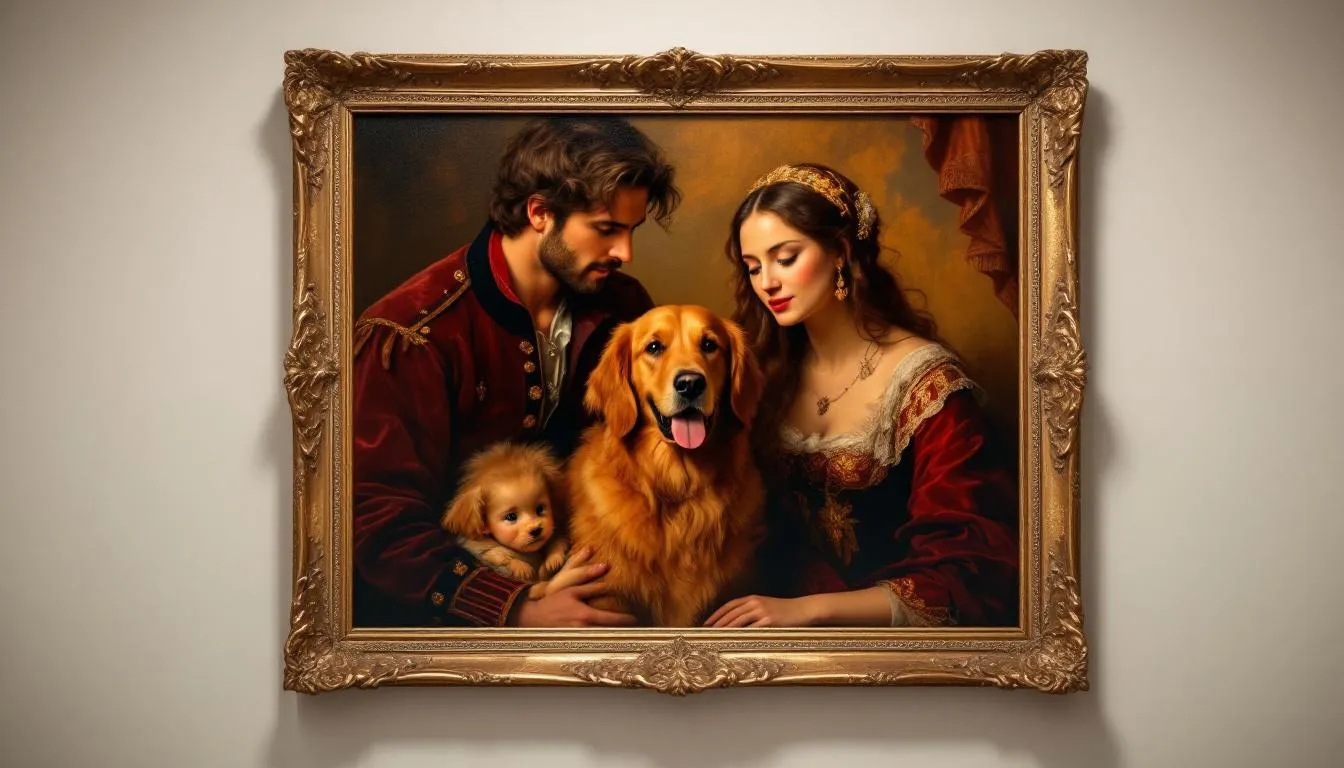
Pet Family Portraits: Including Every Member of the Family
The portrait above my parents' fireplace has six faces in it. Four are human. Two are not.
There's my mom and dad in the center. My sister and me on either side. And at the bottom, sitting with the absolute confidence of creatures who know they run the household, are Murphy and Penny. Murphy is a chocolate lab with gray around his muzzle. Penny is a tabby cat who tolerates the rest of us. Both wear tiny painted ruffs around their necks, looking like Renaissance courtiers who've been caught mid-nap.
Every person who walks into that house comments on the portrait. Not on the furniture. Not on the kitchen renovation. The portrait. Because it tells the truth about our family in a way that a regular photograph never could. We are six. Not four.
That's what pet family portraits do. They tell the whole story.
Ninety-seven percent of pet owners say their animals are part of the family. Not "like family." Family. Over half say their pet is as much a family member as any human in the household. When the numbers look like that, leaving a dog or cat out of a family portrait feels less like a practical decision and more like an omission.
This guide covers everything you need to know about creating pet family portraits that capture your entire crew. You'll learn the different styles available, from professional photography to custom painted art to renaissance-style portraits that put your whole family in period costume. We'll cover how to prepare your pets for a session, what things cost across different options, and how to display the finished piece so it becomes the most talked-about thing in your home.
Whether you've got one grumpy cat or three hyperactive golden retrievers, there's a way to get everyone into the frame. And the result will be worth every bit of effort it takes.
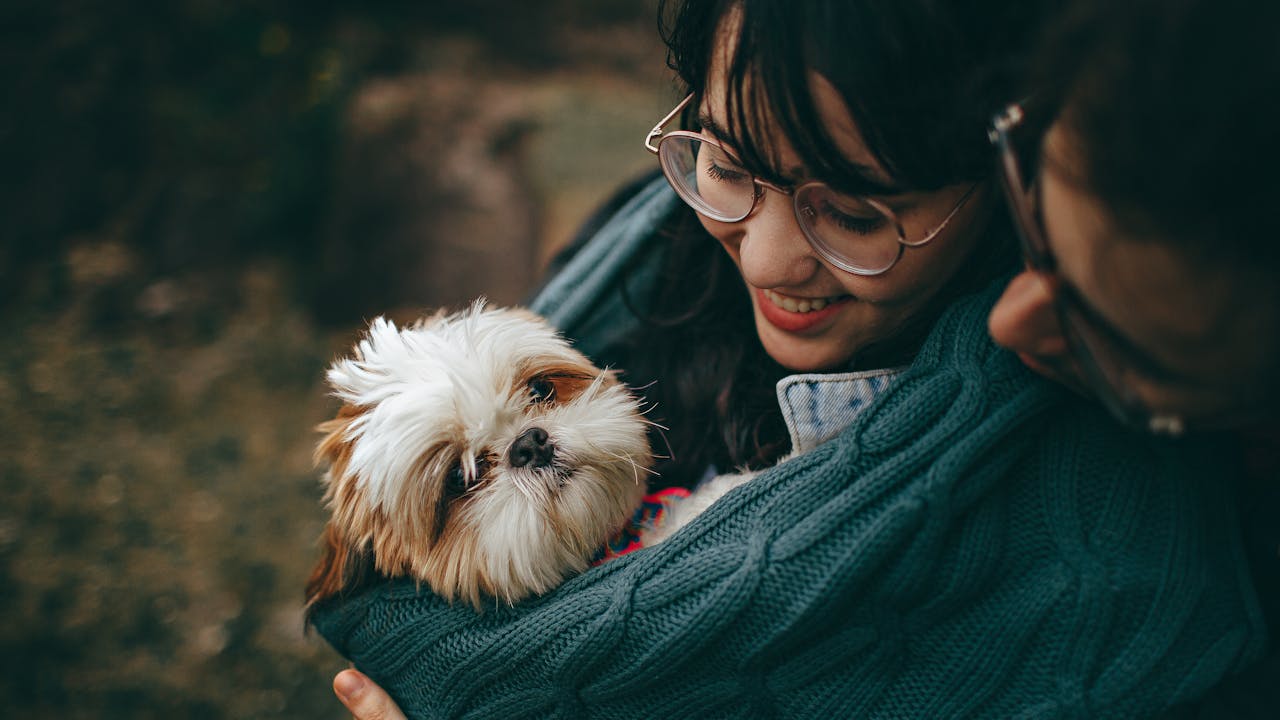
Why pets belong in your family portrait
The case for including pets in family portraits isn't sentimental. It's factual.
Ninety-four million American households now own a pet. That's 71% of all homes. Dog ownership alone covers 51% of households, while 37% have cats. These numbers have been climbing steadily, and the pandemic accelerated everything. The ASPCA reports that 23 million households adopted new pets during COVID-19. That's one in five American homes welcoming a new family member in a single period.
But ownership statistics only tell part of the story. The emotional data is where things get interesting.
Eighty-two percent of pet owners say their animal is "like my own child." Two-thirds refer to their pets as their children outright. Dog owners feel closer to their dogs (94%) than they do to their own mothers (87%) or fathers (74%). Read that again. People feel a stronger bond with their dogs than with the humans who raised them.
This isn't a quirk or a cultural joke. It's a fundamental shift in how families define themselves. And family portraits should reflect that.
Think about it. You wouldn't leave a child out of a family portrait. You wouldn't crop out a spouse. So why would you exclude the member of the household who greets everyone at the door, who sleeps at the foot of the bed, who has been there for every bad day and every good one? A portrait that leaves out the dog is a portrait that lies about who lives in that house.
Family portraits that include pets capture something photography alone often misses. The cat draped across someone's lap. The dog leaning against a child's leg. These small physical connections reveal the real dynamics of a household, the way love actually looks when nobody is posing for Instagram.
The generational shift
Younger generations feel this more intensely than any before. Millennials make up roughly 35% of all pet owners and account for about 40% of total pet spending. Gen Z is catching up fast, with pet-owning households increasing by 43.5% in recent years. By next year, Millennials and Gen Z together are predicted to account for 75% of all pet owners.
These generations don't just own pets. They invest in them emotionally and financially. Gen Z pet owners spend an average of $6,103 per year on their animals. Sixty percent of Gen Z and Millennial owners prioritize spending on their pets over spending on themselves. A third of Millennials have gone into debt because of pet expenses.
When people spend more on their pets than on themselves, a portrait that includes those pets isn't a novelty. It's a necessity.
A brief history of pets in family art
Including pets in portraits isn't a modern invention. It's one of the oldest traditions in Western art.
From Egyptian tombs to Renaissance courts
Egyptian tomb paintings from around 2000 BCE featured dogs, cats, and other animals alongside their owners. These weren't decorative additions. They were tributes to the bond between humans and animals, intended to honor that relationship even in the afterlife.
The tradition evolved dramatically during the Renaissance. European royalty and nobility commissioned portraits that included their prized pets in grand settings. In Jan van Eyck's Arnolfini Portrait from 1434, a small dog stands between a married couple, rendered with extraordinary detail. Every hair of its fur was painted individually. The dog symbolized fidelity and loyalty in marriage.
Titian featured dogs increasingly from the 1530s onward. The breed most associated with his work is the Papillon, sometimes called the "Titian spaniel." In Venus of Urbino from 1538, a sleeping dog at the goddess's feet represents devotion. Dogs in Renaissance portraits weren't just animals. They were symbols. A dog in a married couple's portrait meant marital fidelity. A dog in a widow's portrait indicated continuing faithfulness to a late husband. Lapdogs suggested luxury and leisure. Hunting dogs signaled noble prowess.
The symbolism was deliberate, but the affection was real. Aristocrats spent enormous sums on these paintings. Dog portraiture gained such prestige that the dog alone could indicate the nobility of the family that owned it.
The golden age of pet portraiture
The Georgian and Victorian eras brought pet portraiture to its peak. George Stubbs (1724-1806) painted animals with scientific precision, capturing anatomical detail that was unprecedented. Sir Edwin Landseer (1802-1873) transformed the genre entirely under Queen Victoria's patronage.
Victoria commissioned Landseer extensively. Her first commission to him, in 1836, was a portrait of her spaniel Dash. She reportedly owned up to 75 dogs at a time and single-handedly started the fashion of pet portraiture through her many commissions. She described one of Landseer's paintings as "the most beautiful thing imaginable."
The Georgian painter Benjamin Marshall put it bluntly: "I discover many a man who will pay me fifty guineas for painting his horse who thinks ten guineas too much to pay for painting his wife."
The Victorian era shifted toward more personal representations. The rise of the middle class expanded the market beyond aristocrats. Pets were shown in domestic settings, emphasizing their roles as beloved family members rather than status symbols. The impulse was the same one that drives people today. You love this creature. You want that love recorded. You want something that lasts.
Today, pet portraits and animal portraits continue this tradition with technology and styles the Victorians couldn't have imagined. But the emotional core hasn't changed at all.
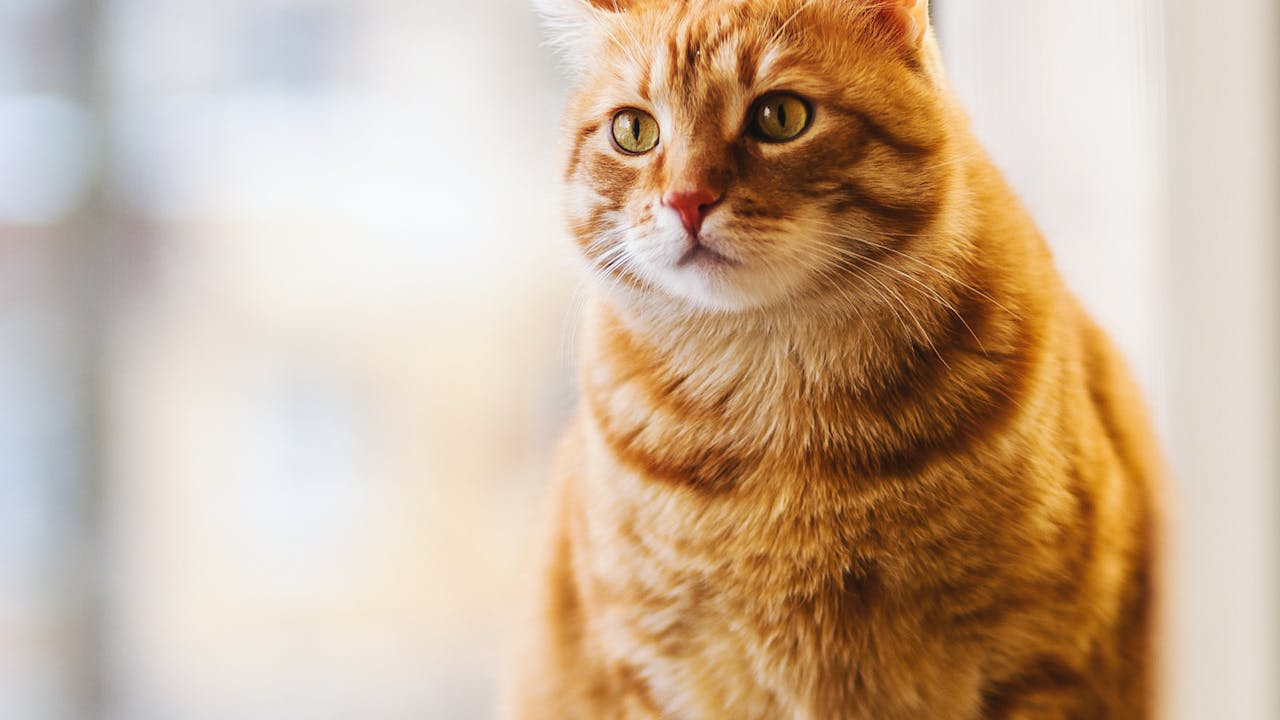 Including cats in family portraits captures the quiet companionship they bring to a home
Types of pet family portraits
The options for creating a pet family portrait have expanded enormously. What once required a court painter and months of sittings can now happen in a dozen different ways, at a dozen different price points.
Professional photography
A professional pet photographer knows how to handle animals that don't sit still, don't look at the camera, and don't care about your artistic vision. That expertise matters. Pet photography is closer to sports photography than traditional portraiture. The photographer needs fast reflexes, burst mode, continuous autofocus, and a minimum shutter speed of 1/250th of a second.
Sessions typically run 60 to 90 minutes. Good photographers start with action shots, walking or playing, to let pets burn off nervous energy. Then they transition to quieter, more intimate poses once the animals settle. The best moments often happen between planned poses, a spontaneous lick on a child's face, a cat climbing onto a shoulder, a dog pressing its head against someone's hand.
Professional sessions work especially well when you want authentic, candid moments. The camera captures what actually happened, not an idealized version. If your family's reality includes a toddler pulling a puppy's ear while the cat ignores everyone from the top of a bookshelf, a good photographer will make that look beautiful.
Custom painted portraits
For something with the weight and permanence of fine art, custom paintings transform reference photos into heirloom-quality pieces. Artists can work in oil, acrylic, watercolor, graphite, or digital media, each producing a very different feel.
Oil paintings offer the richest depth and color. They take the longest (two to five weeks typically) but produce results that can last for generations. Watercolors create a softer, dreamier quality that works beautifully for memorial pieces. Acrylic is versatile and faster-drying, good for vibrant contemporary styles.
One of the biggest advantages of custom painting over photography: composite ability. Artists can combine multiple separate photos into a single unified portrait. Your dog who passed three years ago can sit next to the puppy you adopted last month. Family members who couldn't be in the same room can appear together. A pet who never met a child born after its death can share the same canvas.
That capability makes custom art uniquely powerful for families with complicated timelines. Real families are messy. People move away. Pets age and pass. Babies arrive. A painted portrait can gather everyone together regardless of when or where individual photos were taken.
Fable specializes in this kind of transformation. Upload photos of each family member and pet, choose a style, and the result brings everyone together in a single, museum-quality composition. Explore family portraits to see what's possible, or check how it works for the full process.
Renaissance and royal style
This is the style that breaks the internet. Your entire family, pets included, dressed in elaborate period costume and posed like 17th-century nobility. The dog wears a ruff collar. The cat holds a scepter. The humans look simultaneously dignified and slightly confused about what's happening.
Royal pet portraits and regal pet portraits have become massively popular because they're funny, beautiful, and genuinely moving all at once. The humor comes from the collision between an animal face and human grandeur. The beauty comes from the technique. The emotion comes from the fact that someone loved their family enough to commission something this elaborate.
This style works for any combination. Couple portraits with a single pet. Large families with multiple animals. Even solo self portraits with a beloved companion. The Renaissance backdrop makes everyone look like they belong together in some alternate universe where dogs really did rule kingdoms.
Digital and pop art styles
For a more contemporary feel, digital illustrations offer endless customization. Pop art transforms family photos into vibrant, graphic compositions with bold colors. Minimalist line art captures the essence of each family member, human and animal, with clean, continuous strokes. Cartoon and caricature styles add humor and playfulness.
These styles tend to appeal to younger buyers and work well in modern interior spaces. They're also typically faster to produce and more affordable than traditional painting, making them accessible entry points for families trying pet family portraits for the first time.
AI-generated portraits
AI tools have made pet family portraits available at nearly zero cost. Upload some photos, choose a style, and receive results in minutes. The variety is impressive, from Renaissance to superhero to watercolor to anime.
But there's a meaningful gap between AI-generated and human-created work. As traditional portrait artist Melanie Phillips puts it: "AI can replicate a look. It cannot replicate lived experience, emotional intent or human memory." If you want something fast and fun for social media, AI delivers. If you want something that makes your mother cry when she unwraps it, a human artist is still the right call.
How to choose the right approach
The choice between photography and custom art depends on what you want the portrait to do.
Photography captures a real moment. It documents what actually happened on a specific day. The expressions are genuine. The poses are natural (or naturally chaotic). What you see is what was there.
Custom art interprets. It combines, enhances, and transforms. An artist can place your family in a setting that never existed, add a pet who has passed, or style everyone in Renaissance finery. The result is less documentary and more deliberate. It tells the story you want to tell rather than the story the camera happened to capture.
Here's a practical comparison:
Choose photography when:
- You want candid, authentic moments
- All family members and pets can physically be in the same place
- You prefer realistic representation
- Budget is $100 to $500 for the session plus prints
Choose custom art when:
- You want a specific artistic style (Renaissance, watercolor, pop art)
- Family members or pets can't all be together (distance, schedules, deceased pets)
- You want something that functions as a statement piece or heirloom
- You're giving it as a gift (custom art has stronger emotional impact)
- Budget is $50 to $1,000+ depending on medium and size
Choose AI-generated when:
- You want something quick and casual
- Budget is minimal ($2 to $25)
- You're creating social media content or testing ideas before commissioning a human artist
The best approach might combine methods. Get a professional photo session for authentic memories, then commission a custom painted portrait for the wall. Different purposes, different solutions. Both valuable.
Check pricing to see where Fable's custom portrait options fit for your family.
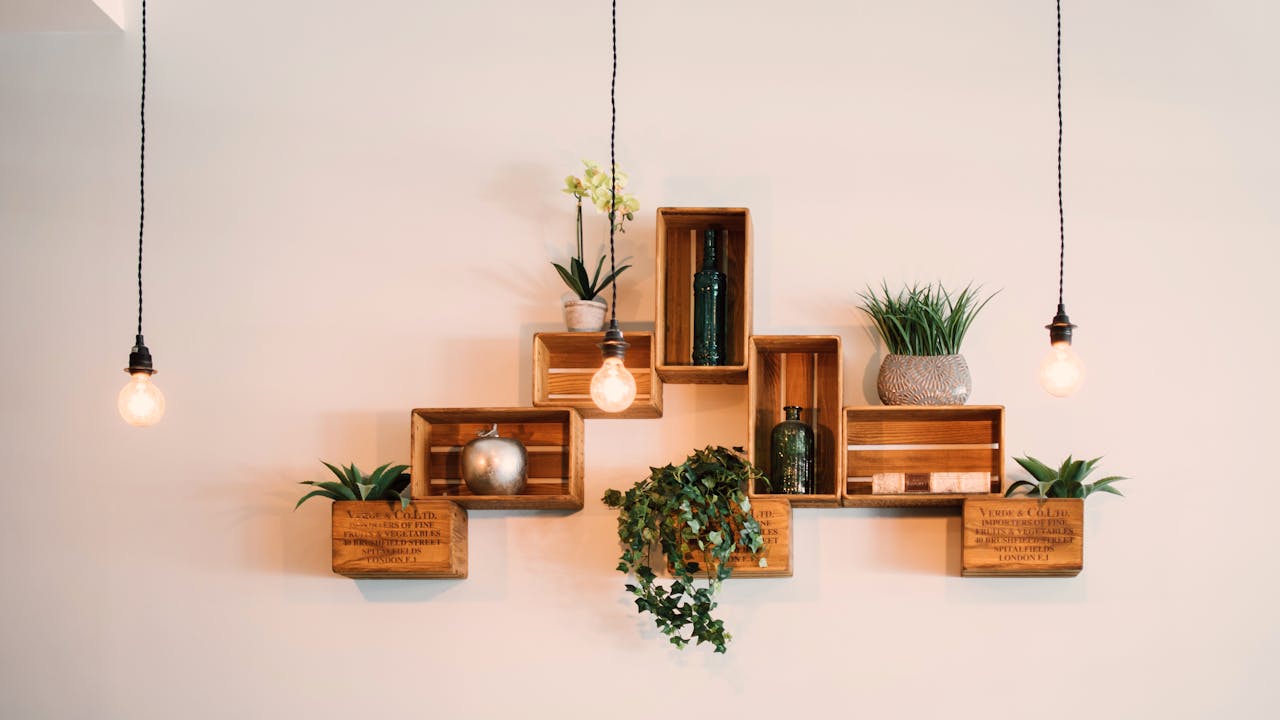 A gallery wall mixing pet family portraits with other art creates a personal, lived-in feel
Tips for the perfect pet family portrait
Getting humans to pose for a portrait is annoying. Getting animals to cooperate is an art form. These tips come from professional pet photographers and portrait artists who've learned what works through thousands of sessions.
Before the session
Feed and exercise your pets first. A dog who's just run for thirty minutes sits more calmly than one who's been cooped up all day. A cat who's eaten recently is less likely to wander off looking for food. Get the energy out before the camera comes out.
Groom thoroughly. Brush fur, clean faces, trim nails if they'll be visible. You want your pet looking their best, but don't do anything dramatic right before the session. A freshly bathed dog who smells wrong to itself is a nervous dog.
Bring treats. Regular treats for maintenance and "high value" treats for the big moments. Cheese, chicken, hot dogs, whatever makes your pet lose their mind. Check with the photographer about allergies if they'll be handling the treats. That said, strategic treat use is the single most effective tool for getting animals to look where you want them to look.
Bring a leash. Even if you don't plan to use it, have it available for safety. Photographers can edit it out later. A pet that bolts during a session ruins the whole day.
Share personality notes. Tell the photographer or artist what motivates your pet, what scares them, what makes them perk up. A photographer who knows your dog goes crazy for squeaky toys can use that. An artist who knows your cat only sits still in sunbeams can work with that information.
During the session
Start active. Walking, playing, interacting naturally. This lets everyone, humans and animals, relax into the process. The stiff, formal poses can come later once the energy settles.
Get low. The best pet portraits happen at the animal's eye level. Photographers who shoot standing up and point the camera down create images that feel disconnected. Getting on the floor, on your knees, or lying in the grass puts you in the pet's world. That perspective changes everything.
Use natural light. Flash spooks most animals. Natural light, especially the soft, warm light of early morning or late afternoon, creates the most flattering results for both humans and animals. If you're indoors, position near large windows.
Let pets set the pace. Forcing a stressed animal into poses produces terrible results. If the dog needs a break, take a break. If the cat wants to explore the room for fifteen minutes before acknowledging anyone exists, let them explore. Patience produces better portraits than control.
Watch for "in-between" moments. The planned pose is fine. The moment the dog licks someone's cheek between takes is magic. The best photographers shoot continuously and capture what happens when families stop performing and start being themselves.
Working with multiple pets
Multiple pets in one portrait creates logistical challenges. Two dogs who love each other will lean together naturally. Two dogs who tolerate each other might need separate handlers keeping them in position. Two cats in the same frame is an achievement on par with international diplomacy.
For custom painted portraits, this problem disappears. Artists can composite from separate photos. Take individual pictures of each pet in good light, and the artist merges them into one scene. This is especially useful for pets who can't be in the same room, whether due to temperament or because one has passed.
Custom dog portraits and personalized dog portraits often use this composite approach, combining the best photo of each subject into a unified composition.
Working with different species
Dogs need to burn energy first. Start with walking and playing, then transition to sitting. Use treats heavily. Dogs are "frenetic and always moving," so plan for a longer session and shoot in burst mode.
Cats need time. Much more time. Cats "live in our houses and go in the car only when someone is going to jab them with needles," as one photographer put it. Don't push a cat. Let them come to the portrait on their own terms. If you're working with a photographer in a studio, consider an in-home session instead. Cats in their own territory behave completely differently than cats in a strange environment.
Horses present scale challenges but photograph beautifully with families. Show the connection through touch, brushing, hand on the muzzle, leaning against the neck. If you want tack visible, make sure it's clean and well-fitted. Removing tack from a painting after the fact is difficult for artists.
Small animals (rabbits, guinea pigs, hamsters) need to be held during portraits. Plan the composition around someone cradling the animal. These pets photograph best in close-up detail shots that can be incorporated into a larger family composition.
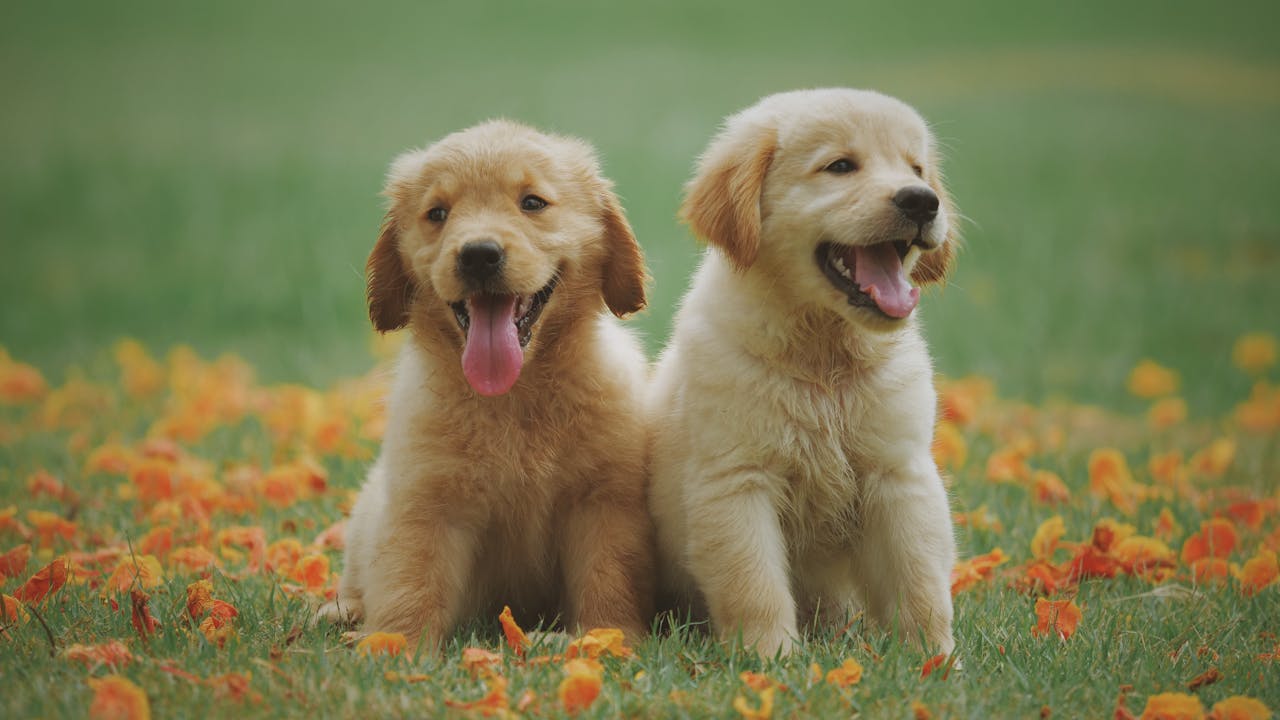 The energy between kids and puppies creates some of the most genuine portrait moments
What to expect: pricing and timelines
Understanding costs helps you plan for the portrait your family deserves without unpleasant surprises.
Photography sessions
Professional pet photography sessions typically range from $100 to $500, depending on the photographer's experience, location, and what's included. Some charge for the session only and sell prints separately. Others offer packages with a set number of edited digital files.
Premium pet photographers in major cities can charge $500 to $5,000 for elaborate sessions with multiple locations, wardrobe changes, and extensive editing. But for most families, a $200 to $300 session with a skilled local photographer produces excellent results.
Expect to receive edited photos within one to two weeks. Most photographers deliver 20 to 50 final images from a 90-minute session. The best shots then become candidates for wall prints, albums, or reference photos for custom art.
Custom paintings
Hand-painted oil portraits start around $400 for small sizes (8x10 inches) and climb to $750 and beyond for larger pieces (14x18 inches and up). Acrylic paintings run slightly less, around $250 to $400 for medium sizes. Watercolor and graphite typically cost $140 to $300.
Most artists charge per subject. Adding a second pet might cost $40 to $99 extra. Detailed backgrounds add another $50 or so. Framing varies enormously depending on your choices but can add $50 to $300 to the total.
Turnaround times run two to five weeks for most hand-painted work. Oil paintings take the longest due to drying time between layers. Some artists offer rush options at a premium.
Digital portrait services that use human artists (not AI) typically charge $30 to $150 and deliver within a few days to two weeks.
Renaissance and royal style
Renaissance-style pet family portraits from popular online services start around $35 to $50 for prints and run to $200 or more for premium canvas options. These typically use a combination of digital art techniques with classical painting aesthetics. Turnaround is usually three to seven days.
For a truly custom, hand-painted Renaissance family portrait with pets, expect prices in the $300 to $800+ range depending on size and number of subjects.
Budget planning
If you're working within a budget, here's how to think about allocation:
At $50 to $100, you can get a quality digital portrait or a basic AI-enhanced piece. Good for a first portrait or a casual gift.
At $100 to $300, you're in range for a professional photo session, a hand-drawn graphite portrait, or a mid-range digital painting. Solid options for a birthday or holiday gift.
At $300 to $750, you can commission a hand-painted oil or acrylic portrait that will last for generations. This is the sweet spot for a genuine heirloom piece, the kind of art that gets passed down.
Above $750, you're looking at large-scale oil paintings, premium photography packages, or multi-subject Renaissance compositions with elaborate detail. These are statement pieces for prominent display.
Displaying your pet family portrait
A great portrait deserves a great spot. Where and how you display it affects how much impact it has on your daily life and on everyone who walks through your door.
Choosing the location
Above the fireplace is the classic choice for a reason. It's the natural focal point of most living rooms, and a portrait there commands attention without competing with other elements. If you have a mantel, the portrait becomes part of a curated display with candles, books, and small objects beneath it.
Hallways and staircases create intimate gallery experiences. Visitors move through these spaces slowly, making them perfect for displaying multiple portraits. A progression of family photos, from early days to current, with pets appearing and disappearing as the timeline unfolds, tells a powerful visual story.
Bedrooms work beautifully for more personal portraits. A couple portrait with the family pet above the headboard creates a private focal point. Kids portraits with their favorite animal companion add personality to a child's room.
Home offices benefit from portraits that bring warmth to a work environment. Seeing your family, all members included, during a stressful day provides a reset that generic art can't match.
Living rooms beyond the fireplace offer options too. A large canvas on a main wall. A gallery arrangement above a sofa. A portrait on a console table propped against the wall, layered with other frames and objects for an effortless, collected look.
Framing and print options
Canvas wraps deliver a modern, gallery feel with no frame needed. The image wraps around the edges of a stretcher bar, creating a clean, contemporary look. Canvas can last 80+ years without fading when kept out of direct sunlight.
Fine art paper under glass produces the most elevated, museum-quality result. Archival paper with UV-protective glass and acid-free matting ensures the piece lasts for generations. This is the choice for portraits you plan to pass down.
Metal prints offer vivid, luminous reproduction with weather and water resistance, making them suitable for kitchens or bathrooms where moisture might damage other media.
Wood frames add warmth and work in both traditional and modern settings. Metal frames suit contemporary, minimalist spaces. The frame should complement both the portrait and the room without overpowering either.
Gallery wall ideas
Mixing a pet family portrait with other art creates a gallery wall that feels personal and curated rather than generic. Combine your portrait with landscape photos, children's artwork, small prints from artists you love, and simple frames in mixed finishes.
Odd-numbered groupings with varying sizes tend to look most dynamic. Start with your largest piece as the anchor and build outward. Leave some negative space between frames to prevent crowding. And leave room to grow. A gallery wall that can absorb new additions as your family changes feels alive in a way that a perfectly symmetrical grid doesn't.
Hang everything at eye level, roughly 56 to 60 inches from the floor. Use UV-resistant glass for pieces near windows. And keep the most precious portraits away from direct sunlight, which fades pigments over time.
Explore the blog for more inspiration on displaying portrait art in various home styles.
Pet family portraits as gifts
A pet family portrait solves the unsolvable gift problem. What do you give people who already have everything? Something they'd never buy for themselves but will treasure for years.
The emotional impact of a custom portrait as a gift is hard to overstate. One portrait service reports that "many people cry, in a good way, when they unwrap both the drawings and the oil paintings." The gift works because it requires thought. You had to choose photos, select a style, and commission something specifically for that person and their family. That effort communicates love in a way that a gift card never will.
Best occasions
Birthdays are the obvious choice, but pet family portraits work for occasions that other gifts can't handle. An anniversary gift that includes the couple's first pet together. A housewarming present featuring the new homeowner's family, animals and all. A holiday gift that captures the whole household for the first time.
Memorial portraits deserve special mention. When a pet passes, grief can feel disproportionate to what others expect. But losing an animal who shared your daily life for ten or fifteen years is real loss. A memorial portrait that includes a deceased pet alongside living family members helps process that grief while keeping the companion's memory present. Some artists add subtle touches, a halo, a ghostly glow, a slightly ethereal quality, to indicate that one member of the family portrait is being remembered rather than documented.
For more gift inspiration, check our guides on gifts for art lovers, unique gifts for art lovers, art gifts for teachers, and art gifts for teens.
Why it works as a gift
The psychology is straightforward. Sixty percent of art buyers cite emotional connection as the primary reason they purchase. A portrait featuring someone's actual family, including the pets they adore, hits that emotional target perfectly. The gift has financial staying power because quality art appreciates. And it generates social value because every visitor to the recipient's home will ask about it.
Fable makes the gifting process simple. Upload photos of the recipient's family and pets, choose a style, and the portrait arrives ready to frame. It's the kind of gift that stays on the wall long after holiday decorations come down and birthday balloons deflate. Check how it works and pricing to get started.
 Pet family portraits capture the everyday moments that mean the most
Frequently asked questions
Can you include multiple pets in one family portrait?
Yes. Most custom portrait services handle multiple pets without issue. For photography sessions, you may need separate handlers for each animal. For painted or digital portraits, artists can composite from separate photos, meaning pets that can't be in the same room (or pets from different time periods) can appear together in one piece. Expect to pay $40 to $99 per additional pet depending on the service.
What if my pet has passed away? Can they still be in the portrait?
This is one of the most common requests portrait artists receive. Custom painters and digital artists can work from any existing photo to include a pet who is no longer with you. Some services offer subtle memorial touches like halos or soft lighting to distinguish pets being remembered from living family members. Pet portraits created as memorials are among the most emotionally meaningful commissions artists handle.
How do I get my cat to cooperate for a portrait photo?
Patience is the only real answer. Cats need significantly more time to adjust to a session than dogs. Consider an in-home session rather than a studio. Let the cat explore and ignore the camera entirely at first. Use toys and treats to attract attention in brief bursts. Accept that the cat will cooperate on its own timeline and plan for a longer session. For custom art, you can simply provide your best existing cat photos and let the artist handle the rest.
What's the best style for a pet family portrait?
It depends on your home and your personality. Renaissance portraits and royal portraits are the most popular because they combine humor with genuine beauty. Watercolor suits softer, more sentimental displays. Pop art works in contemporary spaces. Oil painting creates the strongest heirloom quality. If you're unsure, browse family portraits and pet portraits for style inspiration.
How much does a pet family portrait cost?
Prices range from under $50 for basic digital prints to $750+ for large hand-painted oil portraits. Renaissance-style portraits from online services start around $35 to $50. Professional photography sessions run $100 to $500. Mid-range custom paintings cost $200 to $500. Check Fable's pricing for current options that balance quality with accessibility.
What photos should I provide for a custom portrait?
High-quality photos make the biggest difference. Use a real camera if possible, not just a phone. Shoot in good natural light, get close to the subject, and capture multiple angles. For each pet, provide at least two to three clear photos showing their face, body shape, and coloring. For family members, a mix of posed and candid shots gives the artist the most to work with. If you're combining photos of people and pets who weren't photographed together, try to match the lighting direction across all reference images.
Related guides
- Family portraits: transform your favorite memories into art
- Pet portraits: the complete guide to immortalizing your companion
- Dog portraits: from photo to masterpiece
- Custom dog portraits: how to create the perfect pet keepsake
- Animal portraits: capturing personality in every brushstroke
Sources
- Pew Research Center: About Half of U.S. Pet Owners Say Their Pets Are As Much a Part of Their Family as a Human Member
- American Pet Products Association: 2025 State of the Industry Report
- The Metropolitan Museum of Art: Pets in Paintings
Family portraits are supposed to tell the truth about who lives in your house. The whole truth. The humans, yes. But also the ones with four legs, the ones who shed on the couch, the ones who bark at the mailman, the ones who curl up on your lap when no one else knows you need it. They belong in the picture. Start creating yours and give your whole family the portrait they deserve.