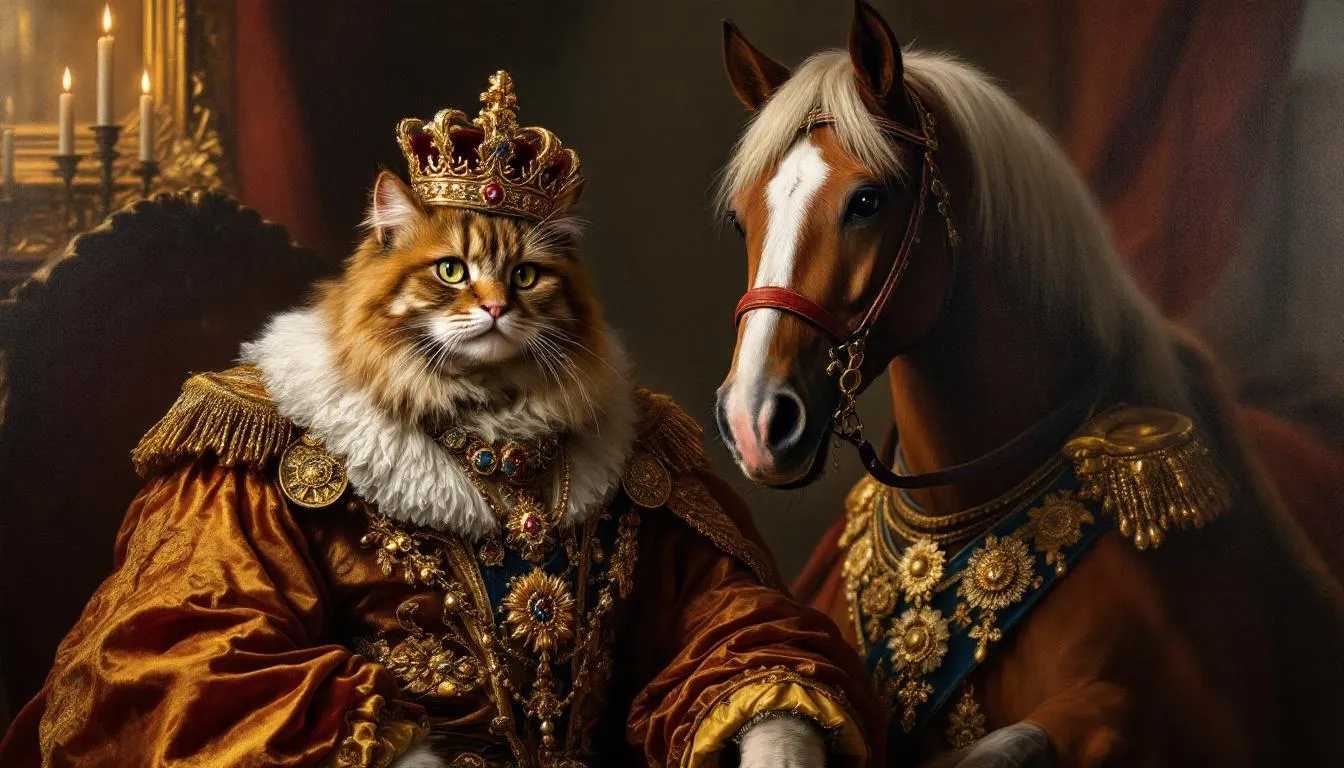
Animal Portraits: Capturing Personality in Every Brushstroke
There's a golden retriever named Biscuit hanging above my friend's fireplace. He's wearing a velvet robe. A tiny crown sits crooked on his head. The painting looks like it belongs in a European palace, not a two-bedroom apartment in Portland.
Every guest who walks through that door stops. They stare. They laugh. Then they ask, "Where did you get that?"
That reaction is exactly why animal portraits have exploded in popularity. They're not just pictures of pets. They're personality captured in paint, in pixels, in brushstrokes that somehow make a scruffy terrier look like 17th-century royalty. The pet portrait industry is now worth over a billion dollars globally, growing at nearly 10% every year. And for good reason.
Animals carry enormous emotional weight in our lives. Ninety-seven percent of pet owners in the U.S. say their pets are family. Not "like family." Family. So it makes sense that we'd want to honor them the same way aristocrats honored their prized stallions and hunting hounds centuries ago.
This guide covers everything you need to know about animal portraits. You'll learn the history behind this art form, the different styles available, how to choose the perfect photo for a commission, which animals work best (spoiler: it's not just dogs and cats), and how to display your finished piece so it stops people in their tracks. Whether you're commissioning your first custom portrait or looking for a gift that actually means something, you're in the right place.
Why animal portraits matter
A photograph captures a moment. A portrait captures a soul.
That might sound dramatic. But spend five minutes looking at a well-made animal portrait and you'll understand. There's something about the translation from photo to art that reveals character in ways a camera can't. The tilt of a head becomes deliberate. The look in a pair of eyes becomes eternal. A goofy tongue-out expression becomes, somehow, dignified.
Part of this comes down to what happens when an artist, human or AI, interprets a photograph. They make choices. They emphasize the warmth in a set of brown eyes. They smooth out the chaos of a windblown coat. They place your animal in a context, a renaissance throne room, a field of wildflowers, a moody studio backdrop, that says something about who that animal is to you.
Fable builds on this idea by transforming ordinary pet photos into museum-quality portrait art. The result hangs on your wall like an heirloom. It starts conversations. It makes people smile. And years from now, long after the original photo gets buried in a phone camera roll, that portrait will still be there.
The emotional connection runs deep. Studies show that 51% of pet owners consider their animals equal to human family members. Another 66% call their pets their children. When you love something that much, a portrait isn't decoration. It's a tribute.
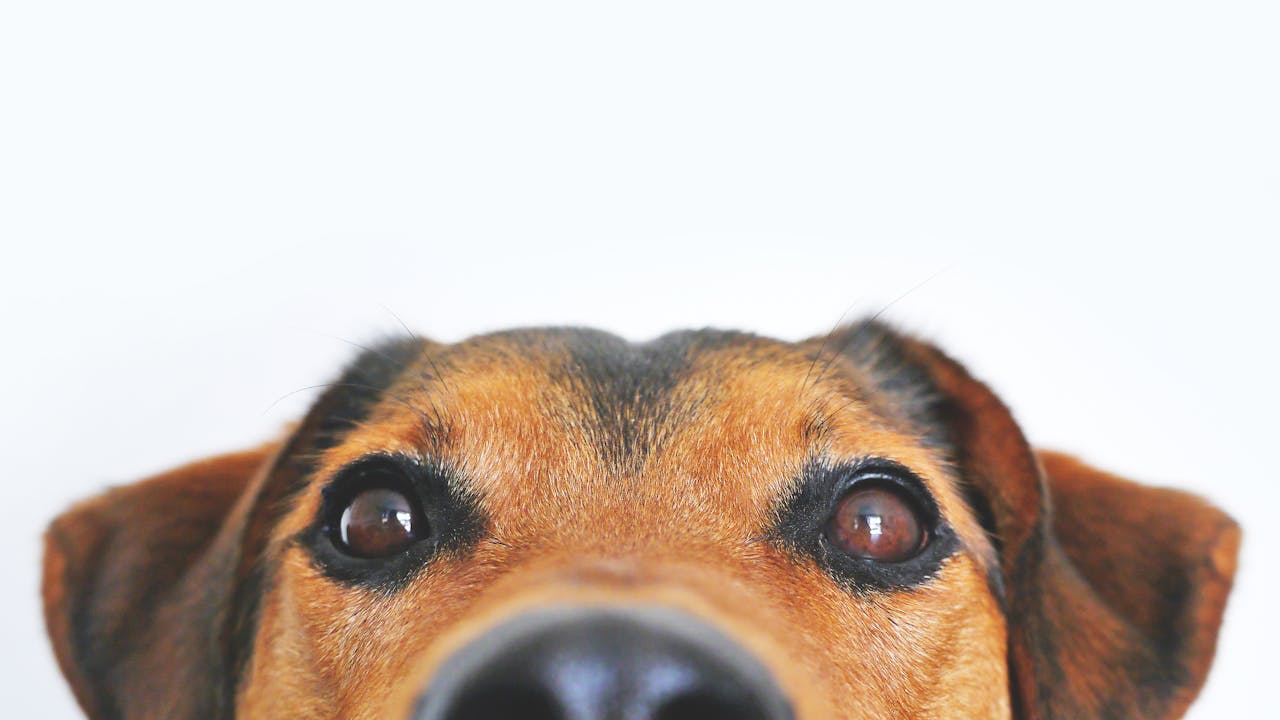 The best animal portraits capture personality, not just appearance
And the trend isn't slowing down. Pet spending in the U.S. hit $152 billion recently, with gifts and accessories growing faster than almost any other category. Custom pet portraits are among the top-selling items on platforms like Etsy, with renaissance and royal styles leading the charge. People want their animals immortalized. They want art that reflects the bond they share.
That desire has existed for thousands of years. It just looks different now.
A brief history of animal portraiture
Humans have been painting animals longer than they've been painting anything else.
The oldest known artworks on Earth are animal portraits. In the caves of Lascaux, Southern France, painters created more than 600 images of horses, bison, and reindeer over 19,000 years ago. At Chauvet, even older paintings depict rhinos and lions with a sophistication that still impresses art historians. These weren't doodles. They were careful observations of anatomy, movement, and presence.
The tradition continued through every major civilization. Roman artists filled mosaics with dogs, including the famous "cave canem" warning tiles at Pompeii. Chinese artisans painted animals on pottery as far back as the fourth century BCE. Medieval scholars compiled bestiaries, illustrated guides that catalogued creatures with detailed drawings and moral lessons attached to each one.
But the real golden age of animal portraiture began during the Renaissance. As pet-keeping for companionship became socially acceptable (the church had long discouraged it), wealthy families started commissioning artists to paint their beloved animals. Leonardo da Vinci's "Lady with an Ermine," painted around 1490, stands as one of the most famous animal portraits in history. The ermine in that painting isn't just an accessory. It's a character.
The 18th and 19th centuries pushed the art form even further. George Stubbs spent 18 months dissecting horses to understand their anatomy before painting "Whistlejacket," one of Britain's most treasured paintings. Sir Edwin Landseer became so celebrated for his animal work that Queen Victoria hired him personally. He won the Royal Society of Arts silver palette at age 11, got knighted at 48, and designed the four bronze lions that still guard Trafalgar Square.
This is the lineage behind every renaissance pet portrait you see today. When someone commissions a portrait of their cat in Elizabethan costume or their dog as a military general, they're participating in a tradition that stretches back millennia. The medium has changed. Oil and canvas became digital and AI. But the impulse, to celebrate an animal by making it art, hasn't changed at all.
Today, that impulse is more accessible than ever. You don't need to be royalty to commission a regal pet portrait. You don't need to wait months for an oil painter to finish. Services like Fable have made it possible for anyone to transform a phone photo into wall-worthy art, and the results are stunning.
Types of animal portraits
Not all animal portraits are created equal. The medium matters. It affects the look, the feel, the price, and the turnaround time. Here's what's available.
Oil paintings
Oil is the classic. It's what Stubbs used. It's what Landseer used. And it's still the gold standard for anyone who wants maximum depth, texture, and richness in their animal portrait.
Oil paintings are done on acid-free wrapped canvas using pigments mixed with linseed or walnut oil. The medium allows for incredible layering. Colors glow. Brushstrokes add physical dimension you can feel with your fingertips. A well-made oil portrait of your pet will look like something you'd find in a gallery.
The downside? Cost and time. A small oil painting starts around $170 and climbs quickly. A large, detailed piece from a skilled artist can run $2,000 to $10,000 or more. Production takes two to four weeks minimum, and premium commissions can take months. You'll also need to wait six months before varnishing to let the paint cure properly.
For those who want the oil painting aesthetic without the price tag, AI-powered services can recreate that look digitally. Fable's portrait options deliver museum-quality results that capture the warmth and depth of traditional oils at a fraction of the cost.
Watercolor
Watercolor animal portraits have an ethereal quality that nothing else matches. The medium creates soft edges, translucent layers, and a delicate beauty that works particularly well for gentle or graceful animals.
Artists use heavyweight archival watercolor paper with permanent pigments. The result is lighter and more airy than oil but still archival-quality when properly stored. Watercolors are generally more affordable than oil, starting around $149 for smaller pieces. They're also faster to produce.
The challenge with watercolor is control. It's an unforgiving medium. Mistakes can't be painted over the way they can with oil or acrylic. This means a great watercolor portrait requires genuine skill, which is part of what makes them special.
Pencil and charcoal
There's a timeless elegance to a black-and-white animal portrait. Pencil and charcoal sketches strip away color and leave nothing but form, shadow, and expression. The result can be strikingly dramatic.
Charcoal portraits create bold contrasts, deep blacks against paper white, that make features pop. Graphite work is subtler, with smoother gradations and finer detail. Both mediums excel at capturing fur texture and the depth in an animal's eyes. They're also the most affordable traditional option, starting around $99 for smaller pieces.
Digital art
Digital portraits are created using software and drawing tablets. The best digital artists blend traditional painting techniques with digital textures, creating pieces that can look like oil, watercolor, or something entirely new.
The biggest advantage of digital is flexibility. Artists can experiment endlessly, try different backgrounds, adjust colors, even change the composition without starting over. Print quality depends on resolution settings, so always confirm the file size before ordering a large print.
Digital portraits occupy a wide price range, from $50 for simpler styles to $300 or more for detailed, hand-drawn pieces.
AI-generated portraits
This is where the industry has been transformed. AI portrait tools can take a single photograph of your animal and produce a finished portrait in minutes. The styles range from cartoon and pop art to classical, surreal, and renaissance.
The quality varies enormously depending on the platform. Some produce low-resolution images that look pixelated at any reasonable print size. Others, like Fable, generate print-ready portraits at resolutions suitable for large wall art. The difference matters when you're hanging something in your living room.
AI portraits are the most affordable option, typically ranging from $20 to $200 depending on the service and print quality. They're also the fastest. What used to require weeks of an artist's time now takes minutes of computation.
Photography
Professional pet photography is its own art form. Studio sessions with controlled lighting, thoughtful posing, and post-processing can produce animal portraits that rival any painting. Wildlife photography captures animals in their natural habitat with patience, skill, and often very expensive lenses.
Fine art pet photography typically costs $200 to $1,000 for a session with prints. The results are realistic rather than interpretive, which appeals to owners who want their animal exactly as they are.
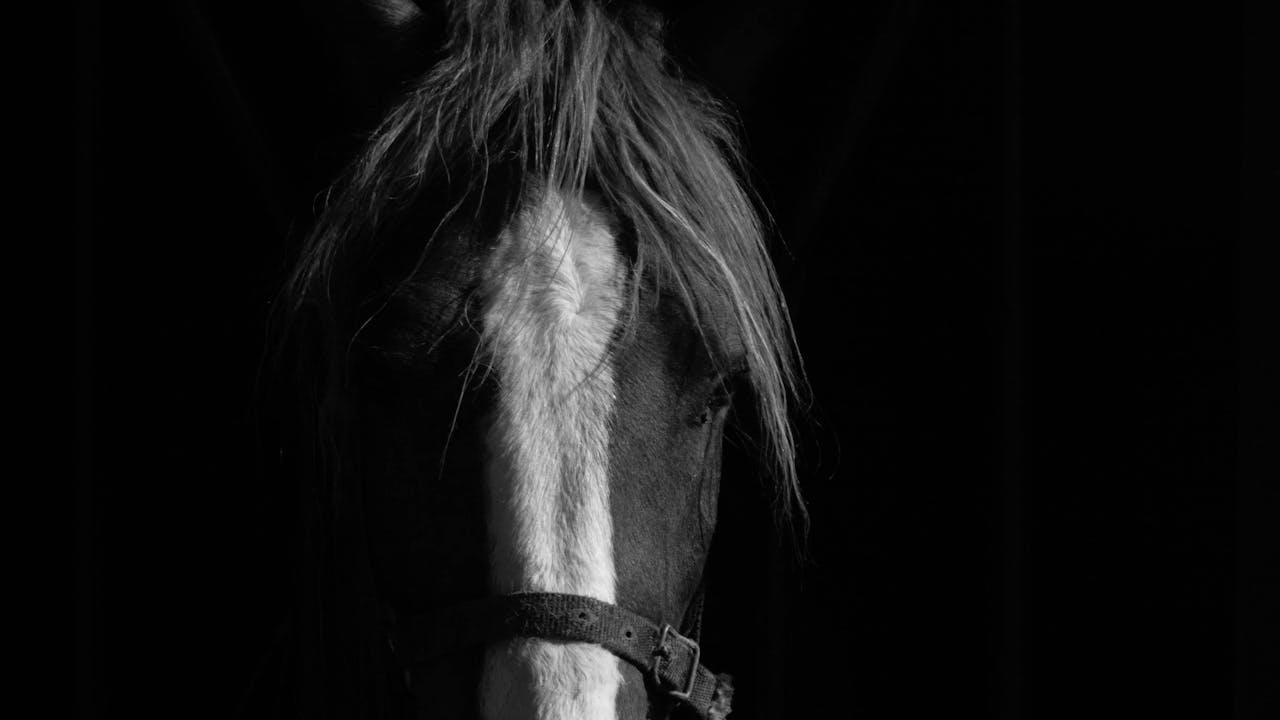 Horse portraits remain one of the most popular niches in animal art
Animals beyond dogs and cats
Dogs and cats dominate the pet portrait market. That's no surprise. There are 68 million dog-owning households and 49 million cat-owning households in the U.S. alone. But they're far from the only animals people want immortalized.
Horses
The equestrian portrait has its own rich tradition. Horse paintings gained widespread popularity during the Renaissance when royal families commissioned equestrian portraits as symbols of power and prestige. That tradition thrives today.
Horse portraits are commissioned for retirement tributes, competition victories, coming-of-age gifts for young riders, and memorials. The bond between horse and rider is intense, and a portrait captures it in a way that trophies and ribbons can't. Established equine artists often carry waiting lists of three months or more.
If you're looking for a family portrait that includes your horse, that's absolutely possible. Many portrait services welcome equine subjects alongside human family members.
Birds
Parrots, cockatoos, canaries, and raptors all make stunning portrait subjects. The color palette alone, vivid greens, electric blues, sunset oranges, gives artists incredible material to work with. Bird portraits often emphasize plumage detail and the intelligent, almost alien quality of avian eyes.
Owners of exotic birds frequently commission portraits as a way to celebrate animals that might live 40, 60, even 80 years. A macaw that's been in the family for decades deserves the same artistic treatment as any dog.
Rabbits and small mammals
Rabbits, guinea pigs, hamsters, and ferrets have passionate owners who are often underserved by the portrait market. These animals have just as much personality as any dog. A rabbit in a tiny renaissance costume is every bit as delightful as a golden retriever in one.
The rise of AI-generated portraits has been particularly good for small mammal owners. Traditional artists sometimes struggle with the subtleties of rabbit or guinea pig anatomy. AI models trained on millions of images tend to handle them well.
Reptiles and exotic pets
Bearded dragons. Geckos. Ball pythons. Turtles. These animals might not be cuddly, but their owners love them fiercely. Reptile portraits have a unique appeal, the textures, patterns, and alien beauty of scales translate beautifully into art.
Beyond reptiles, people commission portraits of hedgehogs, sugar gliders, chinchillas, and even axolotls. If you love it, it deserves a portrait.
Farm animals
Highland cows are having a moment in home decor. Goats, pigs, chickens, and donkeys all make wonderful portrait subjects, especially in rustic or country-inspired styles. Farm animal portraits carry a warmth and humor that brightens any room.
Whether your animal walks, flies, swims, or slithers, there's a portrait style that fits. Explore self portraits for yourself or kids portraits for your children alongside their favorite animals.
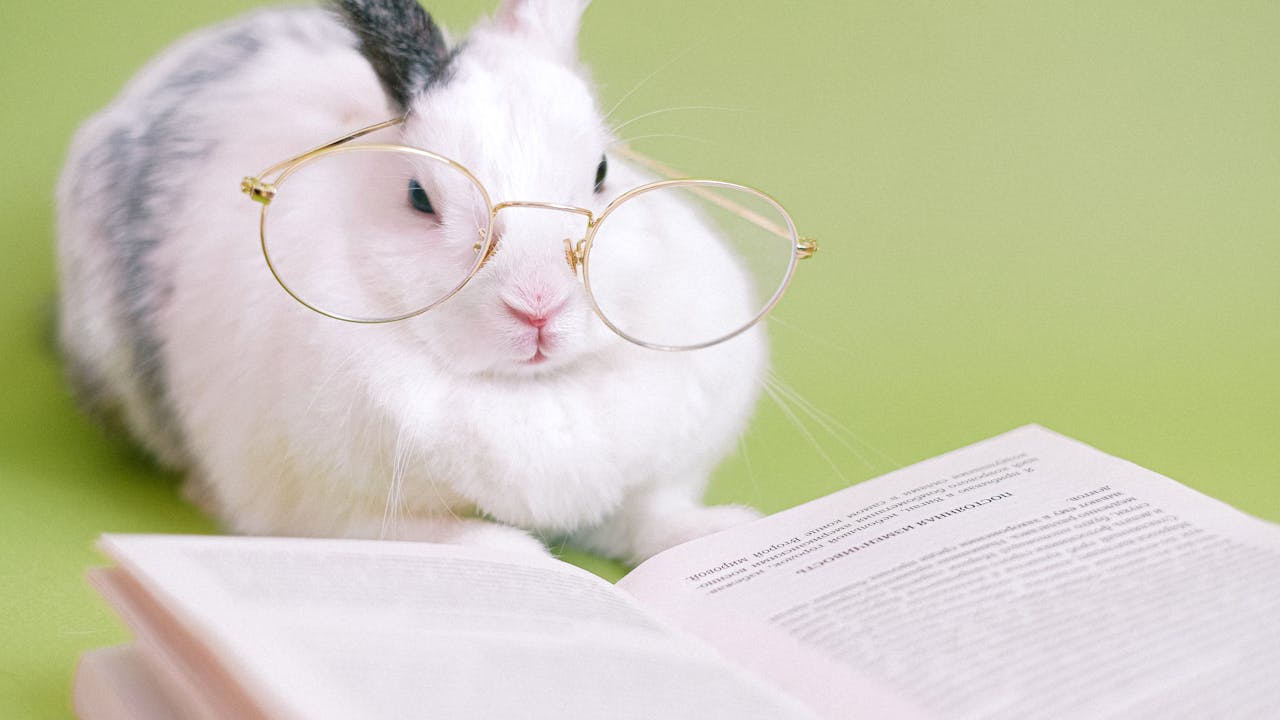 Animal portraits aren't just for dogs and cats, every pet deserves to be celebrated
How to choose the right photo for your portrait
The quality of your animal portrait depends heavily on the photo you provide. A great photo gives the artist, human or AI, everything they need to create something spectacular. A poor photo limits what's possible.
Here's what matters most.
Lighting
Natural daylight is non-negotiable. Artificial lighting alters colors and creates multiple shadow directions that confuse the portrait process. The best conditions? A bright but overcast day, which produces even light without harsh shadows or glare.
If you're shooting indoors, position your pet near a large window with light coming from straight ahead or from one side. Avoid overhead lighting. Avoid flash. Natural, soft light illuminates fur color accurately and brings out the shine in eyes.
Eye level
This is the single most important compositional tip. Get down to your animal's eye level. Photos taken from above, looking down, create unflattering distortion that makes heads look too large and bodies too small.
Your camera should be at the same height as your pet's nose. For a cat or small dog, that means getting on the floor. For a horse, it means stepping back. The eye-level perspective creates a portrait that feels like you're meeting the animal as an equal, which is exactly the effect you want.
Sharp eyes
The eyes are the soul of any portrait. If they're blurry, the entire piece loses its emotional power. When you review your photos, zoom in on the eyes specifically. You should be able to see the colors, the reflections, the individual details that make your animal's gaze unique.
Use your phone's tap-to-focus feature on the eyes. Take dozens of photos and pick the ones where the eyes are sharpest. This one detail makes more difference than anything else.
Resolution
Use the highest resolution your camera offers. Send original, full-size files. Never send photos through social media messaging apps like WhatsApp, Instagram DM, or Facebook Messenger, as these platforms compress images aggressively and destroy the detail artists need.
Email is the safest way to transfer reference photos. If you're using a phone, step back slightly and zoom in rather than getting too close, which causes lens distortion on many phone cameras.
Personality
The best animal portraits don't just capture what an animal looks like. They capture who they are. That sleepy afternoon pose. That one ear that never stands up straight. The way your cat sits like a little loaf.
Use a treat or toy to get an engaged expression, but don't force it. Forced poses look stiff. Natural, relaxed moments produce the best results. Take photos over several days if needed. Patience pays off.
When you're ready to upload your photo, see how the process works and what to expect from start to finish.
Styles and trends in animal portraiture
The world of animal portraits is broader than most people realize. Choosing a style is part of the fun.
Renaissance and royal
This is the style that launched a thousand Instagram shares. Your pet, dressed in 16th-century royal attire, posed like a Flemish aristocrat, painted with the warmth and detail of an old master. It's funny. It's beautiful. It's surprisingly moving.
Royal pet portraits draw directly from the European portraiture tradition. Think velvet robes, lace collars, military regalia, and jeweled crowns. The contrast between a modern pet and a historical setting creates something that's both humorous and genuinely artistic.
Renaissance pet portraits go a step further, often mimicking specific painters or periods. Your golden retriever might look like a subject of Rembrandt. Your tabby cat could channel the dignity of a Venetian noble. The possibilities are endless, and the results look incredible on a wall.
Surreal and dreamlike
Surrealism meets the animal kingdom in portraits that bend reality. Your pet floating through clouds. Swimming through galaxies. Standing in an impossible landscape where flowers grow from mirrors. Surreal art prints take animal portraits into territory that's unexpected and striking.
This style appeals to owners who want something artistic and conversation-starting rather than traditional. It works especially well for creative households and spaces that already lean toward bold, unconventional decor.
Pop art and modern
Bold colors, graphic lines, and Warhol-inspired grids turn animal portraits into contemporary art pieces. Pop art portraits are vibrant and energetic, perfect for owners who want something fun and modern.
Classical and naturalistic
For those who prefer subtlety, classical portraits place animals in natural settings with realistic lighting and proportionate anatomy. No costumes. No surreal backgrounds. Just your animal, beautifully rendered, as themselves. This style works well for formal spaces and for owners who want the portrait to feel timeless rather than trendy.
Cartoon and illustrated
Cartoon-style portraits highlight quirks and personality through exaggerated features and playful compositions. These work particularly well as gifts for teens and younger family members who might appreciate a more playful approach.
Each style tells a different story about your animal. Browse Fable's portrait collections to see which one speaks to you, or explore the blog for deeper dives into specific styles.
Displaying your animal portrait
You've commissioned the portrait. It arrives and it's perfect. Now what?
Where and how you display an animal portrait makes a real difference in its impact. A thoughtfully placed portrait becomes a focal point. A carelessly placed one becomes wallpaper.
Living room focal walls
The living room is the most popular placement for animal portraits, and for good reason. It's where guests gather, where conversations happen, where a regal portrait of your cat in a crown will get the reaction it deserves.
Choose the wall that naturally draws the eye when someone enters the room. This is usually the wall opposite the entrance or the wall behind the main seating area. Hang the portrait at eye level, roughly 57 inches from the floor to the center of the piece. This is museum standard, and it works.
Gallery walls
If you have multiple pets, or if your collection grows over time, a gallery wall creates a stunning display. Arrange family portraits, individual animal portraits, and mixed-media pieces together in a cohesive layout.
Start with your largest piece as the anchor. Build outward, maintaining consistent spacing between frames. Three to five pieces work best for a gallery wall. Keep the styles and tones similar for cohesion. A couple portrait alongside pet portraits creates a family gallery that tells your whole story.
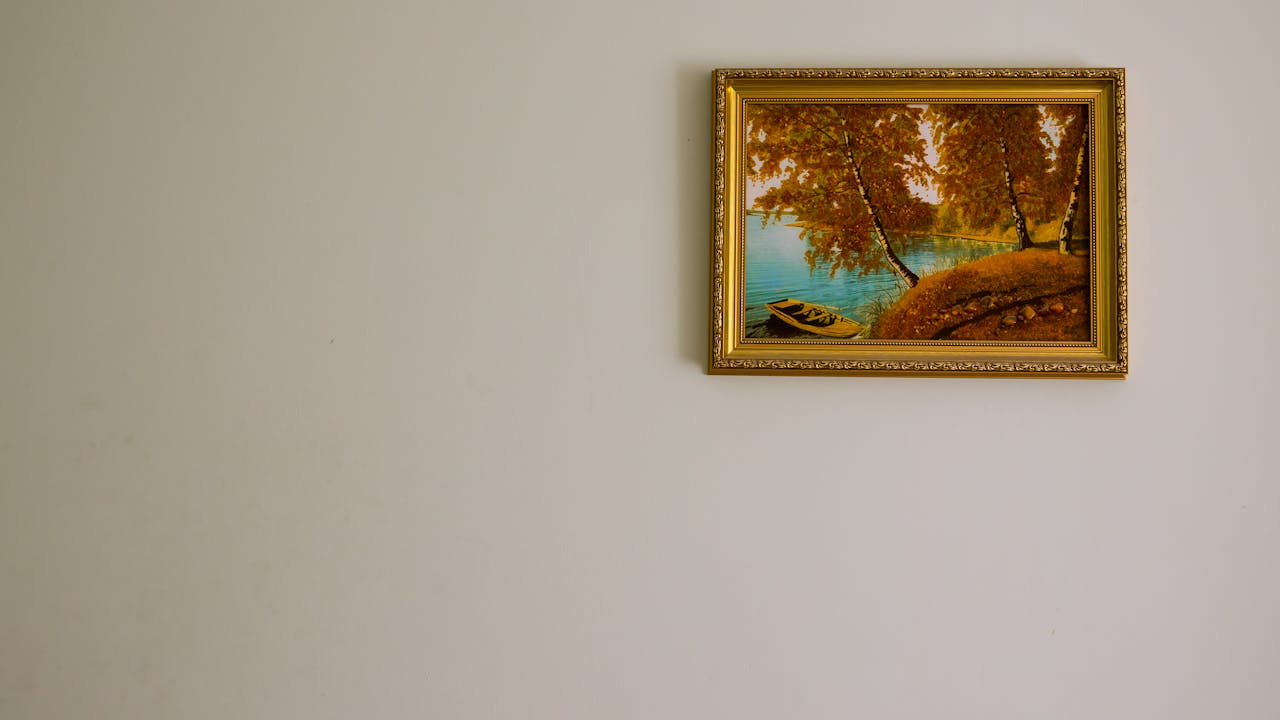 A well-placed portrait becomes the focal point of any room
Hallways and entryways
Transitional spaces like hallways and entryways are perfect for smaller portraits. A line of framed animal portraits down a hallway creates a personal gallery that visitors pass through every time they enter your home.
Stairwell walls offer vertical space that's often underused. Ascending arrangements, where portraits step up along the staircase angle, create a dramatic effect that draws the eye upward.
Bedrooms and personal spaces
A portrait of a beloved animal in the bedroom creates an intimate, comforting atmosphere. This placement works especially well for memorial portraits honoring pets who've passed. The bedroom is personal, private, and meaningful, exactly the right setting for a portrait that carries deep emotional significance.
Frame selection
The frame matters as much as the placement. Wood frames add warmth, both simple modern styles and ornate carved designs. Metal frames offer a cooler, more contemporary feel. For royal pet portraits, ornate gilded frames complete the period effect beautifully.
Match your frame to your home's existing decor. A sleek black frame works in modern spaces. A carved gold frame elevates traditional settings. When in doubt, simple frames in natural wood tones work almost everywhere.
Animal portraits as gifts
Here's a truth that anyone who's tried to buy a meaningful gift already knows: most gifts are forgettable. Gift cards get spent. Flowers die. Candles burn out.
A custom animal portrait doesn't expire. It doesn't get used up. It hangs on a wall for years, maybe decades, reminding the recipient every single day of the animal they love. That's why animal portraits have become one of the most popular gifts for art lovers and pet owners alike.
When to give an animal portrait
Birthdays. Both the owner's birthday and the pet's birthday. Milestone birthdays are especially fitting, because the portrait marks a moment in time that can't be recreated.
Holidays. Pet gift spending exceeds $4 billion during the holiday season. Eighty-two percent of pet owners spend at least $25 more than usual on their pets during the holidays. A portrait stands out in a sea of toys and treats.
Memorials. For someone who's lost a beloved animal, a portrait becomes a tribute they can hold onto forever. Research shows that 96% of pet owners feel deep grief after losing a pet. A personalized portrait that captures their animal at their best can bring genuine comfort during a difficult time.
Housewarming. New home, new walls. A custom portrait warms up any space instantly, especially when it features the animal that makes the house feel like home.
Weddings and anniversaries. A couple portrait with their beloved pet is a thoughtful, unexpected gift. It says you know what matters to them beyond the obvious.
Just because. Fifty-one percent of millennials buy their pets gifts monthly or more often. A portrait doesn't need a special occasion. Sometimes the best gifts arrive for no reason at all.
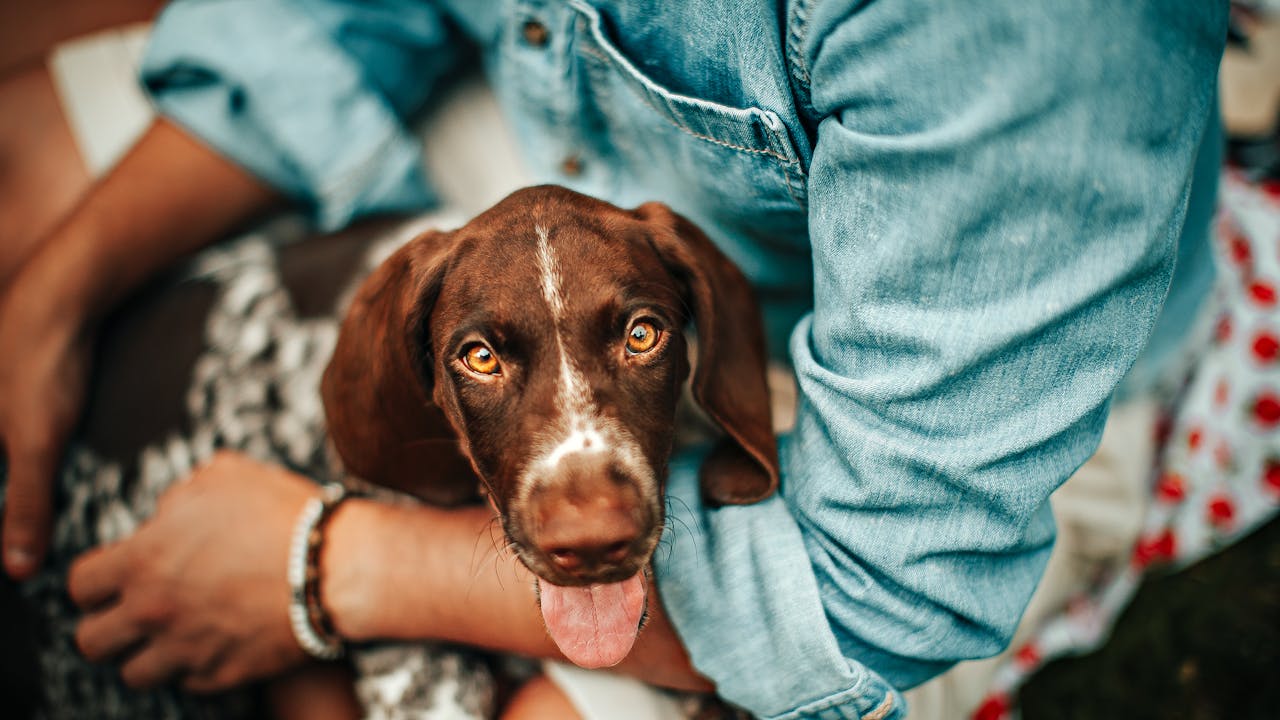 The bond between owner and animal is what makes a portrait meaningful
Choosing a portrait for someone else
When commissioning a portrait as a gift, you'll need a good photo of the recipient's animal. This is the trickiest part. You can ask for photos casually ("Send me a cute pic of Max, I need to show my friend how adorable he is") or enlist a family member to help.
Consider the recipient's home and personal style. Someone with modern, minimalist decor might prefer a clean, contemporary portrait. Someone who loves history and tradition might light up at a renaissance-style piece. And someone with a sense of humor will probably adore a royal portrait of their cat wearing a crown.
If you're shopping for someone hard to buy for, read our guide to unique gifts for art lovers for more ideas. Teachers, teens, and creative types all love personalized art. Check out art gifts for teachers and art gifts for teens for audience-specific recommendations.
What to expect on pricing
Animal portrait pricing varies wildly depending on the medium, size, complexity, and artist reputation. Here's a realistic breakdown so you know what you're looking at.
Traditional mediums
Pencil and charcoal portraits start around $99 for a small piece (up to 8x10 inches) and climb to $500 for larger formats. Watercolor runs $149 to $600. Acrylic falls in the middle.
Oil paintings carry the highest price tags. A small oil portrait starts around $170. Medium-sized pieces (11x14 to 16x20) range from $400 to $750. Large canvases can run $750 to $2,000 from established artists, and premium fine art commissions from well-known painters command $4,500 to $10,000 or more.
Digital and AI
Digital portraits created by human artists typically range from $50 to $300, depending on complexity and the artist's experience.
AI-generated portraits are the most accessible option. Prices usually fall between $20 and $200, with the wide range reflecting massive differences in quality, resolution, and print readiness.
Check Fable's pricing for current options. The platform delivers museum-quality portraits at a price point that makes custom art accessible to everyone, not just those with four-figure budgets.
Factors that affect cost
Size is the biggest driver. A large canvas costs more than a small one, regardless of medium. Number of subjects matters too. Each additional animal typically adds $50 to $100. Background complexity, special requests (specific poses, costumes, accessories), and rush orders all affect the final price.
Full-body portraits generally cost more than head-and-shoulders compositions. If you want your pet in a complete royal outfit with an elaborate throne room background, expect to pay more than for a simple headshot.
Turnaround times
AI-generated portraits can be ready in minutes to hours. Digital portraits take hours to days. Watercolor and acrylic take days to weeks. Oil paintings require two to four weeks standard, with premium commissions stretching to eight weeks or more.
Plan ahead for gifts. If you need a portrait for a birthday or holiday, factor in the production time plus shipping. The Fable process is designed for speed without sacrificing quality, but traditional commissions require advance planning.
Tips from professional portrait artists
The experts who create animal portraits for a living have insights worth sharing.
Eyes are everything. Wildlife artist Derek Nielsen calls them "the most powerful focal points" in any animal portrait. Everything else, the fur, the pose, the background, supports the story the eyes are telling. If the eyes don't connect, the portrait doesn't work.
Study anatomy. Artist Chuck Black spent years sketching animals before he could paint them convincingly. Even AI-generated portraits benefit from understanding anatomy, because the best prompts describe animals with anatomical accuracy.
Get the fur direction right. When fur is shaded as a solid mass, it looks flat. The direction of hair growth gives dimension and movement to the portrait. This is one of the things that separates amateur work from professional quality.
Patience produces the best photos. Every portrait artist says the same thing. The best reference photos come from patient observation, not from forcing an animal into a pose. Let them be natural. Wait for the moment when their personality shines through.
Simplify the background. Unless the background is part of the artistic concept (a throne room, a garden, a surreal landscape), keep it clean. A cluttered background distracts from the subject and creates unnecessary complexity for the artist.
These principles hold true whether you're commissioning a hand-painted oil portrait or uploading a photo to Fable's portrait tool. Great input produces great output, regardless of the medium.
The emotional power of animal portraits
There's something about seeing your animal rendered as art that hits differently than looking at a photograph.
Part of it is elevation. A photograph says, "This happened." A portrait says, "This matters." The act of turning a pet into art is an act of honoring them. It elevates the everyday, the morning walks, the afternoon naps, the goofy faces, into something worth preserving permanently.
Part of it is interpretation. A portrait isn't a literal copy. It's a translation. And in that translation, something real about the animal's character comes through in ways that surprise even the owner. You see your dog differently when they're standing in a candlelit hall wearing a military coat. You see your cat differently when they're gazing out from a gilded frame with the quiet authority of a Flemish master.
And part of it is permanence. Phone photos get buried. Hard drives crash. Cloud storage fills up. But a portrait on a wall stays visible, stays present, stays part of your daily life for years. It becomes a landmark in your home, the thing your eye finds when you walk through the room, the thing guests notice first.
For families, animal portraits often become the anchor of a broader portrait collection. A pet portrait leads to a kids portrait, which leads to a couple portrait, which leads to a family grouping that tells the complete story of your household. Everyone belongs. Everyone is honored. Even the one with four legs and a tail.
Frequently asked questions
What animals can be turned into portraits?
Any animal. Dogs, cats, horses, birds, rabbits, reptiles, fish, farm animals, and exotic pets all make great portrait subjects. If you have a clear photo of the animal, an artist or AI service can create a portrait. Fable accepts photos of any animal and transforms them into stunning portrait art.
How much does a custom animal portrait cost?
Prices range from $20 for basic AI-generated work to $10,000+ for premium oil paintings. Digital portraits from human artists typically cost $50 to $300. Traditional paintings start around $99 for pencil work and climb to several thousand for oil. Check current pricing options for print-ready AI portraits.
What's the best photo to use for an animal portrait?
A well-lit photo taken at your animal's eye level with sharp focus on the eyes. Use natural daylight, avoid flash, and capture a natural expression. Send the original, full-resolution file, not a compressed social media version. Read our dog portrait guide for detailed photo tips.
How long does it take to get an animal portrait?
AI-generated portraits can be ready in minutes. Digital commissions take hours to days. Traditional paintings take one to eight weeks depending on the medium and complexity. Learn how the Fable process works for specific turnaround times.
Are animal portraits good gifts?
Extremely. Custom animal portraits are among the most popular personalized gifts for pet owners. They work for birthdays, holidays, memorials, housewarmings, and any occasion where you want to give something meaningful. See our gift guide for art lovers for more ideas.
Can I get a portrait of a pet that has passed away?
Yes. Many portrait services specialize in memorial portraits. Provide as many photos as possible, and the artist can create a tribute that captures your animal at their best. This is one of the most emotionally powerful uses of animal portraiture.
What size should I order?
Consider where you'll hang the portrait. Small pieces (8x10 to 11x14) work on desks and shelves. Medium pieces (16x20) suit most walls. Large pieces (24x30 and up) create statement focal points. For print quality, resolution matters more than anything, so choose a service that produces high-resolution files.
What style is most popular right now?
Royal and renaissance pet portraits are the most viral style, consistently trending on social media. Classical, surreal, and pop art styles are also popular. The best style depends on your personal taste and home decor.
Related guides
- Pet portraits: the complete guide to immortalizing your companion
- Royal pet portraits: turn your pet into nobility
- Custom dog portraits: how to create the perfect pet keepsake
- Renaissance pet portraits: timeless art for modern pet lovers
- Gifts for art lovers: unique ideas they'll actually keep
Sources
- APPA National Pet Owners Survey
- Pew Research Center: Pets and Family
- Business Research Insights: Pet Photography Market
The best portraits aren't just pictures. They're proof that something small and furry and full of personality changed your life. They're evidence of a bond that deserves to be seen every day, not buried in a camera roll. Start creating yours and give your animal the art they've always deserved.