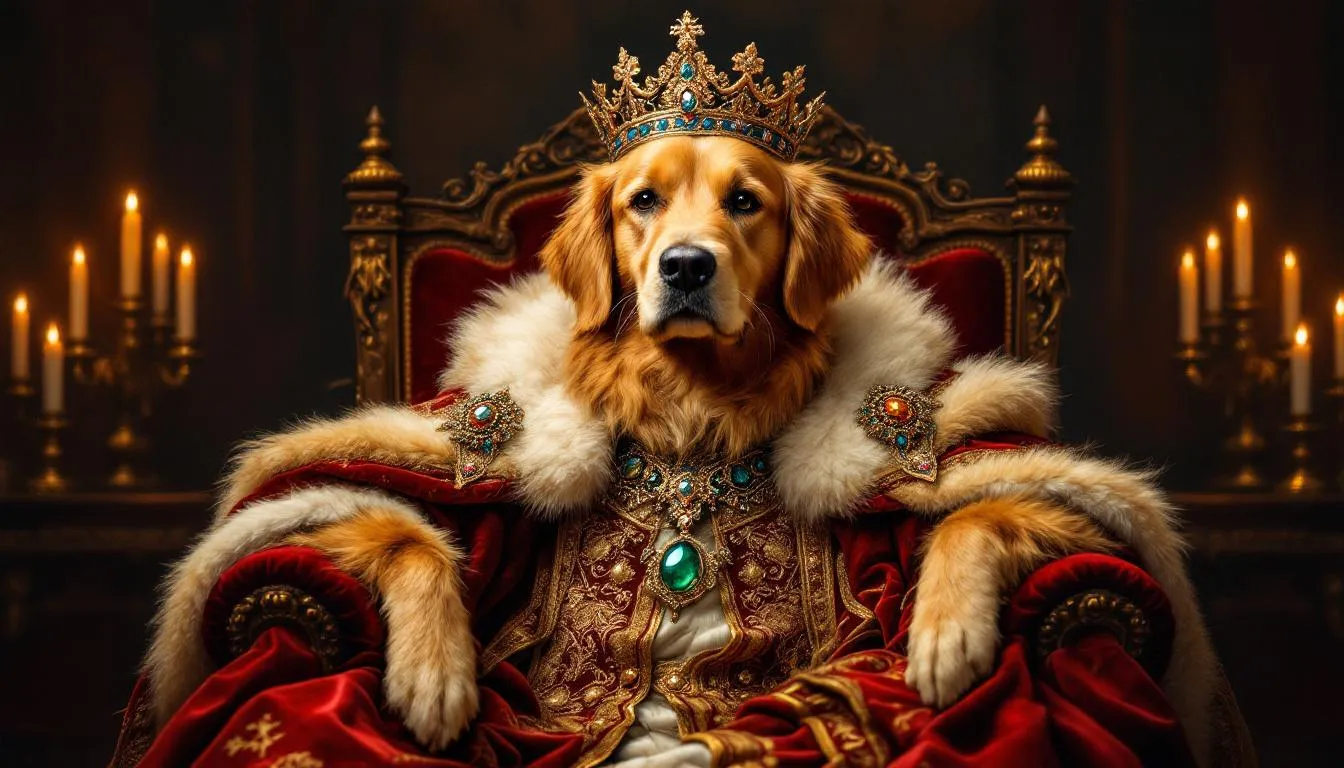
Regal Pet Portraits: Give Your Pet the Royal Treatment
Your pet already acts like royalty. They claim the best seat on the couch. They expect breakfast served on time. They patrol their kingdom with the confidence of a creature who has never once questioned their own importance.
So why not make it official?
Regal pet portraits take that personality, that magnificent self-assurance your pet carries every single day, and translate it into art that belongs in a gallery. We're talking velvet robes. Gilded crowns. The elaborate costumes and dramatic lighting of classical European portraiture, applied to the face of your golden retriever or tabby cat.
The result is something unexpected. Funny, yes. But also beautiful. Moving, even. Because underneath the humor of a corgi dressed as a Tudor monarch lies something real. These portraits honor the bond between you and your pet. They take the love you feel and make it visible, permanent, worthy of your walls.
This guide covers everything you need to know about regal pet portraits. We'll walk through the different styles, from Renaissance opulence to Victorian restraint. You'll learn how to choose the perfect photo for the best results. We'll explore the rich history behind animal portraiture, because this tradition runs deeper than you might expect. And you'll discover why regal pet portraits have become one of the most popular and meaningful gifts for any animal lover.
Whether you're treating yourself or surprising someone who considers their pet family, you're in the right place.
What makes regal pet portraits different
Not all pet portraits are created equal. A standard pet portrait captures your animal's likeness. A regal pet portrait captures their spirit, then wraps it in the visual grandeur of centuries-old European art.
The distinction matters.
Regular pet portraits focus on accuracy. They reproduce your pet's features faithfully, often in a modern style. Watercolors, digital illustrations, pencil sketches. These are lovely. They serve a purpose. But they don't carry the same emotional weight as seeing your labrador dressed in the ceremonial armor of a 16th-century knight.
Regal portraits borrow from a specific artistic tradition. The formal court paintings that once hung in palaces across Europe. Portraits of kings and queens, dukes and duchesses, military commanders and aristocratic families. These artworks followed strict conventions. Rich fabrics. Dramatic lighting. Dignified poses that communicated power and importance.
When you apply these conventions to your pet, something fascinating happens. The contrast between the formality of the style and the familiarity of your pet's face creates an emotional reaction that no other type of art can match. People laugh. Then they lean in closer. Then they start asking about your pet, sharing their own stories, connecting over the universal experience of loving an animal.
Fable creates these transformations daily. We study your pet's expression, their posture, the particular way they hold their head when they're paying attention. Then we build artwork that captures who they truly are, dressed in the dignity they've always deserved.
The best regal portraits don't just place a pet's head on a historical body. They create cohesive compositions where your companion genuinely looks like they belong in that world. The fur blends naturally with the costume. The lighting feels consistent. The overall impression is of a real painting, not a cutout.
That's the difference between a novelty item and a genuine piece of art.
A brief history of animal portraiture
The idea of painting animals with the same reverence given to human subjects isn't new. It stretches back centuries, rooted in a tradition that connects wealth, status, and the deep human need to honor the creatures we love.
Ancient and medieval origins
Animals appeared in art long before anyone thought to paint their individual portraits. Cave paintings at Lascaux depicted horses and bulls over 17,000 years ago. Egyptian tomb paintings featured cats alongside pharaohs. Roman mosaics showed hunting dogs in elaborate detail.
But individualized animal portraiture, the practice of commissioning a painting of a specific, named animal, emerged in the medieval period. During this era, nobles and royalty began including their dogs and horses in formal portraits as symbols of wealth, loyalty, and power. A lord posing with his favorite hunting hound wasn't just showing affection. He was demonstrating status.
These early works laid the groundwork for everything that followed. The idea that an animal could be worthy of serious artistic attention took root in European culture and never left.
The golden age of animal painting
The 18th and 19th centuries transformed animal portraiture from a subcategory of art into a celebrated genre. Two figures stand out in particular.
George Stubbs (1724-1806) changed how the world saw animal art. His masterpiece, Whistlejacket, depicts a rearing Arabian horse against a plain gold background at nearly life-size scale. Commissioned by the 2nd Marquess of Rockingham, the painting treated a horse with the same heroic grandeur typically reserved for monarchs and military leaders. Stubbs spent 18 months dissecting horses in Lincolnshire to understand their anatomy, and that obsessive knowledge shows in every brushstroke. Whistlejacket wasn't just a painting of a horse. It was a declaration that animals deserved monumental art.
Then came Sir Edwin Landseer (1802-1873), Queen Victoria's favorite artist. Victoria called him "the cleverest artist there is." She commissioned him to paint her beloved pets, including Dash, her King Charles Spaniel, and Eos, Prince Albert's greyhound. Landseer's genius lay in his ability to give animals personality. His subjects didn't just sit there looking pretty. They communicated emotion, intelligence, humor. He taught both Victoria and Albert to etch, visited Balmoral regularly, and painted everything from royal children to Highland deer.
When Landseer died, flags across London flew at half-mast. The lions at Trafalgar Square, which he designed, were draped in wreaths. An animal painter, mourned like a statesman.
The modern revival
The tradition of regal pet portraiture faded in the 20th century. Photography replaced painting for most documentary purposes. Formal animal portraiture became a niche interest.
Then the internet happened.
Social media created a world where pet content dominates. People share thousands of photos of their animals every day. And within this flood of digital images, something interesting emerged. A hunger for permanence. For something more meaningful than another phone photo lost in an endless camera roll.
Regal pet portraits filled that need perfectly. They combine the shareability of internet pet culture with the timelessness of classical art. You can post them online and hang them on your wall. They work as both a joke and a genuine expression of love.
The result is an industry that has grown remarkably. According to Level Frames, pet pictures now account for roughly 12% of all photos they frame. There were over 162,000 Google searches for pet art terms in the U.S. in a single year. What started as a quirky trend has become a genuine movement.
Why regal pet portraits resonate so deeply
There's more happening here than meets the eye. The popularity of regal pet portraits isn't random. It taps into real psychology and genuine emotion.
The humanization of pets
Americans now spend over $152 billion annually on their pets, according to the American Pet Products Association. That number has been climbing steadily for years, with projections suggesting it could reach $192 billion by 2030. Seventy-one percent of U.S. households, roughly 94 million homes, include at least one pet.
These aren't just statistics. They reflect a fundamental shift in how people relate to their animals. Pets aren't accessories or property anymore. They're family members. They have names, birthdays, preferred sleeping positions, and dietary preferences that their owners track with the same attention they'd give a child.
Regal pet portraits express this relationship in visual form. Dressing your dog in the robes of Renaissance nobility isn't just funny. It's honest. It reflects the status your pet actually holds in your home. They rule. You serve. The portrait just makes it official.
The power of contrast
Humor matters. A big part of what makes regal pet portraits work is the delightful absurdity of seeing a scruffy rescue mutt in the elaborate finery of a European monarch.
Your French bulldog didn't conquer any kingdoms. Your cat hasn't commanded naval fleets. The gap between what these animals are, beloved household companions who occasionally knock things off tables, and what the portrait suggests they are, dignified figures of historical importance, creates a reaction that people can't resist.
But here's the thing. After you live with one of these portraits for a while, the humor fades into the background. What remains is the beauty. The craftsmanship. The warm feeling you get every time you glance at it and recognize your pet's familiar face looking back at you from an extraordinary context.
That transition from funny to beautiful is what separates regal pet portraits from gag gifts. They start as conversation pieces and become treasured possessions.
The gift factor
Custom pet portraits have become one of the most popular personalized gifts across all occasions. Birthdays, holidays, housewarmings, memorials for pets who have passed. The appeal is universal because the love behind them is universal.
A regal portrait amplifies this appeal. It's not just thoughtful. It's dramatic. Imagine unwrapping a portrait of your beloved golden retriever dressed as a Baroque duke, rendered in museum-quality detail. That's not a gift someone forgets. That's a gift that gets hung immediately, shown to every visitor, and talked about for years.
Family portraits work especially well for multi-pet households. Two dogs as rival nobility. A cat and dog as unlikely allies in period costume. The creative possibilities multiply with every additional pet.
Popular regal portrait styles
The word "regal" covers a lot of ground. Not all regal portraits share the same aesthetic, and the style you choose dramatically shapes the final piece. Understanding your options helps you pick something that matches both your pet's personality and your home's decor.
Renaissance grandeur
The Renaissance period, spanning roughly the 14th through 17th centuries, produced some of the most recognizable portraiture in Western art. Think elaborate robes in deep reds and golds. Velvet capes. Intricate embroidery. Jeweled accessories catching the light. The backgrounds typically feature warm, muted tones that push the richly dressed subject forward.
Renaissance-style regal portraits suit pets with naturally dignified bearings. The stoic German shepherd. The aloof Siamese cat. The greyhound whose bone structure already looks aristocratic. These animals seem to belong in Renaissance finery because their expressions carry genuine gravity.
Renaissance pet portraits remain the most popular choice for a reason. The style is immediately recognizable, deeply impressive, and versatile enough to accommodate any breed or species.
The color palette tends toward warmth. Burgundy, gold, emerald, royal blue. These are statement pieces that work beautifully in living rooms, studies, and dining rooms where rich tones complement the existing decor.
Victorian elegance
Victorian portraiture traded Renaissance opulence for something more restrained. Think dark backgrounds, formal poses, and the specific fashions of 19th-century England. High collars. Military medals. The distinguished attire of the British upper class.
This style carries a different emotional tone. Less fantastical. More grounded. Your bulldog doesn't look like a Renaissance prince. He looks like a Victorian gentleman who just returned from the club, slightly disapproving of whatever he found when he walked through the door.
Victorian-style portraits pair wonderfully with pets who have serious, contemplative expressions. The pug who always looks mildly judgmental. The Scottish fold cat with permanent skepticism in their eyes. The basset hound whose face suggests they've seen things and aren't particularly impressed.
The color palette leans darker. Rich browns, deep greens, touches of gold for military decorations. The result feels like something you'd find in an English manor house, which makes it perfect for homes with traditional or classic decor.
Queen Victoria herself was one of history's greatest champions of pet portraiture. She commissioned Sir Edwin Landseer to paint her beloved dogs repeatedly, and her patronage helped establish the tradition we're building on today.
Baroque drama
Baroque art pushed emotion to its extreme. Think Caravaggio's intense lighting, Rembrandt's psychological depth, Rubens's dynamic compositions. These artists created works that grabbed viewers and refused to let go.
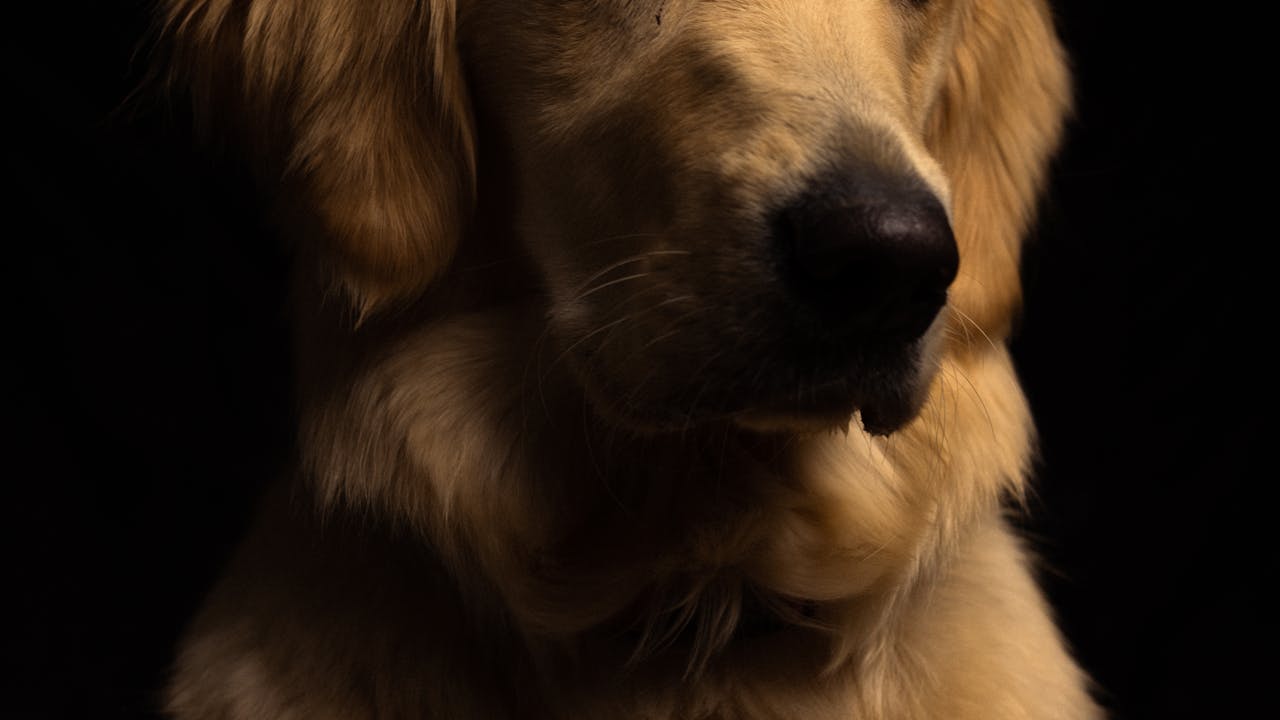
Baroque-style regal portraits embrace this intensity. Strong light sources create dramatic shadows across your pet's face. Backgrounds often fade to near-black, making your subject pop with almost three-dimensional presence. Every fold of fabric catches light. Every whisker casts its own shadow.
This style demands attention. It doesn't blend into a wall. It dominates whatever room it occupies. For pet owners who want a true statement piece, baroque grandeur delivers something no other style can match.
The emotional impact tends toward the profound. Your pet looks less like a character in costume and more like a being of genuine importance. Someone worth remembering. Someone worth honoring with serious art.
Military and naval themes
Your dog as a decorated general. Your cat as an admiral of the royal navy. Military-themed regal portraits add another layer by incorporating honor, service, and achievement into the visual narrative.
These portraits feature uniforms rich with medals, epaulets, and ceremonial decorations. The posing follows formal military portraiture conventions. Chest out. Gaze steady. The bearing of someone who has commanded great things and expects to command more.
Military themes work particularly well for pets with alert, focused expressions. The German shepherd who watches everything with intelligence. The border collie always ready for action. The tabby cat who patrols their territory with genuine seriousness, as if defending borders is their actual job.
Self portraits in military style let pet owners immortalize their companion's protective nature. That dog who guards the house with unwavering dedication. That cat who genuinely believes the household depends on their vigilance.
Medieval court scenes
Some regal portraits go beyond individual subjects to create entire royal court compositions. Your pet on a throne, surrounded by implied wealth and power. Crown jewels glinting in candlelight. Tapestries and stone walls suggesting a castle setting.
These compositions draw from the grand state portraits that hung in palace galleries across medieval Europe. The kind of paintings designed to communicate absolute authority to anyone who viewed them. Applying this treatment to your pet creates something both absurd and wonderful.
Court compositions work well for pets with strong, outgoing personalities. The cat who genuinely believes they're in charge of everything. The dog who has never met a stranger, only subjects who haven't yet acknowledged their majesty.
For couple portraits, medieval court scenes offer the chance to create a royal pair. Two pets as king and queen, or as nobles sharing a throne. The narrative possibilities make these some of the most engaging regal portraits you can commission.
Choosing the right style for your pet
Not every style suits every animal. The best regal pet portrait matches the aesthetic to your pet's natural personality and physical characteristics. Here's how to think about that decision.
Match the expression
Look at photos of your pet. Really look. What's their default expression?
Some animals carry natural dignity. Their resting face communicates seriousness, composure, maybe even a touch of superiority. These pets suit Renaissance and Victorian styles perfectly. The formality of the costume matches what their face is already saying.
Other animals radiate warmth and playfulness. Their eyes sparkle. Their mouths seem to smile. These pets might work better in baroque drama or military themes, where the intensity of the style creates an interesting tension with their naturally friendly demeanor.
And then there are the characters. The pets with faces so expressive, so full of personality, that they could suit almost anything. If your pet has "a look," the kind of face that makes strangers stop and comment, you have creative freedom. Almost any regal style will capture something real about them.
Consider your space
A portrait that looks stunning in a gallery might overwhelm a small apartment. The style should complement where it will hang.
Baroque portraits, with their dark backgrounds and dramatic lighting, command large walls and rooms with enough space to appreciate them from a distance. They're statement pieces that work best as the focal point of a room.
Victorian portraits, more restrained in their palette, integrate easily into existing gallery walls and living spaces. They play well with other art and don't demand to be the center of attention, even though they'll probably become it anyway.
Renaissance portraits fall somewhere in between. Their warm tones and rich colors add energy to a room without overwhelming it. They're versatile enough for bedrooms, hallways, and living rooms alike.
Kids portraits in regal style can make wonderful additions to children's rooms and playrooms, turning a family pet into the centerpiece of imaginative decor.
Think about the gift recipient
If you're commissioning a regal portrait as a gift, consider the person you're giving it to. Their sense of humor. Their decorating style. Their relationship with the pet in question.
Some people appreciate the full absurdity of baroque drama applied to their gentle beagle. Others prefer the subtle warmth of a Victorian portrait that could almost, almost pass as a genuine historical painting until you notice the ears.
The most meaningful regal portraits reflect not just the pet, but the relationship between the pet and their person. That's worth thinking about before you choose a style.
How to take the perfect photo for your regal portrait
Your portrait is only as good as the photo you provide. This matters more than most people realize. The right source image produces stunning results. The wrong one leaves you disappointed, regardless of the artist's skill.
Lighting makes everything
Natural light is your friend. Position your pet near a window where soft, diffused daylight illuminates their face evenly. The gentle light of a cloudy day or sunlight filtered through curtains creates the kind of warm, dimensional illumination that translates beautifully into painted art.
Avoid flash. That burst of artificial light flattens features and creates unnatural highlights in your pet's eyes. The result looks harsh, and that harshness carries into any portrait based on it.
Morning and evening light, what photographers call golden hour, flatters pets just as much as humans. Warm, angled light brings out fur texture and creates natural shadows that add depth and dimension. If you're planning to take new photos specifically for a regal portrait, aim for these windows of time.
Resolution and clarity
A blurry photo produces a blurry portrait. No artist can invent details that don't exist in your source material.
When evaluating potential photos, zoom in on your screen. Can you see individual hairs? Can you make out the texture of your pet's nose? The patterns in their eyes? If the image breaks apart into visible pixels, you need something sharper.
Good news: modern smartphones capture excellent photos. Most images from the past few years contain more than enough detail for quality portrait work. Problems arise with older devices, heavily compressed images shared through messaging apps, or photos taken from far away and then cropped drastically.
A rough guide: photos under 1MB might work for casual viewing but often lack the detail needed for quality portraits. Images over 3MB typically contain enough information for even large prints.
The how it works page covers specific technical requirements. But as a general rule, if the photo looks good to your eye at full zoom, it'll probably work.
Capturing the real personality
Technical quality means nothing if the photo doesn't look like your pet.
Every animal has signature expressions. The head tilt that means they're listening. The soft eyes when they want treats. The alert ears when something interesting happens outside. The squinty contentment of pure relaxation.
The best portrait photos capture these moments. Not a generic animal face. Your pet's face, with all its familiar quirks that you'd recognize anywhere. Before taking new photos, scroll through your camera roll. You might find the perfect shot already buried in there. That candid moment from last summer. The time they fell asleep in a beam of sunlight.
Authentic moments translate into regal portraits better than posed shots. They carry personality that makes the artwork meaningful.
Angles that work
Three-quarter views work best for most regal styles. Your pet angled slightly to one side, both eyes visible, enough of the body to establish their pose without overwhelming the face. This angle has dominated portraiture for centuries because it balances dimension with recognition.
Straight-on shots work too, especially for pets with symmetrical features and alert expressions. Your pet looks directly out of the portrait, meeting the eyes of anyone who looks. This creates a powerful, immediate connection.
Avoid extreme angles. Photos from directly above distort proportions and make heads look oversized. Shots from below capture unflattering angles that don't translate well. The most flattering perspective generally matches human eye level or slightly above.
Background clutter matters less than you'd think. Most regal portrait styles either remove the background entirely or replace it with period-appropriate settings. Focus on getting your pet right. The artist handles the rest.
The creation process
Understanding how regal pet portraits come together helps set realistic expectations. It also deepens appreciation for the craftsmanship involved in transforming a casual phone photo into museum-quality art.
Submitting your photo
The process starts with your best photo. Most services let you upload directly through their website. Some offer guidance on which photos work best, and it's worth following that advice. A few minutes spent choosing the right image saves significant time later.
With Fable, you upload your photo, choose your preferred style, and the rest happens behind the scenes. The system studies your pet's expression, proportions, and distinctive features before any work begins.
Building the artwork
The actual creation of a regal portrait involves far more than applying a filter or pasting your pet's face onto a template. Quality matters enormously here, and quality takes expertise.
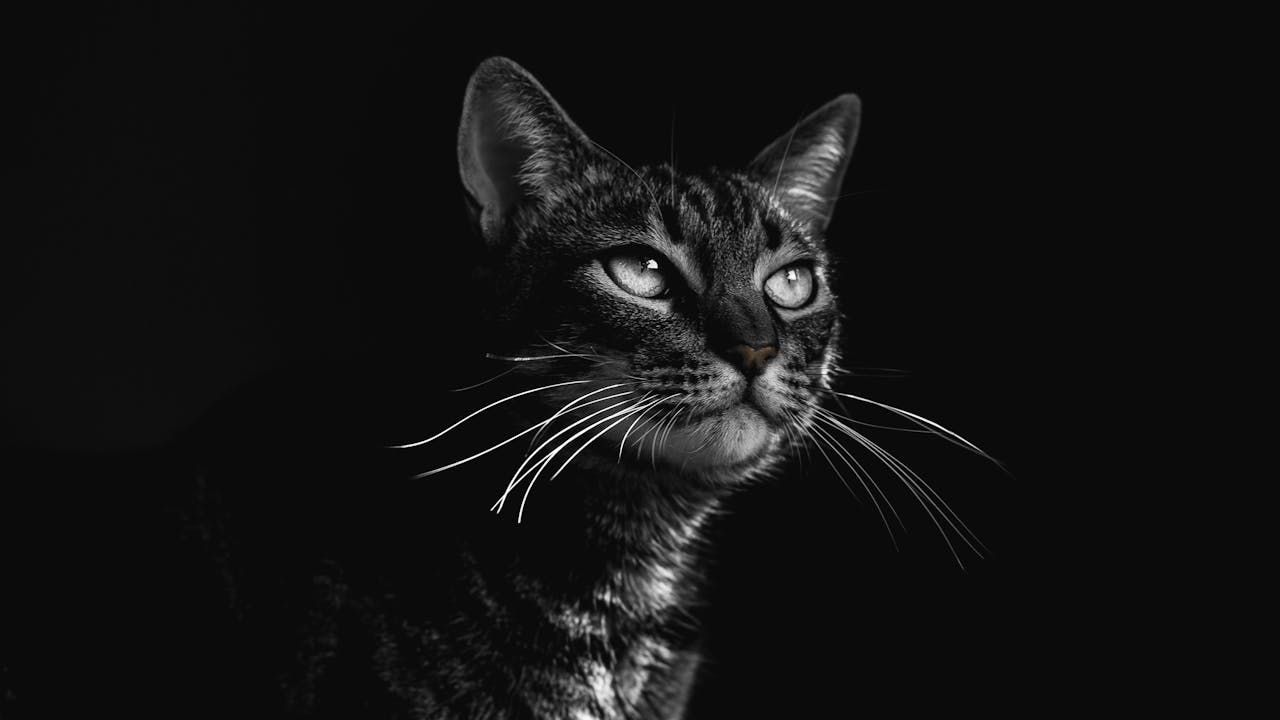
The artist, whether human or AI-assisted, needs to make dozens of decisions. Which costume fits the pet's bearing? What era matches their expression? Which colors complement their natural coloring? A fluffy white Samoyed might look stunning in the reds and golds of Italian nobility. A sleek black cat might demand the stark contrasts of Dutch masters.
Then there's the technical work. Getting fur to look natural against fabric. Ensuring the lighting on the costume matches the lighting on the face. Creating shadows that suggest real depth. Rendering textures that imply genuine brushstrokes on canvas. Every detail contributes to the overall illusion of a real classical painting.
This isn't a five-minute process. The costume alone might take significant work to render convincingly. But that investment of time and skill is exactly what separates a genuine regal portrait from a cheap photo manipulation.
Quality differences that matter
Not all regal pet portrait services deliver the same quality. The range is enormous, from quick digital edits to genuine artistic creations that could hang in a gallery without anyone questioning their presence.
Look for coherence. In the best portraits, your pet looks like they genuinely belong in the costume and setting. The fur blends naturally with the fabric. The lighting is consistent across the entire image. The proportions make sense. Nothing looks pasted or forced.
Check pricing against what you're getting. Extremely cheap options usually deliver template-based results where a pet's face is simply overlaid onto a pre-existing body. These can be amusing but rarely achieve the level of artistry that makes a portrait worth framing and hanging prominently.
Mid-range and premium options typically involve genuine artistic work, whether through skilled digital painting, AI tools guided by experienced artists, or a combination. The results look like real paintings, not photo manipulations. That distinction matters enormously when you're creating something intended to hang on a wall for years or decades.
Display and framing ideas
You've got your regal pet portrait. Now what? How you display it matters almost as much as the portrait itself. The right presentation elevates the artwork. The wrong frame or placement undermines it.
Choosing the right frame
Regal portraits demand frames that match their energy. Ornate gilded frames complement Renaissance and baroque styles beautifully, reinforcing the classical aesthetic with period-appropriate detailing. Think gold leaf, carved flourishes, and the kind of substantial frames you'd see in a museum.
Victorian portraits pair well with simpler frames. Dark wood with clean lines. Perhaps a subtle gold inner border. The restraint of the frame should mirror the restraint of the style.
For a modern twist, consider floating frames or gallery-style mounts that let the artwork breathe. This creates an interesting tension between the classical subject and the contemporary presentation. Some people love this contrast. Others prefer the full traditional treatment.
Whatever you choose, invest in quality materials. Acid-free mats protect the print from degradation. UV-protective glass prevents fading. Quality wood or metal frames provide the structural support that keeps everything looking perfect for years. Your portrait deserves the same care you'd give any fine art.
Placement strategies
Where you hang your regal pet portrait shapes how people experience it.
The statement wall. Give it pride of place. A single large portrait on a prominent wall, eye level, with good lighting. This works best for baroque and Renaissance pieces that demand attention. It becomes the first thing people notice when they enter the room, and the first conversation that follows.
The gallery wall. Mix your regal portrait with other art, family photos, and decorative elements. This approach integrates the portrait into your broader aesthetic rather than making it a standalone feature. It works especially well for smaller portraits or Victorian styles that play well with other pieces.
Unexpected locations. A regal pet portrait in a bathroom creates a delightful surprise for guests. In a home office, it adds personality to video call backgrounds. Above a staircase landing catches people mid-step. Part of the joy of these portraits is placing them where they create unexpected moments of happiness.
Family portraits with multiple pets can anchor an entire wall arrangement. Position the multi-pet portrait centrally and build outward with individual portraits, creating a gallery wall that tells the complete story of your household royalty.
Lighting your portrait
Good lighting makes good art look great. Consider adding a dedicated picture light above your regal portrait, the kind you see in museums and galleries. These focused lights draw the eye and create the impression that your pet's portrait belongs alongside Old Masters.
Warm lighting (2700K-3000K) complements the warm tones typical of Renaissance and baroque styles. Cooler lighting works for more modern presentations. Avoid harsh overhead fluorescents, which flatten everything and make even the finest art look ordinary.
Natural light from a nearby window works beautifully during the day, but be careful about direct sunlight. Prolonged UV exposure fades prints over time, even with protective glass. Position your portrait where it catches indirect light without baking in direct sun.
Regal pet portraits as gifts
Few gifts create the reaction that a regal pet portrait delivers. There's an element of surprise. An element of humor. And underneath both, a genuine emotional impact that catches people off guard.
Best occasions
Birthdays top the list. A regal portrait of someone's beloved pet, presented on their birthday, combines personal thoughtfulness with artistic impression in a way that generic gifts simply can't match. It shows you paid attention to what matters most to them.
Holidays work perfectly. Picture the moment: someone unwraps a portrait of their golden retriever dressed as a Renaissance duke on Christmas morning. That's not a gift that gets exchanged or forgotten. That's a gift that generates real, visible joy.
Housewarmings offer a clever angle. Nothing warms up a new home quite like art featuring the family pet in their most magnificent form. It says "this is your space now" in a way that a candle or bottle of wine never could.
Memorials carry the deepest emotional weight. For someone who has lost a pet, a regal portrait honors their companion's memory with beauty and dignity. It transforms grief into something you can look at every day and smile about. The pet is remembered not just as they were, but as the royalty they always were in their person's heart.
And honestly, you don't need an occasion at all. "I saw this and thought of you" might be the most powerful gift-giving phrase in existence. Regal portraits make it even better: "I saw your dog and thought he deserved to be a duke."
Ordering timeline
If you're commissioning a regal portrait as a gift, plan ahead. Quality work requires time. Rushed orders either cost significantly more or compromise quality, and neither outcome serves you well.
For major gift-giving occasions like birthdays and holidays, ordering at least two to three weeks in advance gives most services enough breathing room to deliver their best work. Some premium options need even more lead time.
How it works at Fable is straightforward. Upload your photo, choose your style, and the portrait is created and delivered. Planning ahead means you're not scrambling at the last minute and settling for whatever's fastest.
Presentation ideas
How you present the portrait matters. A beautifully framed regal pet portrait, wrapped and ready to hang, makes a dramatically better impression than a rolled-up print in a tube.
Consider adding a small plaque with the pet's name and their "royal title." Duke Biscuit. Queen Whiskers. Admiral Snuggles. This small touch adds to both the humor and the sentimentality of the gift.
For maximum impact, pair the portrait with a nice frame. Even if the recipient plans to frame it themselves, presenting it ready to display eliminates the barrier between receiving the gift and enjoying it.

What to look for in a regal pet portrait service
The market for regal pet portraits has grown considerably, which means your options range from excellent to questionable. Here's how to evaluate what's available.
Quality indicators
Portfolio consistency. Browse their examples. Do the portraits look like genuine art, or like quick photo edits? Consistency across different subjects, breeds, and styles indicates real skill rather than a few lucky outcomes.
Detail in fur and fabric. Zoom in on their samples. Quality portraits show realistic fur that blends naturally with the costume. Cheap versions show obvious cut lines where the pet's head meets the body.
Lighting coherence. The lighting on the pet's face should match the lighting on the costume and background. Mismatched lighting is the most common tell of low-quality work.
Customer reviews. Real reviews from real people, not just cherry-picked testimonials on the company's website. Look for comments about accuracy (does it look like their actual pet?) and print quality.
Pricing context
Regal pet portraits span a wide price range. At the bottom, you'll find services offering portraits for $20-30. These typically use automated templates with minimal customization. At the top, hand-painted commissions from traditional artists can run $500 or more.
The sweet spot for most pet owners sits somewhere in between. Enough investment to ensure genuine quality and artistic care. Not so much that it becomes prohibitive as a gift.
Fable's pricing is transparent. You know what you're getting before you commit, and the quality is consistent across every order. No surprises. No "well, it looked different in the preview" disappointments.
Red flags
Be cautious of services that show no examples of their actual work. Or services where every example looks identical, suggesting templates rather than custom creation. Extremely low prices almost always indicate extremely low effort. And any service that can't show you a range of breeds and species probably lacks the versatility to handle your specific pet well.
Also watch for turnaround time promises that seem too good to be true. If someone claims museum-quality art in two hours, they're either lying about the quality or the timeline or both.
Matching regal portraits to different pets
Every pet brings something unique to a regal portrait. Understanding how different animals work with different styles helps you make a choice you'll be thrilled with.
Dogs
Dogs offer the widest range of regal portrait possibilities, largely because they come in such extraordinary variety.
Large breeds, your Great Danes, Saint Bernards, and mastiffs, carry natural gravitas. They look convincing in Renaissance nobility and military commander roles because their sheer size already communicates authority. A Great Dane in a general's uniform looks less like a joke and more like a very accurate portrait.
Small breeds bring charm and humor. A Chihuahua in full baroque royal regalia. A Pomeranian as a Victorian lady of the house. The contrast between their tiny stature and the grandeur of the costume amplifies the delight.
Working breeds, German shepherds, border collies, and huskies, suit military and naval themes beautifully. Their alert, focused expressions make them convincing commanders. They look like they're actually thinking about tactical decisions.
And mixed breeds, the rescues and the mutts with unclassifiable heritage, often make the most interesting regal subjects of all. Their unique faces bring something no purebred can replicate. Something completely original.
Custom dog portraits give you full creative control over the final result. You choose the style that matches your dog's particular energy.
Cats
Cats were born for regal portraiture. They already move through the world with an air of superiority that most humans can only dream of achieving. Putting them in royal costume isn't so much a transformation as a confirmation.
Long-haired breeds like Persians and Maine Coons carry a natural regality that Renaissance and baroque styles amplify beautifully. All that fur translates into magnificent visual texture when rendered as painted fabric and trim.
Short-haired breeds bring a different energy. The sleek lines of a Siamese in Victorian attire. The compact confidence of a British Shorthair dressed as actual British nobility. These portraits have a crispness and precision that matches the cats themselves.
Tabbies, tuxedos, and other common coat patterns bring their own beauty. The natural markings of an ordinary house cat can complement or contrast with period costumes in visually striking ways.
Other pets
Regal portraits aren't limited to cats and dogs. Rabbits in Tudor regalia. Parrots dressed as pirates (technically regal, in a pirate-king sort of way). Hamsters as tiny monarchs. Guinea pigs as courtiers. Horses as, well, horses have always been painted royally, so they're a natural fit.
The more unusual the pet, the more surprising and delightful the regal portrait becomes. If your pet has a face that photographs well, they can wear a crown.
The pet portrait market today
Understanding the broader context helps explain why regal pet portraits have grown from a niche curiosity into a thriving industry.
The numbers
The American Pet Products Association reports that U.S. pet industry expenditures hit $152 billion in 2024, up 3.4% from the previous year. Projected spending for 2025 reaches $157 billion. Morgan Stanley's research suggests annual household spending per pet could reach $1,445 by 2026 and $1,733 by 2030.
Ninety-four million American households now include at least one pet. That's 71% of all U.S. homes. And the demographic driving the biggest growth might surprise you: Gen Z increased pet ownership by 43.5% between 2023 and 2024, with 70% of Gen Z pet owners keeping two or more animals.
These aren't just numbers about food and vet bills. They reflect a generation that sees pets as core family members and is willing to invest accordingly, including in art that celebrates those relationships.
The personalization trend
The broader gift market has been shifting toward personalization for years. Mass-produced items still dominate retail shelves, but the fastest-growing segment is custom, made-to-order products that can't be bought off the rack. Regal pet portraits sit perfectly in this trend.
They combine personalization (it's your specific pet) with artistry (it's genuinely beautiful) and emotion (it represents a real relationship). That triple combination is extremely difficult for any other gift category to match.
Gifts for art lovers and unique gifts for art lovers have driven significant search interest, and regal pet portraits satisfy both categories simultaneously. They're art. They're unique. And they're deeply personal.
What's next
The regal pet portrait market continues evolving. AI-assisted creation has made high-quality portraits more accessible than ever, bringing down costs while maintaining artistic standards that would have required expensive hand-painting in previous decades.
New styles emerge regularly. Steampunk pets. Art Deco animals. Impressionist interpretations of classical themes. The core idea, treating your pet with the artistic grandeur they deserve, remains constant. Only the execution evolves.
Fable stays at the forefront of this evolution, combining technology with artistic sensibility to create portraits that honor both the tradition and the pet.
Tips for getting the most from your regal pet portrait
A few practical considerations can dramatically improve your final result.
Multiple photos help
Don't rely on a single image. If possible, submit several photos of your pet from different angles. This gives the artist more information about your pet's features, coloring, and proportions. Even if only one photo serves as the primary reference, supporting images help fill in details that a single shot might miss.
Color coordination matters
Think about the final portrait's color palette in relation to your walls and existing decor. Most services offer some choice in costume colors and backgrounds. A portrait that complements your room's color scheme looks intentional and curated rather than tacked on as an afterthought.
Size considerations
Bigger isn't always better. A moderately sized portrait (16x20 inches) works beautifully in most rooms and pairs well with other art. Oversized portraits (24x36 or larger) make dramatic statements but need significant wall space and can overwhelm smaller rooms.
Consider where you'll hang it and measure accordingly. A portrait that's slightly too large for its space looks crowded. One that's slightly too small gets lost. Getting the size right makes everything else, framing, lighting, placement, work better.
Trust the process
Once you've submitted your photo and chosen your style, resist the urge to micromanage every detail. Good portrait artists and services understand what works. They've transformed thousands of pets into royalty and know how to handle the specific challenges that different breeds, expressions, and photo qualities present.
If something doesn't look right in a preview or draft, absolutely speak up. But trust the expertise that comes with experience. The artist might see possibilities in your photo that you haven't considered.
Frequently asked questions
What's the difference between regal and royal pet portraits?
The terms are often used interchangeably. Both describe portraits of pets dressed in historical, aristocratic, or noble attire. If there's a distinction, "regal" tends to emphasize the dignified bearing and aesthetic, while "royal" more specifically references monarchy and crown-wearing. In practice, you'll find the same styles under both names. Explore royal pet portraits for more on this theme.
How long does it take to create a regal pet portrait?
Turnaround varies by service and complexity. Quick digital options might deliver within days. More detailed artistic work typically takes one to three weeks. Hand-painted traditional portraits can take months. For gift-giving purposes, ordering two to three weeks ahead of your deadline gives most services comfortable working time.
Can I get a regal portrait of a pet who has passed away?
Absolutely. Memorial portraits are among the most meaningful commissions. As long as you have a clear photo of your pet, their portrait can be created. Many people find that seeing their departed companion immortalized in regal form brings genuine comfort and keeps the memory alive in a beautiful way.
What photo quality do I need?
Smartphone photos from the past several years typically work well. The key requirements are decent resolution (the photo should look sharp when you zoom in), good lighting (natural light preferred), and a clear view of your pet's face. Avoid heavily filtered, extremely dark, or badly blurred images. Check how it works for specific guidance on submitting photos.
Do regal portraits work for all pet species?
Dogs and cats are the most common subjects, but quality services can create regal portraits for virtually any pet with a recognizable face. Rabbits, hamsters, birds, horses, ferrets, reptiles. If it can be photographed clearly, it can wear a crown.
How big should I order my regal pet portrait?
Consider where it will hang. For a prominent focal point in a living room or above a fireplace, 18x24 or 24x36 inches creates appropriate impact. For a gallery wall mixed with other art, 11x14 or 16x20 provides presence without domination. For a desk or shelf display, 8x10 works perfectly.
Are regal pet portraits good gifts for non-pet-owners?
If the recipient has a pet, yes, absolutely. If they don't currently have a pet but love animals, you might consider a more general art gift for art lovers instead. Regal pet portraits work best when the subject is a specific, beloved animal that the recipient will recognize and cherish.
Can I include multiple pets in one regal portrait?
Many services accommodate multi-pet compositions. Couple portraits and family portraits in regal style create wonderful scenes of pets as noble families, royal courts, or military companions. You'll need clear photos of each pet, ideally with similar lighting and angles.
Related guides
- Royal pet portraits: turn your pet into nobility
- Renaissance pet portraits: timeless art for modern pet lovers
- Custom dog portraits: how to create the perfect pet keepsake
- Personalized dog portraits: the gift every pet lover wants
- Unique gifts for art lovers that aren't another print
Sources
- American Pet Products Association - 2025 State of the Industry Report
- National Gallery of Art - Who Is Sir Edwin Landseer?
- National Gallery London - George Stubbs: Whistlejacket
The best portraits don't just show what your pet looks like. They show what your pet means to you. Every head tilt, every knowing glance, every ounce of personality that makes your animal unlike any other creature on earth. Regal pet portraits take that meaning and frame it in beauty, in history, in art that lasts. Start creating yours and give your pet the royal treatment they've always deserved.