
Gifts for Art Students: Inspire the Artist in Your Life
Art students are the hardest people to buy gifts for. They have strong opinions about every brand, every medium, every shade of cerulean blue. They know the difference between student-grade and artist-grade supplies, and they can spot cheap materials from across the room. Buy the wrong thing and it sits in a drawer. Buy the right thing and you become their favorite person for the rest of the semester.
The challenge isn't a lack of options. Walk into any art supply store and you'll face thousands of products across hundreds of categories. Pencils. Paints. Brushes. Papers. Tablets. Easels. The sheer volume of choices can paralyze anyone who doesn't already speak the language of art materials. And most gift guides don't help because they recommend the same generic starter sets that serious students outgrew years ago.
This guide takes a different approach. We talked to art students, read what they actually ask for, and researched the specific products and experiences they recommend to each other. Everything here comes with real prices, specific brands, and honest advice about when to buy supplies and when to hand over a gift card instead. We also cover creative gifts for art lovers that cross over beautifully for students, digital tools that are reshaping art education, and a few unexpected ideas that have nothing to do with supplies at all. If you're shopping for a younger creative, check out art gifts for teens for age-appropriate ideas, or browse unique gifts for art lovers for options that surprise even the most seasoned collector.
Whether you're buying for a first-year drawing student or someone finishing their MFA, you'll find something here that shows you understand what their work means to them.
What art students actually want (and what they don't)
Before you buy anything, here's the uncomfortable truth that every gift guide skips. Ask any group of art students what they'd most like to receive, and the overwhelming answer is a gift card.
That's not laziness. It's practicality. Art students have extremely specific preferences about their materials. They know which pencil brand gives the best lay-down, which paper weight handles their medium without warping, and which brush shape produces the marks they're after. Buying art supplies for an art student is like buying guitar strings for a musician. The gesture is nice, but the wrong gauge ruins everything.
This doesn't mean you should always default to a gift card, though. It means you need to be thoughtful about what you choose. The best gifts for art students fall into two categories: consumables they always need more of, and things they wouldn't buy for themselves.
Consumables that always run out
Art students go through materials constantly. Sketchbooks fill up. Paint tubes empty. Pencils get sharpened down to nubs. Markers dry out. Giving supplies they use regularly means your gift gets used immediately and appreciated genuinely.
The trick is knowing their medium. A painter needs different consumables than an illustrator. A digital artist needs different tools than a sculptor. Pay attention to what they work in most, and buy quality replacements for the things that disappear fastest. If their walls are covered in surreal art prints or they follow accounts that post animal surrealism art, those clues point toward their preferred styles and mediums.
Things they won't buy for themselves
Art students are usually broke. Tuition and supplies eat through budgets fast. The average art student spends $70 to $200 per semester on materials, and some disciplines push that past $1,000 per year. That means students often make do with student-grade supplies when they'd love to try professional-grade. They skip the fancy sketchbook. They ration their good markers. They dream about a drawing tablet but buy ramen instead.
This is where gift-givers have real power. Buy the premium version of something they already use. Get the professional-grade colored pencils instead of the student-grade set they've been nursing. Give them the sketchbook with the paper quality they've been eyeing. Upgrade their tools, and you upgrade their work.
The gifts to avoid
Some gifts seem thoughtful but miss the mark entirely. Cheap, dollar-store art supplies are the most common mistake. Low-quality materials make art harder, not easier. Colors that don't blend. Pencils that break. Paper that bleeds. A student who receives bad supplies won't use them. They can't.
Beginner kits are another trap. That 150-piece art set from a department store might look impressive in the packaging, but it signals you think they're a hobbyist, not a serious student. The tools inside are almost always low-grade and generically assembled.
Art-themed novelty items belong on this list too. Paint palette earrings, "I'd rather be painting" coffee mugs, and art pun t-shirts are low-effort gifts that end up in a donation box. If they wanted art-themed merchandise, they'd buy it themselves. They want tools, not tchotchkes.
And avoid books on "how to actually make money as an artist" or career-pivot guides unless they've specifically asked. Those feel less like gifts and more like veiled criticism of their chosen path.
Art supplies worth giving
If you know their medium and you're willing to invest in quality, art supplies can make extraordinary gifts. Here's what to consider at every price point.
Drawing supplies
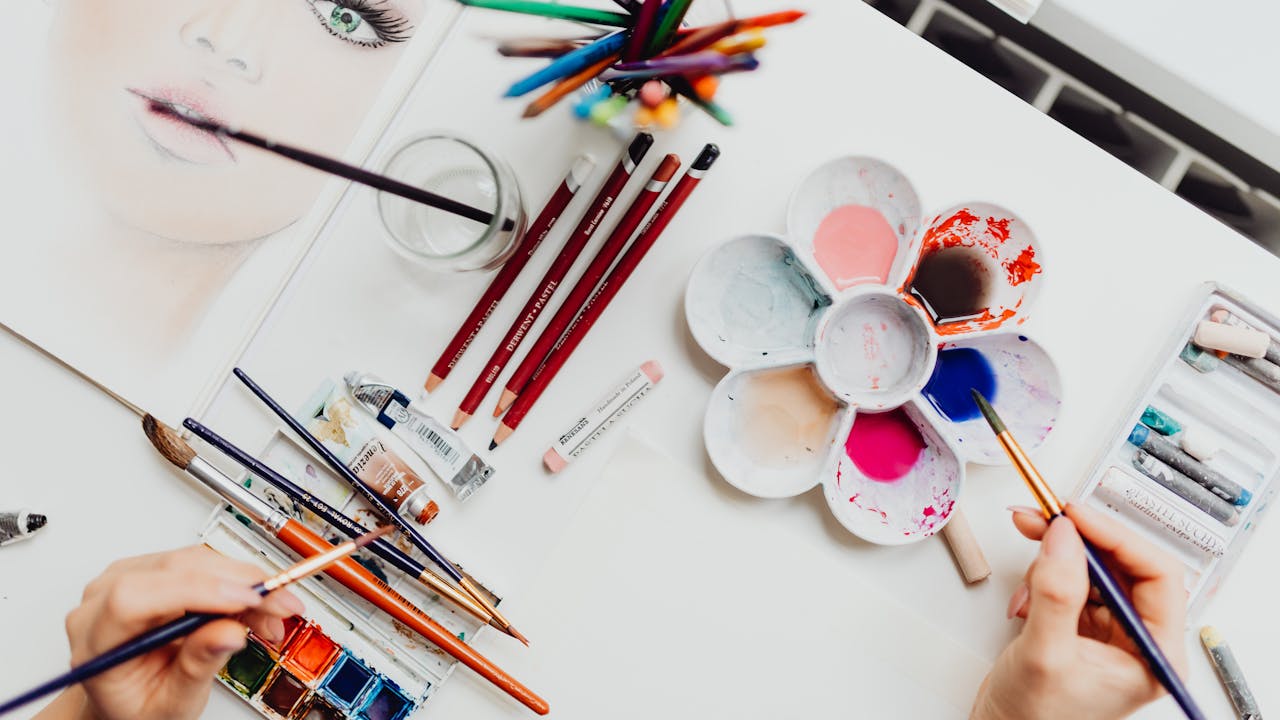
The humble pencil gets the most use of any art tool, and there's a world of difference between a generic set and a professional one. Graphite pencils from brands like Staedtler Mars Lumograph or Faber-Castell come in graded sets that cover the full range from feathery light to deep dark. A quality set of 12 to 24 graded pencils runs $15 to $40 and gets used every single day.
For colored pencils, Prismacolor Premier is the name that art students and educators mention most. These pencils have soft, waxy cores that blend beautifully and lay down rich color. A 48-count set runs about $35 to $50, which hits the gift-giving sweet spot. The 72-count set pushes toward $65, and the complete 150-count collection costs around $80 to $100 for students who work extensively in colored pencil.
Mechanical pencils might not sound exciting, but the Pentel GraphGear 1000 is practically a cult object among architecture and design students. Precise, well-balanced, and durable, it costs about $12 and lasts years.
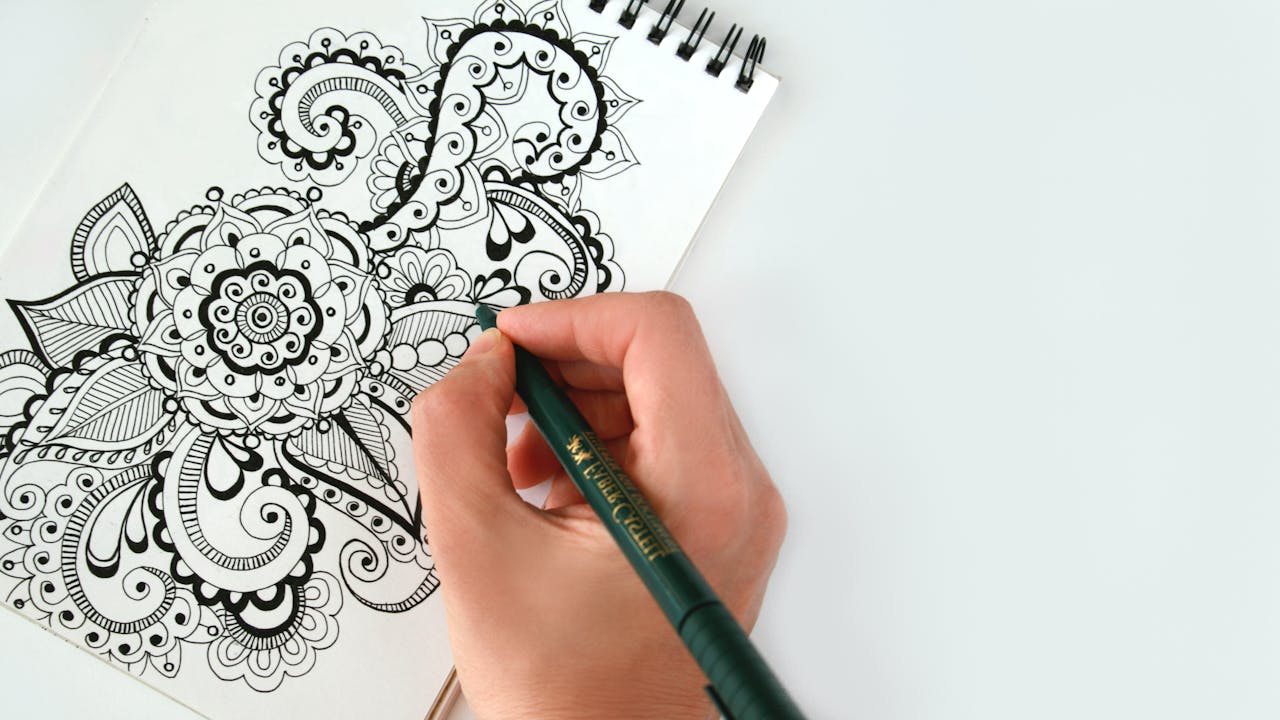
Fine liner pens round out the drawing category. Micron pens by Sakura are the industry standard for ink work. A set of varied tip sizes costs $10 to $25 and pairs perfectly with a quality sketchbook. These are consumables that every drawing student needs and every drawing student runs through.
Painting supplies
Paint quality varies more dramatically than almost any other art material. Student-grade acrylics and watercolors use less pigment and more filler, which means duller colors and weaker coverage. The jump to artist-grade is immediately noticeable.
For watercolors, Winsor & Newton Cotman offers the best bridge between student and professional quality. A 12-color pocket set costs $15 to $30 and travels well. For students ready for the real thing, Winsor & Newton Professional Watercolors run $8 to $20 per tube but deliver pigment density that student-grade simply can't match.
For acrylics, Golden and Liquitex lead the professional market. A set of primary colors in artist-grade quality costs $40 to $75 and lasts longer than student-grade because you need less paint per application. It sounds counterintuitive, but better paint is more economical because the pigment concentration is higher.
Brushes matter too. "The Masters" brush cleaner is a near-universal recommendation at only $5 to $10, and it extends the life of every brush the student owns. For brush sets themselves, Winsor & Newton Cotman Short Handle brushes offer excellent quality at $25 to $40 for a versatile set. These tools help students produce work inspired by the old masters, the same traditions you see in renaissance pet portraits and classical portrait styles that have captivated audiences for centuries.
Markers
Markers are expensive. That's the first thing to know. Copic Sketch markers, the professional standard for illustration and design, cost $6 to $8 each. A full collection of 358 colors would run well over $2,000. No one expects a complete set as a gift. But a curated selection of 12 to 24 markers in a color palette that matches the student's work makes a genuinely meaningful present.
Copic Ciao markers offer a more affordable entry point at $4 to $5.50 each. They use the same ink system as the Sketch line, with a slightly smaller ink capacity and different body shape. For students just starting to build a marker collection, Ciao is a smart starting place.
Budget-conscious alternatives exist too. Ohuhu alcohol markers run about $20 to $40 for a set of 24 to 48, offering decent color range and blendability without the premium price tag. They won't match Copic quality, but for students who want to practice marker techniques without a major investment, they work.
The key insight with markers: they're refillable. Copic refill inks cost about $6 and refill a marker roughly six times. This makes the initial investment more reasonable over time and makes a refill set an excellent companion gift to any marker purchase.
Digital tools and drawing tablets
Art education has gone hybrid. Most programs now expect students to work across both traditional and digital mediums, which means a drawing tablet isn't a luxury anymore. It's a tool. Over 90% of students now use digital tools in some capacity, and curricula increasingly include modules on digital creation alongside traditional techniques.
Entry-level tablets ($50 to $200)
Wacom Intuos remains the starting point most educators recommend. It's a screenless tablet, meaning you draw on the tablet surface while looking at your computer monitor. This takes some adjustment, but the precision is excellent and the price point is accessible. The small model starts around $70 and the medium around $100.
For students who want a screen to draw directly on, Huion and XP-Pen offer options in the $100 to $200 range that would have been unthinkable a few years ago. The Huion Kamvas Pro 13 and XP-Pen Artist 12 both deliver legitimate pen displays at student-friendly prices.
Mid-range tablets ($200 to $600)
The Wacom Intuos Pro represents the professional upgrade from the standard Intuos. It costs $179 to $379 depending on size and includes the Pro Pen 3 with 8,192 levels of pressure sensitivity. Wireless Bluetooth connectivity means no cables cluttering the desk.
For screen-based drawing, the Wacom Cintiq 16 hits a sweet spot at roughly $600. It's got a 2.5K resolution display, the Pro Pen 3, and enough screen real estate to work comfortably for extended sessions. Students who use these tools create everything from concept art to custom portrait illustrations to character designs, learning the same digital techniques that power modern creative studios.
The iPad question ($1,000+)
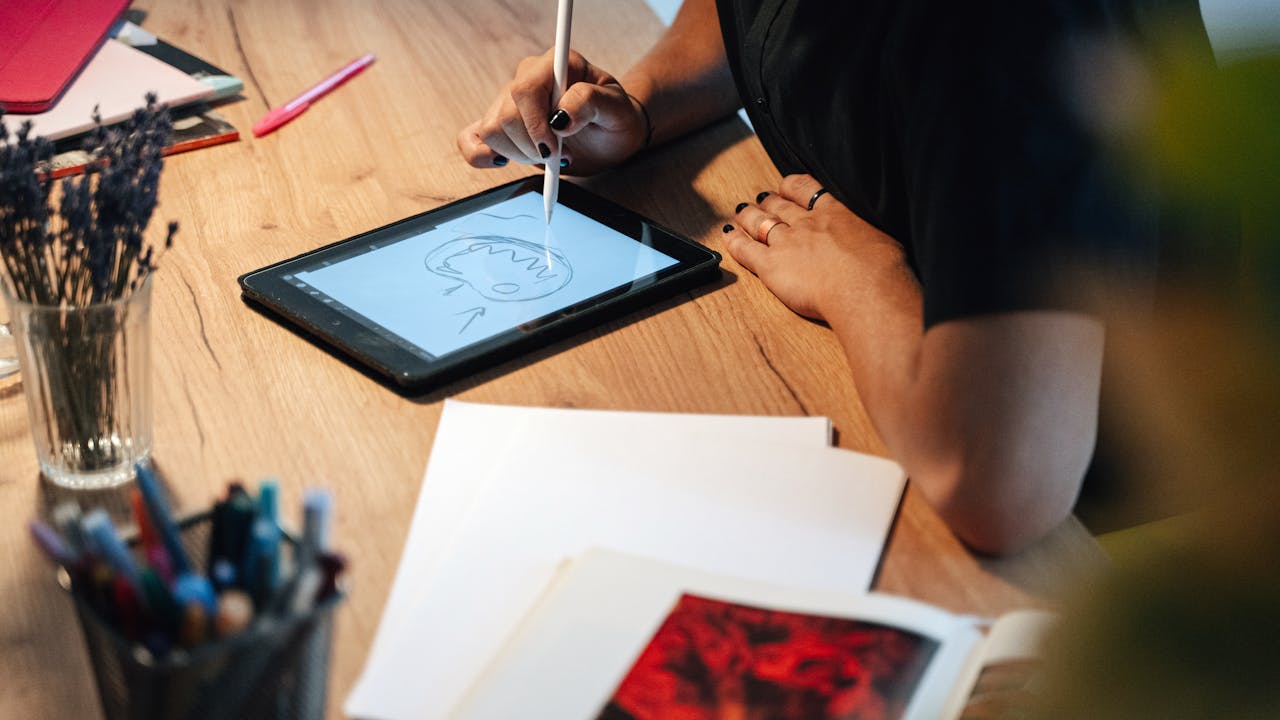
An iPad Pro with Apple Pencil Pro has become the all-in-one creative powerhouse for many art students. The 11-inch model starts at $1,000, the Apple Pencil Pro adds $129, and Procreate, the app that makes it all worthwhile, costs a one-time $12.99 with no subscription. That $12.99 price tag for professional-grade software is remarkable in a world of monthly subscriptions.
The iPad works as a sketchbook, a painting studio, a design tool, and a presentation device. It's portable enough to use anywhere on campus and powerful enough to produce portfolio-quality work. For students who don't already have one, it's the single most impactful gift you can give if the budget allows.
Software to pair with hardware
If the student already has hardware, software fills the gap. Procreate ($12.99, iPad only) is the most-recommended app among art students. Clip Studio Paint offers one-time purchase options for desktop and tablet. Adobe Creative Cloud runs $20.99 per month for a single app or $54.99 per month for the full suite, and many schools provide student discounts.
An annual subscription to an online learning platform makes a strong companion gift to any digital tool. Skillshare costs about $168 per year and offers over 35,000 creative courses. Domestika runs similarly and produces its own high-quality courses with working artists.
Sketchbooks and paper that make a difference
Paper is the most underrated gift category for art students. It's something they use constantly, something they're always running low on, and something where quality makes an enormous difference in the final work.
The Strathmore system
Strathmore has been making artist paper since 1892. Norman Rockwell and Andrew Wyeth used their products. Their numbering system makes it easy to choose the right level. The 200 Series is entry-level. The 300 Series is good for students who are past the basics. The 400 Series is where the quality jump becomes obvious, with heavier weight, better texture, and paper that handles wet and dry media without warping or bleeding. The 500 Series is professional archival quality, 100% cotton, and costs accordingly.
For a gift, the 400 Series hits the sweet spot. A mixed-media pad costs $15 to $25 and works for drawing, painting, marker, and pen work. If you know the student works primarily in watercolor, a watercolor-specific pad in the 400 Series handles washes without buckling.
Sketchbooks for daily use
A quality sketchbook isn't just paper. It's a companion. Students carry them everywhere, filling them during lectures, on the bus, at coffee shops, between classes. The cover, binding, and paper quality all matter because the sketchbook takes a beating.
Moleskine Art Collection sketchbooks run $16 to $25 and have become iconic for a reason. The paper handles pencil and pen beautifully, the hardcover protects the work, and the elastic closure keeps everything secure in a bag. Leuchtturm1917 offers a similar experience with slightly heavier paper and more page count.
For students who work in mixed media, the Stillman & Birn Alpha series stands out. The paper is heavy enough to handle light washes and marker work without bleed-through, and the binding lies flat for comfortable drawing. These are sketchbooks that serious students covet but often won't buy for themselves because of the $20 to $30 price point.
Specialty papers
Certain disciplines require specific paper. Printmaking students need specific weights and surfaces. Calligraphy students need smooth, non-bleeding sheets. Charcoal artists need paper with tooth. If you know the student's specialty, a ream or pad of the right paper shows genuine understanding.
Canson XL pads offer affordable quality across many specialty types. Arches watercolor paper represents the gold standard for final watercolor pieces and runs $25 to $50 per block. For pastel work, Canson Mi-Teintes pads in assorted colors provide ready-to-go toned surfaces that students who study classical portraiture and animal portraits particularly appreciate.
Art books every student should own
Books do something that supplies can't. They expand how a student thinks about art, not just how they make it. The right book at the right moment can reshape an entire creative direction.
Technique and craft
"Color and Light" by James Gurney ($20 to $25) is the most recommended art book among working professionals and advanced students. It covers how light behaves in real environments and how to translate that understanding into convincing paintings. The information applies to every medium, from oil painting to digital illustration. If the student in your life paints or draws from observation, this book is practically required reading.
"Figure Drawing for All It's Worth" by Andrew Loomis ($20 to $25) remains the gold standard for figure work. Originally published in 1943, it teaches proportion, gesture, and anatomy with clarity that modern books rarely match. Art schools still assign it.
"Drawing on the Right Side of the Brain" by Betty Edwards ($15 to $20) helps beginning and intermediate students shift from drawing what they think they see to drawing what they actually see. It's one of the most transformative books for students who feel stuck.
Mindset and creativity
Art school isn't just about technique. It's about developing a creative identity and learning to push through the fear, doubt, and blank-canvas paralysis that every artist faces.
"Steal Like an Artist" by Austin Kleon ($10 to $13) is described by students as a game changer. It's short, visual, and gives permission to be influenced by other artists without feeling like a fraud. Perfect for students in the early stages of finding their voice.
"Art & Fear" by Bayles and Orland ($12 to $15) tackles the psychological barriers that stop artists from making work. It's honest, direct, and strangely comforting. Most art students read it at some point during their education, and many return to it throughout their careers.
"The Creative Act" by Rick Rubin ($15 to $20) explores creativity as a broader practice, not tied to any specific medium. It's philosophical without being pretentious and helps students think about what it means to be someone who makes things.
Art history and context
Understanding where art came from helps students understand where they're going. "The Story of Art" by E.H. Gombrich ($25 to $35) covers the full sweep of art history in accessible, engaging prose. It's the book that makes art history interesting even to people who thought they didn't care. Students studying art deco aesthetics or Renaissance techniques will find it especially valuable for placing their work in historical context.
"Ways of Seeing" by John Berger ($10 to $15) challenges how we look at images and questions the assumptions embedded in visual culture. It's short, provocative, and opens conversations that art students carry through their entire careers.
A coffee table book of work by an artist the student admires makes a deeply personal gift. Browse their social media or ask their friends which artists they follow. A $30 to $50 monograph of their favorite painter or illustrator becomes a reference they return to for years.

Creative experiences and memberships
Not every great gift comes in a box. Experiences give art students something to draw from, literally and figuratively.
Museum memberships
A museum membership is one of the smartest gifts for an art student, and it's one they almost never buy themselves. Individual memberships at major museums run $80 to $120 per year and often include reciprocal access to over 1,200 museums through the NARM program. That means a single membership can unlock galleries across the country.
The real value goes beyond the admission. Members often get discounts on museum shops, early access to exhibitions, and invitations to special events. For an art student, regular museum visits are part of their education. They study the brushwork in old masters up close. They analyze how royal portrait compositions frame their subjects with authority. They sit with pieces for hours, absorbing techniques that no textbook can fully convey. Making those visits free removes a barrier and makes the habit easier to maintain.
Choose a museum near their school. If they're studying in New York, the Met or MoMA. In Los Angeles, LACMA or The Broad. In Chicago, the Art Institute. The membership pays for itself in two or three visits and keeps paying dividends all year.
Online learning subscriptions
Art students have professors. They also have gaps in their curriculum that self-directed learning fills. An annual Skillshare subscription ($168 per year) gives access to over 35,000 courses in illustration, graphic design, animation, photography, and fine art. Domestika runs similarly and produces its own high-quality courses with working artists.
These platforms are especially valuable for skills that fall outside a student's primary program. A painting major who wants to learn motion graphics. A graphic design student interested in watercolor. An illustration student exploring 3D modeling. The subscription opens doors that a traditional curriculum might not.
MasterClass ($120 to $240 per year) takes a different approach, with celebrity instructors sharing their creative philosophies. The production quality is high, and while the instruction is more inspirational than technical, hearing working artists talk about their process is valuable for students figuring out their own path.
Workshop gift certificates
Local studios and creative spaces offer workshops in everything from screen printing to ceramic glazing to letterpress. A gift certificate to a specific class gives the student a new experience and potentially a new skill they can integrate into their work.
ClassBento offers over 7,000 creative classes with gift cards that never expire. Xperience Days focuses on unique artistic experiences starting around $22. Both eliminate the guesswork by letting the recipient choose when and what to do.
For art lovers studying their craft, these experiences provide inspiration that goes beyond what a studio or classroom offers. Trying a new medium or technique can spark ideas that show up in their primary work for months afterward. Even art gifts for teachers overlap here, since many art students also teach or TA during their studies.

Portfolio cases and practical tools
Art students carry a lot. Canvases, sketchbooks, supply kits, portfolios, reference materials. The logistics of getting work safely from home to studio to critique and back again are a genuine daily challenge.
Portfolio carriers
A good portfolio case protects artwork during transport and keeps everything organized. Hard-sided cases offer the best protection, running $40 to $100 depending on size. Zippered vinyl or fabric portfolios cost $20 to $50 and work well for students who need something lightweight and flexible.
For presentations and critiques, an Itoya ProFolio with clear sleeves lets students display work professionally without touching the pieces. These run $15 to $40 depending on page count and size. Having a dedicated presentation portfolio separates the transport function from the display function, and students who invest in one immediately look more professional during reviews.
Studio accessories
LED tracing pads ($20 to $35) are surprisingly versatile tools that students use for refining drawings, creating clean copies, and experimenting with compositions. They're thin, portable, and plug in via USB.
An adjustable tabletop easel ($20 to $60) turns any surface into a workstation. For students in dorms or small apartments without space for a full standing easel, a tabletop version makes painting and drawing more comfortable and ergonomic.
Brush organizer rolls ($15 to $25) keep tools protected and sorted. They look thoughtful, they're practical, and they prevent the sad reality of loose brushes getting bent and damaged at the bottom of a bag. The same care that goes into organizing tools applies to organizing creative output, which is why students who master their setup also tend to produce more consistent work, whether they're painting dog portraits or abstract compositions.
Custom art gifts that honor their craft
Here's an approach most gift guides miss entirely. Instead of giving art students tools to make art, give them art itself. Not generic wall decor. Personalized, custom art that celebrates who they are and what they care about.
Art students have a deeper appreciation for portraiture, composition, and craftsmanship than most people. A custom portrait resonates differently with someone who studies these elements daily. They notice the lighting choices. They appreciate the color palette. They understand the skill behind the finished piece.
Fable transforms photos into museum-quality portrait art in styles ranging from classical realism to Renaissance compositions. For an art student, receiving a portrait of themselves, their family, or their pet rendered in a style they study and admire is a gift that speaks their language. Check how it works to see the process and pricing for current options.
Consider a family portrait in a classical style for the student who's far from home and misses their people. A pet portrait for the student whose dog is their emotional anchor through the stress of art school. A couple portrait for the student and their partner, rendered in a style that references the art history they're studying. Even a kids portrait of their younger siblings makes a surprisingly emotional gift.
For pet lovers, the options run deep. Personalized dog portraits capture a beloved companion's personality. Royal pet portraits add humor and grandeur. Pet family portraits bring the whole household together. Art students who love animals will recognize and appreciate the artistic quality behind a well-crafted pet painting from photo.
The gift says something specific: "I know you love art, and I think you deserve to be the subject of it."
The gift card question
Let's address this directly. Gift cards get a bad reputation as lazy gifts. For art students, they're often the smartest option.
When to give a gift card
If you don't know their medium, give a gift card. If you don't know their preferred brands, give a gift card. If they're advanced enough to have very specific preferences about materials, give a gift card. There's no shame in it. Art students overwhelmingly prefer choosing their own supplies to receiving well-intentioned but wrong ones.
Where to buy
Blick Art Materials is the first choice for most serious art students. Their selection covers everything from student basics to professional-grade materials, and prices are competitive. Jerry's Artarama runs close behind, with excellent sales and a deep inventory of premium supplies.
For the multi-store approach, the On Me Art Gift Card works at over 25 art supply retailers, including Blick, Jerry's, Michaels, Winsor & Newton, and Golden Artist Colors. One card, many options. No fees, no expiration.
How to make it feel personal
A gift card doesn't have to feel impersonal. Pair it with something small and thoughtful. A quality sketchbook alongside a Blick gift card. A brush cleaner and a Jerry's card. "The Masters" brush soap ($5) tucked into an envelope with a $50 gift card. The combination says "I know what you do and I want to support it" without the risk of choosing the wrong specific supplies.
You can also pair a gift card with a custom portrait from Fable to add an emotional dimension. The practical gift card handles their supply needs. The portrait shows you see them as more than just someone who needs tools. You see them as an artist worth celebrating.
Gifts by budget: quick reference
Not sure where to start? Here's the breakdown by price.
Under $25
A sketchbook from the Strathmore 400 Series. A set of Micron fine liners. "The Masters" brush cleaner. A pack of kneaded erasers. "Steal Like an Artist" by Austin Kleon. A Canson XL Mixed Media pad. A drawing glove for tablet work. Any of these gifts shows thoughtfulness without straining your wallet, and every one will actually get used.
$25 to $75
Prismacolor Premier colored pencils in a 48-count set. A Moleskine Art sketchbook. A portable watercolor palette from Winsor & Newton Cotman. An LED tracing pad. A brush organizer roll plus a quality brush set. "Color and Light" by James Gurney paired with a sketchbook. A ClassBento workshop gift certificate. This range covers the gifts that art students actually get excited about. Quality materials at a price that feels generous without being extravagant.
$75 to $200
A Wacom Intuos tablet. A 72-count Prismacolor Premier set. A museum membership. An annual Skillshare subscription. A set of artist-grade Winsor & Newton watercolors. A Copic Ciao marker set of 24 colors. A hard-sided portfolio case. A Blick gift card for $100 or more. Fable portraits also fit beautifully in this range, a personalized portrait that celebrates the art student's identity through the medium they study.
At this level, you're giving tools that make a measurable difference in the student's work. These are the gifts they'll remember.
$200 and up
A Wacom Intuos Pro or Cintiq. An iPad with Apple Pencil. A Copic Sketch set of 36 colors. A semester's worth of professional-grade supplies via gift card. A French easel for plein air painting. A year of Adobe Creative Cloud. For a group gift from multiple family members, pooling toward one premium item creates far more impact than several smaller individual presents.
Frequently asked questions
What's the best gift for an art student you don't know well?
A Blick Art Materials gift card in the $25 to $50 range. It works for every medium, every skill level, and every artistic preference. Pair it with a small consumable like brush cleaner or a quality eraser to add a personal touch.
Are cheap art supplies okay as a gift?
No. Low-quality supplies make art harder and can be genuinely frustrating for a student learning technique. A smaller quantity of good supplies always beats a large quantity of bad ones. If your budget is limited, one professional-grade item beats a 150-piece bargain kit every time.
Should I buy traditional supplies or digital tools?
Check what they use most. If they post digital art on social media, lean digital. If their apartment is covered in canvases and their hands have paint stains, lean traditional. When in doubt, consumable traditional supplies like sketchbooks and pencils work alongside any medium.
What do art students need for school that they might not buy themselves?
Portfolio cases, presentation materials, and quality paper. These practical items eat into a student's budget and they often make do with inadequate alternatives. A professional presentation portfolio for critiques and interviews is particularly valued because it directly impacts how their work is perceived.
Are art gifts for teens the same as gifts for art students?
Not quite. Teen art gifts focus on fun, exploration, and discovering interests. Art student gifts focus on professional development and supporting serious practice. A teen might love a colorful starter kit. An art student needs specific, high-quality tools for their discipline. The audiences overlap, but the needs differ. For the art teacher in the student's life, teacher-specific art gifts hit a different note entirely.
What about personalized or custom art as a gift for an art student?
Art students have a deep appreciation for portraiture and craftsmanship. A custom portrait from a service like Fable resonates strongly because they understand the skill and artistry involved. A renaissance-style portrait or a pet portrait of their beloved animal companion makes a gift that speaks their language, honoring their love of art with art itself.
Related guides
- Gifts for art lovers
- Unique gifts for art lovers
- Art gifts for teens
- Art gifts for teachers
- Christmas art gifts
Sources
- Strathmore Artist Papers - Paper Grade Guide
- National Center for Education Statistics - Arts Program Enrollment
- University of Bath - Personalised gifts and emotional connections
The best gift for an art student isn't about impressing them with how much you spent. It's about showing them you take their work seriously. That you see art as their career, their calling, not just a hobby they'll eventually outgrow. Give them tools that match their ambition. Give them experiences that expand their vision. Give them the message that what they're building with their hands and their imagination matters to you. Start here if you want to give them something truly personal, a portrait that turns their own image into the kind of art they spend every day learning to create.