
Art Deco Gifts: Elegant Presents with Vintage Flair
Searches for "art deco vintage" on Pinterest have surged 805% in the past year. That's not a typo. People aren't just passively scrolling past geometric patterns and gilded mirrors. They're saving them. Pinning them. Building entire boards around the bold lines and metallic shimmer of a design movement that started a century ago. And when you pair that kind of cultural hunger with the eternal problem of finding a gift that actually lands, you arrive at a category most people overlook entirely.
Art deco gifts.
Not another scented candle. Not a gift card slipped into an envelope. Something with weight to it, both physical and historical. Something with architecture in its lines and intention in its angles. The kind of present that sits on a coffee table or hangs on a wall and changes the feel of the entire room.
This guide covers everything you need to know about giving art deco gifts that people genuinely keep. We'll walk through specific categories, price points, occasions, and the design details that separate real art deco from cheap imitation. You'll find ideas for thoughtful gifts for art lovers of every taste, unique present ideas that stand apart from mass-produced options, and custom portraits that capture the art deco spirit in something made for one person and one person only.
No generic roundups. No padding. Just a real guide to gifts worth giving.
What makes art deco so unmistakable
Art deco didn't creep into existence. It announced itself.
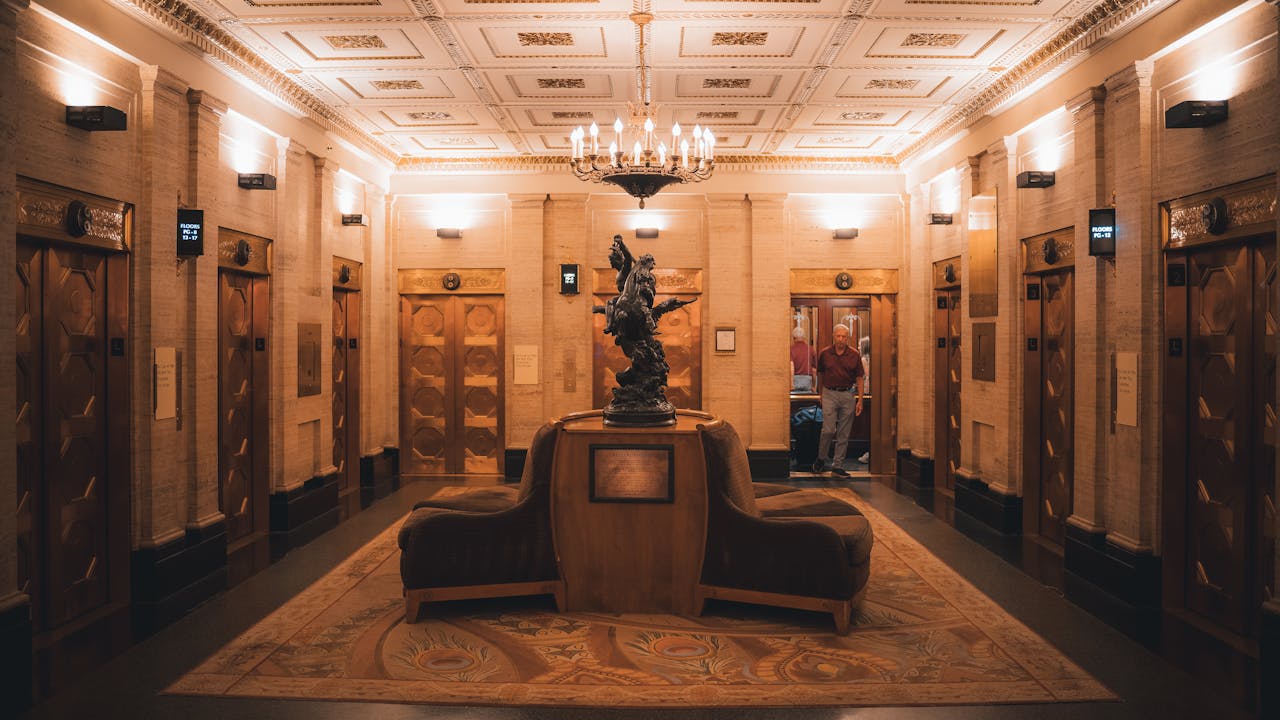
The movement burst onto the world stage at the 1925 International Exhibition of Modern Decorative and Industrial Arts in Paris. Over 16 million visitors walked through pavilions filled with furniture, fashion, jewelry, and architecture that shared a common visual language: bold geometry, rich materials, and an unapologetic love of luxury. The name "art deco" came from the exhibition itself, though the term wasn't widely used until the 1960s.
Before art deco, the design world was dominated by Art Nouveau, with its flowing organic curves and nature-inspired forms. Art deco was the deliberate opposite. Where Art Nouveau bent and curled, art deco cut straight lines. Where Art Nouveau whispered, art deco spoke clearly. Zigzags replaced vines. Chrome replaced wrought iron. Sunbursts replaced flowers.
The movement drew from everywhere. Cubism gave it angular confidence. Ancient Egyptian art gave it symmetry and grandeur, especially after the 1922 discovery of Tutankhamun's tomb sent the Western world into an Egypt craze. Futurism gave it a fascination with speed and machinery. The Ballets Russes gave it bold color and theatrical drama. All of these influences melted together into something that felt entirely new.
And it wasn't confined to galleries or museums. Art deco shaped everyday life. The Chrysler Building in New York, completed in 1930, remains one of the most iconic art deco structures on earth, with its stainless steel crown of terraced arches and triangular windows. The movement touched ocean liners, like the SS Normandie, which was called a "floating temple of art deco." It touched radios, vacuum cleaners, movie theaters, and train stations.
That reach is part of what makes art deco gifts so satisfying to give. You're not buying someone a random decorative object. You're connecting them to a design philosophy that believed beauty should be part of daily life, not locked behind velvet ropes. When someone places an art deco vase on their mantel or hangs a geometric mirror in their hallway, they're participating in that same philosophy whether they know it or not.
The movement faded during the Second World War, when the world's attention and resources shifted elsewhere. But unlike many design trends that vanish completely, art deco never fully went away. It went underground for decades, then resurfaced in the 1960s when architectural historians rediscovered its brilliance. And now it's back again, stronger than ever.
Why art deco is everywhere right now
Pinterest named "Neo Deco" as one of its 21 officially predicted trends based on data from 600 million monthly users. The platform analyzed two years of search data and found that art deco-related searches were climbing at staggering rates. Searches for "art deco interior 1920s vintage" rose 745%. Even niche searches like "1980s art deco" jumped 509%.
This isn't random nostalgia. Younger consumers, particularly Gen Z and Millennials, are driving the revival. They're drawn to art deco for reasons that go beyond aesthetics. In a world dominated by mass production and algorithmic sameness, art deco represents something intentional and unapologetically bold. It has personality. You can't mistake it for anything else.
The revival also connects to a broader shift in how people approach their living spaces. Minimalism ruled home decor for years. Clean lines, neutral palettes, empty surfaces. But people got tired of homes that looked like they were staged for a real estate listing rather than actually lived in. Art deco offers warmth without clutter. Structure without sterility. It gives a room drama while still feeling collected and purposeful.
For gift-givers, this means something practical. When you give an art deco gift, you're not swimming against the cultural current. You're riding with it. The person receiving your gift has probably already seen art deco elements on their Pinterest feed, in a restaurant they visited, or in a hotel lobby they admired. Your gift becomes part of a visual language they're already responding to, even if they can't name it.
And that's what separates a good gift from a forgettable one. Good gifts feel like they belong in someone's life the moment they arrive.
The best art deco gifts by category
Let's get specific. Every category below includes real product types, approximate price ranges, and guidance on who each gift works best for. If you're looking for art gifts for teachers, creative gifts for teens, or gifts for the art lover who seems to have everything, you'll find crossover ideas throughout.
Wall art and portraits
Art deco wall art is the single most impactful gift in this category. A well-chosen piece transforms a room. It gives the eye somewhere to land. It starts conversations.
Geometric prints in the art deco style are widely available and range from $15 for basic digital prints to $200 or more for gallery-quality framed pieces. Look for designs featuring the signature motifs: sunbursts, stepped pyramids, concentric arches, and radiating lines. Gold on black is the classic color combination, but emerald green, deep navy, and rich burgundy all carry the art deco spirit convincingly.
For something more personal, consider custom portrait art inspired by the era's aesthetic. Fable creates custom family portraits and couple portraits that can be rendered with classical and artistic flair, turning someone's actual photo into a piece of art worth framing. Imagine a portrait with the clean geometry and rich tones of a Tamara de Lempicka painting, but featuring real people the recipient loves. That's a gift with staying power.
Vintage art deco posters, particularly reproductions of travel and advertising posters from the 1920s and 1930s, make excellent gifts for history buffs and design enthusiasts. The original posters by artists like A.M. Cassandre, who designed the famous Normandie ocean liner poster, are now worth thousands. But high-quality reproductions capture the same visual punch for $30-75.
If the person you're shopping for has kids or pets, themed portraits make the gift personal in a way that nothing off a shelf can match. Custom pet portraits have surged in popularity, and framing them in an art deco gold frame elevates the whole presentation. A personalized dog portrait in a stepped gilded frame becomes a conversation piece that looks like it was collected from an antique gallery.

Glassware and barware
If the person you're buying for enjoys hosting, art deco barware is almost guaranteed to impress. The 1920s were the era of prohibition-era cocktail culture, when drinking became theatrical and the vessels mattered as much as the spirits inside them.
Art deco cocktail glasses are distinguished by their geometric shapes, stepped bases, and metallic accents. Coupe glasses, which have a broad, shallow bowl, are the quintessential art deco drinking vessel. Legend has it the coupe was modeled on the shape of Marie Antoinette's breast, though that story is almost certainly apocryphal. What is true is that the coupe defined cocktail culture in the 1920s and 1930s and has made a massive comeback in craft cocktail bars everywhere.
Sets of art deco coupe glasses run from $25 for a basic pair to $80 or more for crystal sets with gold rims. Brands like VISKI produce dedicated art deco barware collections that include gold-plated cocktail shakers, geometric highball glasses, and stacking decanter sets that look like they belong in Jay Gatsby's parlor.
A complete art deco bar cart setup makes a spectacular gift for a milestone birthday or housewarming. Stock a geometric brass cart with a crystal decanter, a set of gold-rimmed lowball tumblers, a cocktail shaker, and a cocktail recipe book. Total cost for a thoughtful version ranges from $150-300, depending on quality. It looks like you spent much more. That's the power of a cohesive aesthetic.
For a more modest budget, a single art deco cocktail shaker in brushed gold or chrome makes a focused, elegant gift that any home bartender will appreciate.
Jewelry and accessories
Art deco jewelry is some of the most recognizable in the world. The style favored geometric shapes, clean lines, contrasting colors, and bold symmetry. Think step-cut gemstones, linear bracelets, and pendant necklaces with radiating fan patterns. It was jewelry designed to be noticed.
Vintage art deco jewelry from the 1920s-1940s can range from a few hundred dollars for smaller pieces to tens of thousands for signed works by houses like Cartier or Van Cleef and Arpels. For most gift-givers, art deco-inspired contemporary jewelry is the sweet spot. Brands and independent designers on platforms like Etsy produce beautiful geometric earrings, cuff bracelets, and pendant necklaces in the art deco style for $40-150.
Beyond jewelry, art deco accessories include items like geometric hair combs, beaded evening bags, enameled compact mirrors, and engraved card cases. These smaller pieces work well as gifts for people who appreciate the style but might not want a major decorative statement in their home. They're personal, portable, and often surprisingly affordable.
If you're shopping for someone who loves self-expression through art, a piece of art deco jewelry or a personalized portrait in their style becomes a statement about who they are, not just something they own.
Home decor and lighting
Art deco lighting might be the most underrated gift category on this list. The right lamp or fixture doesn't just add light to a room. It adds atmosphere. And art deco designs are specifically engineered for drama.
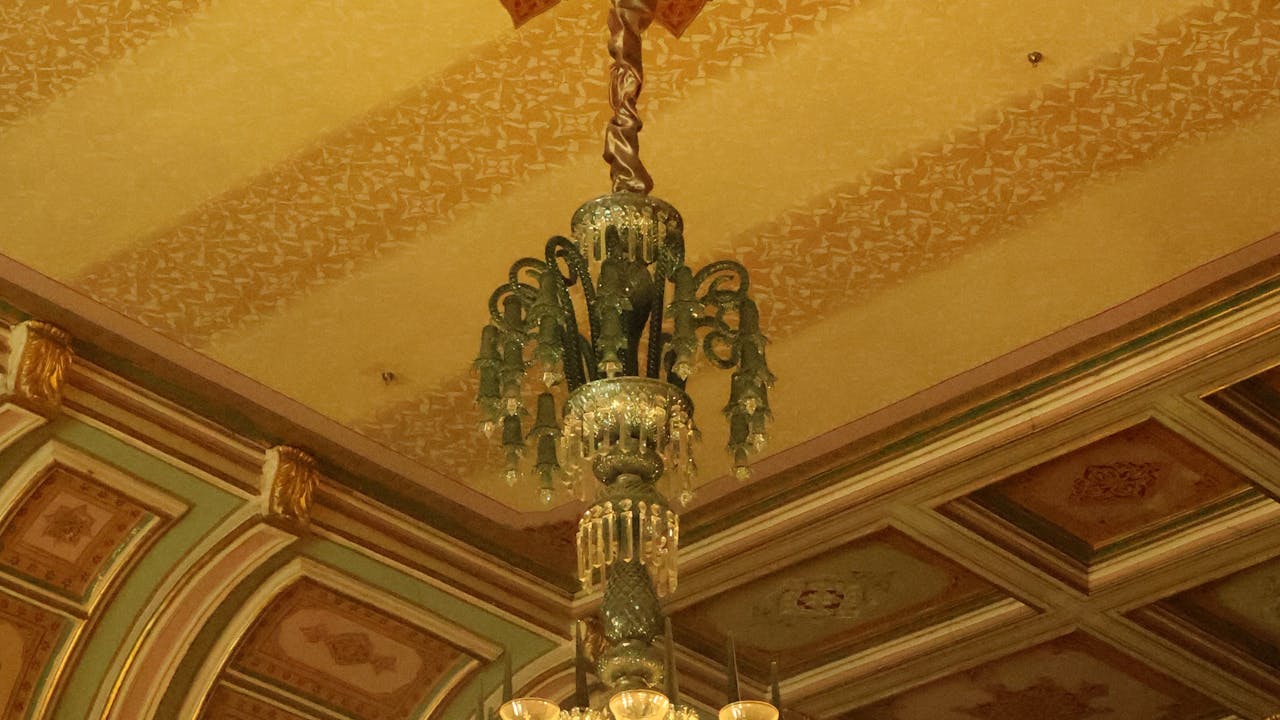
Geometric table lamps with stepped bases, frosted glass shades, and brass or chrome hardware are the signature art deco lighting pieces. Tiffany-style lamps with geometric stained glass panels in jewel tones are closely associated with the era, though true Tiffany pieces predate art deco by a couple of decades. Art deco-style table lamps typically run $50-200 for well-made contemporary reproductions.
Sunburst mirrors are another iconic art deco home decor gift. The radiating pattern symbolized the movement's optimism and energy, and it remains one of the most recognizable motifs in interior design. A quality sunburst mirror in gold or brass costs between $40-150 and looks striking in an entryway, above a fireplace, or in a bathroom.
Other art deco home decor gifts worth considering:
Geometric bookends in brass or marble ($25-60). They're functional, beautiful, and perfect for the person who still keeps physical books.
Stepped ceramic vases in jewel tones or metallic finishes ($30-80). Art deco vases emphasize vertical lines and angular profiles rather than the rounded shapes typical of other styles.
Decorative trays with geometric inlay patterns in brass, marble, or lacquered wood ($35-90). These work on coffee tables, vanities, or bar carts and immediately give a surface a curated look.
Decorative wall clocks with fan or sunburst patterns ($40-120). A geometric wall clock is both practical and decorative, and art deco versions tend to become focal points rather than background objects.
For anyone moving into a new home, art deco decor pieces make thoughtful gifts for art lovers that feel considered rather than generic. Pair a geometric vase with a sunburst mirror and you've given someone the beginning of a curated collection.
Books, prints, and stationery
Never underestimate a good book as a gift. Especially when the book is beautiful enough to display.
Several coffee table books celebrate art deco architecture, design, and visual culture. "Art Deco: The Visual Encyclopedia" by Alastair Duncan is a comprehensive reference that covers furniture, fashion, jewelry, posters, and architecture. It's thick, gorgeous, and costs around $40-60. For a more focused look, "Deco Delights: Preserving the Beauty and Joy of Miami Beach Architecture" by Barbara Baer Capitman captures one of the world's largest collections of art deco buildings in vivid photography.
Art deco prints, particularly reproductions of vintage advertising posters, are among the most accessible gifts in this category. The work of A.M. Cassandre, Paul Colin, and Tamara de Lempicka is widely reproduced and available as high-quality prints for $15-50. Frame one well and it becomes a $200 gift for the cost of $50.
For stationery lovers, art deco-patterned journals, greeting cards, and wrapping paper carry the style into everyday use. The geometric patterns translate naturally to paper goods, and several brands produce elegant options with metallic foil stamping and rich color palettes.
If someone in your life loves surreal and artistic prints or animal art with personality, art deco prints offer a different but equally striking aesthetic. It's a way to diversify a gallery wall without clashing with existing pieces.
Personalized and custom pieces
Mass-produced art deco gifts are fine. But personalized ones are better. Every time.
The difference between a geometric print from a home goods store and a custom portrait in art deco style is the difference between nice and unforgettable. One says "I saw this and thought of you." The other says "I made this for you."
Custom engraved items in art deco style include business card holders, compact mirrors, jewelry boxes, and flask sets. Etsy sellers produce thousands of these at price points between $25-100. They make particularly good gifts for milestones like graduations, promotions, and retirement.
But the most impactful personalized art deco gift is custom portraiture. Fable specializes in turning photos into museum-quality portrait art. The process is straightforward: you upload a photo, choose a style, and receive a finished portrait ready for framing. Check how it works to see the full process, or visit the pricing page for current options.
The art deco style specifically lends itself to portraiture. Tamara de Lempicka built her entire career on art deco portraits of real people, rendering them with geometric precision and jewel-toned richness. That same approach, applied to someone's family photo, wedding photo, or pet photo, creates something that feels both classic and deeply personal.
Consider a family portrait in art deco style for parents or grandparents. Think about couple portraits for wedding or anniversary gifts. Kids portraits in a bold, colorful art deco style make bedroom wall art that grows with the child. Even self-portraits in the style work beautifully as personal statements for someone's home office or creative space.
The point isn't to replicate Tamara de Lempicka exactly. It's to take the principles that made art deco portraiture so compelling, the geometry, the color, the confidence, and apply them to something that matters to the person receiving the gift. That's the territory where a present stops being an object and becomes a keepsake.
How to choose art deco gifts for any occasion
Art deco gifts aren't one-size-fits-all. The right gift depends on the occasion, the person, and the relationship you have with them. Here's how to think about matching art deco gifts to specific moments.
Housewarming gifts
Art deco gifts and housewarmings are a natural match. Someone moving into a new space is actively building their visual environment. They're making decisions about what goes on the walls, what sits on the shelves, what defines the rooms they'll live in.
A sunburst mirror, a geometric bookend set, or a pair of art deco coupe glasses gives them a starting point. It introduces a design direction they might not have considered. If you know the person well enough to know their taste, a custom portrait or couple portrait for their new home hits harder than any generic housewarming gift ever could.
For new homeowners who are also pet owners, a framed pet portrait in an art deco-style gilded frame combines two things they love: their animal and their new walls.
Wedding and anniversary gifts
Weddings and art deco have a deep connection. The Great Gatsby aesthetic has dominated wedding design for years, with couples embracing gold accents, geometric motifs, and the glamour of the 1920s. This means art deco gifts feel thematically appropriate for wedding celebrations.
Crystal barware sets, gold-rimmed champagne coupes, and custom couple portraits all work beautifully as wedding gifts. For anniversaries, personalized art carries extra significance because it captures the specific people and their shared history.
Fable's couple portraits turn a wedding photo or recent portrait into wall art that celebrates the relationship in a way that feels elevated and permanent. Visit the pricing page for options, or check how it works to see the process from upload to delivery.
Birthday gifts
Birthdays are more flexible. The art deco gift you choose depends entirely on the person.
For the design enthusiast: a coffee table book on art deco architecture or a set of vintage poster prints. For the entertainer: barware or a cocktail set. For the sentimental type: a personalized portrait or family portrait. For the fashion-forward: art deco-inspired jewelry.
The key is matching the gift to what the person actually values. An art deco cocktail shaker is wasted on someone who doesn't drink. A geometric vase is perfect for someone who always has fresh flowers on their table. Pay attention to how they live. The best gifts prove you've been watching.
For birthday gifts for younger recipients, art gifts for teens can include art deco-inspired sketchbooks, jewelry, or prints that introduce them to the style early.
Holiday gifts
The holiday season is where art deco gifts really shine. The metallic finishes, jewel tones, and rich materials of art deco align perfectly with holiday aesthetics. Gold, emerald, ruby red, and sapphire blue are art deco colors and holiday colors simultaneously.
Art deco ornaments, geometric candle holders, and gilded photo frames all work as holiday gifts. For something more significant, a custom family portrait ordered before the holidays becomes the centerpiece of the season, especially when the whole family is included, pets and all.
If you're shopping for multiple people, art deco gifts scale well. A set of cocktail glasses can be split into individual gifts. A collection of geometric prints can be distributed among friends. Small accessories like enameled boxes or engraved card cases work for colleagues and acquaintances where a personal gift would feel too intimate.
The design elements that make a gift feel art deco
Not everything labeled "art deco" actually is. Knowing the real design elements helps you shop smarter and avoid cheap imitations that borrow the name without understanding the style.
Geometry and symmetry
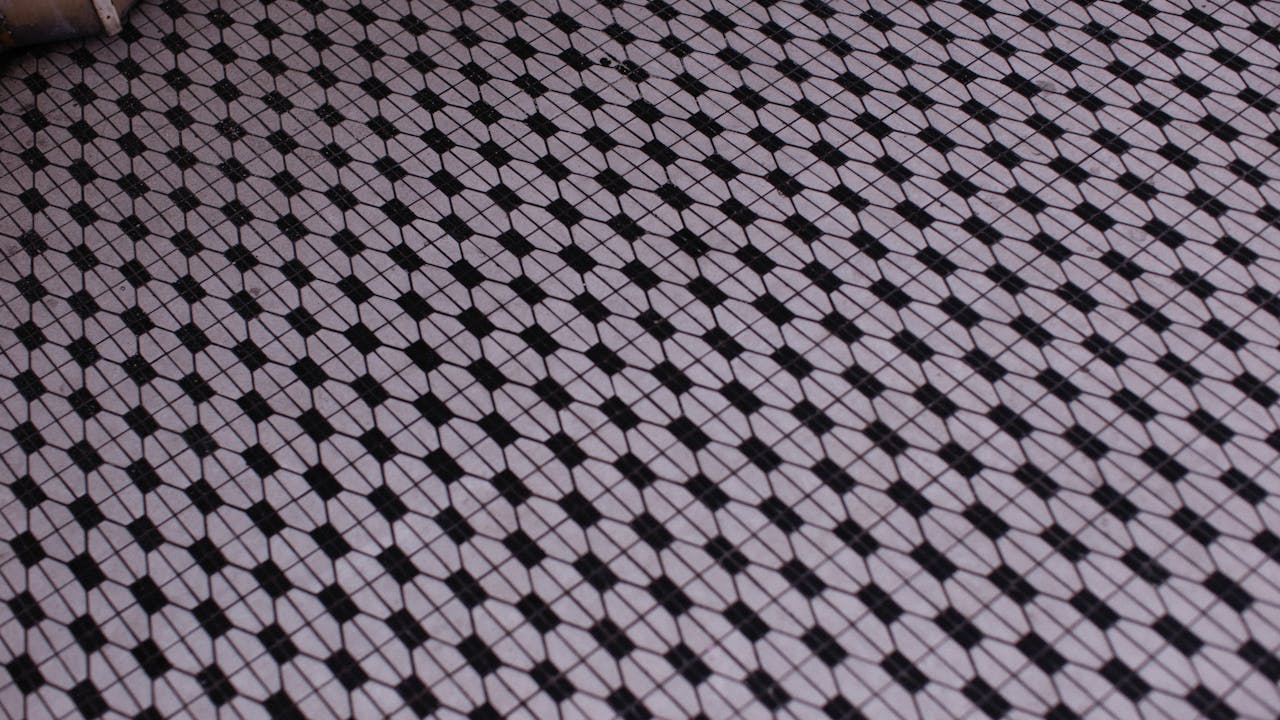
This is the foundation. Art deco is built on geometric shapes: triangles, circles, rectangles, trapezoids, chevrons, and zigzags. These shapes appear in repeating patterns that emphasize symmetry and order. If a piece looks organic, flowing, or asymmetrical, it's probably Art Nouveau, not art deco.
Look for stepped profiles, a silhouette that rises in progressive tiers like a ziggurat or a skyscraper. This "stepped" look appears in everything from lamp bases to bookends to building facades. It's one of the most reliable markers of genuine art deco design.
Metals and materials
Art deco embraced luxury materials without apology. Chrome, brass, gold, nickel, and stainless steel are the signature metals. You'll also see marble, onyx, jade, lacquer, and exotic woods like Macassar ebony and rosewood. Glass, especially frosted, etched, or colored glass, appears constantly.
When evaluating an art deco gift, the materials tell you a lot about quality. A brass bookend with genuine weight feels different from a hollow gold-painted one. A marble tray with real stone veining communicates permanence in a way that a printed faux-marble pattern never can. Prioritize real materials when your budget allows. The person receiving the gift will notice, even subconsciously.
Color palettes
Classic art deco color combinations include:
Gold and black. The most iconic pairing. Bold, sophisticated, instantly recognizable.
Emerald green and gold. Rich, regal, and associated with the movement's love of jewel tones.
Deep navy and silver. A cooler, more restrained take that still reads unmistakably art deco.
Cream and chrome. The streamline moderne variant of art deco, influenced by the 1930s shift toward industrial materials.
Ruby red, sapphire blue, and amber. Often appearing in stained glass, jewelry, and ceramic work.
If a product uses pastels, earth tones, or muted colors, it's probably not authentically art deco. The movement valued saturation and contrast. Everything was turned up.
Signature motifs
Beyond geometry, specific motifs recur throughout art deco design:
The sunburst. Radiating lines or beams emanating from a central point. Represents optimism and energy.
The chevron. V-shaped patterns stacked in repeating rows. Creates visual rhythm and movement.
The fan or palmette. A stylized half-circle of radiating segments. Found in everything from building entrances to earring designs.
The stepped pyramid or ziggurat. Tiered profiles inspired by ancient architecture. Common in furniture, frames, and architectural details.
Egyptian motifs. Sphinxes, scarabs, lotus flowers, and pharaonic figures. Direct influence from the Tutankhamun craze of the early 1920s.
When you're shopping for art deco gifts, look for these specific motifs. They're the visual shorthand that separates genuine art deco influence from generic "vintage" styling.
Famous art deco artists and designers worth knowing
Understanding the people behind the movement makes you a better gift-giver. When you know who defined art deco, you can spot their influence in modern products and make more informed choices.
Tamara de Lempicka (1898-1980)
The most famous art deco painter. Born in Poland, she moved to Paris after the Russian Revolution and became the portrait artist of the elite. Her paintings feature people rendered with geometric precision, bold colors, and a kind of glamorous intensity that nobody else achieved. Her self-portrait in a green Bugatti, painted for the cover of a German fashion magazine, is one of the most recognizable images of the 20th century.
If you're buying art deco art as a gift, de Lempicka's work is the gold standard for understanding what art deco portraiture looks like. Her style proves something important about the genre: art deco portraits don't sacrifice personality for geometry. The subjects in her paintings are vivid, specific, alive. They just happen to be rendered through a geometric lens that makes them look both modern and timeless. That same approach works beautifully in custom portraiture where real people are the subjects.
Erte (1892-1990)
Born Romain de Tirtoff, Erte earned the nickname "Father of Art Deco." His fashion illustrations appeared on over 250 Harper's Bazaar covers. He designed costumes for the Folies Bergere and the Ziegfeld Follies. His work is more fluid than typical art deco, blending the geometric rigor of the movement with sinuous, elegant lines that make his figures look like they're made of liquid metal and draped silk.
Erte prints make excellent gifts for fashion lovers and design historians. Quality reproductions are widely available and instantly recognizable.
Rene Lalique (1860-1945)
The glassmaker who defined art deco in three dimensions. Lalique started as an Art Nouveau jeweler and transitioned into glass art during the 1920s. His vases, perfume bottles, chandeliers, and car hood ornaments are among the most collected art deco objects in the world. His company still operates today, producing luxury glass pieces that carry forward the aesthetic he established a century ago.
A Lalique piece is the ultimate art deco gift for someone who collects seriously. New pieces from the company start around $100 for small decorative objects and rise into the thousands for significant works. Vintage Lalique is even pricier. But knowing the name helps you understand what excellent art deco glasswork looks like, even when you're buying from other makers at more accessible price points.
How to style and display art deco gifts in a home
Giving an art deco gift is one thing. Helping the recipient imagine where it goes is another. A few display principles make art deco pieces look intentional rather than random.
Let one piece anchor a room. Art deco objects are bold enough to stand alone. A sunburst mirror over a fireplace. A geometric lamp on a side table. A portrait on a featured wall. The piece becomes a focal point rather than competing with a dozen other objects for attention.
Pair with neutrals. Art deco's rich colors and metallic finishes pop against white, black, gray, or cream backgrounds. A gold-and-emerald vase on a white console table commands attention. The same vase buried on a busy patterned shelf disappears.
Group by material. If someone has multiple art deco pieces, grouping them by material creates cohesion. A brass lamp, brass bookends, and a brass tray on the same surface look collected and intentional. Mixing metals works too, but it takes more confidence.
Create contrast with soft textures. Art deco's hard edges and metallic surfaces benefit from contrast with softer elements. A velvet cushion next to a chrome lamp. A linen runner under a marble tray. The softness makes the geometry stand out even more.
These principles apply whether you're displaying family portraits, surreal art prints, or regal pet portraits alongside art deco decorative objects. The styles complement each other because they share a commitment to visual boldness and intentional composition.
Frequently asked questions
What exactly is art deco style?
Art deco is a design movement that originated in Paris in the 1920s and dominated visual culture through the 1930s. It's characterized by geometric shapes, bold symmetry, rich materials like brass and marble, and jewel-toned color palettes. The style appeared in architecture, furniture, fashion, jewelry, poster art, and everyday objects. It represented modernity, luxury, and optimism during the interwar period.
What are the best art deco gifts under $50?
Geometric prints and posters ($15-40), art deco-style cocktail glasses ($25-40), sunburst wall mirrors (starting around $40), geometric bookends ($25-40), patterned journals and stationery sets ($15-30), and art deco-inspired jewelry like geometric earrings or pendant necklaces ($30-50). All of these capture the essence of art deco without a major investment.
Is art deco the same as Art Nouveau?
No. They're often confused but they're fundamentally different. Art Nouveau (1890s-1910) uses flowing, organic lines inspired by natural forms like flowers, vines, and insects. Art deco (1920s-1930s) uses geometric shapes, straight lines, and angular patterns inspired by machinery, architecture, and ancient civilizations. Art deco was partly a reaction against Art Nouveau's organic curves.
How do I know if an art deco gift is genuine vintage?
True vintage art deco pieces were made between roughly 1920 and 1940. Look for hand-finished details, period-appropriate materials like Bakelite, chrome, and etched glass, and signs of age consistent with the era. Maker's marks and provenance documentation help verify authenticity. For most gift-giving purposes, quality reproductions and art deco-inspired contemporary pieces work just as well and are more practical for everyday use.
Can I give art deco gifts to someone with modern decor?
Art deco mixes remarkably well with modern interiors. Both styles value clean lines and deliberate design. A geometric brass lamp on a mid-century modern console looks intentional, not mismatched. Art deco wall art adds warmth and character to minimalist spaces without creating visual clutter. Start with one statement piece rather than trying to transform an entire room.
What makes a custom portrait a good art deco gift?
Custom portraits work because they combine the art deco aesthetic with personal meaning. A family portrait or couple portrait created with geometric composition and rich color recalls the work of artists like Tamara de Lempicka while featuring real people the recipient loves. It's art and memory combined. Check Fable's portrait options to see how the process works.
Related guides
- Gifts for art lovers: unique ideas they'll actually keep
- Unique gifts for art lovers that aren't another print
- Renaissance pet portraits: timeless art for modern pet lovers
- Surreal art prints: transform your walls with dreamlike beauty
- Royal pet portraits: turn your pet into nobility
Sources
- Pinterest Predicts: Neo Deco Trend
- Art Deco Society of New York
- Victoria and Albert Museum: Art Deco Collection
The best gifts aren't just things. They're statements. They say something about the person who gave them and the person who receives them. Art deco, with its bold geometry and timeless confidence, is a language that says you chose carefully. You noticed. You paid attention. Start creating something worth keeping and give a gift that belongs on the wall, not in a drawer.