Pet Painting From Photo: How It Works and What to Expect
You have a photo of your pet on your phone right now. Maybe it's the one where they're tilting their head at just the right angle. Or the one where they're sprawled across the couch like they own the mortgage. You've scrolled past it a hundred times. But you've never thought about turning it into a painting.
Until now.
A pet painting from a photo takes that moment you captured and transforms it into something permanent. Something you hang on a wall and look at every single day. Something guests stop and stare at before they even take off their coats. It's not a print. It's not a filtered image. It's art made from a memory, and the process of getting one made is simpler than most people expect.
This guide walks you through every step. How to choose the right photo. How the painting actually gets made. What styles exist, from renaissance portraits to loose watercolors to bold pop art. What it costs. How long it takes. And what separates a service that nails your pet's personality from one that delivers a generic animal on canvas. Whether you're ordering for yourself or searching for a gift for an art lover who also happens to adore their dog, you'll know exactly what to expect by the time you finish reading.
What happens when you turn a photo into a painting
The concept is straightforward. You provide a photo of your pet, and an artist or a technology platform turns that photo into a painted portrait. But the gap between a snapshot on your phone and a finished painting on your wall involves more decisions than people realize.
First, there's the medium. Oil paint behaves differently than watercolor. Charcoal creates a different mood than acrylic. Digital painting offers flexibility that traditional media can't match. Each one produces a portrait that looks and feels distinct, even when the source photo is identical.
Then there's the style. A royal pet portrait dressed in velvet and gold looks nothing like a minimalist line drawing. A regal pet portrait in the style of an old master carries weight and humor at the same time. A loose watercolor has softness. A pop art portrait has energy. The photo is just the starting point. The style is where the painting becomes yours.
And finally, there's the artist. Human artists interpret. They see the loyalty in a dog's eyes or the mischief in a cat's posture, and they bring that forward in ways a camera never could. AI tools generate portraits quickly and cheaply, but they lack that interpretive layer. The difference matters, especially if the painting is meant to capture personality and not just appearance.
Understanding how it works before you order saves time, money, and disappointment. So let's break the process down piece by piece.
Step by step: how a pet painting gets made
Every service handles things slightly differently, but the core steps remain the same across the industry. Here's what to expect from the moment you decide to order until the painting arrives at your door.
Pick a service and style
Start by choosing where to order. Options range from independent artists on Etsy to dedicated platforms like Fable that specialize in turning photos into portrait art. Browse portfolios. Look at past work. Pay attention to whether the portraits actually capture the specific animals in the reference photos, not just generic versions of the breed.
While you're browsing, decide on a style. Do you want something classic and realistic? Something playful like a dog portrait with a renaissance twist? A watercolor that feels light and organic? The style choice shapes the entire result, so spend time with it. You can explore different portrait types including family portraits, couple portraits, and self portraits to get a feel for the possibilities.
Choose and submit your photo
This is the most important step in the entire process. The quality of your reference photo directly determines the quality of your painting. We'll cover photo selection in full detail in the next section, but the basics are simple. Sharp focus. Natural lighting. Your pet's face clearly visible. No heavy filters or compression.
Most services let you upload through a website. Some ask you to email the photo directly. Either way, send the original file from your phone or camera. Screenshots, social media downloads, and cropped images lose critical detail that artists need to do their best work.
Discuss the details
Good services ask questions before they start. What size do you want? What background? Any accessories or costumes? Do you want a specific color palette to match your home decor?
This is your chance to communicate. Tell them about your pet's personality. Mention if your dog has a goofy side or your cat carries herself like she's better than everyone in the room. Artists who work on custom dog portraits and personalized dog portraits use this context to make the painting feel alive rather than flat.
The artist creates the portrait
For hand-painted work, this phase takes the longest. The artist starts with sketches or outlines on canvas, then builds up layers of paint. Darker tones go down first. Mid-tones fill in the body and background. Highlights and fine details come last: the glint in an eye, individual whiskers, the texture of fur catching light.
Oil paintings need multiple drying sessions between layers. Watercolors flow differently and require a controlled approach to manage how pigments bleed and settle. Acrylic dries fast and allows quicker layering. Each medium has its own rhythm, and rushing any of them produces inferior results.
For digital portraits, the artist works on a tablet using software that mimics traditional brushes. The process is faster because there's no drying time, but skilled digital artists still spend hours getting the details right. Speed doesn't mean carelessness.
Review and approve
Most reputable services send you a photo or digital proof of the finished work before shipping. This is your chance to request changes. Maybe the eye color needs adjusting. Maybe the background isn't quite right. Maybe a marking on the fur is slightly off. Services like those offering pet portraits often include revision rounds in the price, so use them.
Don't skip this step. Don't rush through it because you're excited. Approve only when you're genuinely happy with the result. Good artists want you to love the final piece as much as they do.
Receive your painting
Once approved, the portrait ships. Hand-painted canvases require careful packaging, usually rolled in a protective tube or placed flat in a reinforced box. Digital portraits arrive as high-resolution files you can print yourself or have printed by a professional service.
Framing is up to you, though many services offer framing as an add-on. A well-framed animal portrait makes a dramatic statement on any wall, and the right frame can elevate even a modest painting into something that commands a room.
How to choose the right photo
This section might save your entire order. The photo you submit is the foundation of everything that follows. Artists can enhance and interpret, but they cannot invent detail that isn't there. A blurry, dark, low-resolution image produces a blurry, dark, unsatisfying painting. Every time.
Here's how to get it right.
Lighting matters most
Natural daylight is the single most important factor in a good reference photo. Shoot near a window or outside. Avoid flash photography, which flattens features and creates harsh shadows that obscure the natural contours of your pet's face. Overcast days produce beautifully even light with soft, workable shadows. Sunny days create drama but can wash out colors if you're not careful with positioning.
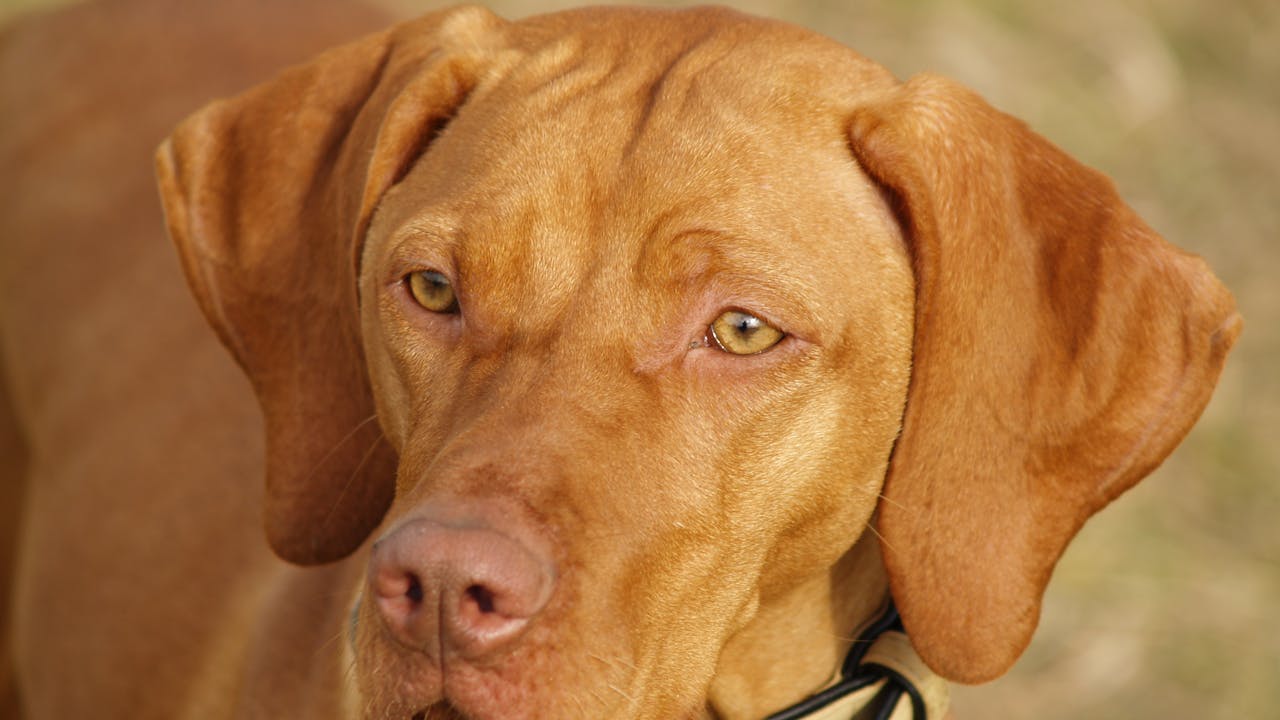
If you're working with existing photos rather than taking new ones, look for images where your pet's features are clearly lit without dark shadows hiding half their face. The artist needs to see color variation in the fur, the shape of the ears, the depth around the eyes. These details are what transform a painting from a generic breed representation into a portrait of your specific pet.
Get on their level
Here's a mistake almost everyone makes. They photograph their pet while standing up, looking down. This creates an awkward top-down perspective that doesn't translate well to a portrait meant to hang at eye level on a wall.
Crouch down. Get on your knees. Shoot at your pet's eye level. For small dogs or cats, place them on a couch or raised surface. The resulting image will feel natural and dignified, exactly what you want in a finished painting. Think about how portraits of people are shot. Nobody photographs a person by standing on a ladder and aiming the camera at the top of their head. Give your pet the same respect.
Fill the frame
For a head-and-shoulders portrait, get close. Your pet's face should take up most of the image. Don't stand across the room and zoom in, because digital zoom destroys resolution and introduces blur that no artist can fix.
For full-body portraits, keep your pet close enough that they fill most of the frame without excessive background. The more pixels dedicated to your actual pet, the more detail the artist has to work with. More detail means better results. It's that simple.
Send the original file
This matters more than people think. The photo on your Instagram feed has been compressed, resized, and stripped of data. The version you texted to a friend lost quality in transit. Always send the original file directly from your phone's camera roll or your computer's photo library.
Most modern smartphones produce images that are more than sharp enough for a painting. The problem isn't the camera. It's what happens to the file between the camera and the artist. Keep the chain as short as possible.
Send multiple photos
Even if you have one perfect shot, include three to five additional photos showing your pet from different angles. This helps the artist understand the full shape of your pet's face, the way their ears sit naturally, and how their coat looks in different lighting conditions. It's especially important for breeds with complex markings or unusual features that a single angle might not capture completely.
For pets who have passed away, send everything you have. Multiple imperfect photos are more useful than a single good one, because the artist can combine references to build a complete picture.
Popular styles for pet paintings from photos
The style you choose transforms the entire character of the portrait. The same photo of the same pet can become a regal aristocrat, a soft watercolor dream, or a bold graphic statement depending on the artistic direction. Here are the most popular options and what makes each one work.
Renaissance and royal portraits
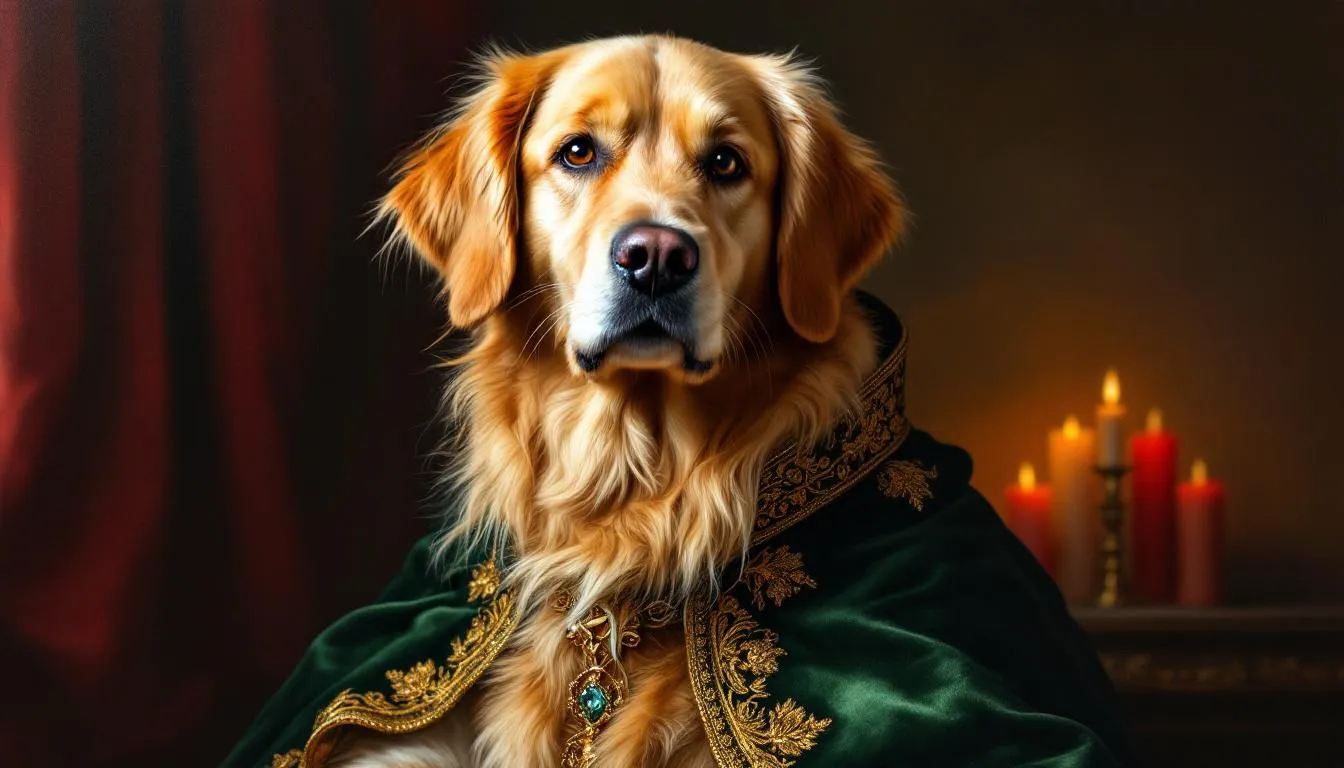
This is the style that broke the internet. Pets dressed in period costumes with velvet cloaks, gold crowns, military uniforms, and elaborate lace collars. It's funny, charming, and surprisingly elegant all at once. The contrast between a dopey golden retriever and the gravity of a renaissance nobleman is exactly what makes these portraits so shareable and so beloved.
Renaissance pet portraits draw from actual historical painting techniques with rich colors, dramatic lighting, and meticulous fabric details. Royal pet portraits lean into the monarchy angle with crowns, thrones, and regal postures that make your pet look like they were born to rule. Both styles have become some of the most popular pet portraits ordered online, and for good reason. They're conversation starters. Every single guest who walks into your home will stop, look, and say something.
Fable specializes in this exact style, turning ordinary pet photos into museum-quality portrait art that looks like it belongs in a palace gallery. The renaissance and royal aesthetic is where the platform truly shines.
Realistic and classical
For people who want the painting to look like their pet and nothing else. No costumes. No fantasy. Just a faithful representation in oil, acrylic, or digital paint that captures the animal exactly as they are in life.
This style requires the most artistic skill because there's nowhere to hide. Every proportion, every shadow, every strand of fur needs to be accurate. The best realistic animal portraits achieve something photography can't: they isolate the essence of the subject against a carefully chosen background, creating a timelessness that even the most beautiful photograph lacks.
Watercolor
Soft edges, gentle color bleeds, and an organic feel that works beautifully for portraits of cats, rabbits, and dogs with flowing coats. Watercolor portraits have a lightness to them that oil and acrylic can't replicate. They feel like captured moments rather than posed statements.
The medium is less forgiving than oil because watercolor mistakes are harder to correct. A wrong stroke can't simply be painted over. But in skilled hands, watercolor produces some of the most beautiful pet art available. These portraits also tend to be more affordable than oil paintings, making them a strong entry point for first-time buyers who aren't sure what to expect.
Pop art and modern
Bold outlines. Flat color blocks. High contrast. Think Andy Warhol meets your cat. Pop art portraits are vibrant, energetic, and thoroughly contemporary. They work well in modern homes with minimalist decor where a traditional oil painting might feel out of place.
This style also lends itself to custom color palettes. Want your dog rendered in turquoise and coral to match your living room? Pop art makes that possible without looking forced. It's a style that celebrates personality over precision, and some pets suit it perfectly.
Charcoal and pencil
Monochrome, dramatic, and deeply detailed. Charcoal and pencil portraits strip away color to focus entirely on form, texture, and contrast. They're particularly powerful for memorial portraits of pets who have passed away, where the solemn tone feels appropriate and even comforting.
These are typically the most affordable hand-drawn option, making them accessible for people on tighter budgets. And despite the lack of color, the best charcoal portraits carry as much emotional weight as any full-color painting. Sometimes more.
Impressionist
Visible brushstrokes, dappled light, and a dreamy quality borrowed from Monet and Renoir. Impressionist pet portraits don't aim for photorealism. Instead, they capture mood, movement, and atmosphere. Your dog running through a field. Your cat sitting in a sunbeam. The feeling of a moment rather than its precise documentation.
This style pairs beautifully with surreal art prints and animal surrealism art for creating an eclectic gallery wall that tells a visual story across multiple pieces.
Digital illustration and cartoon
Playful, stylized, and fun. Digital illustrations range from semi-realistic renderings to full cartoon interpretations. They're popular as gifts for younger pet owners and work well as social media profile pictures, phone wallpapers, or printed merchandise like mugs and t-shirts. If you're looking for art gifts for teens who love their pets, a cartoon-style portrait hits the sweet spot between personal and playful.
Hand-painted vs. digital vs. AI-generated
This is the question everyone needs to answer before placing an order. The three main creation methods produce vastly different results at vastly different price points, and understanding those differences prevents buyer's remorse.
Hand-painted portraits
A human artist, a physical canvas, real paint. This is the traditional approach and it remains the highest quality option by a significant margin.
Oil paintings create physical texture you can see and touch. Raised brushstrokes catch light differently depending on where you stand in the room. The pigments are rich and deep in ways that flat prints simply cannot reproduce, no matter how good the printer. Properly cared for, oil on canvas lasts centuries. Museums are full of proof.
The trade-off is time and money. Hand-painted portraits take two to six weeks and cost anywhere from $65 for budget services to $2,000 or more for established artists working in fine art. But what you get is genuinely one of a kind. No one else in the world has the same painting on their wall.
Digital portraits by human artists
Digital artists use tablets and software to create portraits that mimic traditional media. The artwork itself can be exceptional. Skilled digital painters produce work that rivals traditional painting in detail, color accuracy, and emotional depth. The tools are different but the talent is real.
The key difference is physicality. A digital portrait exists as a file. To display it, you print it. And a print, no matter how high quality, lacks the textured depth of real paint on real canvas. It's flat. It interacts with light uniformly rather than dynamically. These differences are subtle but real, especially if the portrait will hang as a centerpiece in your home rather than sit in a collection of prints.
Digital portraits cost less than hand-painted ones because there are no material expenses beyond the artist's tools and software. Expect to pay between $20 and $500 depending on the artist's skill, reputation, and the complexity of the work. You can explore different portrait options including self portraits, kids portraits, and couple portraits to see how various styles translate across digital and traditional media.
AI-generated portraits
AI tools can generate a pet portrait in seconds. Upload a photo, choose a style, and the algorithm produces an image. The technology has improved dramatically over the past two years, and at first glance, AI portraits can look impressive.
But look closer. AI struggles with the subtle details that make a portrait feel alive: the wet shine in a dog's eye, the way light moves through translucent ear tips, the specific fold pattern around a bulldog's nose. The results often feel what artists describe as "emotionally flat." A picture of a pet rather than a portrait of your pet. There's a difference.
AI portraits also raise a practical concern. Many AI tools don't output images at print resolution, which means the portrait may look fine on a screen but become pixelated when printed large enough for wall display.
And then there's the honesty problem. Some companies use AI to generate portraits, print them on canvas, and sell them as "custom art" without disclosing the process. If a service promises a hand-painted canvas portrait for $30 with a three-day turnaround, it's almost certainly AI-generated and printed. Be cautious. Ask directly about creation methods before you hand over your money.
For meaningful portraits, whether they're pet family portraits or individual pet paintings meant to last generations, the human touch still matters.
What it costs
Pricing varies enormously depending on the medium, the artist, the service, and the size of the canvas. Here's a realistic breakdown based on current market rates so you know what to budget before you order.
Hand-painted oil portraits
The widest price range of any medium. Budget services start around $65 for smaller sizes. Mid-range services charge $89 to $200 for standard canvases. Independent artists with established reputations charge $300 to $800. Fine art commissions from gallery-represented painters can exceed $2,000.
Size matters significantly. A 16x20 inch canvas costs more than an 8x10. Multiple subjects in one painting add to the price. Custom backgrounds, accessories, and costumes like those in regal pet portraits may carry additional charges depending on the complexity involved.
Watercolor portraits
Generally more affordable than oil. Budget options on Etsy start around $49 to $84 for smaller sizes. Professional watercolorists charge $129 to $250 or more for larger pieces. The medium uses less material than oil, which keeps costs down without necessarily sacrificing artistic quality.
Charcoal and pencil
The most accessible traditional medium in terms of price. Starting prices typically range from $89 to $150. The absence of color reduces both material costs and working time, which translates to lower prices without sacrificing the emotional impact of the finished portrait.
Digital portraits
Human-created digital portraits range from $20 for simple illustrations to $500 for highly detailed work from established digital artists. Most fall in the $50 to $200 range. You receive a digital file, so printing and framing costs are separate.
AI-generated
Free to around $50. Some tools offer free generation with paid premium features. Print-on-demand services charge $30 to $60 for a canvas print of the AI-generated image. The low cost reflects the minimal human labor involved.
Check pricing for current portrait options and see what fits your budget. For custom dog portraits and other pet paintings, understanding the price landscape helps you make an informed choice between quality tiers.
How long it takes
Time is the variable most people underestimate. If you're ordering a pet painting as a gift for a birthday, holiday, or special occasion, plan ahead. Rushing a hand-painted portrait leads to disappointment or missed deadlines or both.
Typical turnaround times
AI-generated: Instant. Seconds to minutes. No waiting.
Digital art by a human artist: One to five days for the artwork, plus shipping if you order a print. Total delivery time of one to two weeks.
Mid-range hand-painted services: Two to three weeks for the painting itself, plus one to two weeks for shipping. Total of three to five weeks from order to arrival.
Premium hand-painted commissions: Three to six weeks for the painting, sometimes longer for fine art specialists with waitlists. Total of five to eight weeks or more.
Holiday and peak seasons: Add one to two weeks to any estimate above. Christmas, Valentine's Day, and Mother's Day create surges in demand that stretch production schedules across the entire industry. If you're looking for art gifts for teachers, thoughtful presents for art lovers, or a personalized dog portrait as a holiday gift, ordering early is the single best thing you can do.
Most services offer rush production for an additional fee. But even rushed hand-painted work requires a minimum of seven to ten days. Oil paint needs time to dry between layers. There's no shortcut for physics.
Understanding how it works and planning for realistic timelines is the difference between a relaxed experience and a stressful scramble.
Common mistakes that ruin the result
People make the same errors over and over when ordering pet paintings from photos. Avoid these and your experience will be dramatically better.
Submitting a terrible photo
This is the number one problem across the entire industry. Blurry images. Dark rooms. Heavily compressed files downloaded from social media. Screenshots of screenshots of screenshots. The painting can only be as good as the reference photo allows. If the artist can't see detail, they can't paint detail. It's really that simple.
Ignoring the medium
Oil looks different than watercolor looks different than acrylic looks different than charcoal. Each medium has a distinct character, and choosing the wrong one leads to a portrait that doesn't match your expectations. Look at examples of each medium before ordering. If you want rich textured depth, go with oil. If you want softness and translucency, choose watercolor. If you want speed and versatility, consider acrylic or digital.
Ordering too late
A hand-painted portrait is not a two-day delivery. Planning four weeks ahead is the minimum for a stress-free experience. Six to eight weeks is safer, especially during holiday seasons when every portrait service in the world is slammed with orders. People who order personalized dog portraits as last-minute Christmas gifts almost always end up disappointed with either the quality of a rushed job or the reality of a missed deadline.
Choosing the wrong size
A small portrait of a large subject loses impact. A full-body portrait of a tiny chihuahua on a small 8x10 canvas becomes a postage stamp. Multiple pets need larger canvases to give each animal proper space and detail. Think about where the painting will hang and measure the wall before you order. A portrait that's too small gets lost. One that's properly sized commands attention.
Not researching the artist
Anyone can set up an Etsy shop or launch a website and call themselves a pet portrait artist. Check portfolios carefully. Look at multiple examples across different breeds and styles. Read reviews from actual customers. Pay attention to whether past portraits capture specific animal likenesses or just look like generic breed paintings with slightly different coloring.
Falling for AI disguised as handmade
If the price seems impossibly low and the turnaround impossibly fast, the portrait is probably AI-generated and printed on canvas. There's nothing inherently wrong with AI art if you know that's what you're getting and paying for. The problem is paying for something marketed as "custom hand-painted" when it isn't. Ask directly. Legitimate artists are proud to explain their process.
Skipping the approval step
Some people approve the proof too quickly because they're excited. Others don't respond in time and the service ships without final confirmation. Take the review step seriously. Zoom in on the digital proof. Compare it to the original photo. Check the eyes, the markings, the proportions. This is your one opportunity to request changes before the painting becomes permanent.
How to spot a great pet portrait service
Not all services deliver the same quality. Here's how to separate the ones that will nail your pet's portrait from the ones that will waste your money and your time.
Look for a deep portfolio
Not just a few cherry-picked examples on the homepage, but a substantial portfolio showing a range of pets, breeds, and styles. The portraits should look like specific individual animals, not generic breed templates where every golden retriever is interchangeable. If you can't tell one customer's pet from another in the same breed, that's a red flag.
Check the revision policy
Good services include revisions in the price. Great services offer unlimited revisions until you're completely satisfied. If a company has no revision policy or charges extra for every single change, think carefully before handing over your payment.
Read real reviews
Third-party review platforms matter more than testimonials curated for the company's own website. Look for reviews that mention specific experiences. "It looked exactly like my dog" is meaningful. "Great service" is generic. Watch especially for reviews that mention "It didn't look like my pet" or "looked like a generic version of the breed." Those are the warnings that matter.
Ask about the creation method
This question is increasingly important as AI tools become more sophisticated and harder to distinguish from human work at a glance. Ask directly: Is this hand-painted, digitally created by a human artist, or AI-generated? Legitimate services are proud of their process and will answer clearly without hesitation. Services that dodge the question or give vague responses are usually hiding something.
Evaluate the communication
Good services respond promptly, ask thoughtful questions about your pet and your preferences, and keep you updated throughout the creation process. If you can't get a clear response before you've paid, imagine how hard it will be to get attention after the money has changed hands.
Compare pricing to reality
A hand-painted oil portrait takes hours of skilled labor plus physical materials that cost real money. If someone is offering a hand-painted portrait for $25 with free shipping, the math doesn't work. That price only makes sense if the work is AI-generated and printed. Realistic pricing for quality hand-painted work starts around $65 to $89 and scales up from there depending on size, medium, and artist experience.
Fable combines the portrait creation process with quality you can verify, whether you're ordering family portraits, couple portraits, kids portraits, or pet paintings that capture your companion's true character. Check out how it works to see the process from start to finish.
Why people order pet paintings from photos
The reasons go deeper than wall decoration. Understanding them might help you clarify what matters most in your own order.
Memorial and tribute. The most common reason for commissioning a pet painting is to honor a companion who has passed away. A photograph captures how they looked. A painting captures how they felt. The distinction matters to anyone who has lost a pet they loved, and it makes the portrait one of the most emotionally meaningful pieces of art in the entire home.
A gift that stops people in their tracks. Pet paintings rank among the most memorable gifts you can give an animal lover. They're personal, specific, and impossible to buy off a shelf. The recipient knows you thought about them, not just what they'd enjoy but who they love. If you're searching for gifts for art lovers or something genuinely unique, a portrait of their pet is hard to beat.
Home decor with meaning. Wall art is more satisfying when it means something to you. A painting of your dog in a renaissance costume is both beautiful and deeply personal. It tells a story. It sparks conversations. And unlike mass-produced prints, it's yours and no one else's. Browse art deco gifts and surreal art prints for complementary pieces that build a gallery wall around your pet painting.
Celebrating a living pet. You don't need to wait for a pet to pass before commissioning their portrait. Many people order paintings of healthy, happy animals simply to celebrate the bond they share right now. It's a way of saying this relationship matters enough to turn into art. And years from now, when you look at that painting, you'll be grateful you did it while they were still curled up on the couch beside you.
Frequently asked questions
Can you paint a pet that has already passed away?
Yes. This is one of the most common requests across the entire industry. Artists work from whatever photos you have available. Older or lower-quality images may limit the level of detail possible, but skilled artists can combine multiple reference photos to build a complete and accurate portrait. Send every photo you have, even the imperfect ones.
How many pets can be in one painting?
Most services accommodate multiple subjects in a single portrait. Two to three pets work well on a standard canvas. Larger groups need bigger canvases to maintain proper detail for each animal. Additional subjects typically add $20 to $50 per extra pet for mid-range services. Pet family portraits are a popular option for households with multiple animals who need to share the spotlight.
What if the painting doesn't look like my pet?
Reputable services offer revisions. Request specific changes: adjust the eye color, fix a marking, change a background shade. If the fundamental likeness is off after revisions, many services offer refunds or complete redos. Always check the revision and refund policy before ordering. Review how it works to understand the full process including the approval stage.
Can the artist change the background?
Absolutely. You're not locked into whatever background appears in your reference photo. Artists can paint solid colors, outdoor scenes, studio-style gradients, or elaborate themed settings like the ornate interiors found in renaissance pet portraits and royal pet portraits. Discuss background preferences before the painting begins so there are no surprises.
Is it better to order a hand-painted or digital portrait?
Depends on your priorities. Hand-painted offers physical texture, depth, and longevity that you can see and feel. It carries presence on a wall. Digital offers flexibility, faster delivery, and lower cost. It's also easier to reproduce and resize. For a centerpiece you'll keep for decades, hand-painted is the stronger choice. For a fun gift or a quick addition to your decor, digital works perfectly. Explore dog portraits for style inspiration regardless of which medium you choose.
What size should I order?
Consider the wall space, the number of subjects, and the visual impact you want. A single pet portrait works well at 11x14 or 16x20 inches. Multiple pets need at least 20x24 inches to give each one breathing room. A bold statement piece might go up to 24x36 or larger. When in doubt, go slightly bigger. A portrait that's too small disappears on a wall. Check pricing for size options and what each one costs.
How should I display and protect the painting?
For oil paintings, avoid direct sunlight which causes fading over time. Hang the portrait in a spot with indirect natural light. A UV-protective glass frame adds longevity. For unframed canvases, make sure the edges are cleanly finished or gallery-wrapped. Digital prints benefit from UV-protective framing even more than original paintings, since printed inks fade faster than oil or acrylic pigments.
Related guides
- Pet portraits: the complete guide to immortalizing your companion
- Custom dog portraits: how to create the perfect pet keepsake
- Personalized dog portraits: the gift every pet lover wants
- How it works
Sources
- American Pet Products Association (APPA) National Pet Owners Survey
- Business Research Insights, Pet Photography Services Market Report
The best paintings don't just show what someone looks like. They show what someone means to you. A pet painting from a photo takes a digital moment and gives it weight, presence, and permanence. It turns pixels into brushstrokes and a memory into something you can reach out and touch. Start creating yours and turn the photo you love into the art it deserves to be.