Portrait vs landscape: the complete orientation guide
You've seen the question in every camera app, document editor, and print order form: portrait or landscape? Most people pick based on instinct. Vertical for people. Horizontal for scenes. That's roughly right, but the full picture is more interesting and more useful than that quick rule.
These two orientation labels don't come from technology. They come from the history of painting. Portrait painters worked vertically because the human form is taller than it is wide. Landscape painters worked horizontally because natural scenes stretch left and right. When photography arrived in the 19th century, it borrowed the vocabulary directly. When digital documents and camera apps needed a way to describe frame direction, they kept the same borrowed terms. Every time you adjust a setting in PowerPoint or choose a print size for a photo, you're using language that traces back to 17th-century Dutch artists painting flat coastal horizons.
This guide covers everything: the real history behind the terms, the precise differences between orientations, which format works best for wall art and printing, how to choose in photography, and how social media has reversed the old conventions.
There's one thing worth settling before anything else. If you're thinking about portrait orientation for an actual portrait, for a custom piece of art capturing someone you love, the most important decision isn't technical. It's the choice to create something permanent. Fable turns your photos into museum-quality portrait art in the classical tradition that gave "portrait orientation" its name. Family portraits, couple portraits, kids portraits, and self portraits all look exactly right in portrait format. It's the orientation this art form was born for, and it's the reason the term exists at all.
Where these terms came from
The story starts with oil paint and small wooden panels.
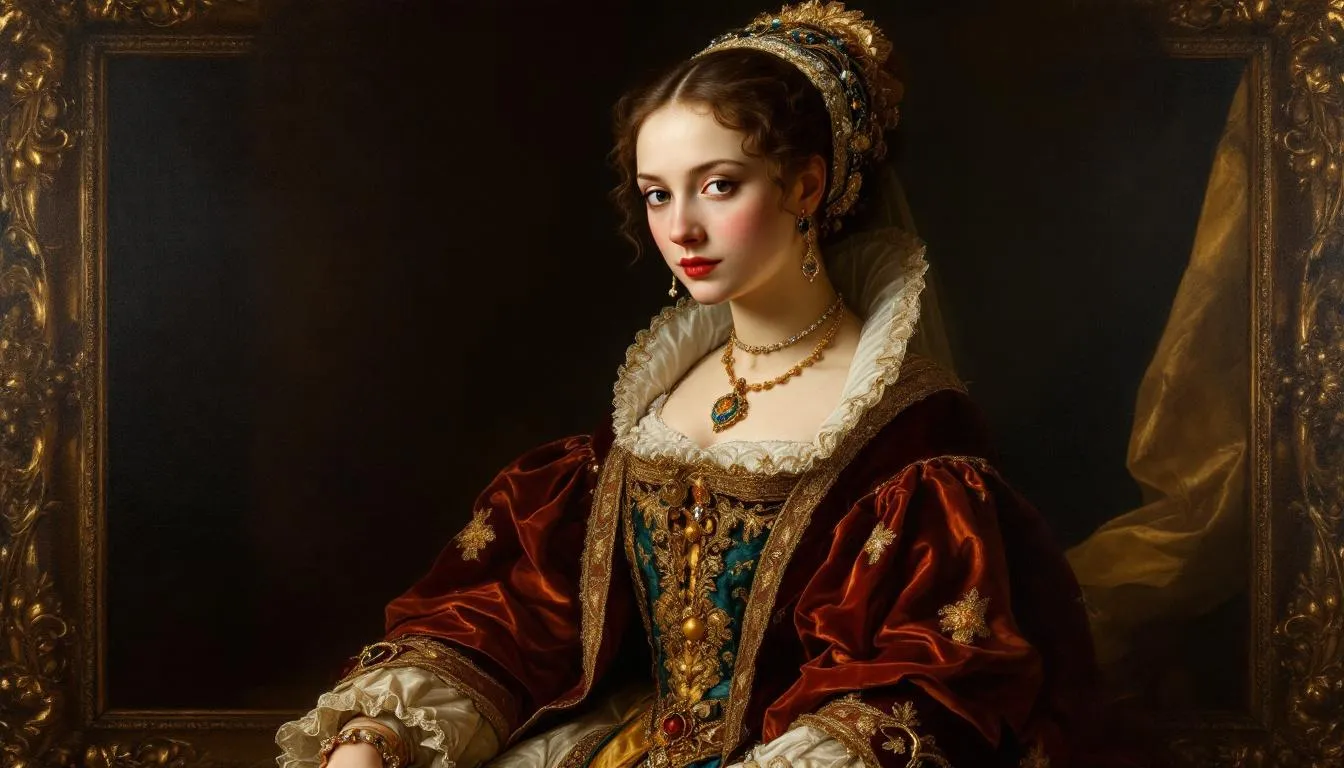
Portrait paintings as a distinct genre emerged in Europe during the 15th century. Artists in the Netherlands and Northern Italy began depicting individual likenesses with unprecedented realism, on vertical panels and canvases that matched the proportions of a standing or seated human being. The human figure is taller than it is wide. A vertical format respected that geometry.
Jan van Eyck was among the first masters of individualized portraiture. He painted small vertical wood panels with extraordinary detail, capturing the texture of skin and fabric in ways no artist had achieved before. Rogier van der Weyden pushed the psychological intensity of the three-quarter face view that became the portrait standard. Leonardo da Vinci popularized the half-length composition, with the Mona Lisa as the most famous surviving example of the format. Rembrandt painted hundreds of portraits across decades, including a series of self-portraits that stand as one of the most sustained psychological studies in the history of art.
The Metropolitan Museum of Art describes this period as "a significant manifestation of the Renaissance in Europe," where portrait painting represented a new focus on individual identity and self-expression. Wealthy merchants commissioned vertical portraits as social currency. Royalty hung them as propaganda. The vertical canvas became so synonymous with human likeness that it inherited the name.
Landscape painting came later, and arrived differently.
Natural scenery had appeared in art for centuries, but landscape as an independent genre matured in the 17th-century Dutch Republic. Artists like Jacob van Ruisdael and Jan van Goyen painted the low horizons, wide skies, and flat coastal plains of the Netherlands. Those scenes demanded horizontal canvases. The terrain itself was horizontal. The format matched the subject, and again, the format inherited the genre's name.
This hierarchy matters for understanding modern use. In the French Royal Academy's official ranking, portrait painting outranked landscape painting. Portraits were commissioned by powerful people to project power. Landscapes were considered decorative. The prestige order has reversed completely in the age of widescreen monitors and cinema, where landscape format dominates professional screens. But for human subjects, portrait orientation has never lost its cultural authority.
When photography studios opened in the 1840s, they deliberately positioned themselves as affordable alternatives to painted portraits. Those studios used vertical framing because clients expected portraits to look like paintings. They were continuing a 400-year convention without needing to think about it.
Portrait orientation: what it is and how it works
Portrait orientation means the height of an image or page is greater than its width. The vertical dimension is the long edge.
The proportions vary depending on context. In standard 8x10 inch prints, the aspect ratio is 4:5, meaning for every four units of width there are five units of height. In mobile phone screens and social media, the dominant ratio is 9:16. In traditional photography, 2:3 is the native ratio of most camera sensors.
What portrait orientation emphasizes
Vertical framing changes how you see an image. Your eye enters at the bottom and travels upward. This creates a sense of ascent, height, and grandeur. Interior designers consistently note that portrait-oriented art makes ceilings feel higher, which is why tall prints work particularly well in entryways and stairwells. The visual motion draws attention upward and creates an impression of expansive vertical space.
For human subjects, portrait orientation works because people are taller than wide. A vertical frame accommodates the full figure naturally, places the eyes at the upper third of the composition, and leaves room for both the head and body without awkward cropping. Headshots, full-body fashion photography, and formal family portraiture all default to portrait orientation for this reason.
Standard portrait print sizes
The most common portrait print dimensions, listed as height by width in inches:
8x10 is the standard for school photos, headshots, and desk frames. The ratio is exactly 4:5. 11x14 is a popular gallery size for statement prints. 16x20 scales the same 4:5 ratio and works as a centerpiece on a living room wall. 18x24 shifts to a 3:4 ratio and suits a taller, more dramatic presentation. 24x30 returns to the 4:5 ratio and is one of the largest standard sizes for home display.
For print quality at these sizes, resolution matters. A 16x20 print at 300 DPI requires at least 4,800 x 6,000 pixels in the source image. A 24x30 print needs 7,200 x 9,000 pixels. This is why professional portrait services use high-resolution source files.
Portrait orientation and the art of capturing people
Custom portrait art in the classical tradition lives in portrait format. When you look at Renaissance portraits in museums, from the works of Holbein to Velazquez to Rembrandt, you're looking at vertical compositions designed to honor the person depicted. That same tradition continues today.
Fable creates custom portrait art in this classical tradition, transforming photos into pieces that belong on a wall rather than buried in a camera roll. A family portrait in the classical style looks the way family portraits have always looked: vertical, centered, dignified. Couple portraits in portrait orientation carry weight and intimacy that wider horizontal framing can't replicate. Kids portraits capture the height and wonder of childhood exactly as portrait painting has done for 600 years. Self portraits in the classical tradition are some of the most intimate gifts you can give yourself or someone else.
The orientation these portraits live in isn't a technical choice. It's a cultural inheritance worth understanding.
Landscape orientation: what it is and how it works
Landscape orientation means the width of an image or page is greater than its height. The horizontal dimension is the long edge.
The standard landscape aspect ratios include 3:2 (the native ratio of most DSLR and mirrorless cameras), 16:9 (widescreen TV and desktop monitor standard), 4:3 (older monitor and tablet format), and 2:1 (panoramic format). The 4x6 inch print, the world's most printed photo format, is landscape orientation at the 3:2 ratio. It comes from the 35mm film negative, which measured 24 x 36mm. Most photo labs and consumer printing has been built around this format for decades.
What landscape orientation emphasizes
Horizontal framing creates breadth. Your eye travels left to right, which matches the natural horizontal scan of human vision. Binocular vision spans approximately 120 degrees horizontally and 60 degrees vertically, roughly a 2:1 ratio. Wide images feel more natural to human perception because they align with this visual field.
Landscape orientation is excellent for showing context and environment. A person photographed in landscape format becomes part of their surroundings. A scene photographed in landscape shows the full sweep of the environment: the horizon, the foreground, the sky.
Standard landscape print sizes
4x6 is the default standard print size worldwide, matching the 35mm film native ratio. 5x7 in landscape direction suits desk frames. 8x10 in landscape works for group photos where subjects sit side by side. 12x18 and 20x30 are popular sizes for large scenic prints. Panoramic prints at 12x36 or wider are specialized formats for architectural scenes and dramatic landscapes where horizontal sweep is the whole point.
Portrait vs landscape for wall art and printing
This is where the orientation choice becomes most visible, most permanent, and most consequential. A print on a wall stays there. It becomes part of how a space feels and how guests experience a home.
The case for portrait in wall art
Portrait orientation dominates fine art printing and custom portrait commissions for several interconnected reasons.
Most residential walls have more vertical than horizontal space. Windows interrupt horizontal wall spans. Furniture creates vertical zones between openings. The space above a fireplace mantel is roughly square to slightly vertical. The wall beside a doorway is narrow and tall. The landing on a staircase is strongly vertical. Portrait-oriented art fits naturally into the actual geometry of most homes.
Portrait art also draws the eye upward. Interior designers consistently recommend vertical prints for rooms where you want to make the ceiling feel higher. A tall portrait in a hallway creates a sense of grandeur. The same space with a horizontal print feels lower and flatter.
Regal pet portraits, renaissance-style pet portraits, and royal pet portraits all look best in portrait orientation, for the same reason classical portraiture worked vertically. The subjects are presented with dignity, height, and visual authority. Custom dog portraits in vertical format make the animal look as consequential as a painted nobleman. Personalized dog portraits commissioned in portrait format carry the same formal weight.
For family portraits specifically, portrait orientation handles groups in a way landscape format cannot. A vertical family portrait allows the artist to arrange figures naturally, showing relationships through proximity and placement in a way that feels timeless. Look at any formal family portrait from the last three centuries. Nearly all are vertical.
Pet family portraits that include both human family members and animals work particularly well in portrait orientation because the combined height of people and pets fills a vertical canvas naturally.
The case for landscape in wall art
Landscape orientation works beautifully for scenery, panoramic cityscapes, wide architectural shots, and images where horizontal sweep is the point.
Above a sofa or headboard, landscape orientation can anchor the furniture visually. A wide horizontal print at eye level creates a balanced, stable composition. Above a bed, a landscape print works with the horizontal line of the headboard rather than against it.
Group photos with many subjects arranged in a row often need landscape format. If you have eight people standing side by side, a portrait crop will either cut them off at the edges or scale everyone too small to see clearly. Landscape gives them room.
Choosing orientation for your wall
The wall itself should guide the decision. Tall, narrow walls call for portrait orientation. Wide walls above furniture call for landscape. Entryways and stairwells almost always want vertical. Large open walls can support either, with portrait often feeling more formal and landscape feeling more casual.
For personalized art, the subject matter almost always decides. A person or animal, rendered in the classical portrait tradition, belongs in portrait format. A scenic view, a city skyline, or a wide group shot belongs in landscape.
See how Fable's portrait process works and what pricing looks like before you decide on size and format. Most custom pet portrait commissions and family portrait gifts end up in portrait format because that's what the tradition demands and what homes actually need. Wedding gift art for couples almost always lands in portrait format for the same reason.
Art gifts for mom, art gifts for teens, art gifts for teachers, and gifts for art lovers all benefit from thinking about orientation before ordering. Portrait format for person-centered subjects. Landscape for scenic or architectural pieces.
Portrait vs landscape in photography
Photographers face the orientation question on every shot. The general conventions are widely known: turn the camera vertical for people, keep it horizontal for scenes. But experienced photographers break these conventions routinely, and understanding why makes you a better photographer.
Portrait orientation in photography
Portrait orientation works best in these situations: You're photographing a single person and want to fill the frame with their face and upper body. You're shooting full length and want to show the whole figure without scaling them down. Your subject has strong vertical energy: a dancer mid-leap, an athlete at full extension, a child running directly toward the camera. You're photographing naturally tall subjects like a tree, a waterfall, or a building facade. The image is destined for Instagram, a phone screen, or any vertical display. You're shooting for print sizes like 8x10 or 16x20.
For headshots, the eyes should land at or near the upper third of the frame. This is where the eye naturally wants to look first. In portrait orientation, the upper third of the frame falls roughly one-third down from the top, which places the subject's face exactly where it should be without forcing awkward framing.
Formal portrait sessions, headshots for professional use, senior portraits, school photos, and pet portrait commissions almost always default to portrait orientation. The subject commands the frame. There's no ambient clutter competing for attention.
Dog portraits and animal portraits shot in portrait orientation give the animal the same visual prominence that portrait painters gave their human subjects. The format communicates importance. A dog photographed vertically with the face near the upper third of the frame looks like a subject worth honoring.
Landscape orientation in photography
Landscape orientation works best when: you're photographing wide scenery with a strong horizon line. You're shooting a group of four or more people standing side by side. The action in the scene runs left to right. You want to show a person in their environment rather than isolating them from it. The image is destined for a desktop wallpaper, a YouTube thumbnail, or a widescreen display. You're shooting architecture that spreads horizontally.
Gift ideas for photographers often include premium wide-angle lenses, camera accessories, and prints in landscape format specifically for scenery and architectural subjects.
The counterintuitive truth
Some of the most striking landscape photographs are taken in portrait orientation. This surprises people. It shouldn't.
A waterfall flows downward. A canyon wall rises vertically. A lone tree in an open field points skyward. A path winding away from the camera creates the strongest leading line in portrait format. Photographers at Nature TTL and Fstoppers have documented this repeatedly: turning the camera vertical for landscape scenes forces recomposition, which almost always produces more original images.
The bias toward horizontal for landscape photography is inherited from the genre name. It's not optical reality. When you hold the camera vertical in a landscape setting, you emphasize foreground and background relationship, sky and earth relationship, and vertical leading lines. These are among the most powerful compositional elements in outdoor photography.
Try shooting the same landscape scene in both orientations. Most photographers who do this discover that the portrait version of the shot is their favorite.
Focal length and orientation
In portrait photography (photographing people), focal length interacts with orientation in important ways. Wide-angle lenses below 35mm create distortion when close to subjects: noses appear larger, ears seem to recede. This is unflattering in portrait orientation where the face fills the frame.
The standard recommendation for portrait photography is 85mm to 135mm on a full-frame camera. These focal lengths compress the background pleasantly and render facial features in natural proportion. At these focal lengths, portrait orientation puts the subject where they belong: large, clear, and visually prominent.
Wide-angle lenses have their place in portrait photography, but they work better when the subject is a few steps back and the intent is environmental rather than intimate.
Portrait vs landscape for documents and presentations
Outside photography and wall art, orientation choices follow practical conventions that are mostly standardized.
Microsoft Word and text documents
Portrait is the default in Word and virtually every word processing application worldwide. It matches how humans read: top to bottom, on pages that fit the text of a book, letter, or report. Most business documents, academic papers, legal filings, and personal writing use portrait orientation without thinking about it.
Landscape mode in Word is reserved for specific content. Wide tables that won't fit on a portrait page work better in landscape. Spreadsheet data embedded in a document sometimes needs the wider format. Some diagrams and charts are created in landscape because their visual logic runs horizontally.
Word allows mixed orientations within a single document by applying landscape formatting to specific sections. This is useful for inserting a single wide table into a portrait-oriented report without reformatting the entire document. The process involves selecting the section that needs landscape orientation, going to Layout, then Margins, then the Page Setup dialog, and applying the orientation to the selected section only.
PowerPoint and presentations
PowerPoint defaults to landscape in its widescreen 16:9 format. This matches projected presentations on monitors and screens, which are landscape format. The 16:9 ratio aligns with modern television and monitor proportions.
Portrait mode in PowerPoint has grown in popularity for specific uses: digital signage on vertical displays common in retail and hospitality settings, social media presentations designed for mobile viewing, and printed handouts where portrait pages are more practical.
PowerPoint doesn't natively support mixing portrait and landscape slides in a single file. A common workaround involves creating separate portrait-format slides in a linked presentation. For presentations that need mixed orientations, Google Slides or Keynote offer slightly more flexibility.
Excel and data tables
Landscape is almost always preferred for data tables with many columns. Wide datasets need the horizontal space. Most financial reports, analytics exports, and data visualizations default to landscape for this reason.
Printing and page setup
In every print dialog, portrait is listed first and is the default. This is the global convention. Portrait is assumed unless otherwise specified.
The exception is specialized printing: banners, panoramic photo prints, wide-format photography, and some signage applications default to landscape because their physical dimensions demand it.
Portrait vs landscape on social media
Social media has dramatically shifted conventional wisdom on orientation. If you designed for social media a decade ago and then stepped away, what you'd find now would look very different.
The rise of vertical
Mobile phones are held vertically by default. Research consistently shows that 94% of mobile users hold their phones vertically. Since more than 96% of social media users access platforms on their phones, vertical content is the format most people encounter in their natural posture.
TikTok built its entire platform on the 9:16 vertical format. Snapchat operated on this format from the beginning. Instagram added Stories (9:16) and Reels (9:16) to follow. YouTube added Shorts (9:16). The industry converged on portrait orientation for short-form mobile video because it fills the screen completely when held naturally.
The data supports the shift. Snapchat found that vertical video ads get up to nine times more completed views than horizontal ones. A horizontal video on a phone held vertically occupies about a third of the screen, with black bars above and below. A vertical video fills the entire screen. The completion rate difference reflects that gap directly.
Magna Global research found vertical videos achieve a 90% brand recall rate versus 69% for horizontal videos. That's not a marginal difference. Rotating the format 90 degrees changes how well viewers remember what they watched.
Format by platform
On Instagram, portrait at the 4:5 ratio is the recommended format for feed photos. It takes up more screen space than a square or landscape photo, which means more visual presence as users scroll. Stories and Reels use 9:16. For photography-related gift ideas or anyone creating professional content, knowing these specs matters.
On TikTok and YouTube Shorts, 9:16 is the only format worth using. Landscape content on these platforms appears small and disconnected, squeezed into the center of the frame with dead space on either side.
On Pinterest, portrait format dominates. The platform's vertical scroll favors tall images. A 2:3 ratio performs better than square or landscape.
Facebook allows more flexibility, but landscape and square content historically perform well there, particularly for desktop users where Facebook still has a meaningful audience.
YouTube standard videos remain landscape at 16:9. Cinema, streaming platforms, and gaming content are the last major domains where landscape orientation is completely unchallenged.
Instagram and the 4:5 ratio
The 4:5 Instagram portrait format is exactly the same aspect ratio as the traditional 8x10 print. This alignment is significant regardless of whether it was intentional at Instagram's design stage or coincidental. Someone can photograph in 4:5 for Instagram and print that same image at 8x10 with zero cropping or letterboxing. The social media format and the most popular portrait print size align perfectly.
This has reinforced portrait orientation across both digital and print culture simultaneously, which is unusual: usually digital and print conventions drift apart rather than converging.
Portrait vs landscape on screens
Screen orientation follows device orientation in ways that are now deeply built into consumer expectations.
Desktop and laptop monitors
Widescreen 16:9 landscape is the universal standard for desktop monitors. This matches how most computing tasks are arranged: wide windows, side-by-side applications, horizontal toolbars. Landscape is the natural format for productivity work.
Some designers and programmers rotate monitors to portrait orientation deliberately. A tall monitor is useful for reading long documents, scrolling through code, and working with vertical content. Portrait monitors have a dedicated following among writers and coders, but they remain a tool, not a default.
Smartphones
Phones are designed as portrait devices. The shape is tall and narrow. Holding a phone naturally means holding it vertically. This physical design decision has shaped the entire modern media landscape.
The tension between a landscape-format camera sensor (3:2 native ratio) and a portrait-format phone created an interesting historical moment: smartphone photography started as landscape-native but shifted to portrait as users rotated their phones to match the screen. Modern phone cameras now optimize for portrait orientation as the default shooting mode.
Television and cinema
Television is standardized at landscape 16:9. Cinema is even wider, with theatrical aspect ratios ranging from 1.85:1 to the ultra-wide 2.39:1 anamorphic format used for epic films. IMAX screens use a slightly different ratio (1.43:1) but are still substantially wider than tall.
Cinema will remain landscape. The theatrical experience is built around the wide screen and has been since the 1950s introduction of widescreen formats.
How to choose the right orientation
With all of this context, the decision framework becomes clear.
Is your subject a person, an animal, or anything that benefits from vertical prominence? Choose portrait. People are taller than wide. Animals photographed in portrait orientation look more dignified and visually prominent. This is where the entire portrait painting tradition began, and it remains the right instinct 600 years later.
Is your content going on a vertical wall space? Choose portrait. Most residential walls have more vertical than horizontal space, and portrait art draws the eye upward in ways that make rooms feel larger and more considered.
Is your content going on a widescreen monitor or television? Choose landscape. These devices were designed for horizontal content.
Is your content for social media? If it's short-form video (TikTok, Reels, Shorts, Stories), choose portrait at 9:16. If it's a feed photo on Instagram, choose portrait at 4:5 for maximum screen real estate. If it's a standard YouTube video or Facebook content for desktop, use landscape.
Is your content a document or presentation? Use the defaults. Portrait for text documents. Landscape for slide presentations.
Is your subject a wide natural scene or a large group? Choose landscape as your starting point, but seriously consider shooting portrait too. The portrait version often surprises you.
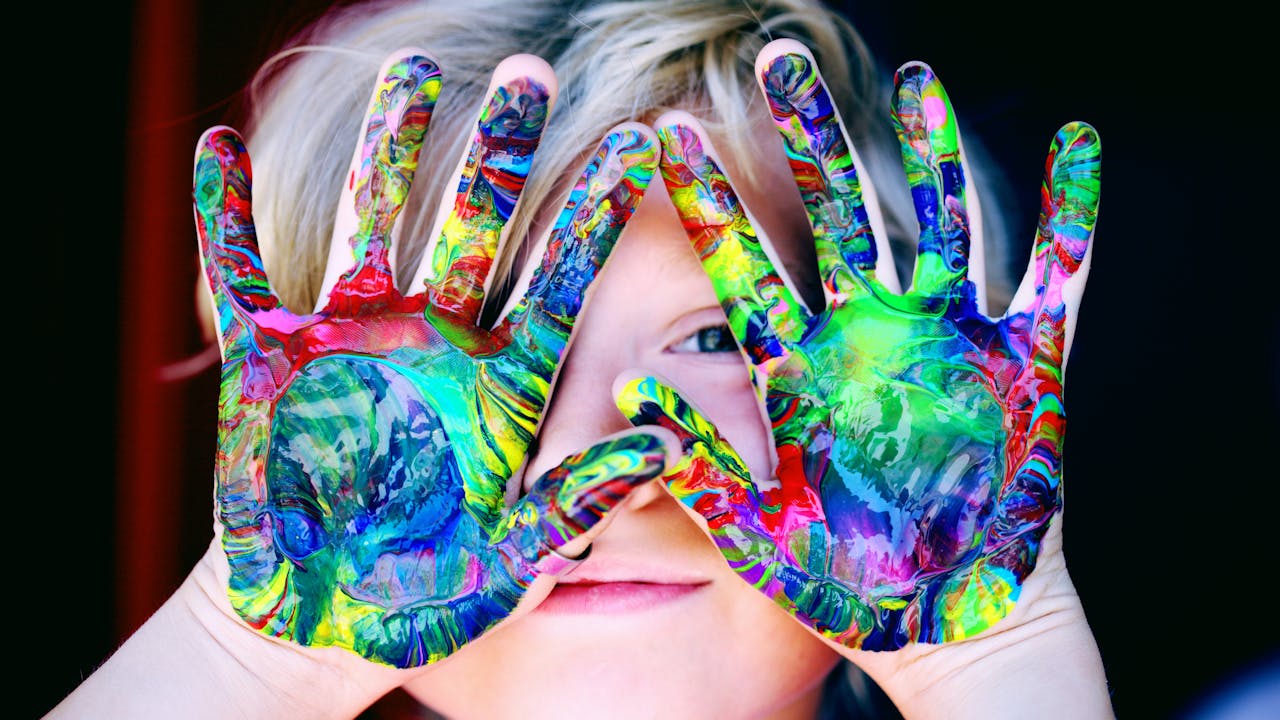
The most useful habit isn't picking one orientation and sticking with it. It's shooting both when you have time and choosing the stronger image. Professional photographers do this routinely. The extra few seconds to rotate the camera and reframe is almost always worth it.
For wall art specifically, anniversary portrait gifts, wedding gift art, birthday portrait gifts, Christmas art gifts, and graduation gift art all look most authoritative in portrait format. The tradition is clear. The geometry is right.
Memorial pet portraits honoring animals who've passed are almost always commissioned in portrait format. The vertical frame honors the subject in a way that feels commensurate with the love behind the commission. Dog portraits and animal portraits for wall display follow the same logic.
The counterintuitive cases
A few situations worth calling out specifically because they run against common intuition.
Landscape photography in portrait format. Some of the best landscape photographs are vertical. Waterfalls, canyons, forests with strong vertical tree lines, paths that lead away from the camera, dramatic sky-foreground relationships. If you're photographing outdoors, try turning the camera vertical even when instinct says horizontal. The recomposition forces you to see the scene differently, and often the portrait version of a landscape shot is the more original image.
Portrait photography in landscape format. There are situations where this works beautifully. Environmental portraits where the setting matters as much as the person. Couples portraits where the horizontal frame creates an intimate sense of shared space. Action shots where horizontal movement is the subject. A chef photographed in their kitchen. A horse lover photographed with their animal in an open field. When the context is the point, landscape format serves better than portrait.
Documents printed in landscape. Most people print landscape documents awkwardly. A landscape-oriented document that will be read at a desk should be printed on paper rotated to match. If you're presenting landscape slides as handouts, print them two-per-page on portrait paper rather than printing single landscape slides that don't fit standard filing.
Social media content in landscape. YouTube, Facebook for desktop users, and LinkedIn still favor landscape for certain content types. Video interviews, product demonstrations, and webinar replays often perform better in landscape when the primary viewing device is a desktop computer.
Portrait orientation in fine art and the classical tradition
The portrait format carries weight beyond its technical definition. It's the format that serious portrait art has used for six centuries.
When you look at a painting by Rembrandt, Holbein, or Vermeer, you're looking at a format chosen to honor the subject. The vertical canvas says: this person matters. This face deserves careful attention. This likeness is worth preserving.
That same impulse drives custom portrait commissions today. People commission animal portraits, pet family portraits, personalized dog portraits, and classical family portraits because they want something that honors the people and animals they love. The format those portraits live in is the same format that portrait painting has used since Jan van Eyck painted on small vertical panels in the 15th century.
Art deco gifts for style-conscious recipients, unique gifts for art lovers, and gifts for artists often take the form of portrait-oriented art pieces. The format communicates a seriousness of intent that landscape or square formats don't quite match.
The names "portrait orientation" and "landscape orientation" aren't arbitrary labels. They're inherited from a long tradition of artists working in formats that matched their subjects. Portrait painters worked vertically because people are vertical. Landscape painters worked horizontally because horizons are horizontal. Every print you order, every document you format, and every social media post you plan inherits that tradition.
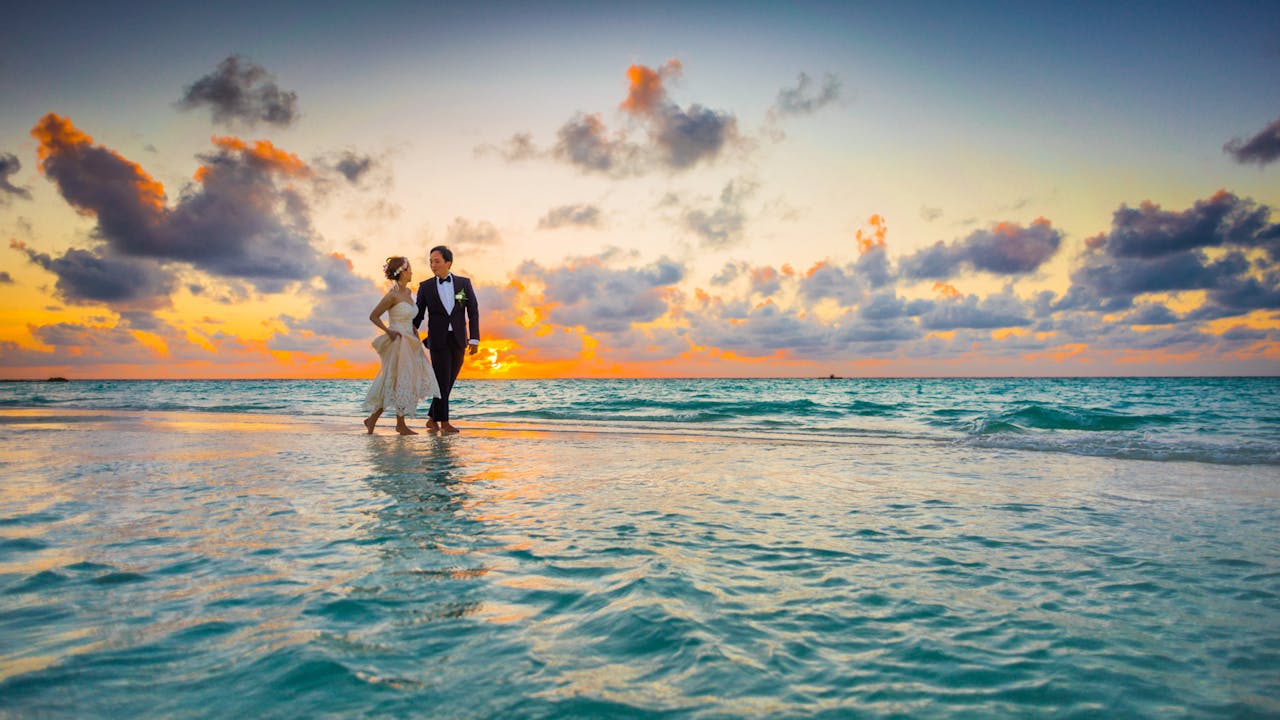
Understanding where the terms come from makes the orientation choices clearer. You're not picking between abstract technical options. You're aligning your content with conventions developed by centuries of artists who figured out, through experience, which format best serves which subject.
Portrait art styles that live in portrait format
The classical portrait tradition includes several distinct movements, each with its own aesthetic but all sharing the vertical format as standard.
Early Netherlandish portraiture (15th century) established the conventions that lasted centuries: three-quarter face view, dark background, carefully observed details of skin and fabric, small format on vertical wood panel. Jan van Eyck and Rogier van der Weyden defined this tradition.
Italian Renaissance portraiture (15th-16th century) brought the half-length composition to prominence. Leonardo's Mona Lisa is the definitive example: vertical canvas, three-quarter view, enigmatic expression, soft atmospheric background. This is the portrait format most people picture when they hear the term.
Baroque portraiture (17th century) added drama. Rembrandt's use of chiaroscuro gave his subjects psychological depth. Velazquez painted Spanish royalty with formal grandeur. The vertical format remained constant even as styles changed dramatically.
Rococo portraiture (18th century) lightened the palette and added decorative elaboration. Gainsborough's British portraits placed subjects in soft pastoral settings, still in vertical format.
Romantic and Realist portraiture (19th century) used the format for political power. Napoleon's official portraits were vertical propaganda. The convention held.
This progression runs directly into renaissance-style pet portraits, royal pet portraits, regal pet portraits, and animal surrealism art. Contemporary portrait art plays with these traditions, placing subjects in historical styles that carry centuries of visual meaning. A dog painted in the manner of a Baroque master benefits from the same vertical format that master used for good compositional reason.
Surreal art prints that reference the portrait tradition also tend to work in portrait orientation for the same structural reason: the vertical format communicates "this subject is the focus" in a way that horizontal framing doesn't.
The connection between portrait orientation and portrait art isn't coincidental. It's structural, historical, and deeply intentional.
Portrait orientation and gifting
Portrait-oriented custom art has become one of the most meaningful gift categories in fine art. The reason isn't complicated. A vertical portrait of someone you love is immediate. It communicates care in a way that other gifts don't.
Birthday portrait gifts in portrait format suit milestone birthdays where something lasting makes sense. A portrait doesn't expire. It doesn't get used up or worn out.
Anniversary portrait gifts for couples work beautifully in the classical couple portrait tradition: two subjects, vertical format, rendered with the same seriousness that Renaissance portraitists brought to commissioned work.
Wedding gift art in portrait format suits the occasion and the wall space of a new home. Most couples receive the same combination of practical household items. A custom portrait stands apart.
Christmas art gifts and graduation gift art both work as portrait-format pieces. A graduation portrait in the classical style is a lasting record of a significant moment, not another item that gets packed away.
Memorial pet portraits honor animals who've passed. Vertical format. Classical style. A reminder of what was, preserved in a format meant to last.
Art gifts for mom that include a family portrait or pet portrait are consistently among the most-appreciated gifts given. The format matters. Portrait orientation for a family portrait feels considered in a way that a landscape-format print of the same image doesn't.
Frequently asked questions
What is the difference between portrait and landscape orientation?
Portrait orientation means the height is greater than the width (vertical format). Landscape orientation means the width is greater than the height (horizontal format). The terms come from portrait painting (vertical canvases for human likenesses) and landscape painting (horizontal canvases for natural scenery). Both terms now describe the visual aspect ratio of any image, document, or print.
Which orientation is better for printing photos?
It depends on the subject. Photos of individuals, families, and animals generally look better in portrait (vertical) orientation, which matches the upright human and animal form. Scenic photos, wide group shots, and panoramic views generally work better in landscape (horizontal) orientation. For standard wall art prints at common sizes like 8x10 or 16x20, portrait orientation is the more common choice because it fits most residential wall spaces better and carries more visual authority for person-centered subjects.
Should I use portrait or landscape on Instagram?
For Instagram feed posts, portrait orientation at the 4:5 ratio is recommended because it occupies more screen space as users scroll, giving your image more visual impact. For Instagram Stories and Reels, use 9:16 portrait format. Landscape images appear with black bars on the sides in Stories, which reduces their visual presence significantly.
What is portrait orientation in documents?
Portrait orientation in a document means the page is taller than it is wide, like a standard letter or A4 sheet held normally. This is the default in Word, Google Docs, and most other document editors. Landscape orientation means the page is rotated 90 degrees so it's wider than it is tall. Landscape mode is used for wide tables, charts, spreadsheets, and any content where horizontal space is more valuable than vertical space.
What is the standard portrait print size?
The most common portrait print sizes in the US are 8x10 inches (4:5 ratio), 16x20 inches (4:5 ratio), and 11x14 inches (close to 4:5). The 4:5 ratio is notable because it matches Instagram's portrait photo format exactly, so images shot for social media can print at these sizes without cropping.
Is vertical the same as portrait?
Yes. Vertical and portrait mean the same thing when describing orientation: the format where height is greater than width. Portrait is the formal term used in design, printing, and photography. Vertical is the everyday description of the same thing.
Can you use portrait orientation for landscape photography?
Yes, and many experienced photographers actively recommend it for certain subjects. Waterfalls, canyon walls, tall trees, paths leading away from the camera, and scenes with dramatic sky-foreground relationships often look better in portrait orientation. Portrait format in landscape photography emphasizes depth and vertical energy in ways horizontal framing can't match. Try both orientations when shooting outdoors.
What resolution do I need for portrait print sizes?
For an 8x10 print at 300 DPI, you need 2,400 x 3,000 pixels. For 16x20 at 300 DPI, you need 4,800 x 6,000 pixels. For 24x30 at 300 DPI, you need 7,200 x 9,000 pixels. These are the resolutions required for sharp, professional-quality prints at standard portrait sizes.
Why do we call it portrait orientation?
Because portrait painters established the convention. For centuries, artists painted human likenesses on vertical canvases because the human figure is taller than wide. The format became so associated with portraiture that when photography and then digital media needed language to describe vertical framing, they borrowed the existing term. The name is 600 years old, even if the technology using it is much newer.
Related guides
- Family portraits: creating art that lasts
- Pet portraits: turn your companion into timeless art
- Anniversary gift portrait: the complete guide
- Custom dog portraits: styles, pricing, and tips
- How Fable works
Sources
- Metropolitan Museum of Art: Portraiture in Renaissance and Baroque Europe
- Adobe: Portrait vs. landscape photography
- Nature TTL: Landscape vs portrait orientation in photography
The word "portrait" has been attached to vertical orientation for six centuries because artists discovered something true about the relationship between format and subject. Human likenesses belong in vertical space. Natural scenes belong in horizontal space. Both rules have exceptions. Both rules still hold.
Understanding orientation means understanding that every choice you make about format carries inherited meaning. A portrait print on a wall carries the authority of a tradition spanning from the Dutch Golden Age to the present. A landscape print carries the breadth and freedom of natural scenery. Each has its place, and knowing which is which makes every orientation decision easier.
When you're ready to create something that belongs on a wall, something that captures a person or animal you love in the format that's been honoring human subjects since the Renaissance, Fable is where to start. Choose from family portraits, couple portraits, kids portraits, and self portraits. See how it works and find the right option at our pricing page.
Some things are worth making permanent.