Gift Ideas for Horse Lovers That Actually Matter
Finding the right present for someone who lives and breathes horses isn't simple. Generic gifts fall flat. Mass-produced items lack soul. The person you're shopping for doesn't just like horses—they understand them, care for them, maybe even structure their entire life around them.
They're up before dawn mucking stalls. They know the exact ratio of oats to supplements. They can tell you the difference between a snaffle bit and a Pelham without blinking. These people deserve gifts that actually reflect the depth of their passion, not another mug with a horse silhouette from the clearance aisle.
The equestrian market topped $122 billion in the United States alone when you count indirect economic effects. Over 38 million American households include a horse enthusiast or spectator, yet only 1.6 million actually own horses. That means most horse lovers channel their passion through other means—riding lessons, volunteering at stables, collecting equestrian art, reading about horse care, or simply dreaming about the day they'll have their own barn.
Whether you're shopping for a competitive show jumper, a casual trail rider, or someone who grew up reading every horse book in the library and never stopped loving these magnificent animals, this guide will help you find something genuinely meaningful. We've researched current market trends, price points across every budget, and the specific items that horse lovers actually want (not what marketing departments think they want).
Custom equestrian portrait from Fable
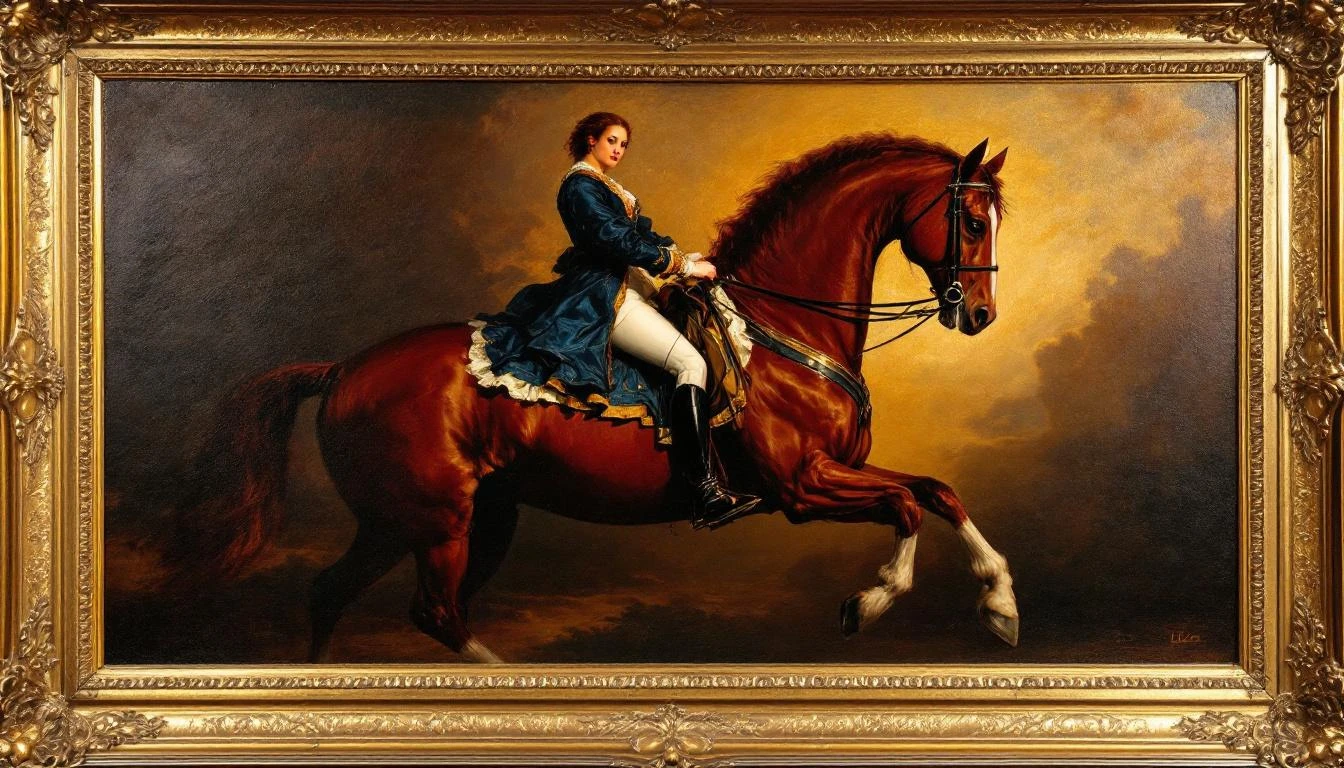
Before we explore tack, apparel, or grooming supplies, let's talk about the gift that captures what really matters. Fable transforms photos into museum-quality custom portraits that honor the bond between horse and rider in a way no mass-produced item ever could.
Picture this. Your rider stands alongside their horse—the one they've trained for years, the one who knows their voice, their touch, their mood before they even enter the barn. Maybe it's the mare who carried them to their first blue ribbon. Maybe it's the gelding who helped them rebuild confidence after a bad fall. Maybe it's the pony their kid outgrew but still visits every weekend. Now imagine that relationship rendered as a Renaissance masterpiece, with the same gravitas and artistry reserved for royalty centuries ago.
That's what Fable does. You upload photos through an incredibly simple process, choose from classical styles like Renaissance, Royal, or Regal, and within days receive a portrait that looks like it belongs in a palazzo. The technology uses advanced AI trained on classical art techniques, but the result feels timeless and hand-painted. It doesn't look digital. It doesn't look gimmicky. It looks like something worth passing down through generations.
Most gift ideas for horse lovers focus on function. Brushes wear out. Blankets get muddy. Boots eventually need replacing. But a portrait from Fable becomes part of the family story. Hang it in the tack room, the living room, or the barn office. Every time they see it, they're reminded of the connection that makes all those early mornings and late nights worthwhile.
The pricing is shockingly accessible too. For around what you'd spend on mid-range riding boots, you get a custom portrait that captures not just the image but the emotion. And if they're shopping for themselves? Even better. Riders rarely splurge on sentimental items for themselves—they're too busy budgeting for vet bills and hay. A self-portrait alongside their horse becomes the exception worth making.
Other gifts celebrate their hobby. This one celebrates their heart.
Personalized leather halter with nameplate
Once you've considered something truly lasting like a portrait, you might still want practical items they'll use daily. A personalized leather halter brings together function and sentimentality in a way generic tack never could.
Quality leather halters start around $80 and climb to $200 depending on craftsmanship. Add a brass nameplate engraved with the horse's name, and suddenly it's not just equipment—it's a declaration. Every time they lead their horse from the paddock, that name catches the light.
Look for full-grain leather rather than bonded alternatives. Full-grain develops a beautiful patina over time. It softens with use but doesn't crack or peel like cheaper materials. The hardware should be solid brass, which resists rust far better than nickel-plated steel. Adjustable crown pieces matter too, especially if the halter needs to fit a growing youngster or accommodate seasonal weight changes.
Some artisans offer custom tooling beyond the nameplate. Floral patterns, geometric borders, or even initials hand-stamped into the leather turn the halter into genuine craftsmanship. These custom pieces take four to six weeks, so plan ahead for birthdays or holidays.
Pair the halter with a matching lead rope if your budget allows. Coordinated sets look sharp at shows and make the barn aisle feel more organized. It's a small touch that demonstrates you understand their world—where presentation matters as much as performance.
Riding boots built to last
Cheap riding boots don't just wear out quickly. They cause blisters, offer poor ankle support, and can actually be dangerous if the tread wears smooth. Horse people know this, which is why they'll use the same pair of quality boots for a decade if they're built right.
Ariat and Tredstep dominate the serious rider market, with tall boots ranging from $300 to $800. The Ariat Heritage Contour II sits around $350 and offers a field boot design that works for both English disciplines and casual riding. Full-grain leather upper, moisture-wicking lining, and a Goodyear welt construction that can be resoled multiple times.

For Western riders, consider the Ariat Heritage Roper at about $200. It's a pull-on style with enough heel to prevent foot slippage through stirrups but still comfortable enough for barn chores. Duratread outsoles provide traction on wet barn floors, and the leather can handle mud, manure, and everything else barn life throws at it.
Paddock boots work for riders who prefer half chaps or who do barn work more than riding. The Ariat Devon III runs around $140 and pairs with any chap style. Elastic side panels make them easier to get on and off after a long day, and the sleek silhouette works for both riding and casual wear.
Sizing gets tricky with tall boots, especially around the calf. Most brands offer regular, slim, and wide calf options. If you're gifting boots, get accurate measurements beforehand—calf circumference at the widest point and height from floor to the bend of the knee. Better yet, include a gift receipt. Nobody wants to ride in boots that pinch or gap.
Boot care products make excellent companion gifts. A horsehair brush, leather conditioner, and boot trees help maintain shape and extend longevity. These small additions show you've thought beyond the initial gift to long-term care.
Personalized grooming kit in a custom tote
Every horse person spends hours grooming. Curry combs remove caked mud. Body brushes bring out natural oils and shine. Hoof picks prevent thrush and stone bruises. Mane combs detangle without breaking hair. It's meditative work that builds trust between horse and handler, and quality tools make it infinitely more pleasant.
A complete grooming kit with personalization runs $60 to $120 depending on what's included. Look for totes made from durable canvas or heavy nylon with reinforced stitching. The best designs include exterior pockets for hoof picks and interior dividers to keep brushes organized. Shoulder straps matter if they haul the kit between multiple horses or travel to shows.
Include these essentials in any grooming kit you assemble. A rubber curry comb with ergonomic grips for working through winter coats. A stiff dandy brush for removing loose dirt and hair. A softer body brush for finishing and adding shine. A metal or plastic hoof pick with a brush attached. A mane and tail comb, ideally one with rotating teeth that reduce breakage. A couple of towels specifically for the horse—never household towels, which might carry detergent residue that irritates skin.
Personalization elevates the whole package. Embroider the horse's name, the rider's name, or their barn name across the front of the tote. Add their initials or a meaningful date like the day they brought their horse home. Some companies offer custom colors matching the rider's barn colors or competition silks.
Premium grooming kits push into the $200 range and include specialty items. Sweat scrapers for post-bath water removal. Shedding blades for spring coat transitions. Detangling spray. Show sheen. Separate brushes designated for face work, since you never want to use the same brush on sensitive facial areas that you used on muddy legs.
This gift works particularly well for new horse owners still building their collection or young riders outgrowing their childhood sets. Experienced horsemen appreciate quality upgrades too—most have been using the same ratty brushes for years because they prioritize their horse's needs over their own comfort.
Equestrian jewelry that's actually wearable
Horse-themed jewelry often leans too literal. Chunky horse head pendants. Glittery horseshoes covered in rhinestones. Pieces so obviously costume that they only get worn to the barn. But elegant equestrian jewelry exists if you know where to look.
The Susan Shaw Horse Bit Toggle Bracelet starts around $80 and features a clean horse bit design in triple-plated 24k gold or sterling silver. It's sophisticated enough for the office but meaningful enough that horse lovers recognize the symbolism immediately. The toggle clasp makes it easy to put on single-handedly, which matters when you're always in a hurry.
Sterling silver horseshoe bracelets run $40 to $60 and tend toward delicate rather than chunky. Look for hypoallergenic materials if the recipient has sensitive skin—barn work already irritates hands enough without jewelry adding to the problem. Many artisans design these horseshoes to incorporate small gemstones at the nail holes, adding color without overwhelming the piece.
Bit cufflinks work beautifully for equestrians who need formal wear for work or events. Around $60 gets you detailed snaffle bits in brushed silver that look professional in any setting. Pairing them with a tie clip featuring a subtle equestrian motif creates a coordinated look for competitions or awards ceremonies.
For something more personal, consider custom silhouette pendants. You submit a photo of their horse in profile, and jewelers create a pendant capturing that exact shape. Prices range from $100 for basic designs to $300 for fine jewelry grade materials. These work exceptionally well as anniversary gifts or milestone celebrations like the horse's birthday or adoption anniversary.
Avoid anything too trendy or overly embellished. Horse people value timeless style because they're practical by necessity. They need jewelry that won't catch on reins, won't tarnish from sweat, and won't look ridiculous outside equestrian contexts. Simple, well-made pieces get worn constantly. Flashy statement jewelry sits in a drawer.
Smart stable gadgets that solve real problems
Technology finally caught up with horse care, and the results actually improve daily management rather than just adding complexity. These aren't gimmicks—they're tools that give horse owners peace of mind and better data for making care decisions.
The Seaver smart girth costs about $350 and monitors heart rate, speed, distance, and jumping metrics during rides. It syncs to a smartphone app that tracks progress over time, helping riders identify fitness improvements or potential health concerns before they become obvious. Competitive riders love the objective data, and casual riders appreciate knowing their horse's condition without guessing.
Automatic waterers prevent dehydration and save countless trips to check buckets. The Nelson Automatic Waterer runs around $80 and connects to existing water lines, filling automatically as the horse drinks. Models with heating elements (around $150) prevent freezing in winter, which matters tremendously in northern climates where breaking ice multiple times daily becomes exhausting.
Barn cameras provide security and monitoring when you can't be there. The Wyze Cam v3 costs under $40 and offers night vision, motion detection, and live streaming to your phone. Mount one in the stall for foaling watch or recovery monitoring after surgery. Mount another overlooking the paddock to check if horses came in from the rain. It reduces anxiety for owners who work long hours or travel frequently.
WiFi-enabled automatic feeders run $200 to $400 but solve real problems for people managing multiple feeding times or dealing with metabolic horses needing carefully controlled portions. The Feed-Smart feeder distributes hay in small portions throughout the day, mimicking natural grazing patterns and reducing boredom-related behaviors like cribbing or weaving.
Hoof boot sensors track steps, activity levels, and movement patterns. Equisense Motion costs around $200 and provides data that helps identify lameness before it's visible, track rehabilitation progress, or simply confirm your horse is moving around the paddock rather than standing in one spot all day. Veterinarians increasingly reference this data during lameness exams, making it medically useful beyond simple curiosity.
These gadgets appeal most to horse owners who already embrace technology in other parts of their lives. If your recipient still uses a paper barn calendar and doesn't trust computers, maybe skip this category. But for the data-driven horseperson, these tools feel like finally living in the future.
Riding apparel that performs
You can't just wear any athletic clothing to ride. Regular leggings slip against the saddle. Cotton gets soaked with sweat and stays wet. Seams in the wrong places cause chafing after twenty minutes of posting trot. Proper riding apparel solves these problems, and quality pieces last for years.
Kerrits breeches dominate the casual rider market, with prices from $80 to $120. The Flow Rise Performance Tight offers a high waist that doesn't gap when you're in riding position, moisture-wicking fabric that actually dries quickly, and a grippy knee patch that helps maintain leg position without the bulk of full-seat designs. They come in patterns and colors beyond basic black—because why shouldn't barn clothes be fun?
Show shirts need to look polished while allowing full range of motion. The Tori Jr. Show Shirt runs about $60 and features cooling fabric with fun trim options that add personality within show ring regulations. Long sleeves protect from sun exposure during outdoor competitions, and the athletic fit doesn't bunch or pull when you raise your arms to adjust your helmet.
Base layers matter more than people realize. SmartWool makes merino wool base layers specifically for riding, around $70, that regulate temperature in both heat and cold. Merino doesn't retain odor the way synthetic fabrics do, which matters when you're spending six hours at a show in the same clothes. The natural stretch moves with you, and the seamless construction prevents saddle sores.
For Western riders, proper show shirts run $50 to $150 depending on embellishment. Look for pearl snaps rather than buttons, tailored fits that work with vests or jackets, and wrinkle-resistant fabrics that travel well. Ariat and Wrangler both make competition-ready shirts that also work for regular riding and barn chores.
Don't overlook riding socks. Regular athletic socks bunch inside boots and cause blisters. Riding-specific socks by Smartwool or Kerrits include reinforced heels and toes, over-the-calf lengths that prevent gaps between boots and breeches, and compression zones that reduce fatigue. They run $15 to $25 per pair, and serious riders often own a dozen pairs because laundry happens less frequently than riding does.
Gloves deserve specific attention too. Summer gloves need breathability and grip without bulk. The Heritage Performance Glove costs around $20 and offers digital fingertips that work with smartphones—because you're definitely going to take riding selfies or text the barn manager mid-ride. Winter gloves need waterproofing and insulation without sacrificing feel. The SSG Winter Riding Glove runs about $40 and keeps hands warm to about 20 degrees Fahrenheit while still allowing you to feel the reins precisely.
Tack room organization that actually works
Most tack rooms look like disaster zones. Bridles piled on top of each other. Saddle pads stuffed wherever they'll fit. Grooming supplies scattered across dusty shelves. Therapeutic wraps mixed with show equipment. It's chaos born from genuine exhaustion, not laziness. After a full day of barn work, putting things away properly falls to the bottom of the priority list.
Quality organization systems fix this problem by making proper storage easier than leaving things in piles. The Dover Tack Trunk runs around $400 and includes separate compartments for show clothes, tack cleaning supplies, and smaller items like spurs or hair nets. Wheels make it easy to load into trailers for competitions, and the locking lid keeps everything secure. Personalize it with their name or barn name engraved on a metal plate.
Wall-mounted bridle racks save enormous amounts of space compared to hook systems where bridles tangle together. The Tack Rack Unlimited modular system costs about $150 for a basic setup and expands as needs grow. Each bridle hangs separately, maintaining its shape and preventing leather from creasing. Labels identify which bridle belongs to which horse—critical when you're managing multiple horses or boarders share space.
Saddle racks need to support the saddle's natural curve without creating pressure points that damage the tree. Portable saddle racks run $30 to $60 and allow you to move saddles easily for cleaning or inspection. Wall-mounted versions save floor space, and models with storage shelves underneath (around $80) provide spots for saddle pads and girths. The Great American Saddle Rack costs about $50 and accommodates both English and Western saddles without modification.
Blanket and sheet storage gets overlooked until you're drowning in seasonal turnout gear. The Schneiders Blanket Storage Bag holds up to four blankets and costs around $30. Mesh panels allow airflow to prevent mildew, and handles make it easy to carry to and from the laundry facility. Hang them on heavy-duty hooks rather than leaving them on the floor where mice take up residence.
Boot and helmet storage solves the problem of wet gear that needs to dry without getting moldy. The Boot Butler runs about $25 and includes a fan that circulates air through tall boots, cutting drying time from overnight to a few hours. Helmet racks (around $15) give helmets a dedicated spot rather than getting tossed on shelves where they might fall and sustain damage that compromises safety.
These organizational gifts work best when given to someone who's mentioned wanting to get their tack room under control but hasn't prioritized buying the systems themselves. You're not just giving them products—you're giving them the structure to maintain order even during their busiest seasons.
Subscription boxes designed for equestrians
Monthly subscription boxes solve the "what do they already have" gift problem beautifully. They're surprises that keep coming, and the best ones include items riders actually use rather than filler that ends up in donation piles.
The Equestrian Collective Box runs about $45 per month and includes full-size riding apparel, horse care products, barn decor, and tack room supplies. Think riding socks, hoof polish, treats, grooming supplies, and accessories. The value typically exceeds what you pay, and it introduces subscribers to brands they might not discover otherwise.
HorseLoverz Mystery Box costs $35 monthly and focuses more on fun than function. Expect horse-themed home goods, jewelry, accessories, and novelty items. It's perfect for younger riders or people who genuinely enjoy collecting horse-related items beyond what they need for practical purposes.
The Equine Gift Box runs $40 per month and splits the difference between practical and playful. Each box includes grooming supplies, small tack items, treats for both horse and human, and usually one piece of apparel or jewelry. They tailor contents based on riding discipline if you provide that information at signup.
Three-month, six-month, or yearly prepaid subscriptions work better as gifts than month-to-month billing that creates ongoing charges. Most services offer gift subscriptions with a card announcing the duration, so the recipient knows exactly what they're receiving and for how long.
Consider pairing the first box with a personalized note explaining why you chose this gift. It shows thought beyond just clicking "purchase" on a subscription service. Something like: "I know you're constantly buying things for your horse and never treating yourself, so here's twelve months of surprises just for you."
The best part about subscription boxes? They solve future gift-giving occasions too. Forgot someone's half-birthday or want to celebrate a show win? The subscription you already purchased covers it.
Books that deepen understanding
Horse lovers read voraciously. Training techniques, veterinary care, breed histories, memoirs from legendary riders—they consume it all. The right book becomes a reference they'll consult for decades or a story they'll recommend to every horse person they meet.
"The Horse Encyclopedia" by DK runs about $40 and covers over 150 horse breeds with detailed photography, history, characteristics, and uses. It's gorgeous enough to display on a coffee table but informative enough to actually reference when researching breeding decisions or just satisfying curiosity about that unusual horse you saw at a trail head.
"Training Strategies for Dressage Riders" by Charles de Kunffy costs around $35 and appeals to serious dressage students. It explains the classical principles behind movements rather than just offering step-by-step instructions, which helps riders understand the "why" that makes training more effective. Even Western riders benefit from these foundational concepts.
"The Soul of a Horse" by Joe Camp is a memoir-style book about the author's journey from knowing nothing about horses to becoming a devoted owner. Around $15 in paperback, it resonates with adult-onset horse lovers who came to the passion later in life. The writing is accessible and honest about the steep learning curve and emotional rewards.
"The Nature of Horses" by Stephen Budiansky explores equine behavior, evolution, and the horse-human relationship from a scientific perspective. At about $18, it's fascinating for anyone interested in understanding why horses behave the way they do. Practical applications emerge from the research—you'll understand spooking, herd dynamics, and learning patterns more deeply after reading it.
"Chronicles of the Horse" coffee table books compile stunning photography from the iconic equestrian magazine. Around $50, these books celebrate the artistry of riding across all disciplines. They're inspirational more than educational, but sometimes you just want to lose yourself in images of magnificent horses and skilled riders.
For younger readers, the "Breyer Animal Collector's Guide" runs about $25 and catalogs the history of Breyer model horses. Kids who grew up collecting these models often maintain affection for them into adulthood, making this a nostalgic gift that connects to childhood passions.
Pair books with a bookmark featuring their horse's name or a leather journal for taking training notes. These small additions show you've thought about how they'll actually use the gift rather than just picking something off a list.
Equestrian home decor with taste
Horse-themed home decor walks a fine line between tasteful and tacky. Decorative horseshoes covered in glitter? Tacky. A subtle bronze horse sculpture on a bookshelf? Tasteful. The difference lies in restraint and quality.
Metal horse sculptures by companies like SPI Home run $80 to $300 depending on size and detail. Look for pieces that capture motion—a rearing stallion, a running herd, a mare and foal touching noses. Bronze, iron, or steel finishes work in most home styles, while brightly painted pieces limit where they can be displayed.
Personalized horse-themed throw pillows bridge the gap between personal and decorative. Companies like Carousel Designs create custom pillows starting around $50 using photos you provide. A pillow featuring their actual horse on the couch feels sentimental without overwhelming the space. New Zealand wool blend options with velveteen backing elevate these beyond typical photo gifts.
Horse art prints from independent artists offer uniqueness that mass-produced posters can't match. Check Etsy or art fairs for watercolor portraits, pen and ink drawings, or mixed media pieces. Prices range from $40 for small prints to several hundred for original artwork. Frame the piece before gifting—it demonstrates commitment to the gift and makes it immediately displayable.
Horse-themed coasters made from oak with detailed engravings cost around $30 for a set of four. They're practical gifts that people actually use while adding equestrian character to coffee tables or home offices. Look for cork backing to protect furniture surfaces.
Vintage stable signs work in rustic or farmhouse-style homes. Reproduction signs run $40 to $80, while authentic antique signs from closed barns command $150 to $400 depending on condition and provenance. These make particularly meaningful gifts for someone who recently bought their first property with land for horses.
Equestrian-inspired candles bring barn scents home in a pleasant way. Hand-poured candles in scents like "Saddle Leather," "Fresh Hay," or "Barn Morning" run $20 to $35 and usually use soy wax for clean burning. They evoke the barn environment without the manure and must aspects that don't translate well to home spaces.
Wall art featuring classical equestrian paintings works surprisingly well in traditional homes. Reproduction prints of George Stubbs paintings cost $30 to $100 depending on size and framing. His anatomically precise horse portraits from the 1700s look like museum pieces because they basically are. This style particularly complements formal portrait styles that emphasize classical artistic traditions.
Experience gifts that create memories
Not everything worth giving comes in a box. Experience gifts create memories and skills that outlast any physical object, and they work particularly well for horse lovers who already have most of the equipment they need.
Private riding lessons with a respected trainer run $60 to $150 per hour depending on location and the trainer's credentials. A package of five or ten lessons gives the recipient concentrated time to improve specific skills without the ongoing commitment of regular training. Look for trainers who specialize in their discipline—a dressage trainer for dressage riders, a cutting horse specialist for Western riders, a jumping coach for eventers.
Trail riding experiences in beautiful locations create adventure without requiring horse ownership. Guided trail rides in national forests, beach rides, or mountain excursions run $80 to $200 for half-day experiences. Multi-day pack trips cost significantly more but offer genuine wilderness adventures on horseback. Make sure the outfitter provides well-trained, calm horses appropriate for the rider's skill level.
Equine massage or bodywork sessions benefit horses and give owners peace of mind about their horse's comfort. Certified equine massage therapists charge $80 to $150 per session. A gift certificate for multiple sessions helps horses recovering from injury or managing chronic conditions. It's a generous gift that demonstrates you care about their horse's wellbeing, not just the rider's interests.
Spectator experiences at major equestrian events let horse lovers see top-level competition in person. Tickets to the Devon Horse Show, the National Western Stock Show, or local hunter-jumper circuits run $20 to $100 depending on seating and day. Combine tickets with travel and lodging for a complete weekend getaway celebrating their passion.
Horseback riding vacations through companies like Equitours offer week-long riding adventures in exotic locations. Costs run $2,000 to $5,000 per person including lodging, meals, and daily rides. These luxury experiences suit milestone celebrations like significant birthdays or anniversaries.
Photography sessions with an equestrian photographer preserve the relationship between horse and rider in professional images. Sessions cost $200 to $600 depending on the photographer's experience and what's included. The best equestrian photographers understand how to work around horses safely and how to capture the moments that matter—the quiet nose touch before mounting, the focus during a jumping round, the pure joy of a gallop in an open field. These photos often become the basis for custom portraits later, creating a connection between different types of gifts.
Clinic attendance with famous clinicians offers intensive learning in a short time. Weekend clinics cost $300 to $800 for participants, less for auditors who watch without riding. Clinicians like Buck Brannaman, Jane Savoie, or Warwick Schiller draw devoted followings and provide insights that riders reference for years afterward.
Premium tack worth the investment
Quality tack isn't cheap, but it lasts decades and can significantly impact both comfort and performance. These are investment pieces that riders often save for years to purchase themselves, making them particularly meaningful gifts.
English saddles represent the largest investment, ranging from $800 for entry-level to $8,000 for custom-made. The Pessoa Gen X VSS runs about $3,000 and offers a versatile close-contact design suitable for both hunters and jumpers. Adjustable tree options accommodate changing horses or a growing horse's development. Proper fitting requires professional guidance—never purchase a saddle without the ability to return it if fitting doesn't work.
Western saddles carry similar price ranges. A quality ranch saddle costs $1,500 to $3,000, while elaborate show saddles push well beyond $5,000 with their intricate tooling and silver accents. Circle Y makes solid working saddles around $2,000 that handle actual ranch work and competitive events equally well. The Flex2 tree design reduces pressure points and accommodates a wider range of horse conformations.
Bridles might seem simpler than saddles, but quality makes a tremendous difference. The Nunn Finer Paola Bridle costs around $400 and features hand-finished leather, padding at pressure points, and elegant buckles that don't sacrifice function for appearance. Matching reins add another $80 to $150 depending on material and style.
Bits deserve careful selection based on the individual horse's needs, but quality bits use better materials and more thoughtful design than cheap alternatives. Sprenger bits, made in Germany, run $60 to $200 and are considered the gold standard for safety and communication. The Aurigan gold alloy encourages mouthing and salivation, improving acceptance and responsiveness.
Girths and cinches get overlooked despite being critical safety equipment. The Total Saddle Fit StretchTec Shoulder Relief Girth costs about $250 and addresses the biomechanical reality that shoulders move when horses move. The design prevents the saddle from restricting shoulder motion, which improves comfort and performance. It's the kind of technical improvement that riders notice immediately but might not prioritize buying themselves.
These premium tack items work best as gifts when you know exactly what the recipient needs. Consult with their trainer or barn manager if possible, and always include gift receipts. Tack fit is too individual to guess correctly every time, and riders will appreciate the ability to exchange for exactly what works for their horse.
Grooming products that make a difference
Cheap shampoo is just soap. Premium equine grooming products contain ingredients that address specific needs—sensitive skin, dull coats, fungal issues, or damaged hooves. The difference shows, and horse lovers notice.
Shapley's Original M-T-G Plus runs about $25 per bottle and solves mane and tail problems caused by rubbing, fungus, or breakage. The combination of sulfur and essential oils promotes hair growth and discourages the itching that causes horses to rub their manes and tails into ratty messes. Results appear in weeks, and one bottle lasts months.
ShowSheen detangler and coat polish costs around $15 for a large spray bottle and remains the industry standard for good reason. It makes brushing easier, adds shine, repels dust and dirt, and helps prevent stains. A quick application before turnout keeps white horses cleaner, and a thorough spray before shows creates that glossy magazine-cover look.
Hooflex Hoof Conditioner runs about $20 per container and addresses the foundation of horse health. Healthy hooves prevent lameness, improve performance, and save thousands in veterinary bills. The lanolin-based formula moisturizes without softening, maintaining the proper balance between flexibility and hardness. Used consistently, it prevents cracking and chipping.
Vetericyn Wound and Skin Care costs around $20 per spray bottle and belongs in every first aid kit. The hypochlorous acid formula cleans wounds without stinging, promotes healing, and doesn't harm healthy tissue. It works on cuts, scrapes, rashes, and hot spots. Having it on hand means treating minor injuries immediately rather than waiting until they become major problems.
Farnam Laser Sheen concentrate makes about 64 bottles when diluted and costs around $20. That's phenomenal value for a product that adds serious shine and detangles effectively. Riders preparing for shows mix it stronger, while daily use at weaker concentrations still provides visible benefits without product buildup.
Mineral Ice gel for horses addresses muscle soreness and inflammation without the prescription requirements of stronger alternatives. Around $18 per container, it provides cool relief for overworked muscles, minor strains, or general stiffness. Massage it into muscles after hard work, and horses visibly relax as the cooling sensation takes effect.
These products might seem like small gifts, but they're the supplies riders use constantly and repurchase regularly. A gift basket combining several premium grooming products at a total cost of $80 to $120 provides months of use and demonstrates attention to the practical details of horse care.
Barn apparel for the actual work
Riding apparel gets attention, but most horse people spend more time doing barn chores than actually riding. Barn clothes need to be durable, washable, comfortable during physical labor, and appropriate for being covered in hay, dust, and worse.

Carhartt and Ariat dominate this category. The Carhartt Full Swing jacket costs around $100 and offers weather resistance, freedom of movement, and durability that survives years of abuse. Reinforced seams hold up when you're carrying hay bales or wrestling reluctant horses into blankets. The relaxed fit accommodates layers underneath for variable weather.
Insulated overalls make winter barn work tolerable. The Carhartt Arctic Bib Overalls run about $180 and include multiple pockets for tools and treats, adjustable suspenders, and quilted arctic-weight insulation rated to well below zero. Pull them over regular clothes, and suddenly feeding in subzero temperatures becomes manageable.
Muck boots changed barn life forever when they introduced fully waterproof boots that don't feel like waders. The Muck Arctic Sport costs around $160 and handles temperatures down to minus 40 degrees. Pull-on style, comfortable for walking, and actually waterproof through standing water and slush. They're not riding boots, but for barn work in wet conditions, nothing beats them.
Summer barn shirts need ventilation and sun protection. Columbia PFG fishing shirts work brilliantly for barn use at around $40. Long sleeves with roll-up options, UPF 50 sun protection, vented panels for airflow, and quick-dry fabric that doesn't get sweat-soaked and stay wet. They're designed for fishing, but barn work and fishing share many of the same clothing requirements.
Barn hoodies become beloved possessions. The Ariat Logo Hoodie costs about $60 and features heavyweight fleece, a kangaroo pocket perfect for storing hoof picks or phone, and a hood that actually stays up in wind. It's the layer they'll wear nearly every day from October through April.
Work gloves protect hands during fence repair, hay hauling, and stall cleaning. Wells Lamont leather work gloves run about $15 per pair and provide real protection without the bulk that makes detailed work impossible. Buy several pairs—gloves disappear in barns with remarkable frequency.
These aren't glamorous gifts. They don't photograph well. But they're the items horse people actually need and wear until they literally fall apart. Practical gifts demonstrate understanding of their daily reality, not just the polished version seen in competition photos or social media posts.
Equestrian art from independent artists
Mass-produced horse art saturates the market—the same silhouettes, the same galloping herds, the same sunset backdrops. But independent artists create unique pieces that capture something more personal and technically skilled.

Watercolor horse portraits by commission run $200 to $800 depending on the artist's experience and the painting's size. You provide photos, and the artist creates an original watercolor capturing your horse's individual character. These aren't the stiff formal portraits of centuries past—contemporary equine artists understand anatomy, movement, and personality in ways that make each piece genuinely special.
Bronze sculptures by artists like Sandy Scott or Deborah Butterfield command prices from $500 for small pieces to tens of thousands for major works, but giclee prints of their sculptures cost $80 to $200 and bring museum-quality art into affordable ranges. Limited edition prints often include certificates of authenticity and artist signatures.
Pencil sketch portraits offer more affordable custom options at $100 to $300. Black and white sketches emphasize the horse's structure and expression without color potentially distracting from the artistry. Frame them in simple black frames for clean presentation that works in any decor style.
Mixed media pieces incorporating found objects, collage elements, or multiple artistic techniques create contemporary art that moves beyond traditional representations. These pieces cost $300 to $1,500 and appeal to collectors who want art that starts conversations rather than just filling wall space.
Photography prints from equine photographers provide another avenue for original art. Limited edition prints signed by photographers cost $150 to $600 depending on size and framing. Action shots of jumping, dressage movements, or working ranch horses capture moments impossible to see with the naked eye—frozen instants revealing the power and grace of horses at peak performance.
Local art shows, equestrian trade fairs, and websites like Artsy or Saatchi Art connect buyers with independent equine artists. The investment supports working artists while giving horse lovers genuinely unique pieces they won't see duplicated in every tack shop and catalog.
This category particularly suits horse lovers who appreciate art generally, not just those who collect horse-specific items. The quality and uniqueness transcends the subject matter, making these pieces legitimate art investments rather than just themed merchandise.
Travel gear for horse show circuits
Competitors spend enormous amounts of time traveling to shows, clinics, and training facilities. Quality travel gear makes those trips less exhausting and helps protect valuable equipment during transport.
The SmartPak Pro Garment Bag costs around $120 and holds show coats, shirts, breeches, and boots in separate compartments that prevent wrinkles and mixing clean with dirty. Reinforced construction survives being thrown in and out of trailers and tack rooms. Wheels make it easy to manage alongside other gear, and the hanging hook works on trailer tack room doors or stall fronts.
Helmet bags protect crucial safety equipment from damage during transport. The Troxel Helmet Bag runs about $30 and includes padding around the helmet shell, a pocket for spare riding gloves or hair nets, and a shoulder strap for hands-free carrying. A damaged helmet is a dangerous helmet, making protection during transport genuinely important.
Boot bags keep expensive riding boots from getting scratched or crushed in luggage. The Ariat Boot Bag costs around $40 and accommodates tall boots, paddock boots, or even winter muck boots. Separate boot compartments prevent them from rubbing against each other, and the sturdy handles withstand repeated use.
Travel tack trunks designed specifically for trailer transport run $300 to $700. The Dover Supreme Tack Trunk includes wheels rated for rough surfaces, lockable latches, and interior organization for bridles, grooming supplies, show clothes, and smaller tack items. It essentially serves as a mobile tack room for people who compete frequently.
Portable saddle racks that fold flat for transport cost $30 to $60 and prevent saddles from being stacked in dangerous configurations during travel. The Great American Saddle Rack collapses to two inches thick but supports full-size Western saddles safely. Toss it in the trailer, set it up at shows, break it down after, and repeat weekly during show season.
Coolers specifically designed for horse show lunches and drinks run $40 to $80. The Yeti Hopper holds enough food for long show days, maintains temperature for hours even in summer heat, and features waterproof construction that shrugs off spills and arena dust. It's technically not equestrian-specific, but horse people appreciate quality gear regardless of its intended market.
These gifts work best for active competitors rather than casual riders. Someone who shows once a year doesn't need dedicated travel gear. But someone on the road every weekend immediately recognizes the value of purpose-built equipment that withstands constant use.
Gifts for the equestrian library
Horse lovers who read constantly need spaces to keep their expanding collections organized and accessible. Library-focused gifts celebrate their intellectual engagement with horsemanship alongside the physical practice.
Personalized leather bookmarks engraved with their horse's name cost around $25 and turn a functional item into a keepsake. Look for full-grain leather that develops patina over time, and ensure the engraving is deep enough to remain legible after years of use. Pair it with a new book as a complete gift.
Custom bookplates let them mark books as their own. A set of 100 bookplates with custom design and their name runs $30 to $50. Equestrian motifs, their barn name, or even a silhouette of their horse makes these functional and personal. They're particularly meaningful for collectors building serious reference libraries.
Bookends featuring horse themes provide both function and decoration. Bronze or metal horse-shaped bookends cost $40 to $120 depending on size and craftsmanship. They support growing collections while adding character to office shelves or home libraries.
Magazine subscriptions to publications like Chronicle of the Horse, Horse & Rider, or discipline-specific magazines run $30 to $60 annually. They provide ongoing content throughout the year, and back issues become reference materials for training techniques or product reviews. Digital subscriptions work for readers who prefer tablets, while print subscriptions create tangible collections.
Leather journal or notebook for training notes costs around $40 for quality options. The horse training process involves constant note-taking—tracking what worked in lessons, recording veterinary observations, planning training progressions. A dedicated journal with an equestrian embossed cover elevates the practical activity into something more intentional.
E-reader cases with equestrian designs protect devices while reflecting their interests. Custom cases run $30 to $50 and work for Kindle, Nook, or Kobo devices. They're practical gifts for riders who download equestrian books and read them during downtime at shows or while waiting for the farrier.
These library-focused gifts work well as smaller additions to larger gifts or as standalone items for horse lovers who already have extensive equipment collections. They acknowledge that horsemanship involves intellectual growth alongside physical skill development.
Safety equipment that deserves upgrading
Safety gear saves lives, but riders often use the same helmet for a decade or wear ancient safety vests that don't meet current standards. Gifting updated safety equipment demonstrates you care about their wellbeing and understand the risks inherent in riding.
Modern riding helmets cost $60 to $400 depending on safety certifications and features. The Troxel Liberty meets ASTM/SEI standards and costs around $60—affordable protection for casual riders. The Samshield Shadowmatt runs about $400 and includes premium ventilation, luxurious comfort, and the same certifications plus additional European standards. Matte finishes look sharp in competition photos and resist showing wear.
MIPS technology (Multi-directional Impact Protection System) reduces rotational forces during certain impacts. Helmets with MIPS cost $100 to $250 and include brands like Charles Owen and One K. The added protection makes sense for riders who jump, ride young horses, or engage in faster-paced disciplines.
Safety vests protect the spine, ribs, and internal organs during falls. The Tipperary Eventer Pro runs around $200 and meets ASTM standards for protective vests. Lightweight design makes it tolerable even in summer heat, and the low-profile cut allows freedom of movement without the bulkiness of older vest designs.
Airbag vests represent the newest evolution in rider safety. Point Two and Hit-Air make vests costing $400 to $800 that inflate within milliseconds of a fall, providing significant impact protection. Tethers connect to the saddle, and when the rider separates from the horse, the tether triggers CO2 cartridge inflation. Replacement cartridges cost $30 to $50, making these ongoing investments rather than one-time purchases.
Riding gloves with grip actually prevent accidents by keeping hands from slipping on reins during unexpected movements. The Roeckl Chester glove costs about $40 and offers thin enough material for feel while providing silicone grip surfaces where it matters most. They work in all weather and wash without degrading.
Stirrup designs increasingly emphasize safety through breakaway or wide-footbed features that prevent feet from getting stuck during falls. The Jin Stirrup costs around $300 and offers a minimal cage design that releases boots quickly while still providing support during normal riding. They're particularly valuable for riders who use longer stirrups in disciplines like dressage, where feet can slide deep into traditional stirrups.
Replace helmets after any impact and at minimum every five years regardless of visible wear. The materials degrade over time even without obvious damage. Gift receipts matter tremendously with safety equipment—proper fit isn't optional, and different brands fit different head shapes. Never compromise safety for appearance or cost.
Vintage equestrian collectibles
Horse enthusiasts who appreciate history often collect vintage items that connect them to equestrian traditions spanning centuries. These aren't practical gifts—they're pieces of riding culture worth preserving and displaying.
Vintage horse brasses originally decorated working horses' tack in Victorian England. Authentic pieces cost $30 to $150 depending on rarity and condition. Mounted on leather straps or displayed on walls, they add historical character to tack rooms or home offices. Look for clear stampings indicating original manufacturers rather than modern reproductions.
Antique riding crops and whips appear in estate sales and antique shops for $40 to $200. Silver handles, leather wrapping, and hallmarks from known makers increase value. These are display pieces rather than functional equipment—modern standards for humane riding make vintage whips inappropriate for actual use, but they represent interesting historical artifacts.
Vintage equestrian books and manuals offer windows into how riding was taught and practiced in previous eras. First editions of important works by Xenophon, Federico Grisone, or Alois Podhajsky cost hundreds to thousands of dollars depending on condition. More common vintage riding manuals from the mid-20th century run $20 to $80 and make fascinating reading for modern riders comparing methodologies.
Old stable signs, farrier's tools, and barn equipment appeal to collectors decorating horse properties or tack rooms with authentic period pieces. Authentic signs from closed stables or breeding farms cost $100 to $500, while reproduction signs mimicking vintage aesthetics run $40 to $100. Farrier tools make interesting displays when mounted on boards showing the evolution of horseshoeing equipment.
Vintage horse show ribbons and trophies sometimes appear at estate sales when families disperse collections. These work best when they have specific provenance—named horses, known show grounds, or connections to equestrian families with documented histories. Generic vintage ribbons cost just a few dollars, while those with interesting backstories can command premium prices.
Equestrian art prints and posters from the Golden Age of illustration offer affordable vintage art. Reproductions of classic hunt scenes, racing prints, or cavalry illustrations cost $30 to $100 depending on size and framing. Original vintage prints from the early to mid-1900s cost significantly more but provide genuine period pieces rather than reproductions.
These collectibles appeal most to horse lovers who already have practical equipment covered and enjoy the history and culture surrounding equestrian sports. They're conversation pieces that connect current riders to centuries of horsemanship tradition.
Sustainable and eco-friendly options
Environmental consciousness increasingly shapes purchasing decisions, and equestrian companies now offer sustainable alternatives to conventional products. These gifts demonstrate awareness of both the recipient's passion and their values.
Recycled rubber stall mats reduce environmental impact while providing safer, more comfortable footing for horses. Companies like Rubbermaid create mats from recycled tires, selling them for $40 to $80 per mat depending on thickness. A set of enough mats to outfit a stall costs $300 to $500—a significant investment that lasts decades and keeps tires out of landfills.
Natural fiber grooming brushes use bamboo, wood, and boar bristles rather than plastic and synthetic materials. These biodegradable brushes cost $15 to $30 each but work as well as conventional options while eliminating plastic waste. Complete eco-friendly grooming kits run $80 to $120 and include brushes, hoof picks with wooden handles, and storage bags made from recycled materials.
Organic horse care products avoid synthetic chemicals that can irritate skin or damage ecosystems when they wash into ground water. Espana Silk specially formulated shampoo and conditioner costs around $25 per bottle and uses organic ingredients while still providing the cleaning power and shine riders expect. Natural balms for wound care, hooves, and skin conditions increasingly compete with conventional products on effectiveness.
Reusable water bottle systems replace disposable bottles at shows and training facilities. Insulated bottles by Hydro Flask cost around $40 and keep water cold for 24 hours. Pair it with a custom engraving of their horse's name to make it personal and less likely to get lost in the chaos of show grounds.
Solar-powered fence chargers eliminate the need for electrical connections or disposable batteries for electric fencing systems. The Zareba Solar Fence Charger costs around $130 and provides reliable fencing power while reducing energy consumption. They work particularly well for remote pastures where running electrical lines isn't practical.
Biodegradable poop bags for horse properties might seem too practical to be gifts, but environmentally conscious horse owners genuinely appreciate them. Bulk purchases of compostable bags cost around $40 for 500 bags and handle the reality of horse property maintenance while eliminating plastic waste.
Recycled materials tack like saddle pads made from recycled water bottles or girths using reclaimed rubber show that sustainable options don't require compromising quality. These products often cost the same as conventional items while offering environmental benefits. The Ecogold Saddle Pad runs around $200 and uses recycled materials in shock-absorbing foam that protects horses' backs while reducing environmental impact.
Budget-friendly options under fifty dollars
Not every meaningful gift requires major investment. These options stay under fifty dollars while still demonstrating thoughtfulness and understanding of equestrian life.
Horse treat bags attach to belts or hang in tack rooms, keeping treats accessible during training sessions. The Classic Equine treat pouch costs around $15 and includes a drawstring closure and belt clip. Fill it with homemade horse treats or premium purchased options, and you've created a complete gift package under thirty dollars.
Hoof pick keychains ensure riders always have a hoof pick available even when they're away from the barn. These small stainless steel tools cost $8 to $15 and prevent having to borrow picks or use makeshift tools for emergency cleaning. Attach it to car keys so it's available during trail riding trips or impromptu barn visits.
Microfiber towels specifically for horse grooming dry quickly, resist mildew, and absorb tremendous amounts of water. A pack of six costs around $20 and handles everything from wiping sweaty faces to buffing coats to final shine. They wash and dry faster than cotton towels and take up less space in already crowded tack rooms.
Horse-themed coffee mugs allow daily use of gifts rather than having items sit on shelves. Look for quality ceramic with clever equestrian humor or beautiful horse photography. Mugs cost $12 to $25, and pairing one with specialty coffee beans or tea creates a complete package under forty dollars.
Phone mounts designed for barn use keep devices accessible but protected from dust and moisture. The Quad Lock case and mount system runs about $45 total and allows riders to film training sessions, reference exercise diagrams, or simply keep their phone safe while doing barn chores. The mount attaches to trailer walls, tack room surfaces, or arena fencing.
Braiding supplies for show preparation include yarn, bands, braiding combs, and needles. A complete braiding kit costs $25 to $40 and makes show morning preparations significantly easier. These consumable supplies constantly need replacing, making them perpetually useful gifts.
Fly masks protect horses' eyes and faces from insects during turnout. Quality fly masks with UV protection cost $20 to $40 depending on coverage area and features. They're practical necessities that wear out seasonally, so fresh masks are always welcome. Choose colors matching the horse's coloring—light colors for dark horses to reflect heat, dark colors for light horses to avoid staining.
These budget-friendly options work well as stocking stuffers, office gift exchanges, or supplementary items accompanying larger gifts. The key is choosing items riders actually use rather than decorative objects that create clutter.
Luxury gifts for milestone celebrations
Some occasions deserve exceptional gifts—championship wins, major birthdays, retirement celebrations, or achieving long-pursued goals. These luxury options mark genuinely significant moments.
Custom-made tall boots from companies like Konig or Dehner cost $1,500 to $3,000 and require precise measurements of legs and calves. The boots arrive perfectly fitted and can be resoled multiple times, potentially lasting a lifetime. The quality difference between custom boots and off-the-rack options is immediately apparent in comfort, appearance, and durability.
Week-long riding clinics with world-renowned trainers cost $2,000 to $5,000 including instruction, lodging, and meals. Training with someone like Charlotte Dujardin, Ingrid Klimke, or other international competitors provides intensive learning compressed into days that would normally require months of weekly lessons. These experiences change how riders understand and practice their discipline.
High-end saddles from Butet, CWD, or Hermes represent the absolute pinnacle of saddle making. Prices start around $5,000 and extend well beyond $10,000 for fully custom options with specialty leather and fittings. These saddles balance artistry with biomechanics, creating equipment that looks museum-worthy while improving both rider and horse performance.
Horse ownership itself might be the ultimate luxury gift. A well-trained horse costs $5,000 to $50,000 depending on breed, training level, and competitive success. This isn't a casual gift—horse ownership requires ongoing expenses of $300 to $1,000 monthly for boarding, feed, veterinary care, and farrier service. But for someone who's dreamed of ownership their entire life, few gifts carry more significance.
Trailer upgrades or complete new trailers serve horse owners who travel regularly. Used trailers start around $8,000, while new trailers with living quarters cost $40,000 to $100,000. Even partial funding toward a trailer purchase makes a meaningful luxury gift for families who compete together.
Commissioned bronze sculptures of their specific horse create permanent artworks celebrating the relationship. Sculptors charge $8,000 to $30,000 for life-size or large-scale works that require multiple sessions photographing and measuring the horse. The resulting bronzes become estate pieces passed through generations, commemorating horses who shaped families' lives.
Week-long riding vacations at destinations like Iceland for pony trekking, Ireland for cross-country riding, or Wyoming for cattle drives cost $3,000 to $7,000 per person. These immersive experiences combine travel with riding, creating adventures focused entirely on equestrian activities in stunning locations.
Luxury gifts work best when they align with specific achievements or milestones rather than arriving without context. The investment feels appropriate when it marks genuinely significant moments in someone's equestrian journey.
The gift that keeps giving
Every category covered here offers ways to celebrate horse lovers' passion. Practical items support their daily routines. Luxury pieces mark achievements. Experiences create memories. Books deepen understanding. Art beautifies spaces.
But the gifts that truly resonate acknowledge the emotional core of why people love horses in the first place. It's not about equipment or activities. It's about relationships that transcend species barriers. Horses see us without judgment. They respond to who we are in the moment, not our credentials or accomplishments. They offer partnership based on trust rather than obligation.
The best gifts recognize that depth of connection. A custom portrait from Fable captures it visually, transforming everyday photos into artwork worthy of the relationship. Quality tack protects and enhances the physical partnership. Books provide knowledge that improves care and communication. Experiences create shared memories that strengthen bonds.
When you're selecting gifts for horse lovers, consider what aspect of their passion you're celebrating. Daily barn work? Choose durable apparel and quality grooming supplies. Competitive success? Training sessions or show travel gear honor that dedication. The simple joy of being around horses? Art, books, or experiential gifts feed that emotional connection.
Horse people often prioritize their animals above themselves, spending money on veterinary care before personal luxuries. Gifts that nudge them toward self-care alongside horse care show genuine understanding. They deserve riding boots that don't cause blisters. They deserve apparel that performs well. They deserve art that beautifies their space. They deserve recognition that their passion matters.
The equestrian community includes everyone from weekend trail riders to Olympic competitors, from young children just learning to retired people who've spent lifetimes around horses. The common thread is love for these animals and appreciation for the unique challenges and rewards of working with them. Any gift acknowledging that shared passion connects you to that broader community.
Choose gifts that either solve real problems or celebrate genuine achievements. Avoid generic horse-themed merchandise that could apply to anyone with passing interest. Look for quality over quantity, meaning over mass appeal. Horse lovers recognize authentic understanding when they see it.
And when you give these gifts, include a note explaining your choice. Why this portrait captured your imagination. Why you thought they needed quality boots. Why this book seemed perfect for where they are in their riding journey. The thought behind the gift matters as much as the gift itself.
Consider starting with a custom portrait from Fable. Upload their favorite photos, select a classical style, and give them artwork that honors the relationship at the center of their world. It's personal without being overly sentimental. It's permanent without being perishable. It's meaningful in ways most gifts never achieve.
Browse the portrait styles at Fable and imagine their horse rendered in Renaissance elegance. Picture their face when they unwrap something that elevates their relationship with their horse into fine art. That's the kind of gift horse lovers remember.
Frequently asked questions
What do you get someone who owns horses?
Focus on items they need but won't buy themselves. Quality grooming supplies, premium riding apparel, or a custom portrait from Fable celebrating their horse all work well. Avoid generic horse decorations and choose functional gear or genuinely meaningful keepsakes instead.
How much should I spend on gifts for horse lovers?
Budget matters less than thoughtfulness. A fifteen-dollar hoof pick keychain shows understanding if chosen deliberately. A three-hundred-dollar custom portrait creates lasting impact. Most meaningful gifts fall between fifty and two hundred dollars, balancing quality with accessibility. Match spending to the occasion and your relationship rather than arbitrary price points.
Are experience gifts good for equestrians?
Experience gifts work beautifully for horse lovers who already have equipment. Private lessons, trail riding adventures, or clinic attendance creates memories and improves skills without adding to their collection of physical items. Choose experiences matching their skill level and discipline preferences.
What gifts work for young horse-crazy kids?
Breyer model horses, horse-themed books, riding lessons, and beginner grooming kits all suit young equestrians. Focus on items encouraging the passion while being age-appropriate for their current involvement level. A Breyer model costs fifteen dollars and creates hours of imaginative play, while riding lessons invest in genuine skill development.
Can I give tack as a gift if I don't know exact sizes?
Include gift receipts with any tack gifts where fit matters. Boots, helmets, and saddles require precise fitting that you can't guess accurately. Grooming supplies, blankets, and accessories work better as surprise gifts since sizing isn't critical. Consult with trainers or barn managers for specific needs if possible.
What are good gifts for horse lovers who don't own horses?
Art, books, apparel, jewelry, and experience gifts all work for people who love horses but don't own them. A custom portrait featuring them with a beloved lesson horse honors their connection even without ownership. Riding lessons, books about horse care, or beautiful equestrian photography celebrate their passion regardless of ownership status.
Do horse people actually want more horse-themed items?
Quality matters more than quantity. Horse lovers appreciate items that are well-made, functional, or genuinely artistic. They don't need another cheap figurine or mass-produced decoration. Choose items they'll actually use or display with pride rather than adding to collections of generic merchandise.
What safety equipment makes good gifts?
Helmets, safety vests, and quality riding gloves all qualify as safety equipment worth gifting. Always include gift receipts since proper fit is critical for safety gear. MIPS helmets and airbag vests represent newer technologies many riders haven't upgraded to yet, making them particularly meaningful gifts.
Related guides you might find helpful
Looking for more specialized gift ideas? These guides cover adjacent interests and occasions:
Gift ideas for photographers explores presents for people who capture equestrian moments through the lens
Anniversary gift portraits explains how custom artwork celebrates relationship milestones
Gift ideas for artists covers supplies and inspiration for equestrians who also create art
Pet portraits details commissioning custom artwork of beloved animal companions
Family gift ideas for whole family suggests presents bringing everyone together around shared interests
Sources
Research for this guide drew from industry analysis, market data, and equestrian retail trends:
Equestrian Industry Statistics - Market Data Report 2026
R.J. Classics Equestrian Gift Guide
Kerrits Gift Ideas for Horse Lovers
The best gifts aren't bought. They're created. They capture a moment, a feeling, a piece of someone you love. Start creating yours and give something worth keeping forever.