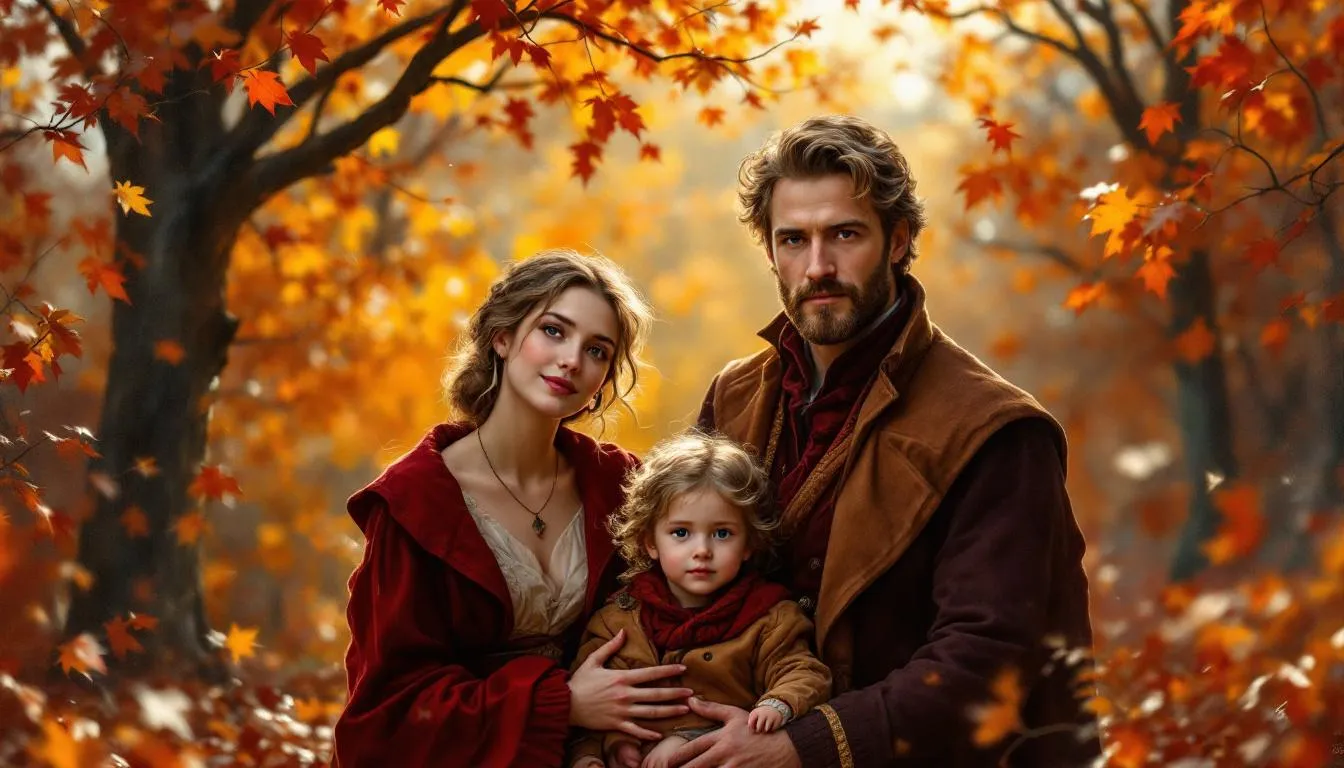
Fall family portrait ideas: the complete guide
Every fall, families race against a clock most people don't realize is ticking. The leaves start to turn. The light shifts warm and low. And somewhere between now and the moment those leaves hit the ground, there's a window of roughly three weeks to capture it all before the trees go bare and the season disappears.
That's why fall family portrait ideas generate more searches in September and October than almost any other photography topic. Everyone knows fall looks incredible in photos. What most people don't know is how to make those photos count: how to pick the right location, coordinate outfits that don't look forced, keep kids happy through the whole thing, and turn one afternoon in a park into something the family will actually hang on the wall.
This guide covers all of it. From the golden hour window that photographers fight over to the specific color palettes that work best against autumn leaves. From what to say to a five-year-old who refuses to smile to how to turn your best fall photo into a piece of art your grandchildren will inherit. Start, though, with the one idea that sets everything else on this list apart.
Start here: the portrait that outlasts the season
Photographs fade. Not fast, but they fade. A framed print on a wall gets washed out by years of light. A file on a phone gets buried under hundreds of newer files. Even the best family photo, the one where everyone's laughing and the light is perfect and your daughter is wearing that burgundy sweater she loves, eventually becomes something you look at rather than something you feel.
A painted portrait from Fable is different.
What Fable creates isn't a filter or a photographic edit. It's a genuine work of art, painted in classical styles including renaissance, baroque, and old master, that transforms your family photo into the kind of portrait meant to hang in a home for generations. The kind you don't stick behind a door or swap out when the season changes.
Think about the family portraits you've seen in old houses. The ones that hang above staircases and over fireplaces. The ones that carry weight. They weren't taken with a camera. They were painted. And the families in them look important, not because of how they were dressed, but because someone took the time to create something that said: these people matter. This family is worth remembering.
That's what Fable's family portrait service does. You supply the photo, the one from your fall session where the light is gold and everyone actually looks happy, and Fable turns it into an oil-style painting worthy of a gallery wall. You can see exactly how it works before you book a photographer. Check the pricing page to understand what's possible and what it costs.
Because the goal of fall family portrait ideas isn't more photos in a folder. The goal is one image, made right, that outlasts you.
Why fall is the best season for family portraits
There's no objectivity in this claim, but there's plenty of evidence. Ask any professional photographer which season fills their calendar first and the answer is almost always fall. The reason isn't just the leaves, though the leaves help.
Fall gives you something summer can't: cooperation from the light. In June, the sun sits high and harsh all afternoon, blasting flat light that flattens faces and makes everyone squint. By October, the sun stays low all day. It enters the frame at an angle. It goes warm. And in the hour before sunset, it turns everything golden in a way that would take a film editor hours to achieve in post-production.
The temperatures drop, which means kids aren't overheated and fussy. Dogs have energy instead of melting on the grass. Adults can actually wear clothes that look good instead of the thinnest possible fabrics.
And then there's the color. Every fall location, from a backyard to a state park, becomes its own studio backdrop. Browns, rusts, reds, yellows, oranges: a palette that makes earth-toned clothing pop and warm skin tones glow. These are the tones that make family portraits look like something painted, even when they're photographed.
The window, though, is genuinely short. Leaves peak at different times in different regions: as early as late September in northern states, as late as early November in the South. But the window between peak color and bare branches is typically three weeks or less. If you want crimson maples behind your family and not gray sticks, you're planning now and you're booking early.
For families doing a kids portrait session in fall, the timing pressure is even higher. You're already working around school schedules, soccer games, and the fact that children's moods are not under your control. Add a three-week color window and you understand why fall family photographers book out weeks, sometimes months, in advance.
The best locations for fall family portraits
Where you shoot matters more than almost any other decision you'll make. The right location is one part backdrop, one part logistics. Beautiful trees with no parking, no shade, and a two-mile hike from the trailhead is not a great choice when you have three kids under eight.
Here's how to think about location selection:
Apple orchards
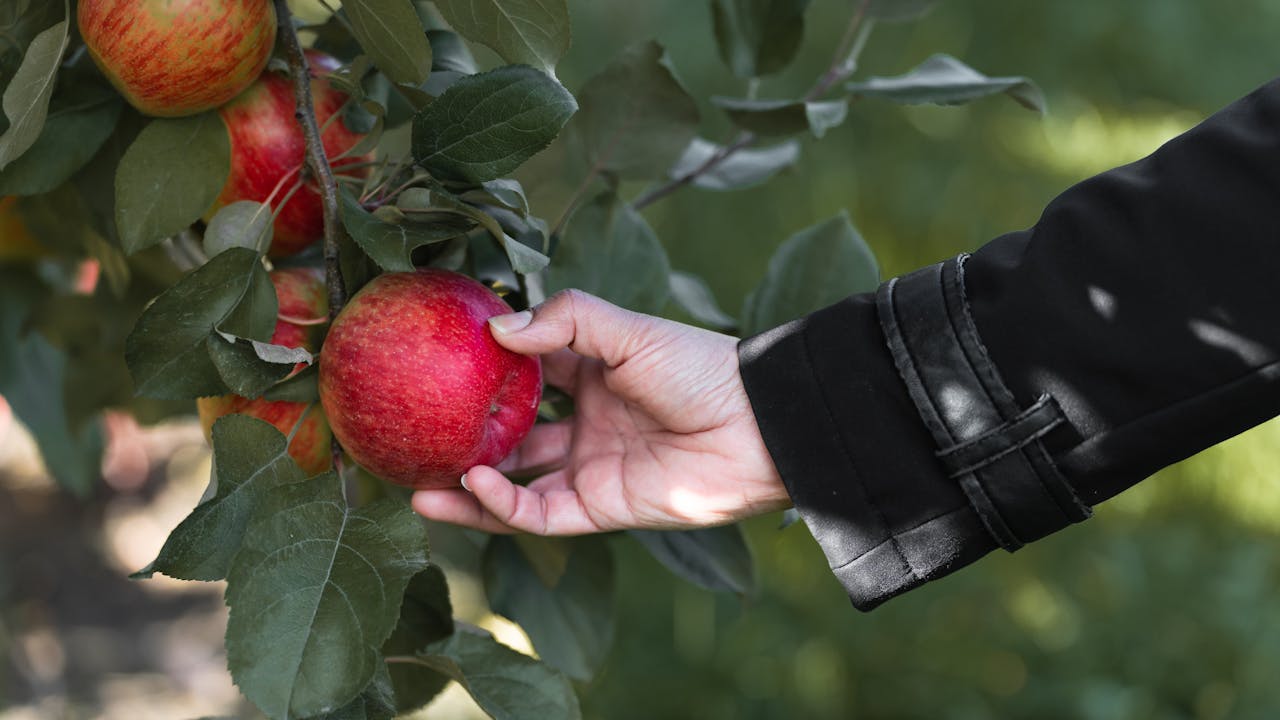
Apple orchards are the most consistently reliable fall portrait location. They're designed for visitors, so they have paths, open areas, and natural light. The apple trees don't explode with color the way maples do, but the warm russet and green hues of the trees, combined with the ground cover of fallen leaves, make them endlessly flexible as backdrops.
Kids behave better in orchards. There's something to do: pick an apple, carry a basket, run between the rows. That natural activity creates natural photos. An orchard gives you the fall aesthetic without requiring perfect foliage timing.
Pumpkin patches
Pumpkin patches offer similar logistical advantages with more saturated color. The bright orange of pumpkins against a family in deep greens, burgundies, or mustard yellows is a classic fall portrait combination. The visual weight of pumpkins also grounds a scene in a way that makes even minimal posing look deliberate.
Wooded parks and forests
State parks, nature preserves, and wooded urban parks deliver the most dramatic fall foliage. Hardwood forests, including maple, oak, birch, and aspen, turn brilliant colors that make every shot feel cinematic.
The challenge with wooded locations is light. Dense tree cover can kill a photo. You want dappled light or open clearings, not the dark tunnel effect of old-growth forest at midday. Scout your location in fall, not summer, to see what the light actually does there in October.
Open fields and meadows
An open field with a treeline in the background is a portrait photographer's dream. You get the open sky for light control, the colorful trees as backdrop, and room to move. If your family has a dog, and this is a strong reason to include one, open fields let the dog run without leash laws complicating the shot.
Families who want to include their pets should also look at pet family portraits for specific ideas on making dogs and cats part of the fall session. The dog portraits guide also has useful context on photographing dogs well.
Your own backyard or neighborhood
Don't overlook what's immediately available. A backyard maple at peak color, a front door flanked by mums, or a neighborhood sidewalk covered in leaves can all produce beautiful portraits. The comfort of a familiar environment makes kids and babies more relaxed than any exotic location.
Historic properties and farmsteads
Old barns, stone fences, covered bridges: these weathered structures were made for fall light. The texture of old wood against the smooth skin of a baby, or the depth of a stone wall behind a family in soft neutrals, creates visual contrast that makes a portrait look painted. This is especially true when you later turn that photo into an actual painted family portrait.
What to wear: outfit ideas for fall family photos
Outfit coordination is what families stress about most before a portrait session. And for good reason. Wrong outfits and the most technically perfect photo feels off. Right outfits and even an imperfect photo has warmth.
The single most important principle: coordinate, don't match.
Matching, where everyone wears identical sweaters or the same color in different sizes, looks costume-y and dated. It says "we planned this" in a way that removes the naturalness from the portrait. Coordinating means everyone's in the same color family or complementary tones, wearing their own version of the palette, looking like a family rather than a sports team.
The fall palette
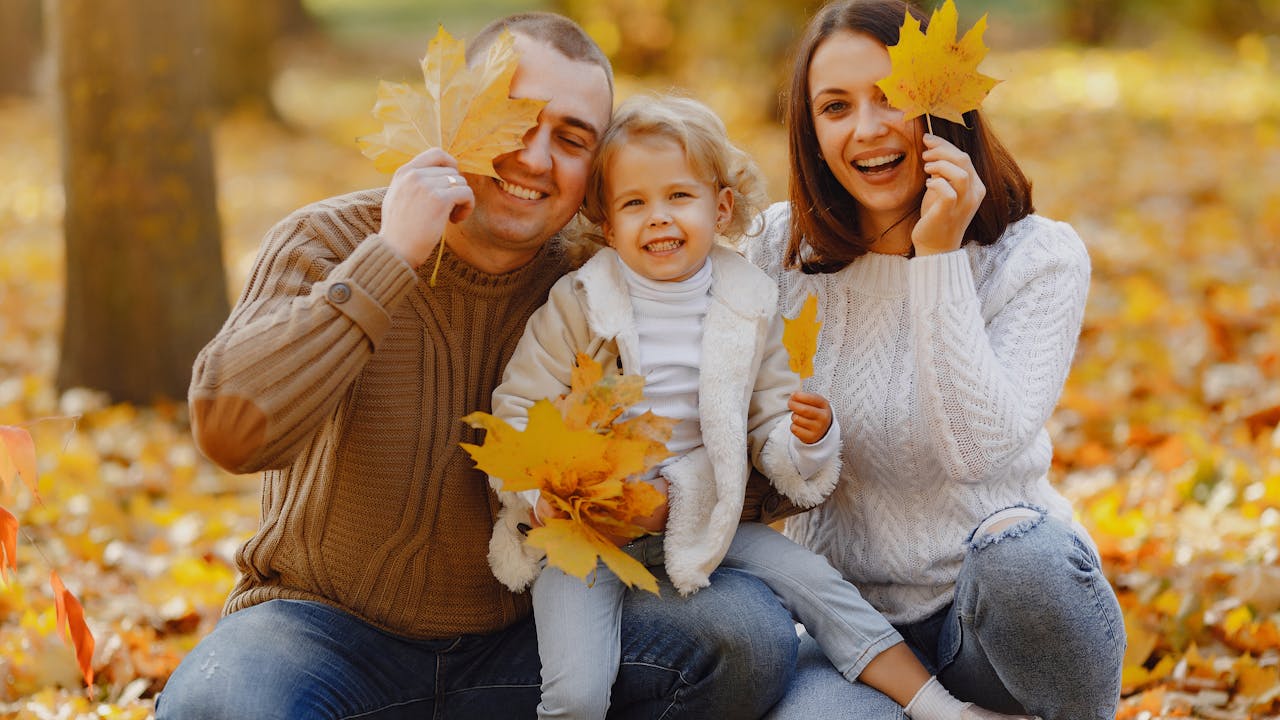
The dominant trend in fall family portrait outfits is softer, warmer, and earthier. Deep burgundy, warm rust, mustard yellow, olive green, caramel brown, and soft cream. Not the neon orange or bright red that defined fall photos a decade ago. Think of the tones of a dried wildflower bouquet or a sun-bleached wooden porch.
Build your palette around two focal colors and two to three grounding neutrals. A family of four might have: mom in burgundy, dad in caramel, one child in olive green, and another in cream. The colors are all warm, none of them clash, but they're each distinct.
For family portraits that will later become paintings, this kind of considered palette matters even more. Classical oil paintings have always used rich, warm color harmonies. A family that shows up in burgundy and cream looks like they were dressed for a portrait sitting, not just a Saturday outing.
Texture over pattern
Fall is the season for texture. Chunky knit sweaters, corduroy pants, flannel shirts, wool coats, denim jackets, velvet dresses. In a photograph, texture creates depth and visual interest that flat fabric doesn't. A family in solid-color textured pieces will almost always look better than the same family in patterned fabrics.
Avoid busy patterns entirely. Plaid, large florals, and graphic prints compete with the fall landscape instead of harmonizing with it.
Layers add life
Layers serve two purposes in fall portraits. First, they look good. A blanket scarf, an open flannel over a solid tee, a denim jacket with a chunky sweater underneath: these combinations create the impression of a life lived in a season, not an outfit assembled for a photo.
Second, they give you flexibility. If November decides to feel like October, you can remove a layer. If October decides to feel like December, you can add one.
Footwear matters more than people think
In a full-length or three-quarter portrait shot, what's on people's feet is clearly visible. Ankle boots, leather boots, and classic sneakers all work. Athletic shoes and flip-flops pull the eye and undercut the intentionality of everything else.
For children especially, sturdy shoes they can actually run in keep sessions moving. A toddler in uncomfortable dress shoes will let you know about it.
For a kids portrait session, prioritize comfort over style. A happy, comfortable kid who looks a little casual photographs better than an unhappy, overdressed kid every single time.
Dressing babies and toddlers
Babies and very small children don't need to match the family. A baby in cream or white against a family in warm earth tones is a classic combination. It works partly because it creates a visual focal point and partly because it's authentic to how families actually dress babies.
Keep toddlers in soft, comfortable fabrics they've worn before. New clothes with tags and scratchy seams will derail a session faster than anything else.
Best time of day: how to use fall light
Light is everything in portrait photography. Fall gives you better light more often than any other season, but only if you know when to show up.
Golden hour
Golden hour is the 45-60 minutes before sunset. In fall, the sun angle is already low, which means the light during this window is especially warm and soft. The reddish-golden tones complement fall foliage in a way that makes photos look lit by a studio even when they're lit by nothing but sky.
In September, you're shooting around 7:00-7:30 pm. By October, you're at 6:00-6:30 pm. By November, after the time change, sessions can start at 4:30 pm and finish before 5:30. For families with young children, this is actually ideal. Late afternoon coincides with post-nap, post-snack, peak mood.
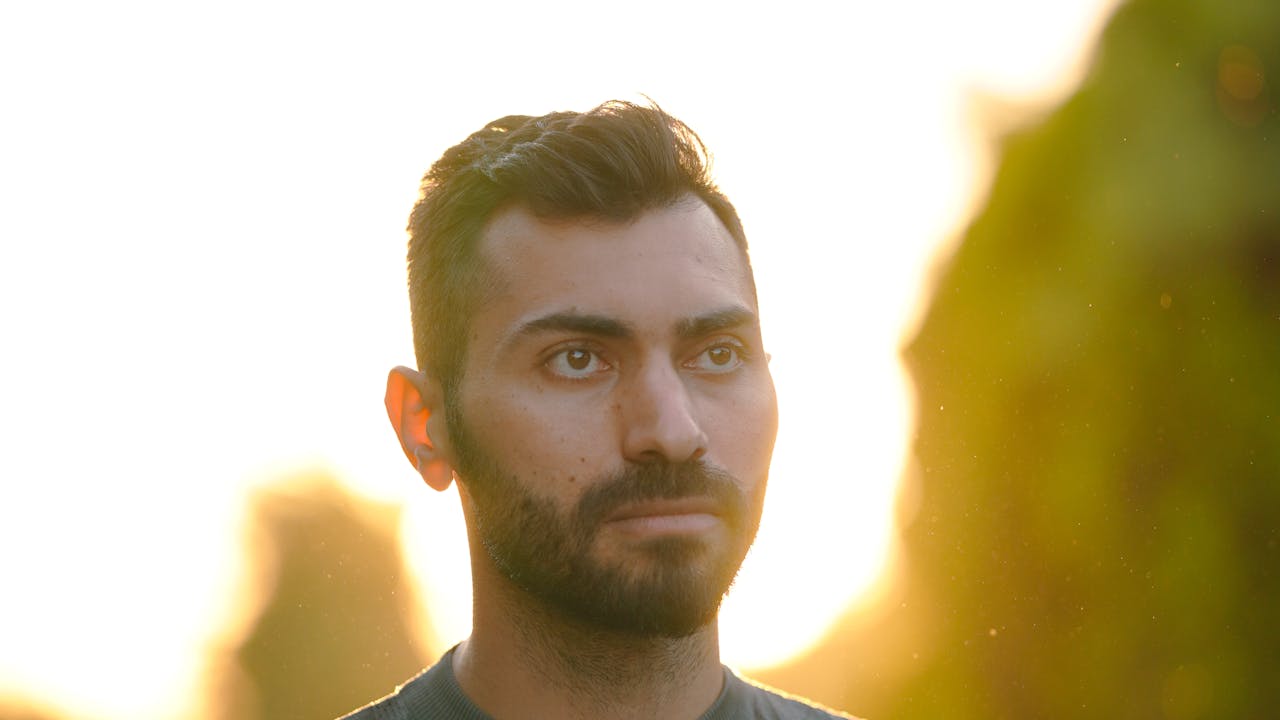
The lower sun angle also affects what the fall foliage looks like. When you're shooting during golden hour in October, the afternoon sun backlit through amber and red leaves creates a glow effect that no filter comes close to replicating. This is the light that makes fall family portraits look like paintings. And it's the light that makes your best fall photo a candidate for an actual painted family portrait.
Overcast days
Cloudy skies act like a giant diffuser. The light becomes even and soft, with no harsh shadows and no squinting. Many photographers prefer a bright overcast day to clear blue sky, especially for skin tone accuracy and shadow depth.
If your fall portrait session is scheduled on a slightly cloudy day, don't reschedule. The light might be better than you hoped.
What to avoid
Midday light is harsh. Shadows fall straight down from facial features. Eyes appear deep-set. Colors bleach out. Even fall's lower sun angle doesn't fully fix midday: 11 am to 2 pm is the least desirable window for portrait work.
Direct sun without shade creates the same problems. If your gorgeous apple orchard has no shaded areas and you're shooting at noon, you'll fight the light the whole session.
Posing ideas for fall family portraits
Posing is the element of fall family portrait ideas that most families overthink before the session and forget entirely during it. The best poses happen when families are given things to do rather than things to hold.
The movement brief
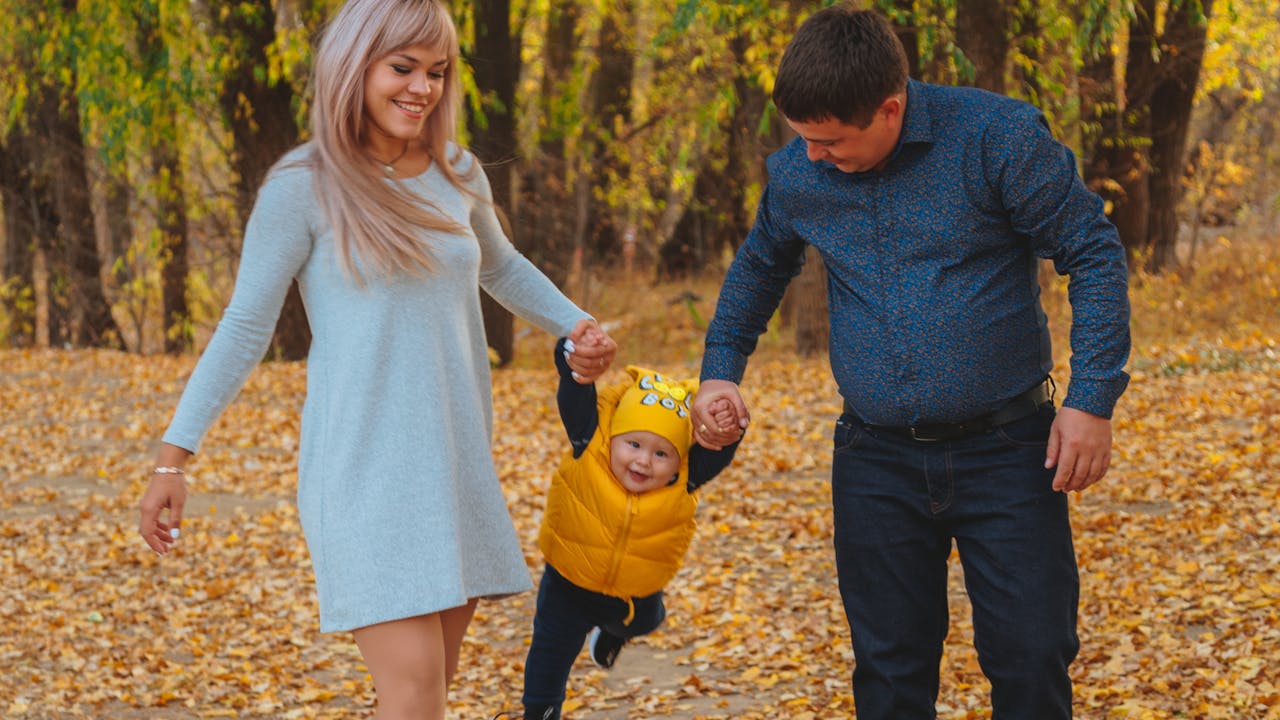
Tell your family to walk toward the camera. Then walk away from it. Throw leaves. Spin a child. Piggyback ride. Carry a pumpkin together. These activities create natural body positions, real expressions, and the kind of casual physicality that a staged pose never achieves.
Movement shots keep kids engaged. A four-year-old who has been asked to stand still and smile for eight minutes is done. A four-year-old who's been asked to throw as many leaves as they can at dad will go another twenty.
Connection over composition
The technical pose matters less than the physical connection between family members. Arms around waists. Heads leaning together. A toddler perched on a hip. Parents holding hands while kids run between them. These connections show up in the final image in ways that transcend any particular composition.
When family members are genuinely touching each other in a relaxed way, the resulting photo reads as warm and real. When everyone is standing near each other but not quite connecting, the photo reads as staged even if the framing is technically perfect. That warmth and connection is also what makes a family portrait painting feel alive rather than formal.
Height variation
Same-height lineups are the enemy of interesting family portraits. Vary the heights. Have dad sit, mom stand slightly off-center, put kids at different levels. Kneel, stand, sit on a hay bale, crouch. A composition with five different head heights creates visual movement across the frame.
For large families or extended family portraits, height variation becomes even more important. A line of adults shoulder-to-shoulder looks like a school photo. Adults at the back, kids at the front, a grandparent seated: this creates a composition with depth. Extended family sessions especially benefit from this layered approach, which is why family portraits often include both the immediate family and grandparents in a single composition.
For couples
Fall sessions for couple portraits have the advantage of needing to coordinate only two people, which means more flexibility in pose and location. Hands interlaced while walking through leaves. Sitting together on a hay bale. One partner leaning against a tree while the other leans into them. The intimacy of two people in a fall setting photographs beautifully and translates especially well to a painted couple portrait.
Let babies be babies
Some of the best family portrait moments are parents and older kids genuinely trying to get a small baby to look at the camera and failing completely. The attempts are real. The laughter is real. The image of a baby looking somewhere irrelevant while the rest of the family laughs is better than everyone staring forward. A painted portrait from that moment is something to keep forever.
Props that work in fall family portraits
Props can make a session more dynamic and give kids something to focus on. The best props are ones that don't look like props.
Natural fall elements
Leaves are free, abundant, and genuinely beautiful when tossed in the air or scattered on the ground. They're also excellent entertainment for children. Hay bales are sturdy seating and look intentional without looking staged. Small pumpkins children can hold have more visual weight than ones placed on the ground.
Blankets and textiles
A large knit blanket thrown over a hay bale or spread on the ground unifies a family portrait in the way a shared environment does. It also solves the problem of where everyone should sit or cluster. If the weather turns cold, it becomes functional rather than just decorative.
Warm drinks
Mugs of hot cocoa, cider, or tea serve a double purpose. They give adults something natural to hold, which solves the universal "what do I do with my hands" problem, and the warmth of holding a hot mug relaxes a face in ways that cannot be posed.
The family dog
Including the family dog in fall portraits is one of the strongest current trends in family photography. Dogs are naturally energetic in cool weather. They're part of the family. And they photograph beautifully against fall foliage, especially larger dogs in golden or red coats.
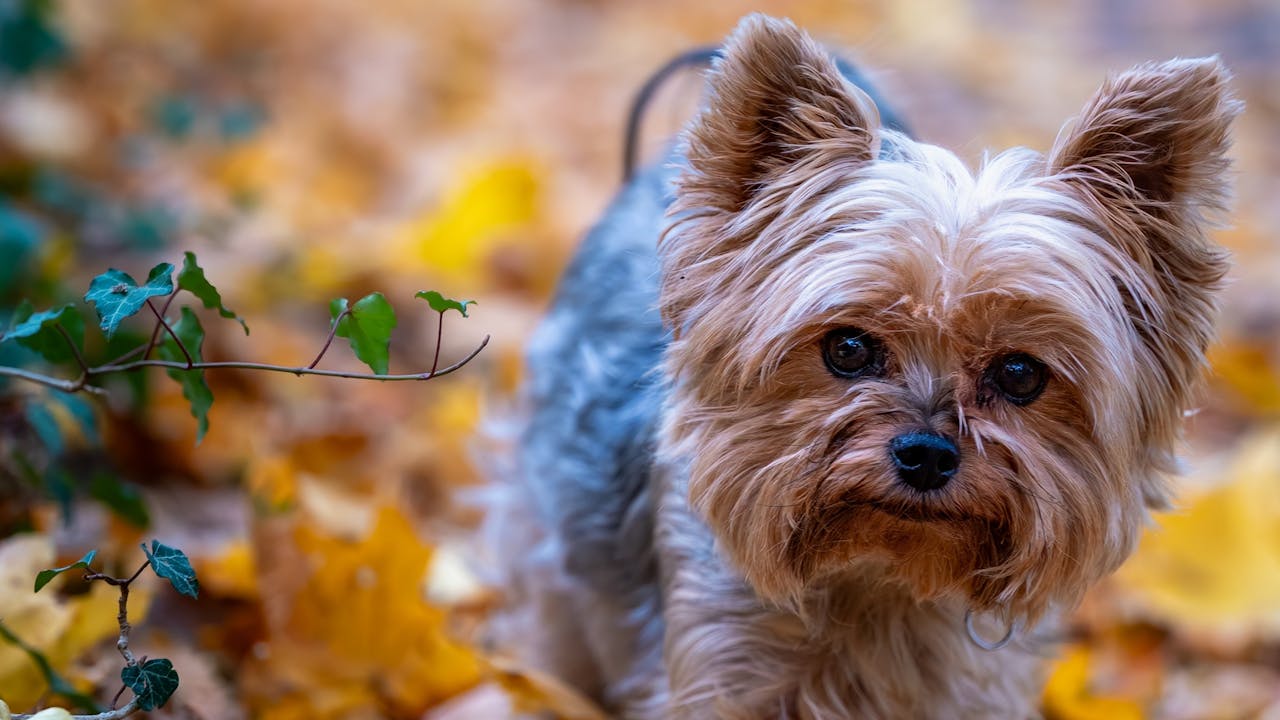
If you're planning to commission a family portrait painting, including the family dog makes it even more powerful. There's a long tradition in classical European portraiture of including beloved animals in family paintings. Pet family portraits are designed specifically for this. The combination of family members and a beloved pet in a regal portrait style or renaissance-style painting is something people hang in a place of honor.
For families whose pet has passed, a memorial pet portrait is a way to include them in the family's painted record even when they can no longer be in the photo.
What to skip
Oversized letters, seasonal signs, and novelty props age photos badly. The family portrait you take this fall should look timeless in thirty years. Anything that screams "this specific fall season" rather than "this family, this moment" will date the photo faster than any other element.
This applies even more strongly if you plan to turn the photo into a painted portrait. Classical paintings don't include trend-driven props. They include people, their relationships, and sometimes the things that genuinely matter to them.
How to prepare kids for the session
Kids don't naturally understand why portrait sessions are important. They understand: is this fun? Is this scary? Am I hungry? Am I tired? Every preparation strategy comes back to those four questions.
Before the session
Make sure everyone has eaten a full meal, not a snack. A hungry four-year-old is a different creature than a fed four-year-old. Same goes for naps. Schedule your session after nap time, not before.
In the week before, play photographer at home. Set up a pretend session. Let kids take photos with a real or toy camera. Ask them to pose. Have them take your portrait. The goal is to establish that photography equals fun and normal, not formal and tense.
The morning of, don't call it a photo shoot. Call it an adventure. You're going to the orchard. You're going to throw leaves. There will be hot chocolate afterward.
During the session
Pack snacks that don't stain: crackers, apple slices, granola bars. Bring their favorite small toy or comfort item and keep it as a surprise backup if energy crashes.
Give kids jobs. The four-year-old is in charge of choosing which tree to stand near. The seven-year-old is in charge of throwing leaves when you count to three. The baby's job is to be adorable, which will happen regardless.
If someone melts down, take a break. Walk around. Let kids run. Five minutes of reset time saves a session that's going sideways. Experienced family photographers know this and build it into their timing.
For kids portrait sessions specifically, this kind of flexibility is what separates great photographers from technically capable ones. Knowing how to work with a child's actual mood rather than fighting it produces better images every time.
The age-specific reality
Toddlers between 18 months and three years are the wildcards. They have opinions and no patience. Schedule their session at peak energy time, keep it under 30 minutes, and plan for maybe three genuinely good shots. That's enough. Three great images of your toddler in golden fall light is more than you need.
School-age kids are the most cooperative. They understand concepts like "one more shot" and can follow direction. Include them in decisions: ask them where they want to stand, let them suggest an activity.
Teenagers require a different approach entirely. The worst thing you can do is treat a teenage session like a young child session. Give them autonomy. Let them suggest poses. Bring something from their actual life: a guitar, a skateboard, a book they're reading. A teen in their natural habitat looks real. A teen in a pumpkin patch in a matching sweater looks miserable, and it shows up in every frame.
Hiring a photographer vs. doing it yourself
Both options can produce great results. The question is what you want from the experience and how much you want to invest.
What a professional photographer brings
A professional photographer knows light. They've scouted locations. They know where the sun hits that particular hill at 5:45 pm in October. They know how to talk to a shy three-year-old and how to get a reluctant teenager to actually smile. They own backup equipment when gear fails.
Professional photographers for family portraits in the U.S. typically charge between $200 and $1,500, depending on location, experience, and what the session includes. Many offer mini-sessions in fall specifically: shorter sessions of 30-45 minutes at $150-$300, designed precisely for fall foliage. Budget for edited digital files plus at least one large print, minimum.
The portrait photography industry is the most popular specialization among U.S. photographers, with over 65 percent focusing on it. That means even smaller markets have multiple options. Getting recommendations from other families who've used local photographers is the most reliable filter.
The case for DIY
A tripod, a timer, and a decent camera or modern smartphone can produce genuinely good fall family portraits. Natural light does most of the work. If you know your location, know your equipment, and give yourself an hour, you can capture something real.
The limitation is that someone is always behind the camera. Usually the parent who's most interested in photography, which means that parent rarely appears in the final images. Worth thinking about before you rule out hiring someone for even one session a year.
The hybrid approach
Some families hire a professional for one session per year, fall being the obvious choice, and supplement with DIY throughout the rest of the year. The professional session becomes the annual family record. The DIY captures the spontaneous moments in between.
If you're interested in photography as a hobby or craft, the gift ideas for photographers guide has ideas that might also be useful for outfitting your own portrait setup.
Timing your fall portrait session by region
Leaf color peak varies by region, and knowing when it happens where you live is the difference between shooting at peak color and missing it entirely.
Northeast and New England
Foliage in Vermont, New Hampshire, Maine, and upstate New York typically peaks from late September through mid-October. These states have some of the most dramatic fall color in North America. Book photographers in this region earlier than you think you need to: September booking for October sessions is not unusual.
Massachusetts, Connecticut, and Rhode Island typically peak in mid-to-late October. The coastal light in New England during this window is exceptional for outdoor family portrait sessions.
Mid-Atlantic
Virginia, Maryland, Pennsylvania, and the New York City metro area see peak color in late October to early November. The period just before peak is often the best time for portraits: the color is beginning, the crowds haven't arrived, and the light is still warm enough for evening sessions.
Southeast
North Carolina, Tennessee, and the Georgia mountains peak in late October. Coastal areas peak later, sometimes not until November. Milder temperatures give you more scheduling flexibility in this region.
Midwest
Michigan, Wisconsin, and Minnesota peak in early-to-mid October. Illinois, Indiana, and Ohio follow in mid-to-late October. The open landscape of the Midwest often means working with open fields and parks rather than mountain foliage, but the color can be just as beautiful.
Pacific Northwest
Washington and Oregon see peak color in mid-October. The combination of fall foliage against evergreen forest creates a more muted, dramatic palette than the East Coast. Overcast light, common in this region, is ideal for portrait work.
Southwest
Arizona, New Mexico, and Colorado aspen groves turn vivid yellow-gold in late September to mid-October. These are among the most distinctive fall portrait locations in the country.
The critical timing note across all regions: the window between leaves changing color and falling is short, typically three weeks or less. Plan accordingly and book early.
What to do after the session
The session ends. Everyone's tired, the kids are done, and you have a folder of proofs from your photographer or a card full of files. What now?
Edit selectively
Don't keep everything. Go through your proofs or your own shots and identify your top five to ten images. The ones where everyone's eyes are open, the light is working, and something real is happening. Archive the rest but don't delete them immediately.
Print something large
The single biggest mistake families make with portrait sessions is not printing anything. Get at least one large print, 16x20 or larger, of your favorite shot. Print it on quality paper, have it framed, and hang it somewhere visible.
A large printed family portrait in a home is not decoration. It's a statement. It tells everyone who visits, and everyone who lives there, that this family matters and that this moment was worth capturing and keeping.
Commission the painting
If the session produced one photo that makes you stop when you scroll past it, that's the one. That's the photo to turn into a painting.
Fable's family portrait service takes your best photo and turns it into a classical oil-style painting. Choose a style (renaissance, baroque, old master), pick a size, and see how it works to understand the process. The turnaround is fast enough that a fall session portrait can become a Christmas gift. The pricing is less than most people expect for what they receive.
For couple portraits from a fall session, a painted portrait makes a powerful anniversary or birthday gift. For more ideas on portrait gifts, see anniversary gift portrait and birthday portrait gifts.
For parents who want something that marks the exact moment their kids were this age, a family portrait painting does it in a way a printed photo doesn't. Children change fast. The age they are right now is something you'll miss. A painting from this fall's session captures them at this specific size, in these specific faces, in a medium that doesn't fade the way a digital file does.
For the holidays, a painted family portrait is one of the few gifts that works for everyone in the family simultaneously. The christmas art gifts guide has more context on how portrait paintings work as seasonal gifts. For something specifically for the person who made the family possible, art gifts for mom covers why a painted family portrait is consistently the most meaningful option.
Fall photos are temporary by nature. The leaves fall. The sweaters go back in the closet. The kids grow out of those faces and those sizes. A painting from this session, made while you can still remember the way the light was that afternoon, becomes something else entirely.
Turning a fall photo into a painted portrait: the process
Understanding what the painting process looks like helps you choose the right photo and set the right expectations.
You upload your photo directly through Fable's platform. Choose from available styles: renaissance, baroque, classical. Select your size. Fable's artists work from your photo to create an oil-style painting that preserves the likeness and warmth of the original while rendering it in the aesthetic of classical portraiture.
The result ships as a high-quality printed canvas or as a digital file you can have printed locally and framed yourself. The quality is comparable to fine art reproduction, not a novelty photo filter.
For fall family portrait sessions, the best photos for painting are ones with:
- Warm, soft light (golden hour or overcast)
- Clear faces (everyone looking roughly in the same direction)
- Physical closeness (family members actually touching or near each other)
- Simple, timeless outfits (not trend-specific, not overly branded)
- A background that doesn't fight the subjects (soft foliage, open field, barn)
If you're doing a session specifically with a painting in mind, communicate that to your photographer. A good family photographer will know to prioritize a few clean, well-lit, tightly composed shots over dozens of documentary-style candids.
The family portraits page shows what's possible. The kids portraits section shows what child portraits specifically can look like when rendered in a classical style. And the couple portraits page shows how two-person portraits work.
For families who have pets, the pet family portraits option lets you include dogs, cats, or other animals in the painted composition. The pet painting from photo guide explains how that process works specifically. For regal or royal pet portrait styles, see regal pet portraits and royal pet portraits.
Fall portrait planning checklist
A quick reference for everything covered in this guide:
Before you book: Consider whether you want professional or DIY, who's in the portrait (immediate family, extended family, pets), what your budget is for the session, and what you want to do with the photos afterward. Decide early whether you're ordering a painted family portrait because it affects which photo the photographer should prioritize.
Booking the photographer: Book early. Fall photographers fill fast. For the Northeast, booking in August for an October session is not unusual. Discuss location options before committing. Ask specifically about their experience with children if yours are young.
Outfits: Coordinate, don't match. Build around two focal colors and two to three neutrals. Prioritize texture over pattern. Ensure everyone's comfortable, especially children. Try everything on together at least a few days before the session. Check that nothing has tags that will irritate small children.
The morning of: Everyone eats breakfast. Everyone naps if they nap. Leave early enough to not feel rushed. Bring water, non-messy snacks, a comfort item for any child who might need one, and a change top for toddlers.
After the session: Choose favorites within the week, while you remember the context. Order at least one large print. Consider which photo you want to turn into something more lasting. Check the pricing on Fable's family portrait service before you decide what to do with your best image.
Frequently asked questions
When is the best time of year for fall family portraits?
The best time is during peak foliage in your region, which varies from late September in northern states to late October or early November in southern states. Within that window, the best time of day is golden hour, the 45-60 minutes before sunset. Check local foliage reports and book your session as soon as you know when your peak window falls.
What should my family wear for fall family photos?
Coordinate in warm, earthy tones: burgundy, rust, mustard, olive, caramel, cream, and deep green. Prioritize texture over pattern. Avoid busy prints. Layers work well both aesthetically and practically. Comfort matters most for young children. The kids portraits guide covers dressing younger children specifically.
How long does a fall family portrait session take?
A typical professional session runs 60-90 minutes. Mini-sessions run 30-45 minutes. With toddlers or babies, 45 minutes of good shooting time is realistic before someone's done. Extended family sessions with larger groups typically need 90 minutes minimum. Build in a buffer for travel, parking, and the inevitable last-minute outfit change.
How much does a fall family portrait session cost?
Professional family portrait sessions in the U.S. range from roughly $200 for an entry-level photographer to $1,500 or more for an established professional in a major market. Mini-sessions run $150-$300. The price typically includes the session plus a set of edited digital files, sometimes with prints included.
Can we include our dog or pet in the fall family portrait?
Yes, and it's one of the strongest trends in family photography right now. Dogs photograph beautifully in fall settings, and active breeds especially enjoy the cooler temperatures. For making pets a permanent part of a painted portrait, see pet family portraits and dog portraits.
What's the best way to preserve a fall family portrait long-term?
Digital files can be lost or forgotten. Printing is better. A painted portrait is better still. Classical oil-style paintings last for centuries. If you want a fall family portrait that your family will still have in sixty years, a painted version is the most durable option. Read how it works to understand the process, and check pricing to see what's involved.
How do I keep young kids happy during a portrait session?
Feed them first. Time the session to avoid their nap window. Bring snacks. Give them jobs and activities during the session. Avoid telling them to "smile" or "be good." Plan a reward they're looking forward to afterward. And be realistic: 30-40 minutes of genuine cooperation is often the ceiling for small children, and that's enough.
Is fall a good time for couple portraits?
Fall is an excellent time for couple portraits. The light is flattering, the color palette is romantic, and the temperature makes close-together poses feel natural rather than awkward. Sessions in fall also make strong Christmas gifts: the turnaround on sessions and painted portraits typically allows you to order in time for the holidays. See anniversary gift portrait for portrait gifting ideas.
Related guides
Sources
- Candid Studios: Fall Family Photo Ideas
- Thumbtack: Family Portrait Photography Cost
- Brittany Eitser Photography: Family Photography Trends
The best gifts aren't bought. They're created. They capture a moment, a feeling, a piece of someone you love. Start creating yours and give something worth keeping forever.