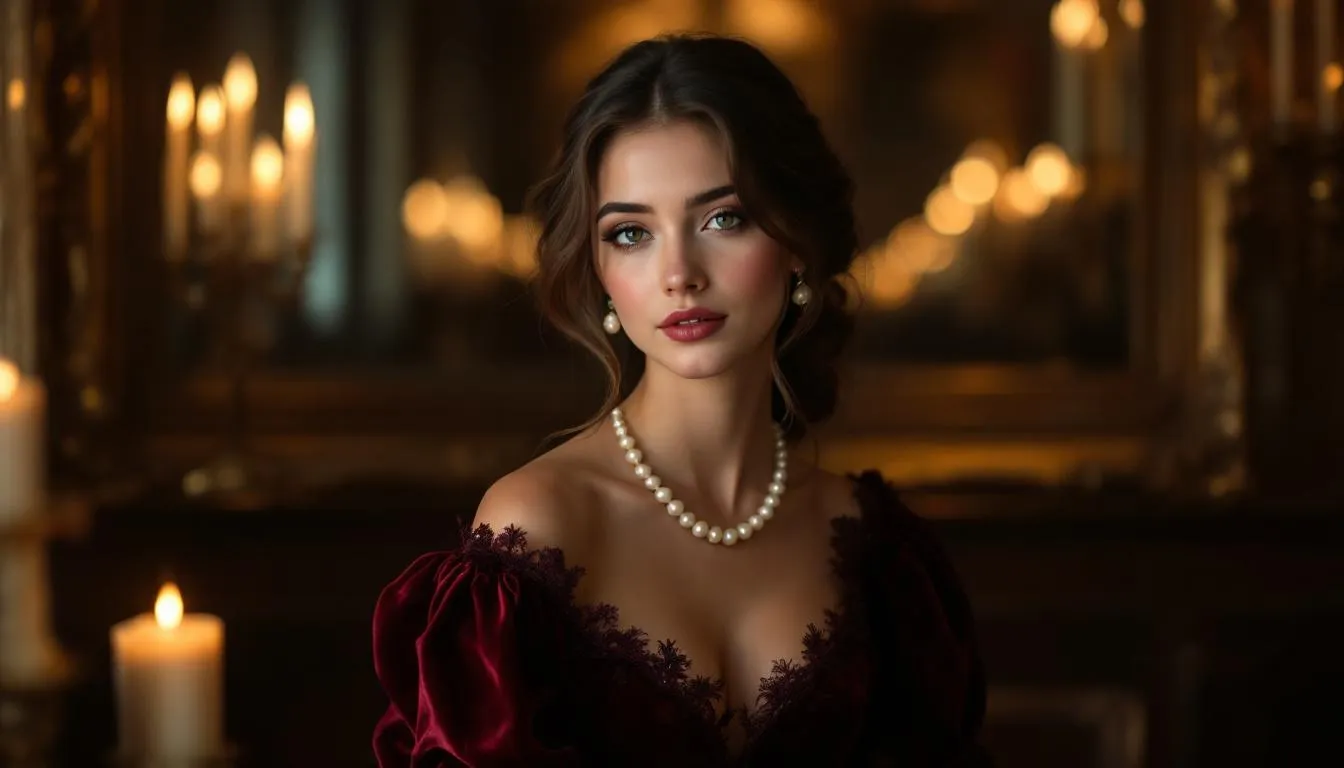
Senior portrait outfits: the complete style guide
The session is booked. The location is picked. And now you're standing in front of your closet at 11 PM, surrounded by clothes, wondering what on earth to wear.
Senior portraits are one of those milestones that sounds simple until you're actually planning them. You want to look like yourself. But also your best self. You want outfits that feel natural, not costumes. And you want photos you won't cringe at ten years from now.
Here's what most people don't tell you upfront: your outfit choice matters more than you think, and not just for the obvious reasons.
The real reason is what happens to these photos after the session ends. The families who get the most out of senior portraits aren't just thinking about a good photo. They're thinking about where that photo ends up. A custom Fable portrait transforms your best senior image into museum-quality classical fine art, a renaissance-inspired painting or timeless oil portrait that hangs on the wall for decades. It becomes a family heirloom. Something to pass down. And when you know that's where your photo is going, you dress for it differently. You think about what holds up. What's timeless. What will still feel beautiful in twenty years.
With that destination in mind, here's exactly what to wear, how many outfits to bring, and how to avoid the mistakes that ruin otherwise great sessions.
 Your senior portrait session captures a version of you that will never exist again. Make it count.
How many outfits should you bring?
Start here. Before you think about color or style, you need to know how many outfits you're working with.
The professional recommendation is simple: one outfit per 20 to 30 minutes of session time. A one-hour session means 2 to 3 outfits. A two-hour session means 3 to 4. A three-hour session gives you room for 4 to 6.
But the number isn't what matters most. What matters is the variety within those outfits.
The 3-outfit rule is the standard across professional senior portrait photographers. Three looks, each representing a different side of who you are.
The first outfit should be dressy. A formal gown, a tailored suit, a structured jumpsuit. Something elevated that reads as a portrait. This is your timeless look. The one that still feels sophisticated when you're thirty-five and pulling the print off the wall to show someone.
The second outfit should be casual. Your actual everyday style. Jeans and a well-chosen top, or whatever you genuinely wear when you want to look good without trying too hard. Authenticity matters in photography. Your comfort in an outfit shows in every frame.
The third outfit is for personality. Your sport uniform. Your favorite band tee with a blazer. The look that says something specific about who you are right now. These are often the photos that parents love most, because they capture not just how you looked but who you actually were at this exact moment.
The mistake most seniors make? Bringing three outfits that are essentially the same thing in different colors. Three maxi dresses. Three pairs of jeans with different tops. The gallery ends up looking repetitive, and there's nothing for anyone to choose between. Vary the formality level, the silhouette, the style.
Think about family portraits for reference: the families who plan the most variety always walk away with the strongest galleries. The same principle applies here.
The color guide: what photographs and what doesn't
Color is where senior portrait sessions live or die. You can have a perfect location, a talented photographer, and a flattering silhouette, and still end up with flat, disappointing photos because the color washes you out.
Here's what actually works.
Colors that photograph best
Rich jewel tones are the strongest performers across almost every skin tone and setting. Deep emerald green, sapphire blue, wine and burgundy, eggplant purple, and cranberry red. These colors have depth and richness that translates beautifully in photographs. They pop against both natural and studio backgrounds without competing for attention.
Earthy neutrals are the reliable foundation of a great portrait wardrobe. Ivory, cream, tan, camel, charcoal gray, chocolate brown, and olive green. These tones are forgiving, timeless, and pair well with almost any natural background. An olive dress in a fall forest setting is nearly impossible to get wrong.
Muted pastels work particularly well in outdoor settings and spring light. Blush pink, dusty lavender, powder blue, sage green. The key word is muted. Bright, saturated pastels start to creep toward neon territory and lose the softness that makes them work.
Skin tone matching matters considerably. If your veins look greenish on the inside of your wrist, you have warm undertones. Go toward mustard yellow, rust, burnt orange, and warm browns. If your veins look bluish, you have cool undertones. Sapphire blue, emerald green, blush, and lavender serve you best. If you can't tell, navy, gray, and cream are reliable across undertones.
Colors to avoid
Neon in any form. Full stop. Neon casts strange color tones onto skin and overwhelms everything else in the frame. Even if you love neon in real life, it doesn't translate to portraiture.
Bright white reflects light in ways that wash out skin detail and can create an overexposed look even in controlled conditions. Off-white, cream, or ivory give you the same clean aesthetic without the technical problems.
Solid black, while stylish in everyday life, can flatten skin tones and absorb detail in shadowed areas. If you love the look, pair black with a colorful accessory or layer.
Tiny, repetitive patterns, fine stripes, small checks, micro polka dots. These create a moiré effect on camera that shows as wavy, shimmering distortion on any screen. It cannot be corrected in editing. Large, bold prints or solid colors only.
The photographer's rule of thumb: go one shade darker and more muted than your instinct. Mustard yellow instead of neon yellow. Cranberry instead of cherry red. Rich teal instead of turquoise.
Outfit ideas for girls
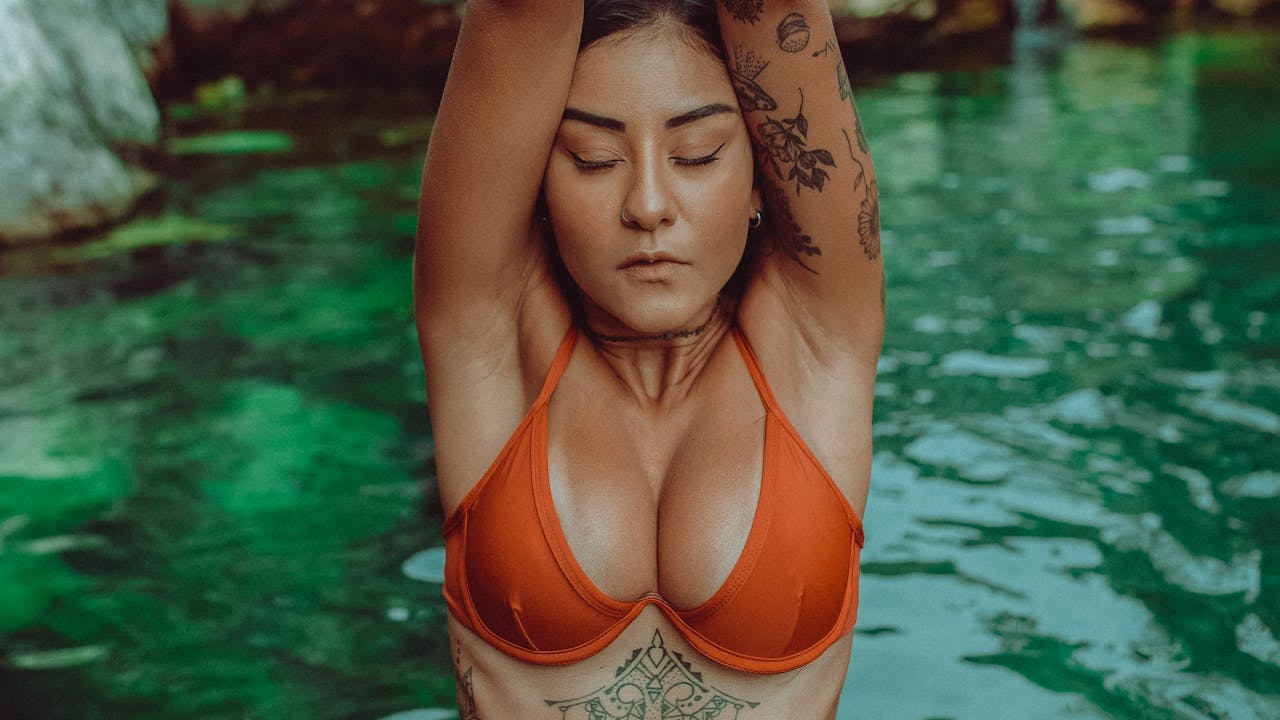 The best senior portrait outfits balance personality with timelessness.
Senior portrait sessions have changed significantly. The editorial, fashion-forward aesthetic dominates right now, and photographers are encouraging seniors to think about their session the way a model thinks about a shoot: as a chance to show different sides of themselves through clothing.
Here's how that breaks down in practice.
Dressy looks
Maxi and midi dresses are the most universally recommended option from photographers. Floor-length dresses elongate the body, create natural movement that translates into dynamic images, and photograph beautifully in every setting. A wine-colored velvet maxi dress works in fall light and studio settings alike. A flowy, floral midi in sage green photographs like a painting in a field of greenery.
Jumpsuits are the sophisticated alternative. A solid-color structured jumpsuit in a jewel tone or neutral reads as put-together and modern. Wider-leg silhouettes tend to photograph better than ultra-slim cuts because they create clean lines in full-body shots.
Formal dresses in rich, dark colors create images that genuinely look timeless. This is the look designed to hold up as art. If you're planning to transform your best senior portrait into a Fable family portrait or self-portrait painting, a formal look gives the source image the right visual weight.
Rompers work beautifully for casual sessions, particularly in summer and spring. Floral rompers read fun and energetic. Solid-color rompers read contemporary and confident.
Casual looks
Jeans and a styled top remain the most common casual look for a reason. Well-fitted dark jeans pair with nearly anything. The top matters more than the jeans. An off-the-shoulder style, a fitted turtleneck in a jewel tone, or a blouse with interesting texture all photograph better than a plain jersey t-shirt.
Overalls have emerged as a strong personality-forward casual option. Denim overalls over a fitted t-shirt or ribbed turtleneck communicate something specific about who you are, and that specificity makes for interesting photographs.
Skirts with blouses, particularly midi and maxi skirts, give you the movement and flow of a dress with more flexibility for different tops and styling.
Personality looks
This is the outfit that should look the most like you. For athletes, that might be your sport uniform or team jersey. For musicians, it might be a graphic tee from your favorite band, styled with a blazer. For dancers, it might be something from your rehearsal wardrobe elevated with accessories. For seniors interested in art and creativity, it might be something expressive that reflects your aesthetic.
These images are often the family favorites. Not because they're the most polished, but because they're the most honest.
Footwear for girls
Shoes matter more than most seniors expect, particularly in full-body shots. Neutral heels or wedges for dressy looks. Ankle boots for urban or fall sessions. Sandals or bare feet for beach and nature settings. Clean white sneakers pair surprisingly well with dressed-up looks and give images a casual, modern quality. High-tops with a dress is a fashion-forward choice that photographs with real personality.
Outfit ideas for guys
Senior portrait culture has shifted for guys in a meaningful way. The suit has made a genuine comeback. More young men arrive at sessions with a tailored blazer or a full suit than at any point in recent memory. And the images that result are genuinely striking, sophisticated in a way that casual senior portraits rarely achieve.
Dressy looks
A well-fitted suit is the strongest move for senior portraits. The key word is fitted. An off-the-rack suit in the wrong size looks worse than jeans. If you're going the suit route, get it properly sized or tailored. Navy, charcoal gray, and forest green are the strongest choices. Avoid black, which reads formal to the point of looking like a funeral photo in most settings.
A blazer with tailored pants is the smart middle ground. A well-cut blazer over a crisp oxford shirt with dark pants gives you the same elevated quality as a full suit with slightly more casual flexibility. This is also the most versatile look: remove the blazer and you have a casual look.
A button-down with chinos, rolled sleeves, solid color, properly fitted, is the reliable dressy-casual option that works in almost every senior portrait setting. It's understated in a way that ages well.
Casual looks
Dark jeans with a solid t-shirt works when the fit is right and the t-shirt is genuinely clean and well-fitted. Avoid graphic tees with logos, slogans, or brand names. They date images and pull the eye away from the face.
A solid polo or henley with dark pants or jeans is a step above a plain t-shirt and photographs better in most settings. More visual interest, same level of ease.
A flannel shirt for fall and outdoor sessions can look genuinely great when the colors work with the background. An olive or burgundy flannel against fall foliage is a strong, natural look.
Colors for guys
Navy, gray, forest green, burgundy, camel, cream, and warm brown are the core palette. Earth tones work especially well for outdoor sessions. Keep things clean, muted, and solid. Avoid busy patterns, bright primaries, and anything with text or graphics.
Footwear for guys
Shoes show in full-body shots. Clean leather dress shoes or loafers for formal looks. Minimalist white leather sneakers or clean casual shoes for everyday looks. Work boots for rugged outdoor sessions. Worn-out, dirty shoes, no matter how much you love them, will show in every full-body image and can't be cropped out.
Choosing outfits for your location
The best outfit in the wrong setting looks dissonant. A formal ballgown against an urban industrial wall. A beach sundress in a dark studio. The outfit and the environment should feel like they belong together.
Outdoor and nature settings
Parks, forests, fields, mountains, and open countryside call for outfits that complement the environment rather than compete with it.
Colors that work: earthy tones (olive, rust, cream, tan), muted pastels (sage, dusty blue), deep jewel tones that hold their own against lush backgrounds. You want to feel like you belong in the landscape, not like you've been dropped onto it.
Styles that work: flowy maxi dresses, linen shirts, boho-inspired pieces, flannels, oversized sweaters, natural fabrics with texture. These looks feel organic in natural settings.
Golden hour consideration: if your session runs into late afternoon, you'll catch golden hour light, the warm amber glow that photographers consistently call the best portrait light of the year. Warm-toned outfits, rust, cream, camel, burgundy, positively glow in this light.
What to avoid: overly structured, formal outfits that look out of place surrounded by trees and grass. Neon colors that clash with greenery.
Studio settings
Studio sessions offer controlled light and clean backgrounds. The outfit gets more visual attention because nothing else is competing for it.
Colors that work: bold jewel tones and strong solid colors pop against neutral studio backdrops. Black and white work here in ways they sometimes don't outdoors. The studio can handle more contrast.
Styles that work: structured, tailored, and fitted. Clean lines. Suits, blazers, fitted dresses, anything with a confident silhouette. Studio light rewards precision.
What to avoid: overly casual or beachy outfits that feel visually flat against a clean backdrop. Match the energy of the space.
Urban and city settings
Brick walls, murals, architecture, and industrial spaces call for confidence and edge.
Colors that work: deep, rich tones, black, navy, burgundy, forest green. You can also pull off bolder statement pieces against neutral architectural backgrounds because the backdrop doesn't fight back the way nature does.
Styles that work: leather jackets, distressed denim, blazers, ankle boots. The urban aesthetic rewards intentional, confident dressing.
What to avoid: soft, pastoral styles that look visually confused against industrial backdrops. A flowy floral maxi dress works beautifully in a field but looks bewildered against a concrete wall.
Beach and water settings
Colors that work: white, blush, aqua, navy, warm coral. Colors that reflect and work with coastal light, which is bright, soft, and slightly diffused.
Styles that work: flowy sundresses, linen pants, casual denim, off-the-shoulder tops, easy silhouettes.
Practical note: wind is a factor at beach sessions. Secure hairstyles. Avoid lightweight items that blow unpredictably in the frame. And think carefully about short skirts and dresses. Sitting and posing on sand creates wardrobe issues with anything too short.
The seasonal style guide
 Fall sessions with golden light and warm tones produce some of the most stunning senior portraits.
Fall sessions
Fall is the most popular season for senior portraits, and there are real reasons for that. The light in late September through November, particularly that golden hour amber glow in late afternoon, is widely considered the best portrait light of the year. The backgrounds are extraordinary. Rich foliage in oranges, reds, and golds.
Fall color palette: rust, burnt orange, forest green, chocolate brown, mustard yellow, deep burgundy, olive, cream, camel. These colors work in concert with the environment.
What makes fall special for layering: this is the season where layers genuinely earn their place. Chunky knit sweaters, flannel shirts, corduroy jackets, scarves, and vests all photograph with depth and texture. A heavy cream ribbed sweater over dark jeans with ankle boots is a fall senior portrait look that photographs beautifully and looks genuinely timeless. It's not a trend. It's just good.
Fall practical note: weather shifts quickly in autumn. Plan for temperature variation between early afternoon and golden hour. A dress that works at 2 PM may need a wrap by 5 PM. Plan layers accordingly so you're not scrambling.
Spring sessions
Spring sessions have grown as families want portraits done before the end of the school year, before everything gets hectic with graduation events and summer plans.
Spring color palette: soft pastels (blush, lavender, mint, powder blue), florals, white, cream, light yellow. These align with the blooming environment and the cooler, brighter spring light.
What makes spring different: the light in spring is softer and cooler in tone compared to fall golden hour. White and pastel outfits work particularly well because the light doesn't yellow them the way fall light does.
Spring practical note: wind is more common in spring, which affects hairstyles and lightweight fabrics. If you're wearing a flowy dress, be prepared for it to move. Work with the movement rather than against it.
Summer sessions
Summer sessions work best at the edges of the day.
The key challenge: harsh midday sun is unflattering for portraits. Summer sessions almost universally need to be scheduled for early morning (7-9 AM) or late evening (6-8 PM) to avoid flat, squinting, overlit images. Shade becomes a significant location consideration mid-day.
Summer colors: whites, blush, aqua, coral. Colors that work with the intensity of summer light. Darker colors absorb heat and can make subjects look uncomfortable.
Winter sessions
Less common but visually distinctive, particularly with snow or bare-branch backgrounds.
Winter color palette: deep navy, black, burgundy, forest green, ivory, camel. Rich, dark colors contrast powerfully against winter backgrounds.
The winter layering opportunity: a well-chosen coat is a statement piece. A camel wool coat over a dark dress, or a plaid wrap over simple winter clothes, creates images that look warm, intentional, and composed.
Accessories that work in portraits
 The right accessories add character without distracting from your face.
The rule for accessories in senior portraits is simple: one statement piece per look. More than that and the accessories start competing with your face for attention. That's always the wrong outcome.
Hats
Hats are among the most versatile accessories for portrait sessions. They work on the head, held at your side, tilted, or placed as a prop for posing variety. Baseball caps for casual sessions. Wide-brim felt or straw hats for fall and summer outdoor sessions. Beanies for winter and casual looks. Berets for an artistic, fashion-forward aesthetic.
The hat creates an excuse to vary poses. Hat on, hat off, holding the brim, looking away. You get more usable shots from less effort.
Sunglasses
Highly recommended for outdoor sessions. They prevent squinting in bright light. They add visual interest. And they create natural posing variation: on the face, tilted up on your head, held in one hand. A great pair of sunglasses can generate a dozen usable poses.
Jewelry
Bring more than you plan to wear, then swap based on each outfit.
Layered necklaces for an editorial look. Statement earrings for dressy looks. Delicate, minimal pieces for casual looks. And don't overlook heirloom pieces. A grandmother's necklace or a family ring creates a quietly meaningful detail in senior portraits. These images will be looked at for decades. A piece with history adds a layer that generic jewelry never can.
The consistent warning from photographers: avoid oversized, chunky statement pieces that overwhelm your face. The jewelry should complement you, not become the subject.
Scarves and wraps
Particularly useful for fall and winter sessions where you need practical warmth. A great scarf can be worn, draped, wrapped, or held. It adds color and texture without requiring a full outfit change.
Personal props
Sports equipment (a ball, a glove, a racket, your cleats). Musical instruments. A favorite book. Your car. The team jersey from your sport. These elements turn a portrait into a portrait with a story. The photos they produce are often the ones parents love most, because they capture who you actually are, not just what you look like.
For sports seniors specifically, check out senior gift ideas for sports athletes for ideas that complement this kind of session.
Fabrics and textures: what reads well on camera
The fabric of your clothing matters in ways most people don't anticipate before their first portrait session.
Linen is one of the strongest portrait fabrics. The matte finish cuts glare. The natural texture reads beautifully on camera. It drapes well and has a timeless quality that works in any season.
Cotton and cotton blends are the most consistently recommended fabric. Matte surface, no glare, comfortable movement, available in every silhouette. When in doubt, cotton.
Denim photographs with rich texture that adds dimension. Works in every setting, every season.
Chunky knits and ribbed fabrics add texture and depth that reads well on camera. A cream ribbed sweater in fall light looks like it belongs in a painting.
Velvet photographs with depth and richness. Works especially well for darker, moodier sessions.
What to be careful with: Shiny synthetics (polyester, rayon, satin) catch light and create unwanted hotspots. Every wrinkle becomes visible. If you love a satin look, seek out matte satin. Thin, sheer fabrics work if you plan for them. See-through tops or skirts that reveal undergarments ruin otherwise beautiful images. Always wear nude undergarments under anything light or thin.
And repeat from the color section: tiny, repetitive patterns create moiré distortion in cameras that cannot be edited out. Solid colors and large patterns only.
The 10 biggest outfit mistakes to avoid
 Understanding what not to wear saves you from ruining an otherwise perfect session.
Mistake 1: Bringing the same outfit three times in different colors
Three maxi dresses. Three jeans-and-top combinations. No variety in silhouette, formality, or style. The gallery looks repetitive and there's nothing to choose between. Vary the styles, not just the colors.
Mistake 2: Wearing clothes that don't fit your personality
A shy, bookish student in a dramatic ballgown. An athletic guy in a formal three-piece suit he's never worn before. The discomfort shows in every frame. Wear what you'd actually feel like yourself in.
Mistake 3: Getting fit wrong
Clothes that are too tight highlight areas you'd rather not see in photos. Clothes that are too loose look sloppy. Ill-fitting clothes create unflattering lines in every pose. Try everything on, sit down in it, stand up, move around. If you can't move confidently, don't wear it.
Mistake 4: Choosing the wrong colors for your skin tone
Wearing colors that wash you out produces flat, lifeless results regardless of how good the lighting or posing is. Use the skin tone guide above, or ask your photographer for color feedback before the session.
Mistake 5: Wearing busy patterns
Small stripes, fine checks, tiny polka dots. These create moiré distortion in cameras that can't be edited out. Solid colors and large, bold patterns only.
Mistake 6: Not ironing or steaming everything beforehand
Wrinkles show in photos. Every outfit should be freshly pressed before the session. This sounds obvious. It's one of the most commonly cited issues photographers deal with.
Mistake 7: Sheer fabrics with the wrong undergarments
See-through tops or skirts that reveal undergarments ruin images. Check everything in good light before packing it.
Mistake 8: Outfits that don't match the location
A formal gown at a beach. A sundress in a dark industrial studio. The visual dissonance is jarring and can't be fixed in post-production. Think about where you're shooting before you decide what to wear.
Mistake 9: Overdoing accessories
One statement piece per look. Accessories should complement you, not compete with you.
Mistake 10: Over-relying on current trends
The haircut that was everywhere in 2024. The sneaker that was everywhere in 2025. In ten years these become timestamps. One well-chosen trend accent is fine. Anchoring an entire look to a trend dates it permanently. Timeless pieces anchor. Trends accent.
The preparation timeline
Good outfits don't come together the night before. They come together over weeks.
4 weeks out: Start planning. Think about what looks you want and what you need to buy. If you're ordering online, you need time to return anything that doesn't work.
3 weeks out: Try everything on. All of it, including shoes and all accessories. Take a photo of each complete look. Hang each outfit together so nothing gets forgotten on session day.
2 to 3 weeks out: Get a haircut or trim if needed. Fresh cuts often look too blunt or structured in photos immediately after. Touching up hair color 1-2 weeks before gives it time to settle too.
1 week out: Iron or steam everything. Do a makeup test if you're planning a particular look. Use the actual products you'll wear on the day. What looks natural in your bathroom mirror may not translate to camera.
The day before: Pack everything. Each outfit, all accessories, all shoes. Don't leave it to the morning of.
Session morning: Arrive ready. One of the most common delays is seniors arriving and needing time to dress or make last-minute fixes. Your photographer's lighting window doesn't extend.
What professional photographers actually recommend
Across dozens of style guides from professional senior portrait photographers, these recommendations appear most consistently.
Plan for where your photos will actually live. This is the detail most families overlook. An outfit that looks great at Instagram resolution may have distracting details at 20x30" wall art size. Wrinkles. Poor fit. Busy patterns. These become unavoidable at print scale.
This is exactly why Fable's portrait art has become part of how many families think about their senior portrait experience. After the session, they take the best image and transform it into classical fine art. The how it works process is simple: upload your best image, choose a style, and receive a museum-quality portrait. Check our pricing page for current options. For seniors who want their portraits rendered as classical art, this is what turns a photo session into an heirloom.
Coordinate your outfits with your location, not your living room. An outfit that looks perfect in your bedroom mirror may look tonally wrong against the actual backdrop of a golden-hour field or a sunlit brick courtyard.
Simple, natural hairstyles hold up better than elaborate ones. Loose curls, soft waves, low ponytails, and styles that still look like you three hours in. Elaborate updos can collapse mid-session, particularly outdoors.
Solid colors, good fit, and matte fabrics are the foundation. Everything else builds on those three things.
Think about different sides of yourself. Not just how you look, but who you are. The student. The athlete. The creative. The person your friends actually know. Each outfit is a chance to show a different chapter of who you are right now.
Simple and natural makeup for camera is different from simple and natural in real life. What looks light in person often disappears on camera. Several photographers make a strong case for hiring a makeup artist trained for photography work, because the application is genuinely different.
From senior portrait to something lasting
Senior portraits mark something. The end of one version of yourself and the beginning of another. They capture a moment that can't be recreated.
Most portrait photos end up in a digital folder that rarely gets opened. Years pass. The files are hard to find. The prints that were ordered are somewhere in a drawer.
The families who handle this differently are the ones who treat the best senior portrait image as a starting point, not an ending point. They do something with it. They transform it.
Fable exists for exactly this purpose. Family portrait art, couple portraits, kids portrait art, and self-portrait paintings take your best photos and render them as classical fine art meant for a wall, not a screen. Browse our blog for more ideas on meaningful portrait gifts and keepsakes. For graduation art gifts, birthday portrait gifts, and anniversary portraits, the senior year milestone fits naturally into a longer story of family memory-keeping.
For a graduating senior, a Fable portrait takes the best image from their session and turns it into something that could hang in the family home for decades. Something that family members stop in front of. Something that gets passed down.
That's what clothes dressed for art, not just for a photo, can become.
Frequently asked questions
What should I wear for senior portraits?
Bring three outfits: one dressy, one casual, and one that shows your personality. Stick to solid colors in jewel tones or earthy neutrals, matte fabrics, and clothes that fit well. Avoid tiny patterns, neon colors, and shiny synthetics. Think about where you're shooting and choose outfits that work with that environment.
How many outfits should I bring for senior pictures?
The professional standard is one outfit per 20-30 minutes of session time. For a standard 1-hour session, that means 2-3 outfits. For a 2-hour session, 3-4 outfits. Make sure each outfit is meaningfully different in formality level and style, not just color.
What colors are best for senior portraits?
Jewel tones (emerald, sapphire, burgundy, eggplant) and earthy neutrals (cream, olive, camel, chocolate brown) photograph best across most skin tones and settings. Muted pastels work well outdoors. Avoid neon, bright white, and tiny repetitive patterns that create moiré distortion on camera.
What should guys wear for senior portraits?
At minimum, bring two outfits: one dressy and one casual. A well-fitted suit or blazer with tailored pants is the dressy recommendation that produces the strongest portrait results. Dark jeans with a solid, fitted top is the reliable casual choice. Avoid graphic tees, logos, and overly bright colors.
What not to wear for senior pictures?
Avoid neon colors, tiny patterns (stripes, small checks, micro polka dots), shiny fabrics that catch light, clothing that doesn't fit properly, and outfits that don't suit your location. Also avoid over-accessorizing and choosing outfits that feel like a costume rather than something you'd actually wear.
How far in advance should I plan my senior portrait outfits?
Plan 4 weeks out. This gives you time to shop and return anything online, try everything on and photograph each complete look, get any alterations done, and iron or steam everything before the session. Last-minute outfit planning produces last-minute results.
Should I hire a makeup artist for senior portraits?
Many professional photographers recommend it. Camera-ready makeup is applied differently than everyday makeup because cameras flatten and wash out color. What looks natural in person often disappears on camera. A makeup artist trained for photography work understands this. The results are consistently more polished.
Can I use personal props in my senior portraits?
Yes, and many photographers encourage it. Sports equipment, musical instruments, favorite books, your car, a team jersey. These images tend to be the ones parents love most because they capture personality, not just appearance. They tell a fuller story.
Related guides
- Senior gift ideas for sports athletes
- Graduation gift art ideas
- Birthday portrait gifts
- Gift ideas for seniors
- Grad gift ideas for your best friend
Sources
- WICHE Knocking at the College Door: high school graduate projections
- School Photography Services Market Analysis, Strategic Revenue Insights
- Washington Post: Senior portraits are getting more elaborate and expensive
The best senior portrait session doesn't happen by accident. It happens because someone thought carefully about what to wear, why it matters, and where those images are ultimately going. Clothes that fit. Colors that flatter. Styles that feel like you. And somewhere in the back of your mind, the understanding that the best photo from that session could become something more than a photo.
Start creating something lasting with Fable, and give your senior portraits the future they deserve.