Why is my dog drinking so much water?
You filled the bowl at 8 AM. By noon, it's bone dry. Your dog is at it again, lapping water with an urgency that feels different from the usual post-walk drink. You refill it. She drains it. You start watching her. You notice she's also going outside more. Peeing more. Something feels off.
You're not imagining it.
Excessive drinking in dogs has a name: polydipsia. And excessive urination alongside it gets called polyuria. Vets shorten the pair to PU/PD. Whatever you call it, it's the body sending a message that something has changed. Sometimes that message is simple. Hot weather, new food, a medication. Sometimes it's a thread that, when you pull on it, leads to a diagnosis that changes everything.
The hard part is that you can't tell which kind you're dealing with from across the kitchen. A dog drinking a little extra water on a warm afternoon looks exactly the same as a dog in the early stages of kidney disease or diabetes. The behavior is identical. The causes couldn't be more different.
This guide will walk you through what normal water intake actually looks like, how to measure your dog's drinking at home, and every significant cause of increased thirst - from the boring to the serious. You'll learn which symptoms should send you to an emergency vet today and which ones can wait for a regular appointment in a day or two. And you'll learn exactly what your vet will do and why.
Your dog is lucky to have someone paying this much attention. That vigilance matters more than you know.
How much water should your dog drink?
The rough rule you'll see everywhere is one ounce per pound of body weight per day. A 30-pound dog should drink about 30 ounces. A 60-pound dog, 60 ounces. That's the baseline.
Vets use a more precise clinical threshold. Polydipsia is formally defined as drinking more than 90 milliliters per kilogram of body weight per day. For a 30-pound dog (about 14 kg), that's more than 1,260 mL - nearly 43 ounces - before the numbers become medically significant. Keep that figure in the back of your head because it will matter when you start measuring.
These thresholds exist on a spectrum. Your dog might land well above normal without the number itself telling you what's wrong. Context matters. A dog who runs for an hour, drinks twice the usual amount, and then settles back to normal the next day is a dog who ran a lot. A dog consistently over threshold for three days straight with no obvious explanation is a dog who needs a vet visit.
Here's a simple reference for daily water needs by weight:
| Dog weight | Normal daily intake | Clinical threshold (90 mL/kg) |
|---|---|---|
| 10 lbs (4.5 kg) | ~10 oz / 300 mL | ~400 mL / 14 oz |
| 20 lbs (9 kg) | ~20 oz / 600 mL | ~810 mL / 27 oz |
| 30 lbs (14 kg) | ~30 oz / 900 mL | ~1,260 mL / 43 oz |
| 50 lbs (23 kg) | ~50 oz / 1,500 mL | ~2,070 mL / 70 oz |
| 70 lbs (32 kg) | ~70 oz / 2,100 mL | ~2,880 mL / 97 oz |
| 100 lbs (45 kg) | ~100 oz / 3,000 mL | ~4,050 mL / 137 oz |
These numbers assume moderate activity, average temperature, and a standard diet. They shift based on food moisture, exercise level, weather, age, and health status. They're starting points, not gospel.
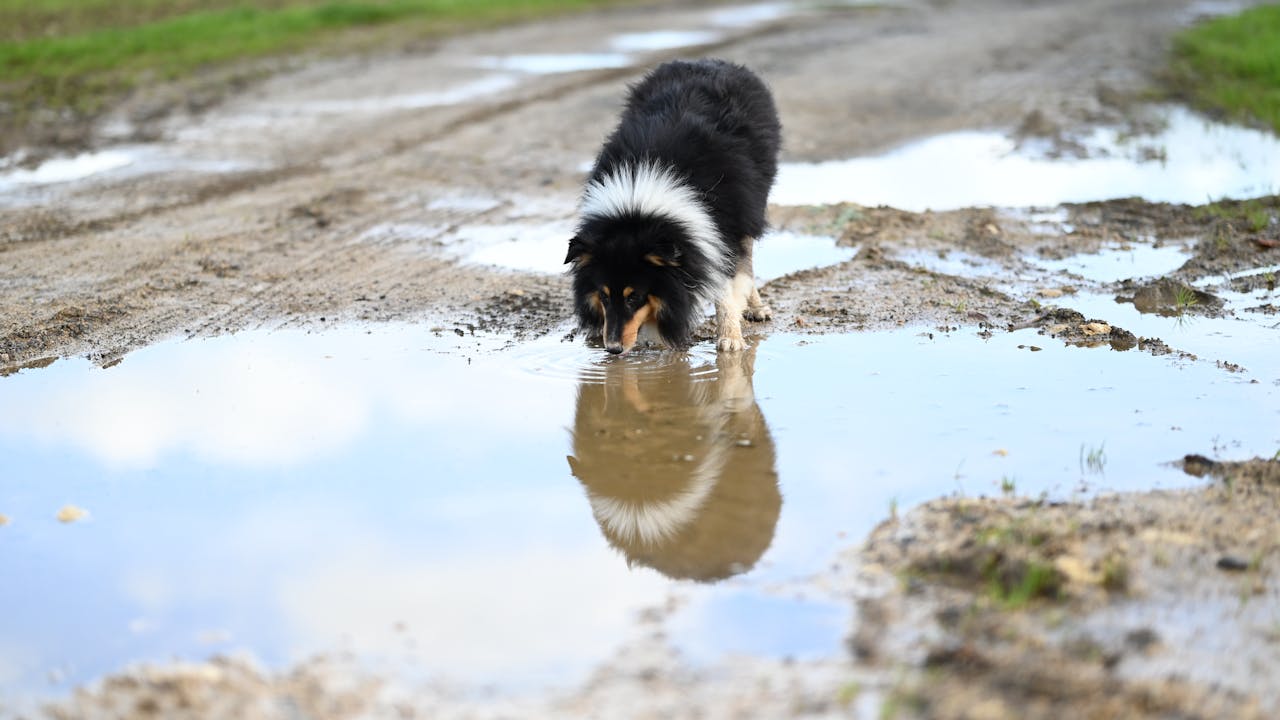
One more thing worth knowing: some medical conditions cause dogs to drink enormous quantities, far above the clinical threshold. Diabetes insipidus, for example, can drive intake to three, five, even ten times normal volume. When drinking reaches that extreme, the urine usually looks nearly clear. That's a clue you'll use later.
How to measure your dog's water intake at home
You don't need special equipment. You need a measuring cup and three consecutive days.
Start the morning of day one. Fill the water bowl with a measured amount - say, 64 ounces. At the end of the day, measure what's left. The difference is what your dog drank. Write it down. Refill to the same amount. Do this for three days, then average the three totals.
If you have multiple dogs, this gets complicated. You'll need to separate them during measurement periods or use individual bowls and track each dog. It's imperfect but still valuable.
A few things that will throw off your numbers: spilling (some dogs are messy), water from puddles or outdoor sources, and water used in food preparation or given with medications. Try to account for those as best you can. The goal isn't laboratory precision. It's a reasonable baseline that tells you whether your concern is warranted.
While you're measuring, pay attention to the urine. Color matters. Pale yellow is normal. Clear, almost colorless urine suggests dilute urine, meaning the kidneys are either producing a lot of it or can't concentrate it properly. Dark yellow or orange urine can indicate dehydration or liver stress. Blood in the urine is always a reason to call the vet the same day.
Also notice frequency and volume. Going outside eight times a day and producing a large amount each time points to a systemic issue, kidney dysfunction, diabetes, or hormone problems. Going outside frequently but producing only small amounts with straining suggests a urinary tract problem rather than a whole-body disorder.
One thing you must never do: restrict water without explicit veterinary instruction. It seems like an obvious fix. It isn't. In most conditions that cause polydipsia, the drinking is a response to a real physiological need. Cutting off water while your dog's kidneys are struggling to concentrate urine, or while her blood glucose is pulling fluid from her cells, can cause serious harm very quickly.
The innocent explanations
Before you spiral into worst-case scenarios, walk through the harmless causes first. Any one of them can produce genuine polydipsia, and for many dogs the explanation is nothing more alarming than a change in routine.
Hot weather and exercise. Dogs don't sweat through their skin the way humans do. They cool themselves primarily by panting, and panting means moisture loss. A lot of it. On a warm day or after hard exercise, your dog can lose significant fluid through her airways alone, and she'll drink to replace it. This is normal thermoregulation. The increased drinking should track directly with temperature and activity and return to baseline when conditions cool down. If you've had a stretch of warm days or your dog has been playing harder than usual, this is the obvious first explanation. Poodles, Samoyeds, Keeshonds, and other double-coated breeds feel the heat more acutely. For the connection between active breeds and their owners, our guides on dog portraits and custom dog portraits often feature these high-energy breeds, dogs whose personalities demand attention in every sense.
Switching from wet food to dry food. This one catches a lot of owners off guard. Wet food contains around 75 percent moisture. Dry kibble contains only 6 to 10 percent. If you've recently switched your dog from wet to dry food, or added more dry food to the mix, her total dietary moisture dropped dramatically. Her body compensates by drinking more water. This isn't a problem. It's adaptation. The fix is simply to wet the kibble slightly if it concerns you, or to recognize that the extra bowl trips are entirely expected. Dog owners who pour as much care into their pet's environment as their diet often find their dogs thrive in other ways too, and that attention to detail is something you can capture in pet portraits and animal portraits that reflect just how well you know your dog.
Salty treats or table scraps. Sodium draws water. A dog who's been getting salty treats, particularly commercial jerky-style treats or salty human foods, will drink more to maintain fluid balance. If you've recently changed the treat routine, that's worth noting.
Corticosteroids and other medications. About 40 percent of dogs on corticosteroids - prednisone, dexamethasone, and their relatives - experience polydipsia as a side effect. The mechanism involves the drug's effects on the kidneys and stress hormones. This is expected and documented. Other medications that cause increased thirst include diuretics, phenobarbital (used for seizures), and certain heart medications. If your dog started a new prescription in the last few weeks and her drinking increased around the same time, the medication is a prime suspect. Call your vet before stopping anything.
Pregnancy and nursing. A pregnant or nursing dog has dramatically increased fluid demands. She's producing amniotic fluid, then milk, and her metabolism is running hard. More drinking during these periods is normal and necessary.
Age. Older dogs sometimes drink more simply because their kidneys aren't concentrating urine quite as efficiently as they used to, even without diagnosed disease. In senior dogs, a mild uptick in drinking without other symptoms sometimes represents the gradual changes of aging rather than acute illness. That said, any new polydipsia in an older dog deserves a vet check, because the conditions that can cause it become more common as dogs age.
If you can trace the increased drinking to one of these explanations, monitor for a week or two. If the drinking returns to baseline once the trigger resolves, you probably have your answer. If it persists, or if any of the symptoms below are present, move on to the medical section.
Medical causes
When none of the innocent explanations account for what you're seeing, a medical condition becomes the likely explanation. The following ten conditions are the most common culprits. Some are manageable. Some are urgent. All of them require a veterinarian to diagnose and treat.
Diabetes mellitus
Most people understand diabetes in humans. In dogs, the mechanism is the same but the details differ.
In diabetic dogs, the pancreas either doesn't produce enough insulin or the body's cells can't respond to it properly. Glucose - the body's fuel - builds up in the blood because it can't get into cells without insulin. When blood glucose exceeds a certain threshold, the kidneys can't reabsorb it all, so it spills into the urine. Glucose in urine acts like a magnet for water, pulling it out through a process called osmotic diuresis. Your dog loses large amounts of fluid in her urine, her body signals thirst to replace it, and the cycle continues.
The classic presentation comes in four signs that vets call the "4 Ps": polydipsia (increased drinking), polyuria (increased urination), polyphagia (increased appetite), and weight loss. The paradox of eating more while losing weight is a reliable flag. The body is starving at the cellular level because glucose can't get in, so it burns muscle and fat instead.
Diabetes is more common in middle-aged to older dogs, and certain breeds carry higher risk: Miniature and Toy Poodles, Samoyeds, Keeshonds, and Miniature Schnauzers among them. Unspayed females are also at higher risk. If you own one of these breeds, which makes perfect subjects for renaissance pet portraits, regal pet portraits, and personalized dog portraits, keep diabetes on your radar especially as they age.
Up to 80 percent of untreated diabetic dogs eventually develop cataracts. If you've noticed cloudy eyes alongside increased thirst and appetite, that combination is a strong clinical signal. Treatment requires twice-daily insulin injections, dietary management, and regular vet monitoring. Diabetic dogs can live full, comfortable lives with consistent care.
Cushing's disease
Cushing's disease - formally called hyperadrenocorticism - is the most common endocrine disorder in adult and senior dogs. It occurs when the body produces excessive amounts of cortisol over a prolonged period, and the effects touch nearly every organ system.
In about 80 to 85 percent of cases, the problem originates in a small tumor on the pituitary gland at the base of the brain. The tumor sends constant signals to the adrenal glands to produce cortisol even when the body doesn't need it. The adrenal glands obey. The result is chronically elevated cortisol that the body can't regulate.
High cortisol blocks the action of ADH, the antidiuretic hormone that tells the kidneys to concentrate urine and hold onto water. When ADH can't work, the kidneys produce large, dilute volumes of urine. The body responds with intense thirst. The dog drinks and urinates in enormous quantities.
The full picture of Cushing's is striking once you know what to look for. Beyond polydipsia and polyuria, affected dogs develop a characteristic pot belly from redistribution of fat and weakened abdominal muscles. The hair thins symmetrically on the trunk, leaving the legs and head relatively unaffected. The skin becomes thin and fragile, sometimes developing calcium deposits called calcinosis cutis. Muscle wasting is common. Panting, even at rest and in cool temperatures, is another hallmark sign.
Breeds with elevated Cushing's risk include Poodles (across all sizes), Yorkshire Terriers, Dachshunds, and Boxers. The condition typically presents in dogs seven years and older. Treatment with trilostane, a medication that suppresses adrenal cortisol production, is effective, though it requires careful monitoring and dose adjustment. Dogs on treatment typically show significant improvement within a few months. Dachshunds and Poodles in particular have a visual personality that translates strikingly into art - if your dog belongs to one of these breeds, a custom dog portrait or renaissance pet portrait is a way of honoring who they are right now, before age changes anything.
Chronic kidney disease
The kidneys have a staggering amount of functional reserve. A dog can lose more than half her kidney tissue and still appear outwardly healthy. Polydipsia and polyuria typically don't appear until roughly 67 percent of the kidneys' filtering units (nephrons) have been lost. By the time your dog is drinking noticeably more, her kidneys have already been struggling for some time.
This is why catching kidney disease early matters. The SDMA test, a newer kidney marker that's now standard in most wellness panels, can detect dysfunction at approximately 40 percent function loss. The older creatinine marker doesn't become abnormal until 75 percent or more of function is gone. Those numbers represent a significant window of time for early intervention.
Owners often notice the drinking changes six months or more before a formal diagnosis. The kidney disease was present long before the symptom appeared. In hindsight, those owners recall other subtle signs: slightly increased thirst during the summer, the dog getting up at night to drink, urine that seemed paler than usual. These early signals are easy to attribute to other causes.
Chronic kidney disease can't be reversed. But it can be managed, sometimes very effectively. Prescription kidney diets reduce the kidneys' workload. Subcutaneous fluid administration at home keeps the dog hydrated when kidneys can't conserve water adequately. Blood pressure medications protect remaining kidney tissue. Blood pressure control is particularly important because high blood pressure accelerates nephron loss. Dogs on good management protocols can have years of comfortable, happy life. If your dog has been diagnosed with kidney disease, this is also a good time to think about capturing her now, while she's stable and herself. Pet painting from photo services make it easy to turn a phone photo into something lasting. A memorial pet portrait is always available later, but the portrait made while your dog is healthy carries a different kind of joy.
Diabetes insipidus
The name shares a word with diabetes mellitus, but the two conditions have nothing to do with each other. Diabetes insipidus doesn't involve blood sugar at all. It involves a total breakdown in the body's water regulation system.
Normally, a hormone called ADH (antidiuretic hormone, also called vasopressin) signals the kidneys to conserve water. When the body is well-hydrated, ADH decreases and the kidneys produce more dilute urine. When the body needs to hold water, ADH rises and urine concentrates.
In central diabetes insipidus, the brain simply doesn't produce enough ADH. This can happen due to a tumor near the pituitary gland, head trauma, infection, or sometimes for reasons that can't be identified at all. In nephrogenic diabetes insipidus, the brain produces ADH normally but the kidneys can't respond to it. Either way, the result is the same: the kidneys produce enormous volumes of nearly colorless, extremely dilute urine, and the dog drinks frantically to keep up.
Dogs with diabetes insipidus may drink three to ten times their normal volume. This is the extreme end of polydipsia. The urine looks like water. Almost no yellow. Very little odor. If your dog is producing this kind of volume and this kind of urine, diabetes insipidus belongs on the list of possibilities.
Central diabetes insipidus responds well to treatment with desmopressin (DDAVP), a synthetic version of ADH available as nasal drops, eye drops, or tablets. Most dogs improve dramatically within days of starting treatment. Nephrogenic DI is harder to manage because the kidneys themselves are the problem, though some cases respond partially to high-dose desmopressin.
Pyometra
This one is an emergency. Full stop.
Pyometra is a severe bacterial infection of the uterus that affects intact female dogs. It typically develops two to eight weeks after a heat cycle, when the uterine environment is most hospitable to bacterial growth. The infection produces toxins that circulate through the body and directly damage the tubules in the kidneys, the structures responsible for concentrating urine. Kidney damage means the dog loses water rapidly through dilute urine and drinks heavily to compensate.
There are two forms. In open pyometra, the cervix is open and a foul-smelling discharge drains from the vagina. The discharge is often brownish, greenish, or blood-tinged. This form is easier to identify because the discharge makes it visible. In closed pyometra, the cervix is shut and the infection builds up inside the uterus with no external sign. The dog simply looks increasingly sick: lethargic, not eating, drinking excessively, vomiting, with an abdomen that may be visibly distended.
Closed pyometra is more dangerous because it can progress to sepsis, uterine rupture, and death more rapidly and more quietly. If you have an intact female who is drinking much more than usual within a few weeks of a heat cycle, this must be ruled out before anything else. Don't wait for a scheduled appointment. Call the vet the same day.
Treatment is emergency spay. The infected uterus needs to come out. Medical management with hormones is possible in some cases but carries high risks of recurrence and relapse. Surgical treatment, performed before the dog becomes critically ill, carries an excellent prognosis.
Liver disease
The liver performs hundreds of functions that most people never think about until something goes wrong. One of those functions is clearing hormones from circulation. Another is synthesizing proteins that maintain proper fluid balance. When the liver fails, hormones build up, protein synthesis drops, and the kidneys are affected downstream.
Liver disease causes polydipsia through several mechanisms. Portal hypertension, increased blood pressure in the liver's blood supply, can lead to fluid accumulation in the abdomen (ascites). The body interprets this fluid as a circulation problem and triggers both thirst and sodium retention. Portosystemic shunts, abnormal blood vessels that bypass the liver, allow toxins and hormones to circulate unchecked and directly affect kidney function and thirst regulation in the brain.
The picture of liver disease goes beyond drinking. Affected dogs often show jaundice - yellowing of the eyes, gums, and skin. Vomiting and weight loss are common. Behavioral changes can occur because the liver isn't clearing ammonia and other neurotoxic substances from the blood. A swollen abdomen filled with fluid is a late sign that the situation has progressed significantly.
Blood tests typically show elevated liver enzymes, particularly ALT and ALP. ALP elevation is also associated with Cushing's disease, making it a useful initial flag for both conditions. An abdominal ultrasound and bile acids test help characterize the type and severity of liver disease. Dogs being treated for liver disease often have owners who become deeply attuned to every aspect of their pet's health and daily life. If you're in that place, our guides on wellness gift ideas include thoughtful options for the dog-loving community navigating health challenges.
Hypercalcemia
Too much calcium in the blood sounds like a niche problem, but it's more common than most people realize, and it has serious consequences for kidney function.
Calcium in excess directly interferes with ADH signaling in the kidneys. It makes the kidney tubules resistant to ADH's water-conserving signal, so the kidneys produce large volumes of dilute urine much like they do in diabetes insipidus. The result is significant polydipsia and polyuria.
The most important cause of hypercalcemia in dogs is cancer. Lymphoma accounts for 35 to 55 percent of hypercalcemia cases in dogs. Anal sac adenocarcinoma is another frequent culprit, producing a hormone-like substance that mimics parathyroid hormone and drives calcium levels up. Hyperparathyroidism (a parathyroid tumor), vitamin D toxicosis from certain rodent poisons or supplements, and Addison's disease can also cause high calcium.
Because cancer is a leading cause, hypercalcemia in a dog with unexplained polydipsia is a sign that needs to be chased aggressively. An ionized calcium measurement, chest X-rays, abdominal ultrasound, and lymph node assessment help narrow the picture. Treatment addresses the underlying cause: removing the tumor, stopping the vitamin D source, managing Addison's disease. Calcium levels usually normalize when the root cause is resolved.
Addison's disease
Addison's disease is the opposite of Cushing's. Where Cushing's involves too much cortisol, Addison's involves too little. The adrenal glands don't produce enough cortisol or aldosterone, the hormone that regulates sodium and potassium balance.
Without aldosterone, the kidneys lose sodium in the urine. Water follows sodium. The dog produces dilute urine and drinks heavily to compensate. But the effects extend far beyond just fluid balance. Cortisol deficiency affects the stress response, the immune system, the gut, the cardiovascular system. The result is a constellation of symptoms that wax and wane, which is why Addison's has earned the nickname "the great pretender." Dogs with Addison's often appear slightly unwell, recover, then crash again. The episodic nature makes it easy to dismiss.
The most dramatic presentation is the Addisonian crisis, an acute collapse that can occur without much warning and is life-threatening if not treated immediately. The dog may present shaking, weak, vomiting, with a dangerously slow heart rate. Aggressive IV fluid support and hormone replacement can pull these dogs back, and the response is often striking.
Breeds at higher risk include Portuguese Water Dogs, Standard Poodles, and Bearded Collies. Breeds worth commemorating in royal pet portraits, animal portraits, and pet family portraits while you can, because their owners know firsthand how suddenly things can change. Treatment with monthly DOCP injections plus daily prednisone is straightforward and the prognosis with treatment is excellent. Addisonian dogs live normal, full lives.
Urinary tract infections
A urinary tract infection isn't typically a cause of polydipsia the way the other conditions on this list are. But it belongs here because it shares many symptoms, and it's by far the most common infectious disease in dogs, affecting roughly 14 percent of all dogs at some point in their lives.
UTIs typically cause frequent trips outside with only small amounts of urine produced each time. Straining. Obvious discomfort. Blood-tinged urine. The dog may squat repeatedly and produce very little. Some dogs lick at their urinary opening. This is a different pattern from the large-volume, frequent urination of polydipsia, and it's a useful distinction when you're trying to characterize what you're seeing.
That said, UTIs matter in the context of polydipsia for two reasons. First, the symptoms can overlap enough to cause confusion, and a urinalysis will reveal bacterial infection. Second, and more importantly: recurrent UTIs are a red flag for underlying conditions. Diabetes mellitus creates urine rich in glucose that bacteria love. Cushing's disease suppresses the immune system. Kidney disease compromises normal defense mechanisms. A dog with her second, third, or fourth UTI in a year needs investigation for what's making her susceptible.
Treatment of a simple UTI is straightforward: a course of antibiotics targeted to the identified bacteria. But the UTI itself may just be the symptom of something more. Finding the root cause of recurrent infections is the more important work. Dogs prone to UTIs often have owners who become skilled health advocates for their pets, the kind of person who notices every change and acts on it. That same attentiveness is what makes someone think to commission a dog portrait or personalized dog portrait before time slips away.
Psychogenic polydipsia
Some dogs drink too much not because their body is demanding water but because drinking has become a compulsive behavior.
Psychogenic polydipsia is most common in high-energy dogs living in low-stimulation environments. Border Collies, Labrador Retrievers, Golden Retrievers, and German Shepherds are overrepresented. The drinking isn't driven by thirst. It's driven by boredom, anxiety, or a compulsive habit that developed in the absence of adequate mental and physical enrichment.
The condition is real and can cause real problems. Prolonged compulsive water intake eventually causes a phenomenon called renal medullary washout, where the concentration gradient inside the kidney's deepest structures is diluted out, impairing the kidney's ability to concentrate urine even when it should be able to. At that point, distinguishing psychogenic polydipsia from a true concentrating defect requires a carefully supervised water deprivation test - one that should only ever be performed in a clinical setting with a vet watching closely.
Treatment focuses on the source of the behavior. More exercise. Puzzle feeders. Enrichment toys. Structured training sessions. Increased social interaction. Gradual, supervised water restriction over weeks, not days, under veterinary guidance. Most dogs improve significantly once their environment matches their needs. High-energy working breeds like Border Collies and German Shepherds have personalities as striking as their looks, and their owners often love art as much as activity. A royal pet portrait or animal surrealism art piece turns that energy into something permanent on the wall.
When to call the vet
Two different situations call for two different levels of urgency. Knowing which is which prevents both unnecessary panic and dangerous delay.
Call the emergency vet today - don't wait if your dog is showing any of the following alongside increased drinking: vomiting or diarrhea, lethargy or weakness, collapse or difficulty standing, refusing to eat for more than 24 hours, blood in the urine, straining to urinate with little or no output, neurological signs like stumbling or confusion, abdominal distension especially in an intact female, or pale or grey gums. These combinations suggest conditions - pyometra, Addisonian crisis, acute kidney failure, urinary obstruction, severe hypercalcemia - that can deteriorate to life-threatening in hours.
Pale gums deserve special mention. They're one of the clearest signs that something is seriously wrong with circulation or blood, and they require immediate evaluation.
See your regular vet within two days if the increased drinking has persisted for three or more days without an obvious explanation, or if you see weight loss alongside increased drinking, or if you have an intact female who recently finished a heat cycle, or if a new medication seems to have triggered the change. These situations are concerning and need evaluation, but they don't require the middle-of-the-night emergency clinic unless other worrying signs are present.
The one-liner that covers most situations: if you're uncertain whether it's urgent, call. Every veterinary clinic has phone staff who can talk you through what you're seeing and tell you whether it needs same-day attention. A five-minute phone call is better than a night of worry, and much better than waiting too long on something that needed speed.
What happens at the vet
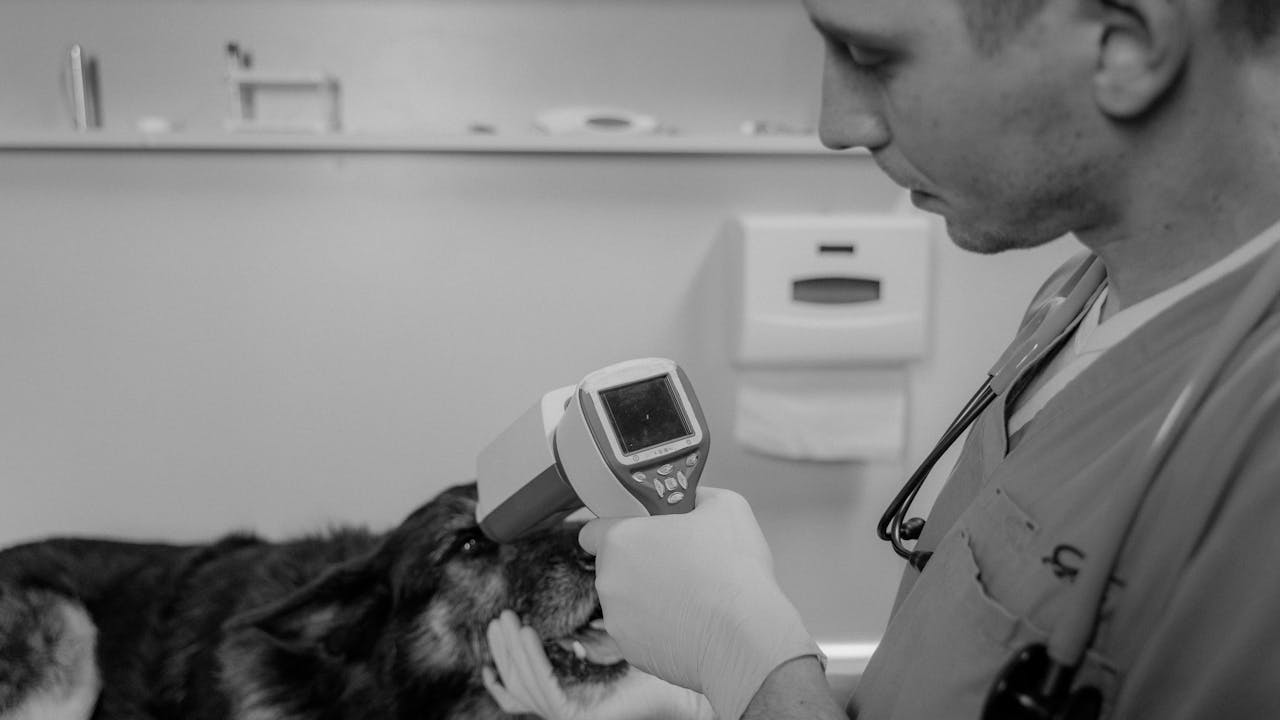
Your vet will likely begin with a focused history. When did you first notice the change? Is it getting worse? Any recent changes to diet, environment, or medications? Are there other symptoms - weight loss, increased appetite, changes in energy, vomiting, changes in the coat? Has your female dog been in heat recently? Does she go through cycles of seeming unwell and then recovering?
These questions aren't small talk. They're diagnostic. The history often narrows the list of possibilities before a single test is run.
The physical exam follows. Your vet will assess weight and body condition, muscle mass, coat quality, hydration status, abdominal size and shape, lymph nodes, and gum color. The pot belly of Cushing's, the symmetrical hair loss, the thin skin - these are findings that direct the next steps. An enlarged lymph node points toward lymphoma as a cause of hypercalcemia. A tense, painful abdomen in an intact female makes pyometra much more likely.
First-line diagnostics almost always include a complete blood count, a serum chemistry panel, and a urinalysis with urine culture. The chemistry panel covers the key markers: blood glucose for diabetes, creatinine and SDMA for kidney function, ALT and ALP for liver health, calcium, and the major electrolytes. The urinalysis tells you the specific gravity of the urine, how concentrated or dilute it is, and that single number is often the most informative data point in the whole workup.
Dilute urine below a specific gravity of 1.008 is an early flag for many of the conditions on this list. Normal urine runs considerably higher. That low number, combined with the chemistry findings, typically points the investigation in a clear direction.
An elevated ALP flags both Cushing's disease and liver disease for further investigation. A low sodium with high potassium, in the context of the clinical signs, suggests Addison's disease and warrants an ACTH stimulation test. High calcium sends the workup toward cancer screening. Glucose in the urine alongside high blood glucose confirms diabetes.
Second-line tests build on those findings. The low-dose dexamethasone suppression test is the standard screen for Cushing's disease. The ACTH stimulation test evaluates adrenal reserve for Addison's. Abdominal ultrasound visualizes the kidneys, adrenal glands, uterus, liver, and lymph nodes. Bile acids testing assesses liver function more specifically when structural changes don't explain the enzyme elevations.
If all these tests come back relatively normal, the workup for diabetes insipidus involves a carefully supervised water deprivation trial or a desmopressin trial. These tests distinguish between the brain not producing ADH, the kidneys not responding to it, and psychogenic polydipsia. They should never be attempted at home.
The diagnostic process can feel slow. But each test eliminates or confirms large categories of disease, and the sequence is logical. Your vet is working through the list methodically because multiple conditions share the same symptoms, and the wrong treatment for the wrong diagnosis can cause real harm.
Home monitoring tips
You can't diagnose what's wrong. But you can gather information that makes the vet's job easier and faster.
Start measuring water intake before you even call for an appointment. Three consecutive days of measured intake gives your vet a number rather than a vague "a lot more than usual." Use the method described earlier: a set starting volume, note what's left at the end of each day, average the three results. Bring those numbers to the appointment.
While you're measuring water, observe and record urine. You don't need to collect a sample at this stage (though your vet will likely want one at the appointment - a small clean container or a commercial sample cup works). What you're watching for at home is color, frequency, and volume. Write down what you see. Clear almost-water urine combined with enormous volume is a different clinical picture from small-volume frequent urination with straining. These details matter.
Track appetite. Is your dog eating more, less, or the same as usual? Weight loss alongside polydipsia narrows the list significantly. If you have a scale and can weigh your dog at home, do it. Daily weight doesn't mean much, but comparing this week's weight to last month's tells a real story.
Note energy level and behavior. Is she exercising as much? Any unusual lethargy? Any panting at rest that wasn't there before? Any changes in personality, confusion, or stumbling? These observations, recorded with dates, help your vet piece together whether the condition is progressing and how quickly.
For intact females, record heat cycles. Your vet will want to know when the last cycle ended. Two to eight weeks post-heat is the peak window for pyometra.
Collect a urine sample the morning of the vet appointment, if possible. First-morning urine is the most concentrated sample of the day and the most useful for specific gravity measurement. A few tablespoons in a clean container is enough. Refrigerate it if the appointment isn't within an hour or two.
The last point bears repeating: never restrict water access without your vet's explicit instruction. For dogs with kidney disease, diabetes insipidus, or Addison's, cutting off water access can be dangerous. Measure and monitor, but keep the bowl full.
When your dog is doing well: celebrate them while you can
You found the cause. Maybe it was something simple - a medication adjustment, a diet change, a behavioral fix for the bored Lab who discovered the water bowl as entertainment. Maybe it was something bigger that required diagnosis and treatment but is now managed and stable. Your dog is drinking normally. She's herself again.
This is the moment where it's worth pausing to think about something.
We tend to assume our dogs will always be there. They become so woven into daily life, so present in the rhythms of morning walks and couch evenings, that it becomes genuinely hard to imagine the house without them. But they're not forever. They're here now, fully and completely, and that's worth honoring while you have it.
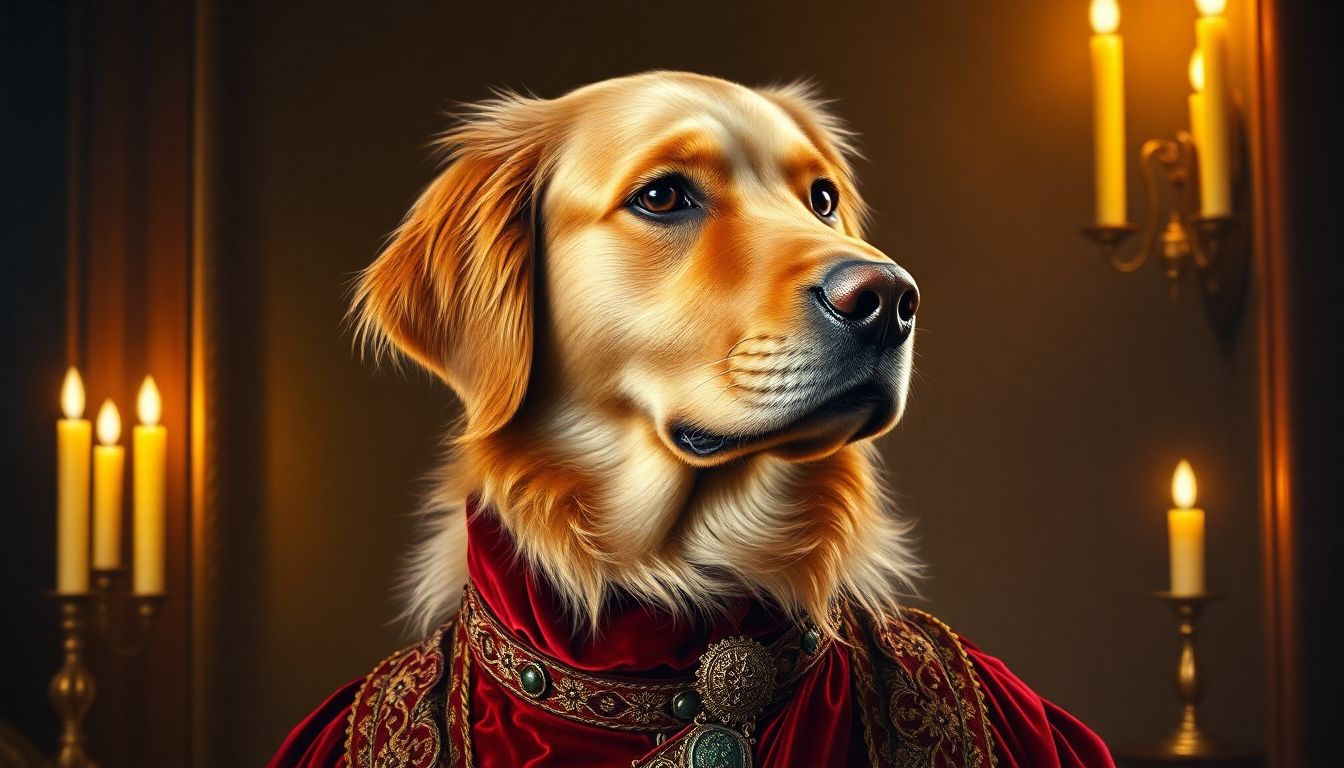
One of the most meaningful ways to honor a dog is with a custom portrait from Fable.
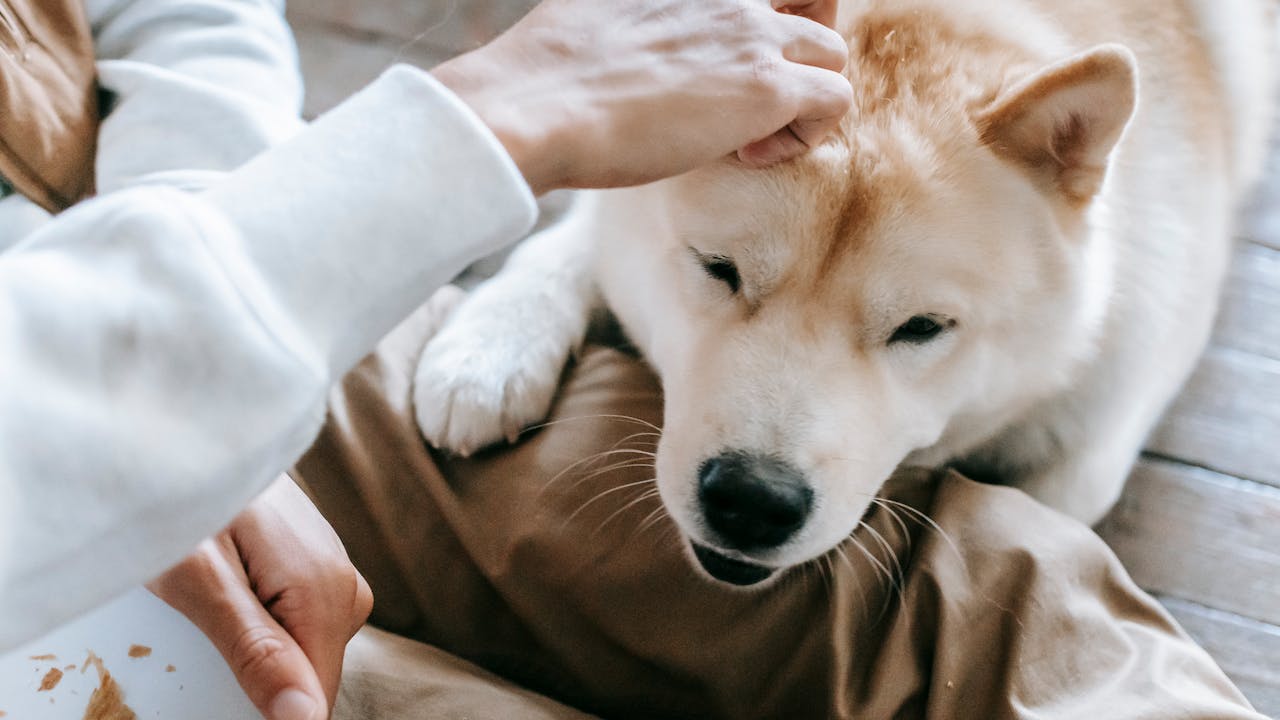
Not a print-on-demand filter. Not a snapshot in a grocery store frame. A genuine piece of art that transforms your dog's photo into something that belongs on a wall - rendered in the style of renaissance painting, royal portraiture, or classical art, with the kind of craft that makes people stop and look twice. Fable takes an ordinary photo of your dog and returns something that could hang in a gallery. Your dog as a Flemish court noble. Your dog as Baroque royalty. Your dog as the magnificent, ridiculous, completely beloved creature she already is.
Explore dog portraits, pet portraits, and custom dog portraits to see the range of styles. Look at renaissance pet portraits and royal pet portraits to understand the level of artistry these pieces carry. Browse regal pet portraits if you want something that feels genuinely grand. Every one of these options starts with a photo you already have on your phone.
If you're a Poodle, Dachshund, Samoyed, or Miniature Schnauzer owner, you already know your dog has a particular kind of presence. The personalized dog portraits and animal portraits at Fable capture that presence in a style that suits them. These breeds show up in art history for good reason. They were always meant to be painted.
For dog owners who love art more broadly, a portrait is a natural extension of that love. Our guides to gifts for art lovers and unique gifts for art lovers explore art-based gifts that go beyond prints, including commissioned portraits that carry genuine emotional weight. The pet painting from photo process is simpler than most people expect.
If you're thinking about a gift for the dog lover in your life - a birthday, an anniversary, a holiday, or simply a "just because" - a custom portrait is the one gift that never ends up in a drawer. It goes on the wall. It stays there. Look at birthday portrait gifts, anniversary gift portraits, and christmas art gifts for occasion-specific ideas that work for any dog person you know.
For families who have both dogs and children, a pet family portrait that brings everyone into a single composition is something genuinely different. It says "this is our family, all of it" in a way that a standard photo just doesn't. Pair it with a family portrait on Fable's homepage to see what's possible.
And for the time when a dog is no longer here, memorial pet portraits offer something that flowers and cards simply can't. A portrait of a dog who has passed isn't about grief. It's about refusing to let their memory shrink. It keeps them on the wall, present in the home, part of the household even in absence. These portraits mean the most to the people who receive them.
Your dog is healthy today. She's drinking normally, eating well, chasing the same squirrels she'll never catch. Take the portrait now. While the light is good and she still has her coat and she's still being exactly herself. Don't wait for the health scare that might never come, or might come sooner than you expect.
The bowl is full. She's fine. Celebrate that.
Frequently asked questions
My dog drinks a lot of water but seems fine otherwise. Should I be worried?
Start by measuring. Calculate whether the intake actually exceeds the clinical threshold for your dog's weight (90 mL per kilogram per day), and check whether there's an innocent explanation - hot weather, recent food change, increased exercise, a new medication. If the drinking is genuinely elevated for three or more consecutive days without an obvious cause, a vet visit is worth scheduling even if your dog seems otherwise healthy. Many of the conditions that cause polydipsia progress silently for months before other symptoms appear. Kidney disease, in particular, can cause measurable drinking changes long before a dog looks or acts sick. Early detection gives better options. Learn more about monitoring your dog through our guide on dog portraits, where the bond between owners and their dogs is at the center of everything.
Can a dog drink too much water and get sick from it?
Yes. Water intoxication, technically called hyponatremia, occurs when a dog ingests so much water in a short period that the sodium concentration in the blood drops dangerously. It's rare under normal circumstances but can happen to dogs who play intensively in water - dogs who repeatedly dive to retrieve balls from pools or lakes and swallow large amounts in the process. Signs include bloating, lethargy, vomiting, loss of coordination, and in severe cases seizures or loss of consciousness. Dogs with psychogenic polydipsia, who drink compulsively and continuously, can also develop a milder, chronic form of hyponatremia over time. If your dog is drinking in frantic, large-volume episodes rather than small, repeated trips to the bowl, that pattern warrants attention. Water-loving retrievers and spaniels who end up diagnosed with psychogenic polydipsia often respond beautifully to increased enrichment - and make wonderful subjects for pet family portraits that show them in their element.
How quickly can kidney disease progress once drinking increases?
The honest answer is that it varies, and the drinking increase is often a late sign of a process that has been underway for a long time. Some dogs with chronic kidney disease maintain stable function for years with proper management. Others decline relatively quickly after the diagnosis. What matters most is catching it as early as possible, which is why the SDMA test that detects kidney dysfunction at 40 percent function loss is now standard in good wellness panels. If kidney disease is found early, a prescription kidney diet and management of blood pressure and phosphorus can significantly slow progression. Annual bloodwork for dogs over seven years old, including SDMA, is one of the best investments you can make. Dogs with Addison's disease, which also affects kidney function through electrolyte imbalance, deserve similar vigilance. For breeds predisposed to kidney issues, our guides on custom dog portraits and pet portraits are reminders of why these animals are worth the extra attention.
Is excessive drinking in dogs genetic?
Not drinking itself, but the conditions that cause it often have breed predispositions that have genetic components. Miniature and Toy Poodles have elevated diabetes and Cushing's disease risk. Samoyeds and Keeshonds are overrepresented in diabetes statistics. Portuguese Water Dogs, Standard Poodles, and Bearded Collies have higher rates of Addison's disease. Boxers and Dachshunds show up frequently in Cushing's disease case series. Knowing your breed's predispositions helps you watch for the right things and have the right conversations with your vet. It also means that the first sign of a breed-specific condition, increased drinking, deserves faster follow-up than it might in a breed with no known predisposition. Breed-specific awareness is part of responsible ownership. These breeds also happen to make exceptional subjects for animal portraits and regal pet portraits - their distinctive looks translate beautifully into art.
What does it mean if my dog's urine looks like water?
Nearly colorless, odorless urine with essentially no yellow is a sign of extremely dilute urine. This is called isosthenuria or hyposthenuria depending on the specific gravity, and it tells you the kidneys are not concentrating urine normally. That failure can happen because of diabetes insipidus (the ADH system isn't working), psychogenic polydipsia (the dog has been drinking so much that the normal concentration gradient in the kidney has been washed out), early kidney disease, or Cushing's disease. It can also reflect the polyuria of diabetes mellitus, though that urine usually has glucose in it. Any dog producing consistently clear urine in large volumes needs urinalysis. The specific gravity number from that test is the most informative single data point your vet can get. Book the appointment today rather than waiting. In the meantime, if your dog is otherwise bright and happy, consider doing something you've been putting off: how it works at Fable takes less than five minutes and the result lasts a lifetime.
Can I just limit my dog's water to see if that helps?
No. This is one of the more dangerous things you can do without veterinary guidance. In most conditions that cause polydipsia, the drinking is a physiological response to a real need. The kidneys are losing water they can't retain. Blood glucose is pulling fluid from cells. Electrolytes are out of balance. Cutting off water access doesn't fix any of these problems. It simply means your dog can't compensate for them. Dehydration in a dog with kidney disease or Addison's disease can trigger an acute crisis quickly. Measure the intake, document what you're seeing, and take that information to a vet. That's the right response. The bowl stays full until a doctor tells you otherwise. While you're waiting for the appointment, channel that care into something positive - see pricing at Fable if you've been thinking about a portrait, or browse art gifts for mom if you know a fellow dog lover who deserves something thoughtful.
My senior dog started drinking more. How worried should I be?
Significantly worried enough to schedule a vet appointment within the next few days. The conditions most likely to cause polydipsia in senior dogs - kidney disease, Cushing's disease, diabetes mellitus, liver disease, hypercalcemia from cancer - are all more common with age, and all of them have better outcomes with earlier detection. Senior dogs don't always show dramatic symptoms even when something significant is happening. Increased drinking is often the earliest behavioral change you'll notice, well before other signs appear. Routine wellness bloodwork twice a year for dogs over seven, including a urinalysis and SDMA, is the standard recommendation from most internal medicine specialists. It's also worth thinking about how you want to honor your senior dog right now, while they're still themselves. A portrait from Fable captures that particular version of them - older, slower, a little greyer, and somehow more dear than ever. Explore memorial pet portraits for how that same photo can carry meaning forward when the time comes.
How long before treatment starts working?
It depends entirely on the condition and the treatment. Diabetes mellitus requires weeks of insulin dose adjustment to reach a stable glucose curve, and it takes time to find the right dose for each individual dog. Cushing's disease treatment with trilostane typically shows noticeable improvement within one to three months, with hair regrowth and reduced thirst among the first positive changes. Addison's disease responds dramatically fast - an Addisonian dog who receives appropriate hormone replacement often looks significantly better within 24 to 48 hours. Diabetes insipidus treated with desmopressin frequently shows improvement within days. Kidney disease management doesn't reverse the condition but can stabilize it for months to years. Psychogenic polydipsia improves as enrichment increases but may take weeks to months to fully resolve, especially if renal medullary washout has developed. The point is this: if your dog has been diagnosed and treatment has started, give it time and trust the plan. Regular follow-up appointments to check bloodwork are part of that plan, not optional extras. Explore wellness gift ideas for ways to support the health and wellbeing of the dogs and dog owners in your life.
Related guides
- Dog portraits: from photo to masterpiece
- Pet portraits: turn your companion into timeless art
- Memorial pet portraits: keeping your companion close
- Renaissance pet portraits: timeless art for modern pet lovers
- Gift ideas for horse lovers: 40 gifts they'll actually love
Sources
- Merck Veterinary Manual - Polyuria and Polydipsia in Animals
- Cornell University College of Veterinary Medicine - Diabetes in Dogs
- American Kennel Club Canine Health Foundation - Chronic Kidney Disease
Your dog filled the bowl with questions this morning. Now you have answers. Most of the time, the explanation is simple and the fix is easy. Sometimes it's more, but more is manageable when you catch it early. The fact that you noticed, that you measured, that you looked up what it might mean, already puts your dog ahead of the dogs whose owners missed the signal entirely.
Keep the bowl full. Keep watching. And when she's healthy and happy and herself, take the photo. Then turn it into something that lasts.