Pet memorial pendant: the complete guide
There's a moment, usually a few days after the loss, when you reach for them out of habit. You call their name before you remember. You glance at their bed, their bowl, the spot on the couch where they always curled up. And the silence hits again, as heavy and new as the first time.
Losing a pet is grief. Real grief. Not lesser than any other kind, just shaped differently, and often felt alone because the world doesn't always understand how much an animal can mean. More than 94 million American families own a pet. That's 94 million households where a dog or cat or rabbit or bird has become part of the daily rhythm of life, part of the family, part of the structure of ordinary days. When that animal is gone, something structural is gone too.
People want to hold onto what remains. They want something tangible that says: this life mattered, this bond was real, I carry them with me still. That impulse is what drives people to search for a pet memorial pendant. It's the same impulse that drives people to keep a collar on the nightstand, or to commission a portrait, or to frame the last good photo on the wall.
This guide covers all of it. The pendants, the types, the materials, the prices, the red flags to avoid, and how to choose the right one. But before we get into jewelry, there's something more permanent to consider.
The most meaningful tribute: a custom portrait
A pendant is small. Beautiful, yes. Close to your heart, yes. But small.
A portrait is something else entirely.
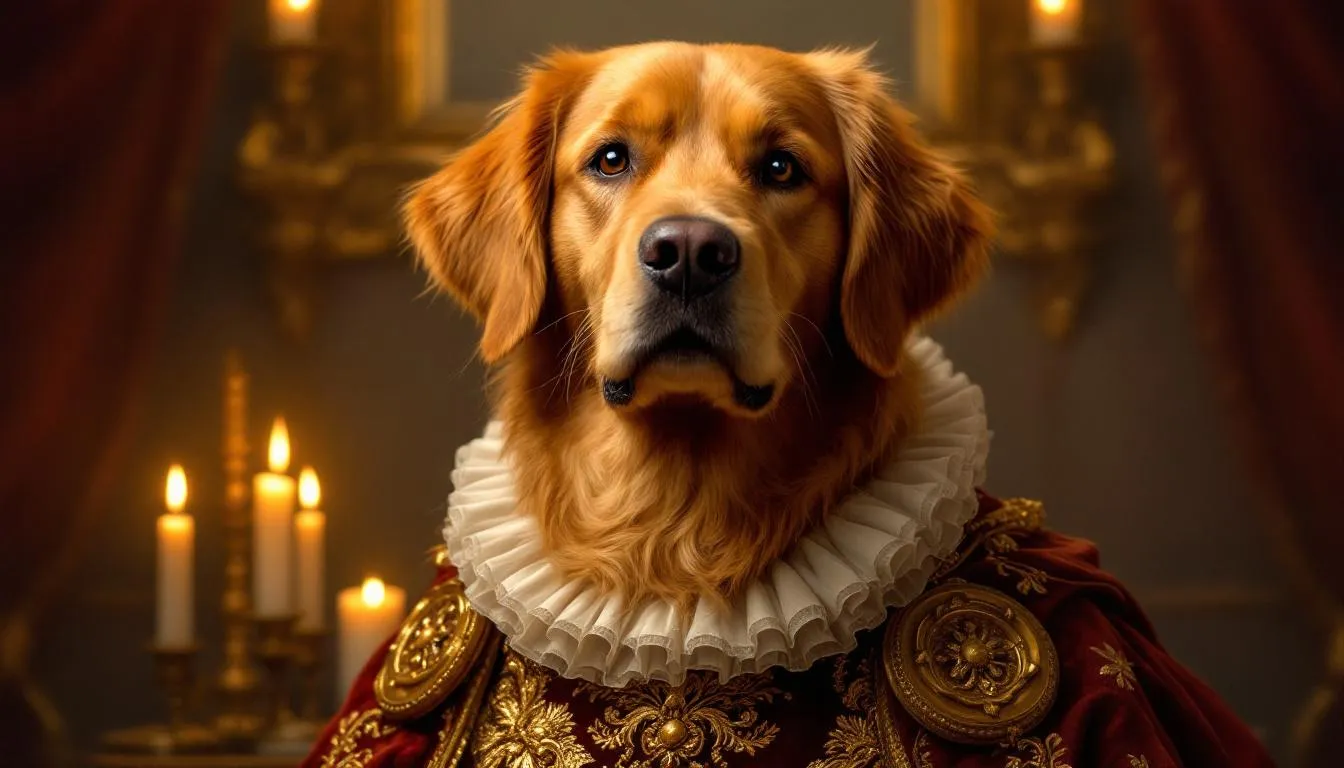
Fable transforms your favorite photo of your pet into a museum-quality portrait painting, the kind that hangs on a wall and fills a room and stops visitors mid-sentence when they see it. Not a printed photo. Not a digital filter. A real hand-painted artwork in styles ranging from classical Renaissance to regal royal portraiture, the kind of thing that looks like it belongs in a gallery.
Think about what that means when you're grieving. A pendant you can wear, but only when you're wearing it. A portrait you live with every day. It's on the wall when you wake up. It's there when you come home. It doesn't get lost in a drawer or left on the bathroom counter. It doesn't depend on memory to surface. It's just there, permanent and undeniable, saying: this animal lived here, and was loved here, and will not be forgotten.
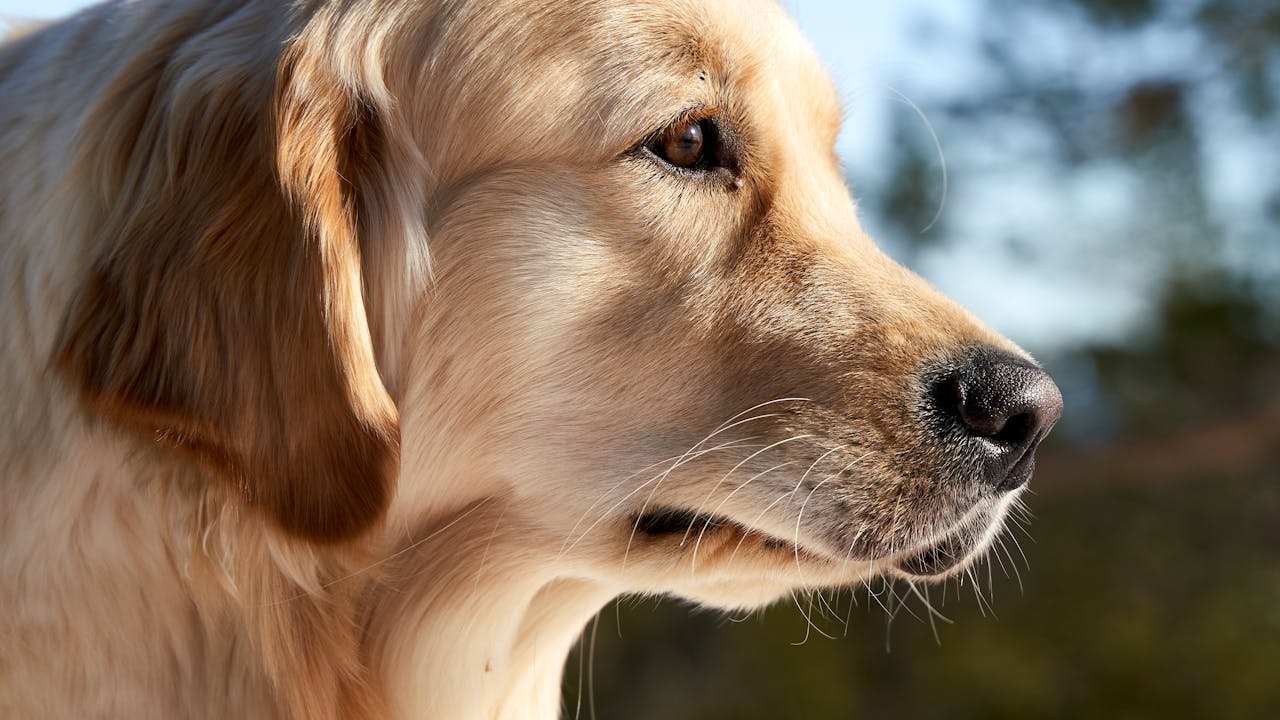
If you've ever seen a memorial pet portrait done well, you understand the difference immediately. The pet is rendered with personality intact. Their eyes still have that particular light. Their posture still carries that specific energy, whether it was dopey and warm or alert and proud. The portrait captures not just how they looked, but how they were.
Fable offers several portrait styles worth knowing about. Regal pet portraits dress your pet in royal attire, velvet and gold trim and all the gravity of a historical painting, the kind of image that feels both playful and genuinely moving. Renaissance pet portraits draw from the old masters, warm candlelight, ornate backgrounds, a timeless quality that makes your dog or cat look like a character from art history. Royal pet portraits take a similar approach, positioning your pet as nobility in the most beautiful sense. And if you're looking at something more naturalistic, pet portraits and dog portraits cover a range of styles that start from your best photo and become something extraordinary.
The process through how it works is straightforward. You upload a photo, choose a style, and Fable's artists create the portrait. That's the short version. The longer version is that what you receive is a piece of art that will outlast any pendant. Something frameable. Something giftable. Something a person keeps not because they feel obligated but because it's genuinely beautiful.
For dogs specifically, custom dog portraits and personalized dog portraits are among the most requested. For cats, cat portrait commissions carry the same emotional weight. If your pet was part of a larger household story, pet family portraits can bring the whole picture together. For non-traditional pets, animal portraits cover horses, rabbits, birds, and more. There's even a dedicated guide to gift ideas for horse lovers for those who've lost an equine companion.
Pricing for a Fable portrait starts at a range that's comparable to a mid-tier memorial pendant, and the result is something categorically different. Not a piece of jewelry. A piece of your story.
Here's the honest case for a portrait over a pendant: a pendant can get lost. It can break. The ashes can fall out if the seal fails. The resin can discolor. The photo can fade. A painting on canvas, properly cared for, can last centuries. Museums are full of portraits of people who died four hundred years ago, and the emotion in those paintings is still palpable.
Your pet deserves that kind of permanence.
If you're grieving right now, consider what will serve you best not just this week but five years from now, ten years from now. The pendant you want today might become the portrait you're grateful for forever. Start at Fable's homepage and see what's possible.
Then come back, because this guide will still be here, and the pendant information is genuinely useful too.
What a pet memorial pendant is
A pet memorial pendant is a piece of jewelry designed to hold something of the animal you've lost. That's the basic definition. The something can be many things: ashes from cremation, a lock of fur, a whisker, a pressed nose print, a tiny photograph. The pendant becomes a container for the physical trace of a life.
People choose pendants for different reasons. Some want to carry their pet with them everywhere, physically close, not just emotionally. Some want the act of wearing the piece to feel like a ritual, a daily acknowledgment of the bond. Some find comfort in the tangible, in having something to hold during hard moments. Others want to honor their pet in a way that's personal to them rather than generic, a pendant engraved with a name or a date or a phrase that only they would understand.
The emotional purpose is straightforward. Grief needs somewhere to go. It needs objects that anchor it, that make it real, that mark it as worthy of attention. A memorial pendant does exactly that. It says: this loss is real, and I'm choosing to mark it, to carry it, to not pretend it away.
The pet memorial jewelry market has grown significantly in recent years. That growth reflects something real: people are taking pet loss seriously. They're creating rituals around it. They're spending money on meaningful objects in the same way they would for any significant loss. According to market data, 35% of memorial jewelry orders are now for pets, which tells you something important about how people relate to their animals. This isn't a niche market for a small group of unusual people. It's a mainstream response to a universal experience.
A good pendant won't replace a pet. Nothing will. But it can be a quiet comfort. It can be the thing you reach for when the grief resurfaces unexpectedly, months or years later, and you need to feel a connection to something that was real. Plenty of people who've worn a pet memorial pendant for years say they wouldn't trade it. It becomes part of them.
Types of pet memorial pendants
Not all pendants work the same way. The right type depends on what you want to carry, how you want to wear it, and what matters most to you aesthetically and practically.
Cremation urn pendants
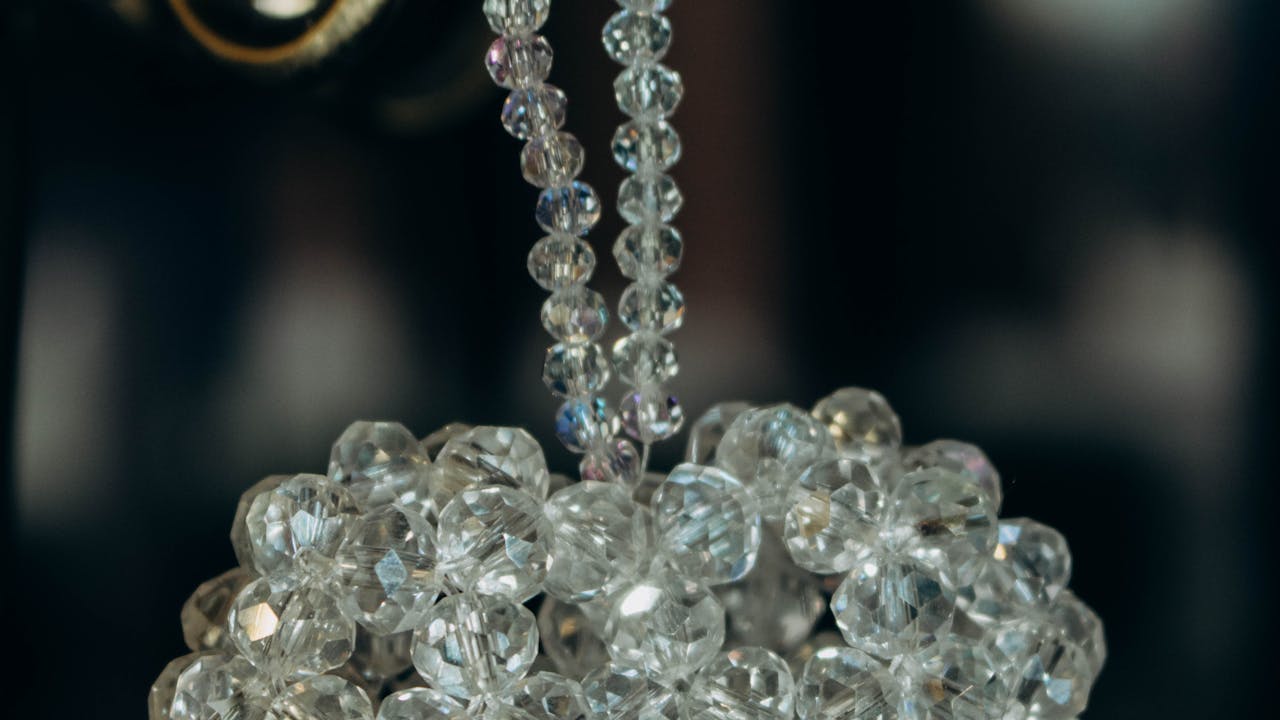
These are the most popular type by a significant margin. A cremation urn pendant is designed to hold a small portion of your pet's ashes. The pendant itself contains a sealed chamber, typically accessed through a threaded cap or a tiny screw closure on the back or bottom, where you place a small amount of cremated remains.
How much ash fits in one? Most urn pendants hold roughly a quarter to a half teaspoon. That sounds like very little, but when you consider that cremated remains from a medium-sized dog amount to several cups, you can fill multiple pendants and still have ashes to spare for an urn or a scattering. Smaller pets produce less, and for very small animals you may fill a pendant with the majority of their remains.
The seal quality is where things vary dramatically. Inexpensive pendants sometimes use a rubber gasket or basic threading that loosens over time, creating the very real possibility that ashes will escape. A well-made cremation pendant uses a reliable mechanical seal, often a combination of threading plus an O-ring, that holds firmly. When you're evaluating any cremation pendant, look for clear photos of the closure mechanism. If the seller won't show you how the chamber seals, that's a red flag.
Price range for urn pendants runs from around $49 on the low end, typically in stainless steel with simple designs, to over $300 for 14k gold versions with custom engraving. Sterling silver sits in the comfortable middle, usually $80 to $200 depending on craftsmanship and design.
Photo lockets
A photo locket is the oldest style of memorial jewelry, dating back centuries. The concept is simple: a hinged pendant that opens to reveal a tiny photograph inside. For pet memorials, you'd place a photo of your animal inside.
Traditional photo lockets are round or oval, usually available in sterling silver, gold, or gold-filled metal. They're modest in size, designed to be understated, and carry a timeless quality that other pendant types don't always have. A good locket will last generations. They don't require ashes or fur. They require only a small photo, which can be printed at home, cut to size, and placed inside.
Modern photo lockets have expanded to include a newer format: projection necklaces. These hold a tiny image on a small disk inside the pendant, and when you hold a light source to the other end, the image projects onto a surface. It's a more contemporary take on the concept, and it allows for a surprising level of detail. The projection is often clearer than you'd expect given the tiny size of the image. These typically run $60 to $150 depending on quality and material.
Standard lockets are inexpensive entry points, sometimes as little as $25 for basic versions, though quality lockets in proper sterling silver run $80 to $180.
Fur and hair lockets
Some people want to carry something more organic than ashes: fur from a beloved dog's coat, or soft hair from a rabbit, or the whiskers from a cat. Fur memorial jewelry accommodates this through specially designed lockets with a visible window, often glass or clear acrylic, through which you can see the fur inside.
Fur compresses quite easily, so even a small locket can hold a surprisingly generous amount if you're working with soft, fluffy fur. You don't need to pack it tightly. A small tuft placed gently inside, then sealed, creates a visible keepsake that feels more immediate than ashes for some people.
Whiskers are different. They're rigid, have specific length and structure, and don't compress. For whiskers, you need a locket-style design with enough interior space to hold the whisker without bending it. Cylindrical pendant designs work well for this purpose. If you want to preserve whiskers, look for pendants specifically designed for them, or for lockets with a longer, more rectangular interior chamber.
Fur lockets typically run from $60 to $200 in sterling silver, with gold versions at the higher end. The material of the window matters. Glass tends to be more scratch-resistant and longer-lasting than acrylic, so if you're investing in a quality piece, look for that specification.
Engraved pendants
Sometimes you don't want to carry ashes or fur. You want to carry a name, a date, a phrase. Engraved pendants are exactly that: a solid piece of metal with text cut directly into the surface. They're clean, permanent, and very wearable.
The most common engravings are a pet's name, their birth and passing years, and a short phrase like "forever in my heart" or "good dog" or something specific to the animal's personality. Paw prints are also extremely popular as an engraved design, whether realistic or stylized. You can have a single paw print engraved on the front with a name on the back, which is a classic combination.
Coordinate pendants have grown popular in recent years. The idea is to engrave the GPS coordinates of a meaningful location, the home where the pet grew up, the park where you walked them every morning, the vet where they received their final care. The coordinates mean nothing to a stranger and everything to the person wearing the pendant.
Engraved pendants are often the most durable option because there's no closure to fail, no compartment to seal, no material to degrade. They're solid metal all the way through. Prices run from $45 for simple stainless steel to $350 and more for custom 14k gold work with detailed designs.
Paw print pendants
Paw print pendants are often made from an actual impression of your pet's paw, captured either while the pet was still alive or very shortly after passing. Some veterinary clinics offer paw print casting as a standard service during end-of-life care. There are also at-home kits that allow you to capture an impression yourself.
The impression is typically made in clay or soft material, then used to create a mold from which a metal pendant is cast. The result is a pendant with the actual topology of your specific pet's paw, not a generic paw print design but the exact swirls and pads of their particular foot.
Because each pendant is made from an individual impression, no two are identical. That specificity is a large part of the appeal. This isn't a representation of a paw. It's their paw, translated into metal.
Paw print impression pendants run $80 to $250 depending on the metal and the complexity of the casting process. If your pet has already passed and you don't have an impression, some jewelers can work from a clear photo of the paw, though the results are less specific.
Cremation diamonds
At the furthest end of the spectrum, both in cost and in concept, are cremation diamonds. The technology is real: under extreme heat and pressure, the carbon in cremated remains can be converted into a synthetic diamond. The resulting stone can then be set in jewelry of your choice.
The science takes months. The diamonds produced tend toward yellow or blue depending on trace elements in the remains, and they can range from quite small to carat-sized depending on how much you invest. Prices start around $995 for a small stone and increase steeply, with high-quality, larger stones running $5,000 or more.
The emotional resonance is powerful for people drawn to this option. There's something extraordinary about the idea of transformation: the carbon that made up your beloved animal becomes a stone that will outlast everything. But the cost puts this well beyond most people's reach, and it's worth knowing that the resulting stone, while genuine diamond, is not identical in appearance to a high-clarity natural diamond. The impurities from organic matter affect color and clarity.
Choosing the right pet memorial pendant
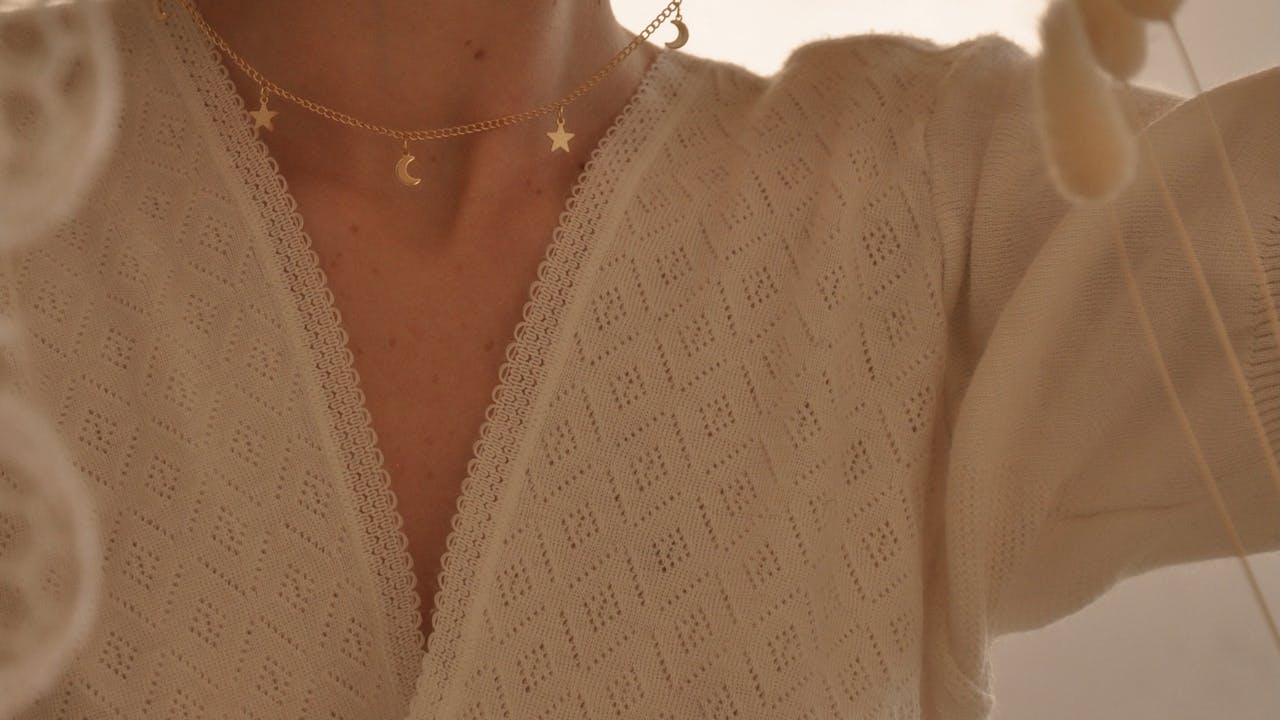
The right pendant depends on four things: what you want to carry, what material suits you, what your budget allows, and whether the piece is actually well-made. These sound simple, but each one deserves thought.
Deciding what to store
Start here. Before you consider materials or styles, decide what physical trace of your pet you want to carry. Do you have ashes from cremation? Do you have fur or whiskers saved? Is there a photo that captures them perfectly? Do you want to carry nothing physical but want an engraving that means something?
Your answer determines the type of pendant before anything else. If you have cremation ashes and you want to carry them, you need an urn pendant with a reliable sealed chamber. If you have a treasured photo, a locket gives you a way to keep it close. If you want something that's genuinely their physical structure, a paw print impression pendant is hard to beat. If you want a piece you'll wear daily and never have to worry about maintaining, a solid engraved pendant is the most practical choice.
It's also worth thinking about how much closeness you want. An urn pendant with ashes inside is intimate in a specific way, literally carrying part of them. An engraved pendant carries their name and meaning but is more abstract. Neither is more valid. This is about what will give you comfort.
Understanding materials
Sterling silver is the most common material for memorial pendants, and for good reason. It's durable, beautiful, widely available, and affordable relative to gold. It tarnishes with time but polishes easily. For daily wear, sterling silver holds up well if you remove it before showering and swimming, which you should with any memorial pendant regardless of material.
14k gold in yellow, white, or rose varieties is more expensive but doesn't tarnish. If you want a piece you can wear without maintenance concerns, gold is worth the premium. Rose gold has become particularly popular for memorial jewelry because the warm tone photographs beautifully and feels less severe than white gold in an emotional context.
Stainless steel is the most durable option and the most resistant to damage from water, sweat, and daily life. It's also the least expensive, making it accessible if budget is a primary concern. The trade-off is that stainless steel can feel less premium. It's a perfectly valid choice for urn pendants specifically, where the closure mechanism matters more than the aesthetic impression of the metal.
Resin appears in some memorial pendants, particularly those that suspend ashes, fur, or flowers in a clear or colored medium. Be cautious here. Resin can discolor with UV exposure, turning yellow or cloudy within a few years. It can warp in heat. And in some designs, the resin encasing the memorial material can crack or separate from the metal surround, creating a structural failure. Resin pendants can be beautiful immediately after purchase, but their long-term durability is significantly lower than metal.
Setting your budget
Pet memorial pendants span a wide range. You can find something at $49 that will hold ashes securely and look presentable. You can also spend $430 or more on a handcrafted sterling silver piece with custom engraving and a precision closure mechanism. Both are real options, and your decision should depend on what this piece means to you and how long you want it to last.
A general principle: buy the best quality you can afford without stretching to a point that creates stress. A $150 sterling silver pendant from a reputable jeweler will serve you better than a $400 pendant from an unfamiliar seller with limited photos and vague material descriptions.
If cost is a real constraint, a well-made stainless steel urn pendant or a simple engraved piece in steel will do everything you need it to do. The material doesn't determine the meaning. Your feelings do.
Quality red flags to avoid
There are reliable warning signs that a pendant isn't worth buying.
Vague material descriptions. If a listing says "alloy" or "metal" without specifying the type, that's a red flag. Alloy is a catch-all term that often means zinc or aluminum, neither of which has the durability or appearance of sterling silver or gold. If the seller can't or won't tell you exactly what the metal is, don't buy it.
No photos of the closure. For urn pendants specifically, the closure is the single most important functional element. If a seller shows you the pendant from every angle except the closure, that's suspicious. Good sellers show exactly how ashes enter the chamber and exactly how it seals. If that information isn't there, ask for it. If they don't respond clearly, shop elsewhere.
Exaggerated waterproof claims. No pendant should be described as fully waterproof for urn purposes. Any closure can fail with enough water exposure over time. Sellers who make absolute waterproof claims are either misrepresenting their product or don't understand materials. A good pendant can be water-resistant, meaning brief incidental contact with water won't cause problems. It should not be worn swimming or in the shower regularly.
Very low prices on complex designs. A $25 sterling silver urn pendant with detailed engraving is almost certainly not sterling silver. The material costs alone for genuine sterling silver exceed that price point for any reasonably sized pendant. If the price seems too low, trust that instinct.
The buying process
Once you know what type of pendant you want and what to look for, the buying process is straightforward but benefits from some preparation.
If you're purchasing an urn pendant to hold ashes, you'll receive the ashes from the cremation service in a bag or urn. Filling a memorial pendant is done with a small funnel, often included with the pendant, and a steady hand. The opening in urn pendants is small by design, usually a few millimeters in diameter, which helps prevent accidental spillage. Some people find this process easier than they expected. Others find it more emotional than anticipated. Both reactions are completely normal.
The timing question is real. Some people want to have a pendant ordered and ready to receive ashes within days of a pet's passing. Others need more time before they can engage with the process. Neither timeline is wrong. Many jewelers who specialize in memorial pieces are accustomed to customers at all stages of grief and are patient and thoughtful in their communication. If you're not ready, it's fine to wait. A pendant ordered six months after the loss is no less meaningful than one ordered in the first week.
If you're ordering a custom engraved piece or a paw print impression pendant, lead times vary. Simple engraving can often be done in a week or less. Custom paw print casting from an impression typically takes two to four weeks. Memorial diamonds take several months. Build in time if a date matters to you.
Online and independent jewelers who specialize in memorial jewelry often provide better products and more personal service than large marketplace sellers. They tend to use higher quality materials, offer better photography of the actual products, and provide genuine customer support for a process that can be emotionally charged.
Caring for your pendant
A memorial pendant will last for decades if you treat it well, and significantly less time if you don't. The care routine is simple.
Remove your pendant before bathing, swimming, or using cleaning products. Soap, shampoo, chlorine, and household chemicals all degrade metal over time and can attack closures on urn pendants. Even sterling silver, which holds up well to daily wear, benefits from not being submerged regularly.
Clean your pendant gently with a soft cloth when it needs attention. For sterling silver, a polishing cloth designed for silver will remove tarnish effectively without scratching the surface. Don't use abrasive cleaners or toothpaste, which are sometimes recommended online but can scratch softer metals. For gold, warm water with a tiny drop of dish soap and a soft brush works well. Rinse thoroughly and dry completely before storing.
Store your pendant in a soft pouch or lined jewelry box when you're not wearing it. Exposure to air accelerates tarnish on silver. Keeping it in a closed environment slows that process. Don't store multiple pendants in the same compartment without separation, as metal pieces scratch each other.
For urn pendants specifically, inspect the closure periodically, perhaps every few months, to make sure it's still fully sealed. If you notice the threading has loosened or the seal feels different, take it to a jeweler before there's a problem. A professional can often reapply sealant or address minor mechanical issues before they become serious.
Resin pendants require extra care around heat and light. Don't leave them in a hot car, on a sunny windowsill, or anywhere with consistent UV exposure. The yellowing that happens to resin in sunlight is irreversible.
Pet memorial pendants as gifts
Giving a memorial pendant to someone who's lost a pet is a genuinely kind act, but it requires some care in execution.
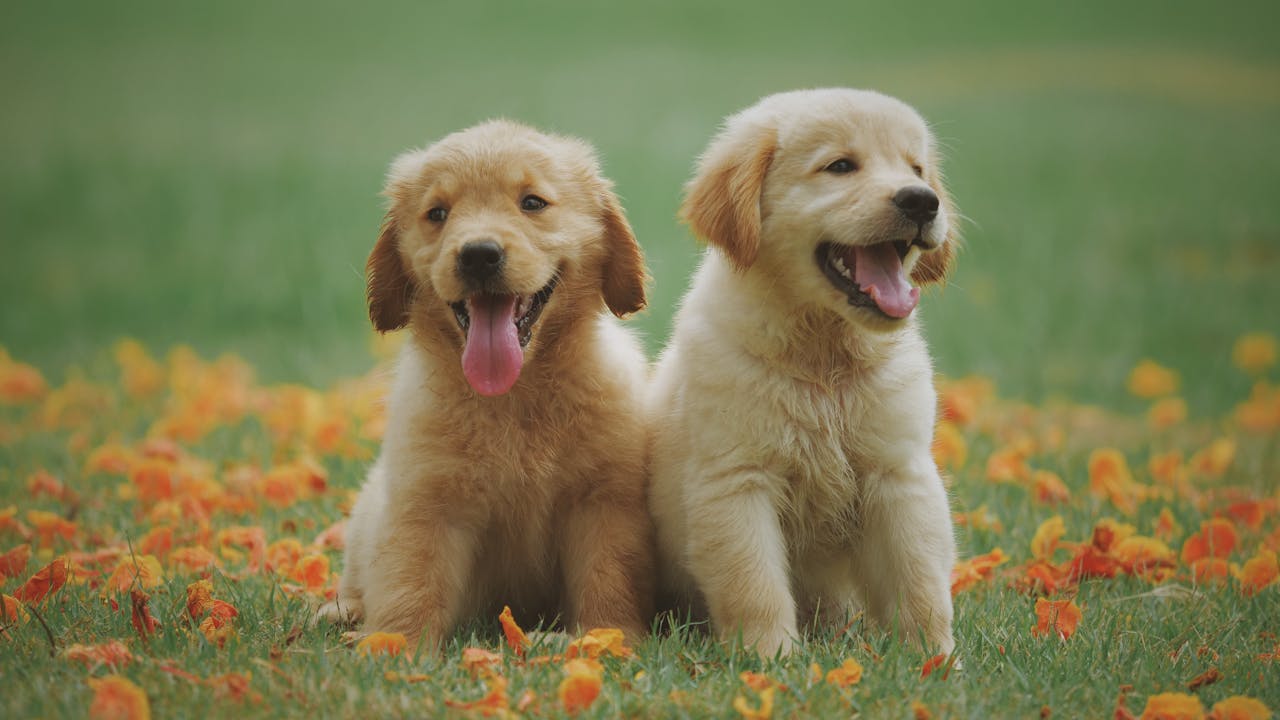
The most important consideration is whether the person has cremated their pet. If they have, and you're giving an urn pendant, the gift makes practical sense because they have what they need to fill it. If their pet wasn't cremated, an urn pendant becomes a display piece without a function, which can feel disconnected. In that case, an engraved pendant with the pet's name is a safer choice because it doesn't depend on any physical remains.
Timing matters. In the immediate aftermath of loss, some people want tangible acknowledgment of their grief right away. Others need weeks before they can receive something without it being overwhelmingly painful. If you're not sure where someone is, a card that says "I have a pendant with Benny's name on it for you when you're ready" is often more considerate than presenting the gift immediately.
Personalization makes a significant difference. An engraved pendant with the specific pet's name, even a simple disc pendant with one word, is dramatically more meaningful than a generic heart pendant that says "forever loved." The specificity is the point. It honors that specific animal, not the abstract concept of pet loss.
When you present the gift, say something true and specific about the pet if you knew them. "I always loved how he'd sit in the sun by the window" is worth more than any card sentiment. If you didn't know the pet, ask the recipient to tell you about them. Let the gift be an occasion for the person to speak about their animal, to remember them out loud.
You don't need to spend a lot. An engraved pendant in sterling silver with a pet's name can cost $60 to $90 and will be genuinely treasured. The cost isn't the point. The care and specificity are.
When you want something more
There comes a point in grief where a pendant, as beautiful as it is, doesn't fully carry the weight of what was lost.
A pendant can be close to your heart. But it can't be on your wall.
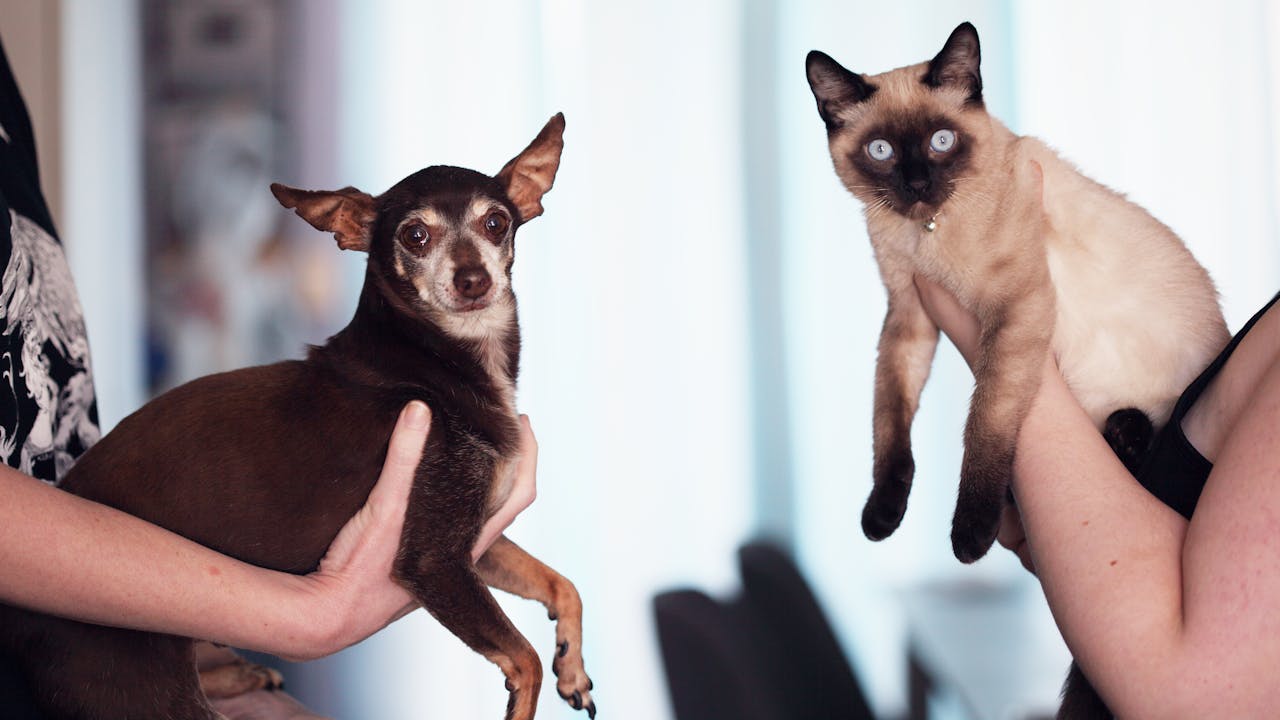
This is where portrait art comes back into the picture, and where Fable's custom portraits do something no pendant can. A portrait turns the wall into a memorial. It makes the loss visible in a way that's beautiful rather than painful, honoring rather than mournful. Every time you look at it, you're reminded not just that your pet is gone but that they lived, that they were magnificent, that the bond was real enough to be rendered in paint and preserved in frame.
Whether you're exploring dog portraits, cat portraits, or regal pet portraits, Fable has a style that can capture your specific animal's personality and presence. The renaissance pet portraits are particularly striking for this purpose because they carry the weight of art history, treating your pet with the same gravitas as the human subjects in centuries-old paintings. Royal pet portraits offer something similar. Pet painting from photo is the most flexible option if you have a specific image in mind.
If you want to give this as a gift to someone grieving, the same logic applies as with pendants, but more so. A portrait commission says: your pet deserves to be art. It says the relationship was worthy of something permanent. You can read more about the general approach to thoughtful memorial giving in the guide to pet memorial ideas, which covers a wider range of options and considerations.
For those thinking about a portrait as a birthday gift, anniversary gift, or holiday gift to mark the memory of a beloved pet, the guides to birthday portrait gifts, anniversary gift portrait, art gifts for mom, christmas art gifts, and wedding gift art all offer context for how portrait art functions in different gift-giving moments.
You might also find it helpful to look at graduation gift art if you're looking for the right occasion to commission a memorial piece for someone else. Sometimes the timing of a meaningful gift, presenting a portrait at a celebration that marks a transition, makes it even more resonant.
For a complete overview of portrait styles and what Fable offers, how it works walks through the process step by step. Pricing shows what different styles and sizes cost. The blog has dozens of guides on specific portrait types, gift occasions, and creative ideas for how to use portrait art to honor the people and animals you love.
A pendant can be part of your tribute. A portrait can be the center of it.
Frequently asked questions
What can I put in a pet memorial pendant?
Most memorial pendants are designed to hold cremated ashes, but many also accommodate fur, hair, whiskers, or small photographs. The type of pendant determines what fits: urn pendants hold ashes in a sealed chamber, locket-style pendants hold fur or photos, and paw print pendants hold nothing but carry the physical impression of your pet's paw. If you want to hold something specific, check the pendant type before purchasing.
How much does a pet memorial pendant cost?
Pet memorial pendants range from roughly $49 to $430 or more, depending on the type and material. Stainless steel urn pendants sit at the lower end. Sterling silver pendants with engraving typically run $80 to $200. Gold versions start around $200 and climb from there. Paw print impression pendants average $80 to $250. Cremation diamonds start at $995 and can cost several thousand dollars for larger stones. You don't need to spend a lot to get something meaningful and durable.
Are pet memorial pendants waterproof?
No pendant should be treated as fully waterproof, especially urn pendants that hold ashes. Any seal can fail with consistent water exposure over time. Most quality urn pendants are water-resistant enough that brief incidental contact won't cause problems, but you should remove them before showering, swimming, or working with water. If a seller describes their pendant as completely waterproof, that claim should give you pause.
How do I fill a cremation pendant with ashes?
Most urn pendants come with a small funnel to help with this. Open the closure according to the instructions, place the funnel in the opening, and carefully spoon or pour a small amount of ashes through. Less is easier to manage than more. Once filled, close the pendant firmly, ensuring the threading or closure is fully engaged. Some people apply a tiny drop of clear nail polish or specialized sealant over the closure for extra security, though a quality pendant shouldn't require this.
Can I put fur in a pet memorial pendant?
Yes. Fur compresses easily and a small amount fits inside most locket-style pendants. For best results, use a pendant with a window so you can see the fur, rather than an urn pendant where it would be hidden inside an opaque chamber. Whiskers are more challenging because they're rigid, they require a pendant with enough interior length to hold the whisker straight. Look for cylindrical or elongated locket designs if you want to preserve whiskers.
What is the best material for a pet memorial pendant?
Sterling silver is the most practical balance of cost, durability, and beauty for most people. It requires some maintenance to prevent tarnishing but holds up well with basic care. 14k gold in yellow, white, or rose gold is the best choice if you want minimal maintenance and don't mind the higher cost. Stainless steel is the most durable and most water-resistant option at the lowest price point. Avoid resin as the primary material for long-term keepsakes because it discolors and degrades over time in ways metal doesn't.
How do I give a pet memorial pendant as a gift?
Personalization is everything. An engraved pendant with the specific pet's name is far more meaningful than a generic memorial pendant. Consider timing: some people want acknowledgment immediately, while others need weeks before they can receive a memorial gift without it feeling overwhelming. Present the gift with something true and specific about the animal if you knew them. If you didn't know the pet, use the moment to ask the recipient to tell you about them, which is itself a gift.
What is a pet cremation diamond?
A pet cremation diamond is a synthetic diamond created from the carbon in your pet's cremated remains. Under extreme heat and pressure, carbon from the ashes is converted into a genuine diamond that can then be set in jewelry. The process takes several months and costs starting around $995, with larger stones costing significantly more. The resulting diamonds tend toward yellow or blue depending on the trace elements in the ashes. For people drawn to the idea of transformation, it's a powerful option. For most people, the cost is prohibitive.
Related guides
- Pet memorial ideas
- Memorial pet portraits
- Royal pet portraits
- Pet painting from photo
- Regal pet portraits
Sources
You reached for them out of habit. You called their name before you remembered. And in that moment between calling and remembering, they were still there, still entirely real, still yours.
A pendant can hold something of them close. It can be the thing you reach for on a hard day, the weight of it in your palm like a small comfort. It can mark the loss and carry the love. That matters.
But if you want them on the wall, present in the room, impossible to forget and impossible not to love, start with Fable.
Turn the best photo you have of them into something that will last a lifetime. Let them be art.